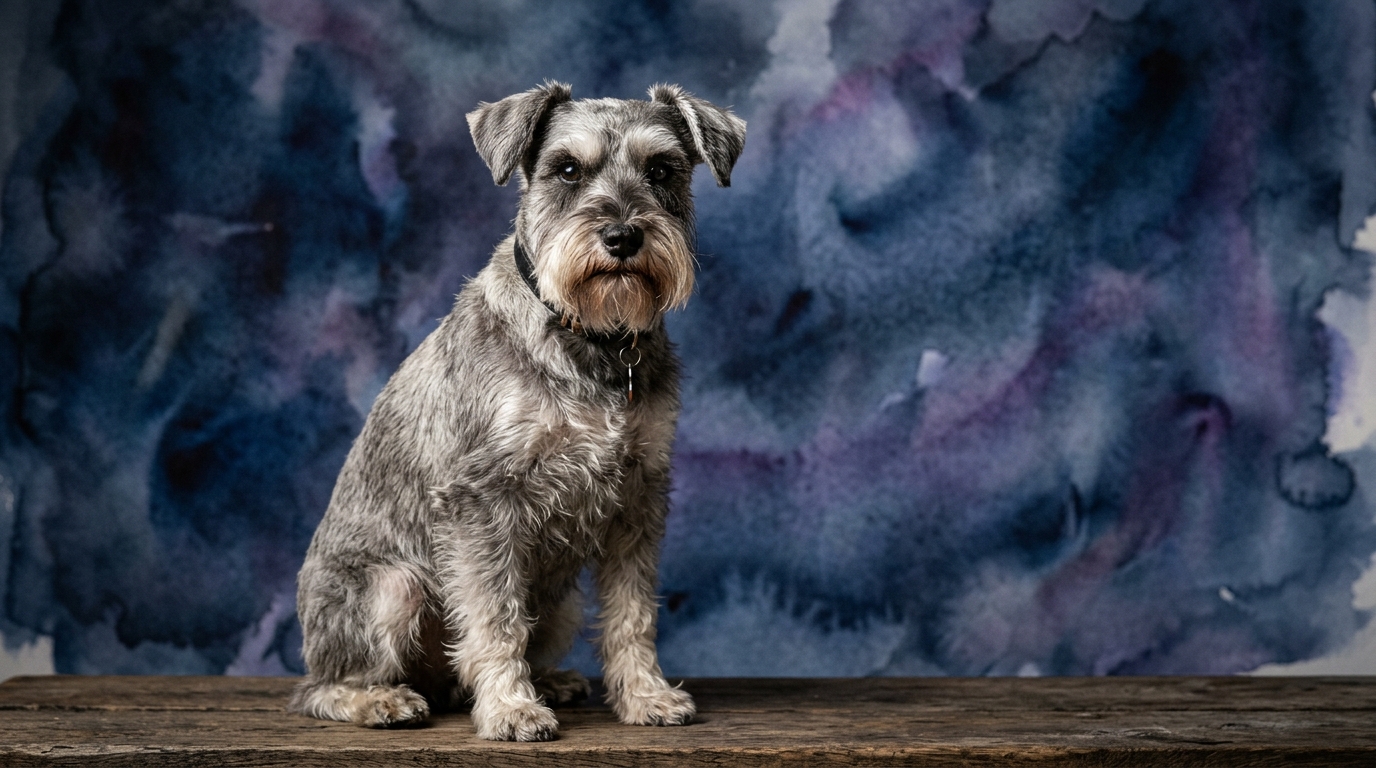
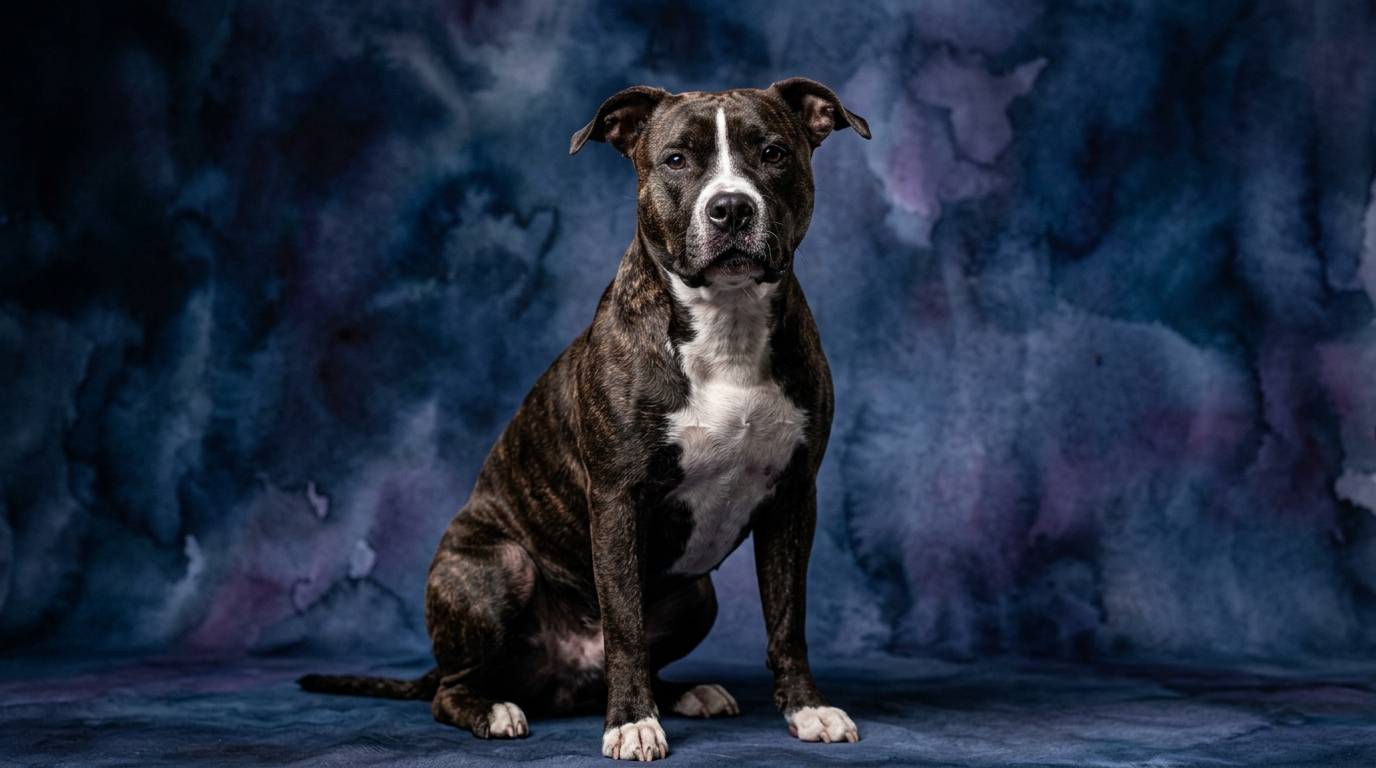
Side-by-Side IQ Profile: Miniature Schnauzer vs. American Staffordshire Terrier
The Cosmic Pet Pet IQ Lab employs five key dimensions to evaluate canine intelligence, offering a nuanced perspective beyond simple obedience. For the Miniature Schnauzer, their Problem Solving is rated 4/5, indicating a strong capacity to figure out complex situations and adapt to new puzzles. Their Training Speed excels at 5/5, suggesting a rapid assimilation of new commands and routines, often requiring fewer repetitions. Social Intelligence, at 4/5, reflects their adeptness at reading human cues and interacting appropriately in various social contexts. Instinctive Drive, also 4/5, speaks to their inherent terrier nature, manifesting as focused determination in tasks like chasing or guarding. Finally, their Memory is a robust 4/5, allowing them to retain learned behaviors and recall past experiences effectively.
In contrast, the American Staffordshire Terrier presents a slightly different cognitive landscape. Their Problem Solving capability stands at 3/5, meaning they are competent at resolving challenges but may require more guidance or clearer structure. Training Speed is rated 3/5, indicating they learn at a moderate pace, requiring consistency and patience to solidify new commands. Social Intelligence, at 3/5, suggests they are generally good-natured but might be less immediately adaptable to novel social situations or subtle human signals than Schnauzers, often relying on established relationships. Their Instinctive Drive is 3/5, reflecting a powerful but often more contained drive, typically channeled towards companionship or protection. Their Memory, however, matches the Schnauzer at 4/5, underscoring their capacity for excellent retention of routines, commands, and experiences, making them reliable companions once trained.
Where the Miniature Schnauzer Wins Cognitively
The Miniature Schnauzer distinguishes itself through its superior cognitive flexibility and rapid learning. With a Problem Solving score of 4/5, they demonstrate a keen ability to independently assess and overcome obstacles, whether it's figuring out a tricky treat puzzle or navigating an unfamiliar environment with confidence. This strength allows them to thrive in varied scenarios, often improvising solutions. Their Training Speed of 5/5 is a significant advantage, translating into a much quicker uptake of new commands and complex sequences. Owners often find that few repetitions are sufficient for a Schnauzer to grasp a concept, making advanced obedience, agility, or trick training particularly rewarding. This quick assimilation is partly due to their focused attention and eagerness to engage in interactive learning. Furthermore, their Social Intelligence at 4/5 means they are exceptionally perceptive of human emotions and social dynamics, making them excellent communicators and adaptable companions in diverse social settings, fostering harmonious interactions.
Where the American Staffordshire Terrier Wins Cognitively
While the Miniature Schnauzer excels in rapid acquisition, the American Staffordshire Terrier's cognitive strengths lie in different, equally valuable, areas. Their Memory, rated 4/5, is a standout trait, matching the Schnauzer's capacity for retention. This means that once an AmStaff learns a command, a routine, or an expectation, they tend to remember it with remarkable consistency, contributing to their reputation as dependable and predictable companions. This strong memory underpins their reliability, making them excellent candidates for structured training where consistency is key. Furthermore, their Instinctive Drive, while rated 3/5, often manifests as a deep loyalty and protective instinct towards their family, a significant cognitive advantage for owners seeking a devoted guardian. This drive, when properly channeled, results in a steadfast companion. Their Problem Solving score of 3/5 suggests a more grounded approach; they are less prone to overthinking or anxiety in novel situations, preferring clear directives and established methods, which benefits owners appreciating a dog effective within defined boundaries.
Which is Easier to Train and Why
The Miniature Schnauzer generally holds a distinct advantage in ease of training, primarily due to its exceptional Training Speed (5/5) and higher Problem Solving (4/5). Schnauzers possess a natural eagerness to learn and please, combined with a focused attention span that allows them to quickly grasp new concepts. They are often described as "thinking dogs" who enjoy the mental stimulation of training sessions, readily making associations between commands and actions. Their strong social intelligence further aids this process, as they are adept at reading their handler's body language and vocal cues. Conversely, the American Staffordshire Terrier, with a Training Speed of 3/5, requires a more patient and consistent approach. While capable learners, AmStaffs may take more repetitions to solidify commands and can exhibit a degree of independent thinking. Their motivation often stems from a desire to please their primary handler and the reward of companionship. Successful AmStaff training relies heavily on positive reinforcement, clear boundaries, and building a strong, trusting relationship, as they respond best to confident leadership.
Which Suits Active Owners vs. Relaxed Owners
The choice between these breeds often comes down to an owner's lifestyle and preferred daily engagement. Miniature Schnauzers, with their high Problem Solving (4/5) and Instinctive Drive (4/5), thrive with active owners who can provide consistent mental and physical stimulation. They excel in activities like agility, obedience trials, or complex trick training, satisfying their keen intellect and energetic terrier spirit. Owners who enjoy varied routines, regular training, and interactive games will find the Schnauzer a willing participant. Their social intelligence also makes them adaptable to diverse outings and social engagements.
The American Staffordshire Terrier might appeal more to owners seeking a balanced companion who appreciates structured routines and deep companionship over constant novelty. Their Memory (4/5) means they excel at maintaining established daily schedules and learned behaviors, making them reliable partners for consistent walks, play, and cuddle time. While they possess an Instinctive Drive (3/5), it often manifests as focused play with their human, rather than independent exploration. Relaxed owners valuing loyalty, predictability, and a dog content with a steady pace of life, provided their foundational exercise needs are met, might find the AmStaff's cognitive profile a better match.
The Verdict
Choose a Miniature Schnauzer if you're an active owner seeking a highly trainable, cognitively flexible companion who thrives on mental challenges and diverse social interactions. They excel in fast-paced learning and enjoy varied activities that engage their sharp intellect and terrier drive.
Opt for an American Staffordshire Terrier if you value unwavering loyalty, a predictable routine, and a dog with excellent memory that becomes a steadfast, devoted family member once trained consistently. They suit owners who appreciate a strong bond and can provide clear structure.
🧠 Find Your Pet's IQ Score
Our Pet IQ Lab assessment covers 25+ tests across 5 cognitive dimensions — personalized to your breed.
Take the Full IQ Test →Frequently Asked Questions
Do Miniature Schnauzers require more mental stimulation than American Staffordshire Terriers?
Yes, Miniature Schnauzers generally possess a higher problem-solving capacity (4/5) and instinctive drive (4/5), indicating a greater need for varied mental challenges and engaging activities to prevent boredom. American Staffordshire Terriers, while still needing engagement, may be content with more consistent routines and focused play sessions.
How does the training speed differ between these two breeds?
The Miniature Schnauzer boasts a 5/5 training speed, meaning they typically learn new commands and behaviors very quickly, often with fewer repetitions. The American Staffordshire Terrier has a 3/5 training speed, requiring more patience and consistent reinforcement to solidify new learnings, though their 4/5 memory ensures long-term retention.
Which breed is better for a multi-pet household based on social intelligence?
The Miniature Schnauzer, with its 4/5 social intelligence, tends to be more adaptable and perceptive in various social contexts, potentially making them an easier fit for multi-pet households if properly socialized. American Staffordshire Terriers, at 3/5 social intelligence, may require more careful, supervised introductions and consistent management to ensure harmonious cohabitation with other pets.