Side-by-Side IQ Profile
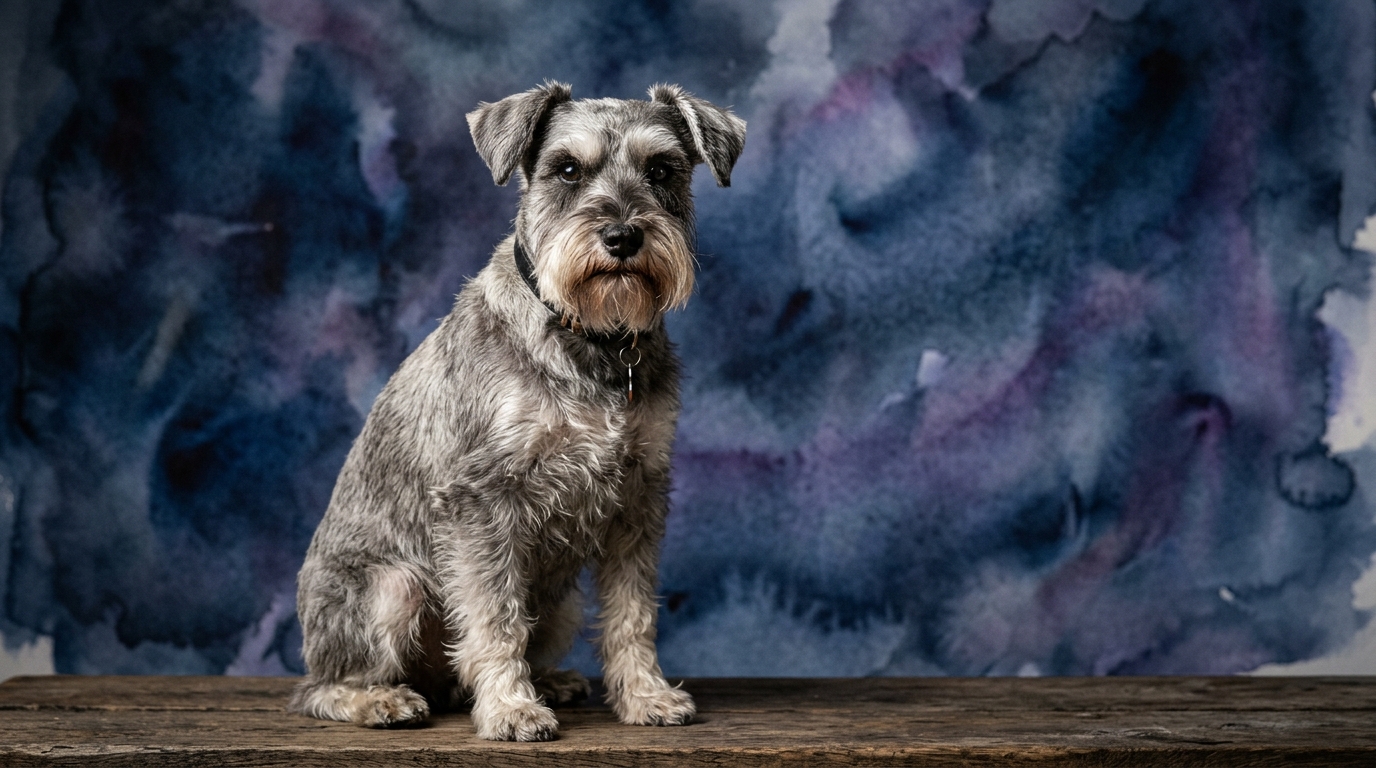
The Miniature Schnauzer, a Terrier ranking #12 on Coren's intelligence scale, presents a well-rounded and responsive cognitive profile. Their Problem Solving is rated 4/5, indicating a strong aptitude for navigating novel situations and figuring out solutions, reflecting a curious and adaptable mind. With an exceptional Training Speed of 5/5, they grasp new commands and routines with remarkable alacrity, often showing a keen desire to engage and please their human companions during learning sessions. Their Social Intelligence scores 4/5, highlighting their ability to read and respond to human emotions and cues, allowing them to form deep bonds and integrate well into family dynamics. An Instinctive Drive of 4/5 points to a robust terrier drive, encompassing vigilance, a propensity for digging, and a lively prey drive, which are fundamental parts of their cognitive makeup. Finally, their Memory at 4/5 means they retain learned commands, routines, and specific interactions effectively, contributing to their consistent and responsive behavior over long periods.
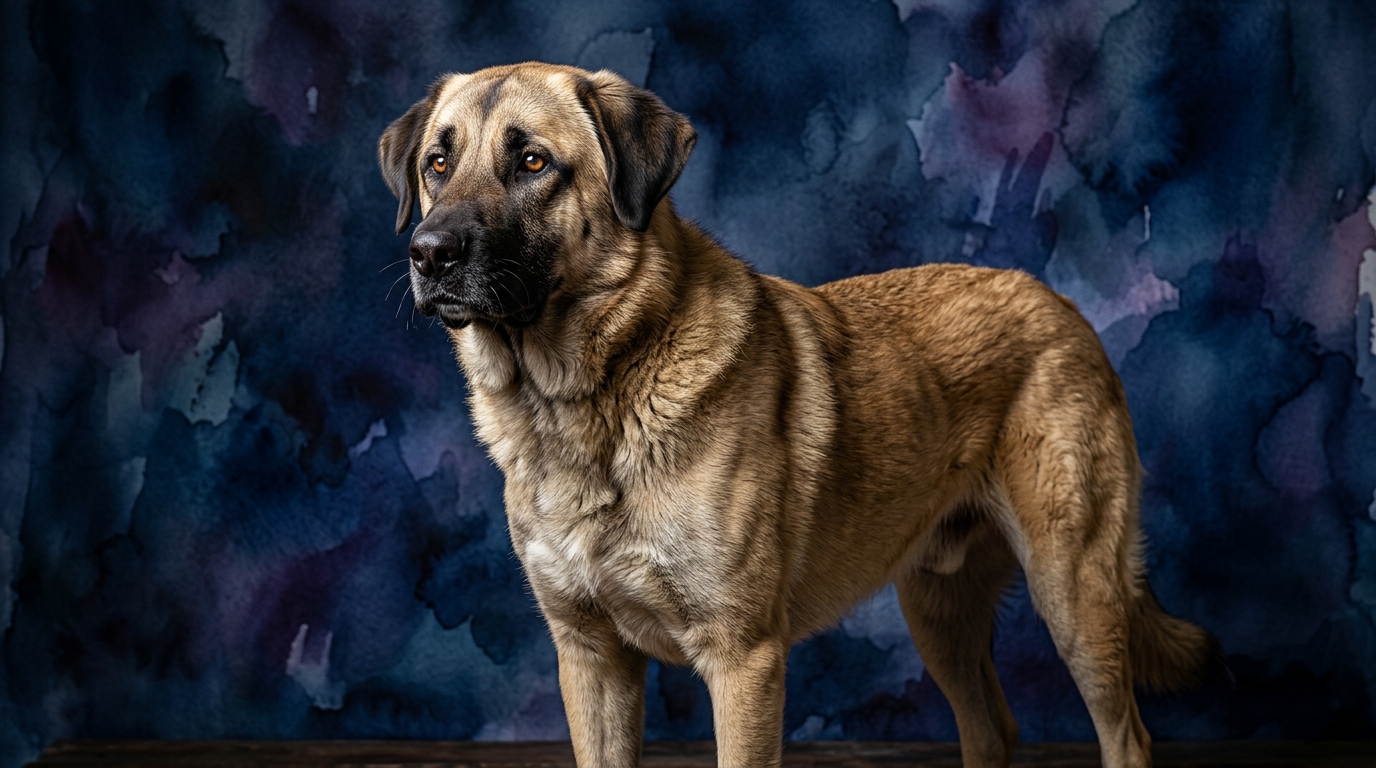
In contrast, the Anatolian Shepherd Dog, a Working breed not ranked by Coren, demonstrates a distinct, specialized intelligence. Their Problem Solving is rated 3/5, indicating practical abilities often directed towards assessing and managing their environment, particularly concerning perceived threats or the well-being of their flock or family. They excel at real-world, situational problem-solving within their guarding context, rather than abstract puzzles. With a Training Speed of 3/5, their independent nature means they require patient, consistent instruction and often respond best when they perceive a purpose or benefit to the task. Their Social Intelligence is 3/5, characterized by a discerning understanding of social dynamics within their immediate group; they are observant and protective but tend to be more reserved in overt social interactions. An Instinctive Drive of 3/5 speaks to a powerful, ancient guarding instinct, primarily focused on territorial protection, vigilance, and independent decision-making to safeguard their charges. Their Memory, also 3/5, is strong for remembering boundaries, routines, and distinguishing accepted individuals from potential intruders, often tied to practical applications within their role as guardians.
Where Miniature Schnauzer Wins Cognitively
The Miniature Schnauzer's cognitive profile truly shines in areas demanding active engagement and direct responsiveness to human directives. Their exceptional training speed (5/5) means they assimilate new commands and intricate routines with remarkable efficiency, frequently appearing to enjoy the learning process itself. This makes them particularly adept at advanced obedience, agility, and other performance sports where rapid comprehension and precise execution are vital for success.
Furthermore, their superior problem-solving (4/5) positions them as agile thinkers capable of navigating novel challenges, from complex puzzle toys to figuring out how to access desired objects. This cognitive flexibility, combined with their strong social intelligence (4/5), enables them to interpret subtle human cues, making them highly attuned companions who often anticipate their owner's wishes. Their robust memory (4/5) ensures these learned behaviors and insights are retained, building a consistent and reliable companion, a characteristic reflected in their Coren rank of #12.
Where Anatolian Shepherd Dog Wins Cognitively
While the Anatolian Shepherd Dog's general cognitive scores might appear moderate in a generalized comparison, their strengths are rooted in a deeply specialized and independent form of intelligence, honed over centuries for their specific guarding role. Their problem-solving (3/5), though not geared towards abstract puzzles, is acutely practical, enabling them to independently assess and mitigate threats in complex, dynamic environments without constant human instruction. This involves strategic patrolling, evaluating new stimuli, and making nuanced judgments about what constitutes a genuine concern versus a harmless event.
Their instinctive drive (3/5) is not about exuberant play or chasing, but a profound, unwavering commitment to protection and territorial defense. This drive fuels their vigilance and allows them to operate with a self-sufficient cognitive framework, prioritizing the safety of their charges. Their social intelligence (3/5), while less overtly expressive, is finely tuned for discerning trustworthy individuals and maintaining a protective distance from strangers, demonstrating a nuanced understanding of social boundaries crucial for a guardian. These specialized cognitive assets make them unparalleled in their intended purpose, showcasing a specialized intellect distinct from a companion dog's.
Which Is Easier to Train and Why
The Miniature Schnauzer, with its impressive 5/5 training speed, is generally considered the more straightforward breed to train. Their inherent eagerness to please, coupled with their strong social intelligence, means they are highly motivated by positive reinforcement and human interaction. They thrive on structured learning environments and often enjoy the mental stimulation that training provides, translating into quicker command acquisition and a more responsive demeanor. Their terrier tenacity, rather than leading to stubbornness, can be effectively channeled into persistent effort during training sessions, making them excellent candidates for a wide range of obedience and trick training.
Conversely, the Anatolian Shepherd Dog, scoring 3/5 in training speed, presents a distinct training dynamic. Their independence, a cornerstone of their guarding role, means they are less inclined to perform tasks purely for human approval. Training an Anatolian requires immense patience, consistency, and an understanding of their intrinsic motivations. They are not 'stubborn' in a defiant sense, but rather pragmatic; if a command doesn't align with their perceived purpose or logic, they may be slow to comply or choose to prioritize their own assessment of a situation. Effective training involves building trust, clear communication, and demonstrating the practical value of a command, often requiring a more nuanced approach than with a companion breed.
Which Suits Active Owners vs. Independent Companionship Seekers
For owners seeking an active, highly interactive canine partner, the Miniature Schnauzer is an ideal match. Their robust problem-solving, high training speed, and engaged social intelligence mean they thrive on consistent mental and physical stimulation. They excel in activities like agility, obedience trials, earthdog events, and even simple daily puzzle games, enjoying the collaborative effort with their human. An owner who can channel their energetic terrier instincts into constructive outlets will find a deeply rewarding and responsive companion, making them well-suited for dynamic households that appreciate an engaged participant in daily life.
The Anatolian Shepherd Dog, while not 'relaxed' in the sense of being sedentary, suits owners who value independence, purpose, and a more reserved companionship style. They are not typically suited for highly active, fast-paced sports or constant interaction; instead, their activity often revolves around patrolling and observing their territory. Owners who can provide ample space, a clear sense of purpose, and who respect their natural inclination for autonomous decision-making will find a loyal and protective companion. They require an owner who is confident and consistent, understanding that their calm vigilance is a form of engagement, rather than demanding constant play or social overtures. They are best for owners who appreciate a dog that thinks for itself and operates with a quiet, watchful presence.
The Verdict
Opt for a Miniature Schnauzer if you desire an engaging, highly trainable, and responsive companion eager to participate in various activities, from family life to performance sports, thriving on interaction and mental challenges.
Select an Anatolian Shepherd Dog if you are an experienced owner prepared to respect and manage a large, independent guardian breed, valuing their instinctual protective nature and requiring a vigilant, self-sufficient presence for property or livestock.
🧠 Find Your Pet's IQ Score
Our Pet IQ Lab assessment covers 25+ tests across 5 cognitive dimensions — personalized to your breed.
Take the Full IQ Test →Frequently Asked Questions
Are Miniature Schnauzers good for first-time dog owners?
Yes, their high training speed and social intelligence make them relatively adaptable and responsive to new owners, provided their energetic terrier traits are understood and managed with consistent training and sufficient mental and physical enrichment. They are eager to learn and form strong bonds, which can be very rewarding for novices.
Can an Anatolian Shepherd Dog live in an apartment?
Generally, no. Anatolian Shepherd Dogs thrive in environments with ample space to roam and patrol, ideally with a secure yard or acreage. Their strong instinctive drive for guarding and their large size mean an apartment setting would likely be detrimental to their well-being and could lead to behavioral issues due to confinement.
Do Miniature Schnauzers bark a lot?
Miniature Schnauzers can be quite vocal due to their instinctive drive and vigilance, often alerting to new sights or sounds. While their barking can be managed with consistent training, it's a characteristic trait that potential owners should be prepared to address to prevent excessive noise.