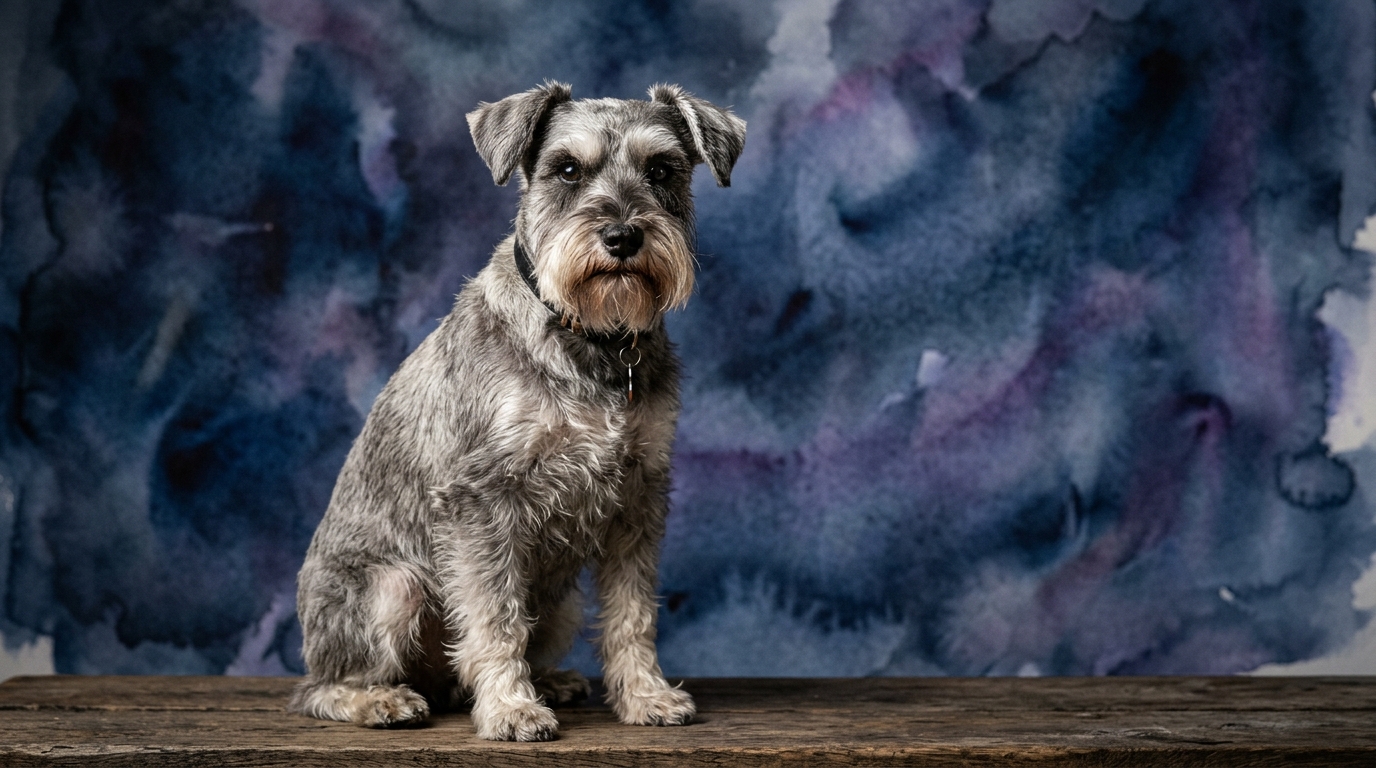
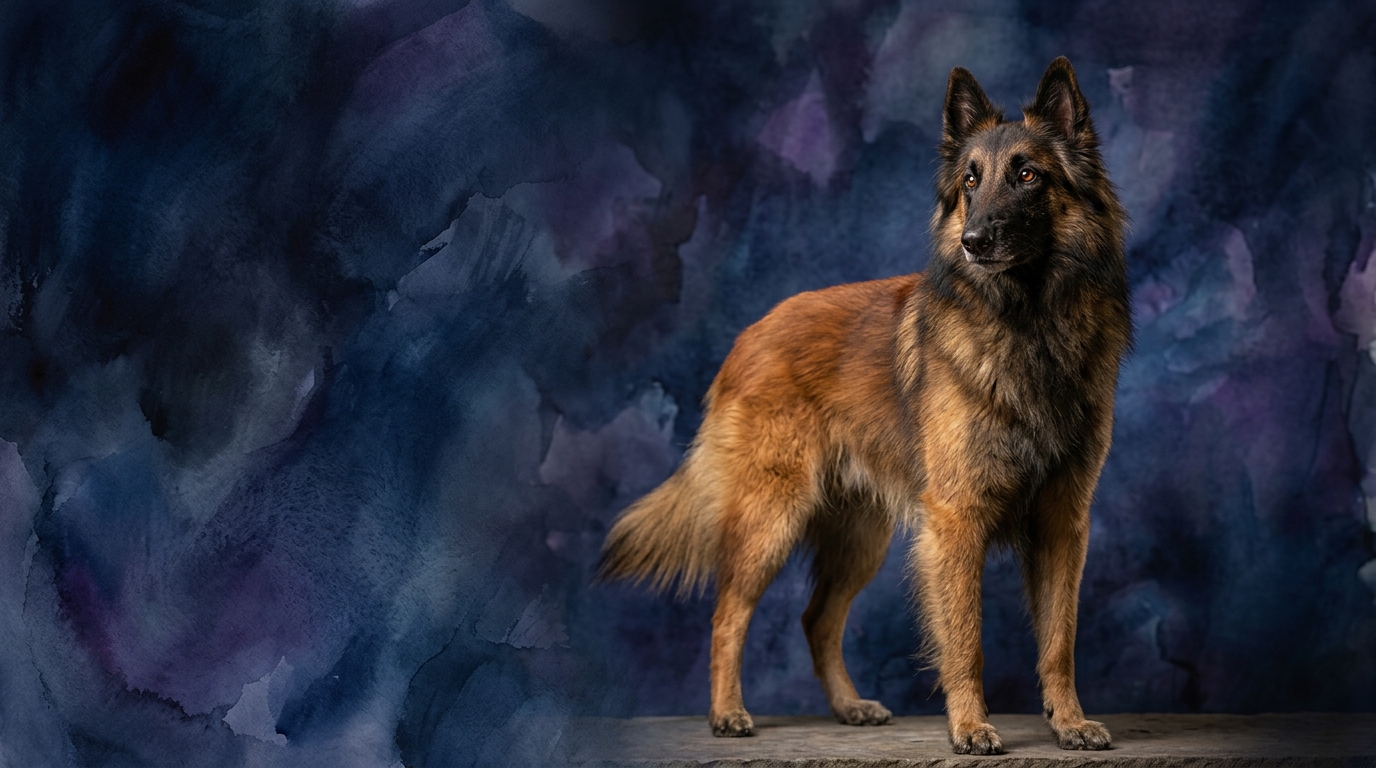
Side-by-Side IQ Profile: Miniature Schnauzer vs. Belgian Tervuren
Our Cosmic Pet Pet IQ Lab analysis provides a detailed look into the cognitive strengths of these two distinct breeds, offering a granular perspective on their mental attributes.
**Miniature Schnauzer (Terrier, Coren Rank #12):** This spirited terrier presents a balanced cognitive profile, reflecting its adaptable nature and historical roles. Their Problem Solving is rated at 4/5, indicating a robust capacity for figuring things out, often employing their terrier ingenuity to overcome obstacles with practical persistence. Training Speed is a perfect 5/5, as Miniature Schnauzers absorb new commands and routines with remarkable quickness, eager to engage and focus in structured learning environments. Their Social Intelligence scores 4/5, allowing them to read and respond effectively to human cues and household social dynamics, integrating well into family life. An Instinctive Drive of 4/5 is prominent, reflecting their historical role as vermin hunters and guardians, manifesting as keen alertness and a readiness to investigate. Lastly, their Memory is 4/5, demonstrating good retention of learned behaviors, commands, and experiences for consistent performance.
**Belgian Tervuren (Herding, Coren Rank #14):** The elegant Belgian Tervuren showcases a cognitive makeup geared towards high-level performance and intense focus. Their Problem Solving reaches an exceptional 5/5, indicating an aptitude for complex analysis, often devising multi-step solutions and adapting strategies from varied experiences. Training Speed, like the Schnauzer, is a perfect 5/5, as Tervurens grasp new concepts and commands almost instantaneously, driven by a desire for purposeful activity and intense focus. Social Intelligence is rated 3/5, suggesting a more reserved disposition, especially with strangers, prioritizing their inner circle and assigned tasks over broad engagement. Their Instinctive Drive is 3/5, present but often channeled into focused work and protective behaviors rather than a broad, indiscriminate drive, valuing a strong work ethic. A superior Memory of 5/5 means Tervurens retain vast amounts of information, from complex command sequences to environmental details, underpinning their ability to perform intricate routines with precision.
Where Miniature Schnauzer Wins Cognitively
The Miniature Schnauzer truly shines in its balanced blend of social adaptability and persistent, manageable drive, making its cognitive strengths particularly suited for integration into diverse family environments. While the Tervuren might edge it out in raw problem-solving complexity, the Schnauzer's 4/5 social intelligence rating indicates a more readily engaging and universally approachable disposition. They are quick to understand household rules and family dynamics, often integrating seamlessly into various social settings with appropriate socialization. This breed's instinctive drive, rated at 4/5, is channeled into a tenacious curiosity and a watchful guardianship, making them excellent alert systems without the intensity of a dedicated working dog. Their memory, also 4/5, supports their consistent recall of these social boundaries and learned behaviors, making them reliably polite companions. The Schnauzer's cognitive strengths lie in their practical application of intelligence within a domestic context, often showing a charming blend of independence and responsiveness. They are adept at navigating the nuances of family life, quickly learning who's who and what's expected, and applying their intelligence to maintain a harmonious household.
Where Belgian Tervuren Wins Cognitively
The Belgian Tervuren demonstrates a clear cognitive advantage in areas demanding intense focus, sophisticated reasoning, and exceptional recall, positioning it as a top performer in demanding roles. With a perfect 5/5 in problem-solving, Tervurens excel at tasks requiring multi-step thinking, strategic planning, and adapting to novel situations, often seen in advanced obedience, protection work, or search and rescue. Their memory, also rated 5/5, is a cornerstone of this capability, allowing them to retain complex sequences of commands and intricate spatial information over extended periods. This superior recall means they can perform elaborate routines with precision and consistency, making them formidable competitors in dog sports. While their social intelligence is rated lower at 3/5, this often translates to a focused devotion to their primary handler rather than a deficiency in general engagement. Their instinctive drive, at 3/5, is less about broad territory patrolling and more about channeling their energy into specific, purposeful tasks, reinforcing their aptitude for specialized roles. The Tervuren's cognitive profile is geared towards high-level performance and sustained mental engagement, thriving on intellectual challenges that push their boundaries.
Which is Easier to Train and Why
Both breeds share an exceptional 5/5 rating for training speed, indicating they absorb new information with remarkable quickness. However, "easier to train" encompasses more than just learning speed; it also involves motivation, consistency, and a breed's innate temperament influencing cooperation. The Miniature Schnauzer's 4/5 social intelligence and 4/5 instinctive drive, combined with its desire to please its family, often translate into a more straightforward training experience for the average owner. They are generally eager to engage with their human companions and respond well to positive reinforcement, quickly forming associations between actions and rewards. Their terrier tenacity means they can be persistent, but this is often manageable with consistent, clear guidance.
The Belgian Tervuren, while equally fast to learn, brings a different dynamic to training. Their intense focus and high drive mean they require more than just learning commands; they need a job, a purpose. Their lower social intelligence score (3/5) suggests they might be less universally eager to please and more selective in their engagement, demanding a handler who can consistently provide stimulating, structured work. A Tervuren owner must be prepared for a dog that learns quickly but also requires constant mental engagement to prevent boredom and potential behavioral issues. Therefore, while both learn fast, the Schnauzer is arguably "easier" for a broader range of owners due to its slightly more flexible and family-oriented cognitive application, whereas the Tervuren demands a dedicated, experienced trainer ready to harness its immense mental capacity.
Which Suits Active Owners vs. Relaxed Owners
The distinction between these two breeds regarding owner lifestyle is quite pronounced, driven by their differing cognitive demands and energy levels. The Belgian Tervuren, with its 5/5 problem-solving and memory, coupled with a drive for purposeful activity, is unequivocally suited for active owners. These dogs thrive when given a "job," whether it's advanced obedience, agility, herding, or protection sports. Their cognitive makeup demands consistent mental and physical challenges to prevent boredom and channel their intense focus productively. An owner who enjoys daily long runs, complex training sessions, and weekend adventures will find a Tervuren to be an ideal, dedicated partner. A relaxed owner, or one unable to provide significant daily engagement, would likely find a Tervuren overwhelming, as their unfulfilled mental and physical needs could manifest as destructive behaviors or anxious tendencies.
In contrast, the Miniature Schnauzer, while certainly energetic and enjoying activity, is a far more adaptable companion for owners with varying activity levels. Their 4/5 instinctive drive means they appreciate regular walks, play sessions, and mental puzzles, but they don't possess the same relentless need for intense, structured work as the Tervuren. Their 4/5 social intelligence allows them to be content snuggling on the couch after a good walk, making them suitable for owners who enjoy a balance of activity and quiet companionship. While they are not couch potatoes, their cognitive profile allows for more flexibility in daily routine, making them a better fit for relaxed owners who still commit to regular engagement but perhaps not elite-level dog sports.
The Verdict
Choose the Miniature Schnauzer if you seek a cognitively balanced companion with strong social aptitude, adaptable energy levels, and a practical application of intelligence within a family setting. They are excellent for owners desiring a quick-learning dog that integrates well into diverse lifestyles without demanding constant, high-intensity mental work.
Opt for the Belgian Tervuren if you are an experienced, active owner eager to engage in advanced training, dog sports, or working roles, and can consistently provide a high level of mental stimulation and physical exercise. They are the ideal partner for those who thrive on challenging their dog's exceptional problem-solving abilities and outstanding memory.
🧠 Find Your Pet's IQ Score
Our Pet IQ Lab assessment covers 25+ tests across 5 cognitive dimensions — personalized to your breed.
Take the Full IQ Test →Frequently Asked Questions
Does the Miniature Schnauzer's 4/5 problem-solving mean it struggles with complex tasks?
Not at all; a 4/5 rating indicates robust problem-solving skills, meaning they are quite capable of figuring out puzzles and navigating novel situations effectively. They may not devise multi-step solutions as readily as a Tervuren, but they are far from struggling with complexity. Their ingenuity is practical and persistent.
How does the Belgian Tervuren's 3/5 social intelligence impact family life?
A 3/5 social intelligence score for a Tervuren typically means they are reserved or discerning with strangers and may form primary bonds intensely with one or two individuals. Within their immediate family, they are devoted, but they might not be as overtly friendly or universally engaging as other breeds, requiring careful socialization.
Are both breeds suitable for first-time dog owners given their high training speed?
While both learn quickly, the Miniature Schnauzer is generally more forgiving for a first-time owner due to its balanced cognitive profile and slightly less demanding drive. The Belgian Tervuren, despite its training speed, requires a more experienced hand to channel its intense focus and prevent it from becoming overwhelming for novices.