Side-by-Side IQ Profile: Miniature Schnauzer vs. Border Terrier
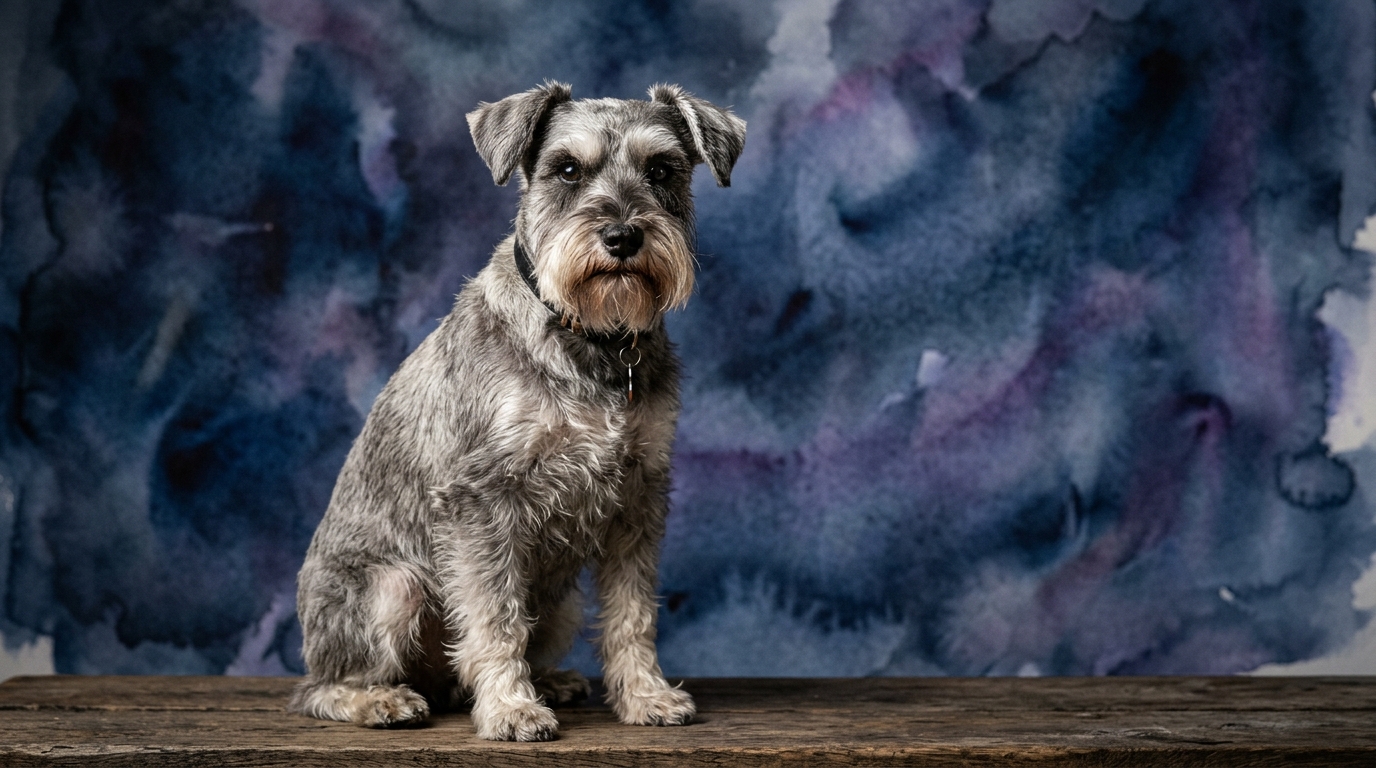
The Cosmic Pet Pet IQ Lab employs a five-dimensional framework to assess canine intelligence, offering a granular view beyond traditional rankings. For the Miniature Schnauzer, holding a commendable Coren rank of #12, this framework reveals a distinctly agile and socially attuned intellect. Their Problem Solving score of 4/5 indicates a keen ability to navigate novel situations and figure out solutions independently, showcasing an adaptable intellect. With an exceptional 5/5 in Training Speed, these dogs are exceptionally quick studies, absorbing new commands and routines with impressive efficiency, often appearing to anticipate their handler's next instruction. Their Social Intelligence, rated at 4/5, speaks to a strong aptitude for understanding human emotions and social cues, fostering deep bonds and harmonious household integration. An Instinctive Drive of 4/5 highlights their inherent terrier characteristics, including vigilance and a focused prey drive, which can be channeled into various activities. Finally, their Memory, also 4/5, ensures that learned behaviors and past experiences are retained effectively, contributing to their consistent performance.
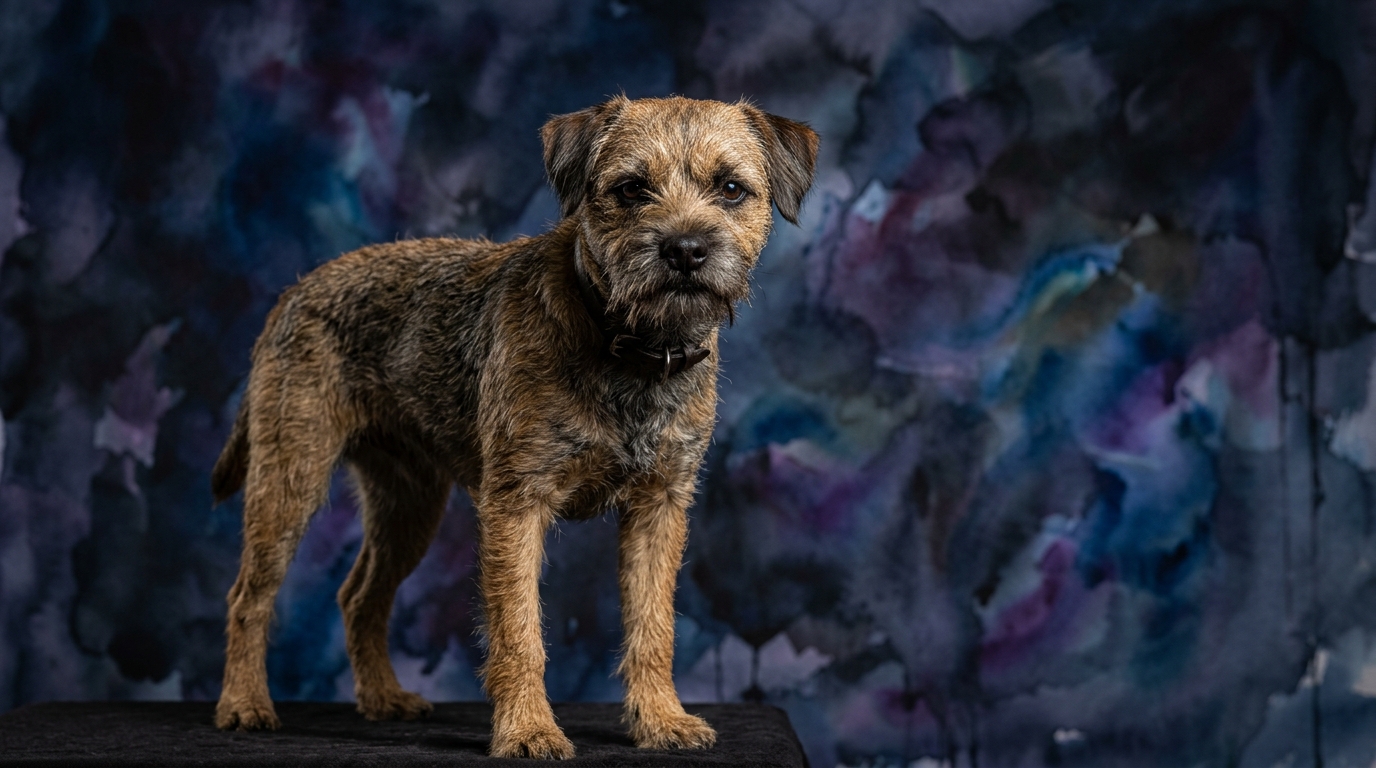
The Border Terrier, with a Coren rank of #30, presents a slightly different cognitive profile, emphasizing resilience and practical application rooted in their working heritage. Their Problem Solving ability, matching the Schnauzer at 4/5, underscores an independent and resourceful mind, adept at overcoming obstacles in real-world scenarios. A Training Speed of 4/5 signifies a rapid learning capacity, though they may require a bit more motivation or unique approaches to maintain focus compared to their Schnauzer counterparts. Their Social Intelligence, at 3/5, suggests a more independent nature; while they understand their human companions, they might be less overtly people-focused or demonstrative in their social interactions. An Instinctive Drive of 3/5 points to a persistent working drive, specifically tailored for their original purpose, which is potent but perhaps more singularly focused than the broader drives of the Schnauzer. Their Memory, at 4/5, ensures that their practical experiences and learned tasks are firmly embedded, supporting their ability to perform complex, multi-step routines.
Where the Miniature Schnauzer Wins Cognitively
The Miniature Schnauzer's cognitive strengths shine particularly brightly in areas emphasizing rapid assimilation and social synchronicity. Their unparalleled Training Speed of 5/5 means they often pick up new commands in fewer repetitions, making them highly responsive to formal obedience training, trick learning, or even complex dog sports like agility. This quick learning curve often translates into a more polished and consistent performance in structured environments, minimizing training frustration for both dog and owner. Furthermore, their superior Social Intelligence at 4/5 gives them an edge in understanding and responding to human emotional states and household dynamics. This cognitive nuance allows them to integrate seamlessly into family life, often anticipating needs or reacting appropriately to subtle cues from their owners, fostering a more intuitive and communicative relationship. The Schnauzer's higher Coren rank also reflects a broader adaptability to diverse learning tasks, suggesting a general cognitive flexibility that allows them to excel across a wider spectrum of intellectual challenges presented by human companions, making them particularly adept at adapting to varied human lifestyles and expectations.
Where the Border Terrier Wins Cognitively
While the Miniature Schnauzer excels in speed and social nuance, the Border Terrier's cognitive advantages lie in their robust independence and focused practicality, particularly in scenarios demanding self-reliance. Their Problem Solving score of 4/5, identical to the Schnauzer's, often manifests as a tenacious, independent approach to challenges, reflecting their history as working terriers who needed to think for themselves underground. This means they are less likely to rely solely on human direction and more prone to finding their own solutions to environmental puzzles, a valuable trait for adventurous owners who appreciate a dog that can hold its own. The Border Terrier's Instinctive Drive, rated 3/5, while numerically lower than the Schnauzer's, is often channeled with immense focus and grit towards specific tasks. This deep-seated drive, combined with their resilience, makes them exceptionally persistent in pursuits like scent work or earthdog trials, where an unwavering determination is paramount. Their slightly lower Social Intelligence, at 3/5, can also be a cognitive 'win' for owners who prefer a dog with a more self-possessed demeanor, one that is highly affectionate but perhaps less prone to demanding constant human attention or validation, fostering a relationship built on mutual respect for their individual space and independence.
Which Is Easier to Train and Why
When assessing ease of training, the Miniature Schnauzer generally presents a more straightforward path for most owners, primarily due to their superior Training Speed (5/5) and higher Social Intelligence (4/5). Miniature Schnauzers are typically eager to please and highly motivated by positive reinforcement, quickly connecting actions with rewards. Their ability to read human body language and vocal tones means they are often one step ahead, making complex command sequences or subtle hand signals easier for them to grasp. This responsiveness minimizes frustration for both dog and owner, leading to faster mastery of basic obedience and more advanced skills, and making them excellent candidates for competitive dog sports. In contrast, while the Border Terrier still learns quickly with a 4/5 Training Speed, their innate independence and strong working drive (3/5) mean they can sometimes be more opinionated or distracted by environmental stimuli. Training a Border Terrier often requires more creativity, consistency, and a strong understanding of their terrier nature to keep them engaged, channeling their drive effectively rather than trying to suppress it. Their slightly lower social intelligence might mean they are less inclined to perform purely for human approval, necessitating a training approach that leverages their inherent interests and problem-solving skills to maintain motivation and achieve desired outcomes, often requiring more patience and a tailored approach from their handler.
Which Suits Active Owners vs. Relaxed Owners
For owners seeking a companion that thrives on diverse activities and mental engagement, the Miniature Schnauzer is an excellent fit. Their high problem-solving ability (4/5) and exceptional training speed (5/5) mean they excel in dog sports like agility, obedience, and rally, making them ideal for active owners who enjoy structured activities and continuous learning. While they appreciate physical exercise, their mental stimulation needs are significant, making them suitable for owners who are prepared to teach new tricks or engage in puzzle toys even during downtime. They can adapt well to both apartment living, provided their mental and physical needs are met, and more spacious environments, making them versatile companions for a range of active lifestyles. Conversely, the Border Terrier is more suited to genuinely active and outdoors-oriented owners. Their robust build, endurance, and strong instinctive drive (3/5), rooted in their working heritage, demand consistent physical exercise and opportunities to explore. They are not dogs content with minimal walks; they thrive on long hikes, trail runs, and engaging in activities that tap into their natural prey drive, such as earthdog trials or extensive scent work. A more relaxed owner who cannot commit to rigorous daily exercise might find a Border Terrier challenging, as their pent-up energy can manifest in undesirable behaviors. Their independent nature also means they might be less inclined to be a 'lap dog' and more focused on their environment, making them a better match for owners who appreciate a dog with a strong sense of purpose and exploration rather than constant close physical proximity.
The Verdict
Choose the Miniature Schnauzer if you desire a highly trainable, socially perceptive companion eager to participate in diverse activities and form a deeply intuitive bond. They thrive with owners who enjoy structured learning and appreciate a dog that is keenly attuned to household dynamics.
Opt for the Border Terrier if you are an active, outdoorsy individual who values an independent, resilient companion with a strong working spirit. They suit owners prepared to engage their dog in adventurous physical pursuits and appreciate a self-reliant nature.
🧠 Find Your Pet's IQ Score
Our Pet IQ Lab assessment covers 25+ tests across 5 cognitive dimensions — personalized to your breed.
Take the Full IQ Test →Frequently Asked Questions
Are Miniature Schnauzers good with children?
Miniature Schnauzers, with their 4/5 social intelligence, are generally good with children, especially when properly socialized from a young age. Their playful nature and ability to understand social cues help them interact well, though supervision is always recommended with any dog and child to ensure positive interactions.
Do Border Terriers need a lot of grooming?
Border Terriers have a wiry, double coat that requires moderate grooming. Regular brushing and hand-stripping a few times a year are essential to maintain coat health and keep shedding to a minimum, ensuring their protective coat functions as intended without becoming matted or losing its texture.
Which breed is more prone to barking?
Both breeds, being terriers, can be prone to barking due to their alert nature and instinctive drives. Miniature Schnauzers, with their 4/5 instinctive drive and social intelligence, might bark as an alert or to communicate, while Border Terriers might bark more persistently when focused on a scent or perceived prey. Training from a young age is crucial for both to manage this behavior and teach appropriate vocalization.