Side-by-Side Cognitive Profile
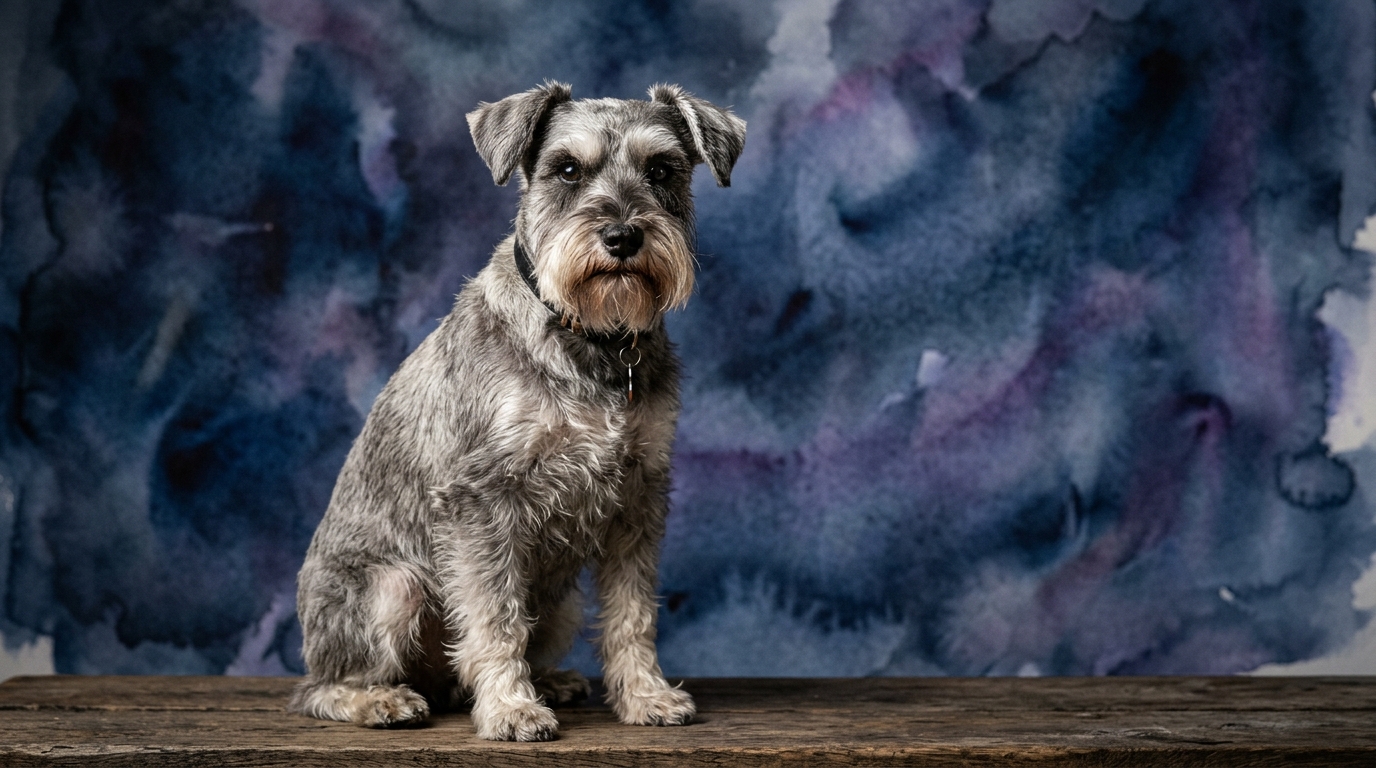
The Miniature Schnauzer, holding a Coren rank of #12, exhibits a cognitive profile reflecting its terrier heritage and adaptable nature. Their Problem Solving score of 4/5 indicates a strong capacity for independent thought and resourcefulness when encountering obstacles. Training Speed is a standout at 5/5, suggesting a breed that absorbs new commands and routines with impressive efficiency. Social Intelligence registers at 4/5, demonstrating a solid grasp of human cues and family dynamics. Their Instinctive Drive, also 4/5, points to a robust inclination for activities like chasing and alerting. Finally, Memory at 4/5 ensures that learned behaviors and established routines are retained effectively over time.
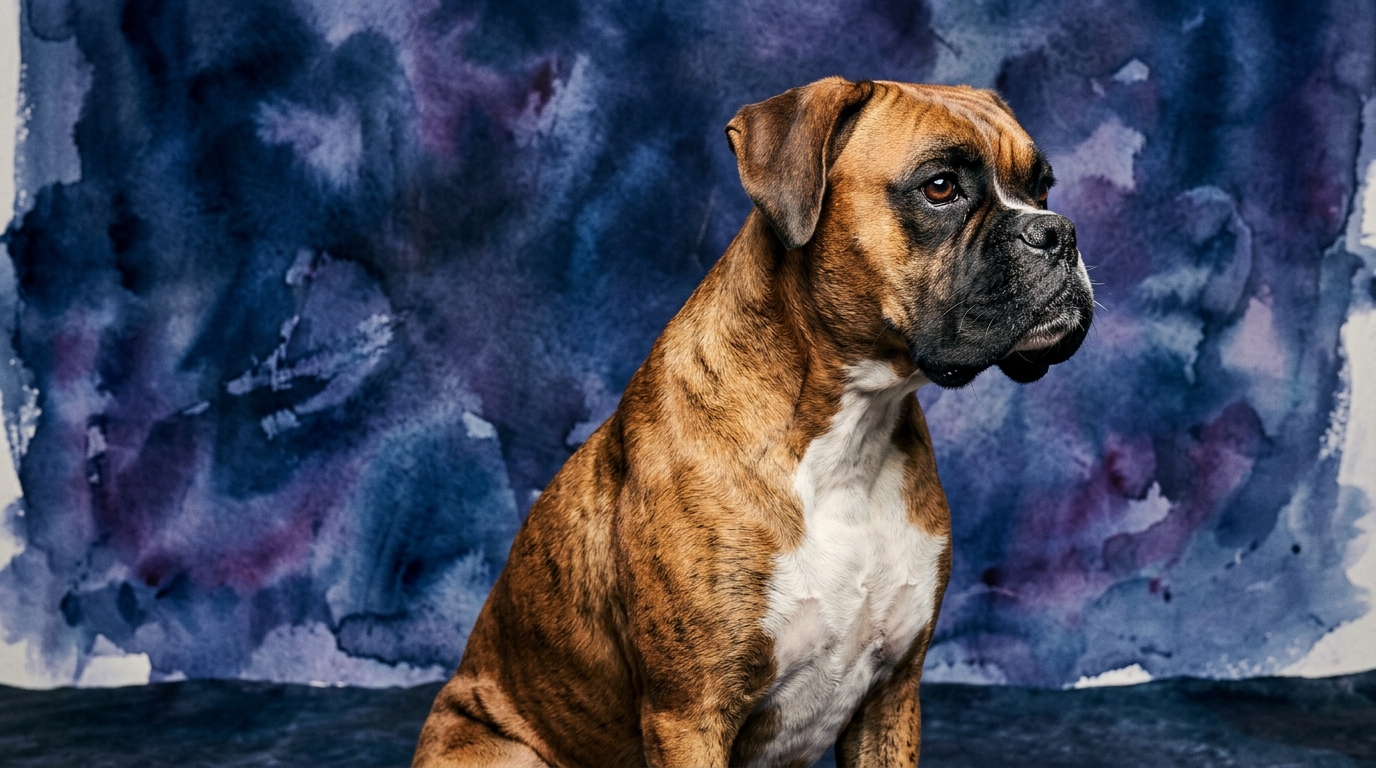
In contrast, the Boxer, ranked #48 by Coren, presents a different set of cognitive strengths. Their Problem Solving is rated at 3/5, indicating they may prefer guidance from their humans rather than consistently tackling complex puzzles alone. Training Speed also stands at 3/5, implying a more deliberate learning process that benefits from consistent repetition and patience. However, their Social Intelligence is exceptional, scoring a perfect 5/5, highlighting their profound ability to understand and respond to human emotions and interactions. The Boxer’s Instinctive Drive is strong at 4/5, often manifesting in enthusiastic play and protective behaviors. Their Memory score of 3/5 suggests functional recall, though perhaps not as consistently sharp as breeds with higher scores.
Where Miniature Schnauzer Excels Cognitively
The Miniature Schnauzer’s cognitive advantages are particularly evident in areas requiring swift learning and independent thought. Their exceptional training speed, rated at 5/5, means they assimilate new commands and complex sequences with remarkable quickness, often requiring fewer repetitions than many other breeds. This rapid information processing allows for more advanced training and the mastering of intricate tasks.
Furthermore, their 4/5 score in problem-solving highlights a proactive approach to challenges. A Miniature Schnauzer is more likely to assess a situation and devise a solution, such as figuring out how to retrieve a toy from a tight space or manipulating a latch. This self-reliance, coupled with their strong memory (4/5), means they not only learn quickly but also retain that knowledge, making them consistent performers once a skill is acquired. This combination fosters a dog that can engage in more intricate mental exercises and adapt readily to varied learning environments.
Where Boxer Excels Cognitively
The Boxer's preeminent cognitive strength lies in their profound social intelligence, achieving a perfect 5/5 score. This isn't merely about being friendly; it reflects an acute sensitivity to human emotions, intentions, and social dynamics. Boxers are often described as deeply empathetic, capable of sensing their owner's mood and responding with appropriate comfort or playful engagement. This makes them exceptional companions, highly attuned to the nuances of their human family's interactions.
While their instinctive drive (4/5) is shared with the Miniature Schnauzer, the Boxer often channels this energy into highly interactive, relationship-focused activities. Their drive is frequently expressed through vigorous play that strengthens the bond with their family, rather than through solitary pursuits. This breed thrives on connection, making them exceptionally responsive to social cues and valuing their human relationships above all else. Their cognitive architecture is geared towards fostering deep, communicative bonds.
Training Dynamics: Miniature Schnauzer vs. Boxer
When it comes to ease of training, the Miniature Schnauzer generally holds an advantage due to its superior training speed (5/5) and robust problem-solving abilities (4/5). They are eager students who quickly grasp new concepts and commands, often needing only a few repetitions before demonstrating proficiency. Their terrier tenacity, when channeled positively, translates into a focused and engaged learner, making them adept at obedience, agility, and even complex trick training. This breed responds well to clear, consistent instruction and enjoys the mental engagement of learning.
The Boxer, with a training speed of 3/5, typically requires a more patient and consistent approach. While they are highly socially intelligent (5/5) and possess a strong desire to please their human companions, their learning curve is more gradual. Boxers may take longer to process and internalize new commands, meaning owners should be prepared for more repetitions and shorter, engaging training sessions to maintain their focus. Their social nature means positive reinforcement, especially praise, play, and physical affection, is crucial for sustained motivation and effective learning, making training a bonding experience rather than a purely instructional one.
Matching Breeds to Lifestyles: Active vs. Relaxed Owners
Both breeds share a substantial instinctive drive (4/5), indicating a need for consistent mental and physical engagement, but how this translates to owner compatibility varies. The Miniature Schnauzer, with its terrier background, is well-suited for owners who appreciate a spirited, adaptable companion capable of diverse activities. They thrive with owners who can provide structured training, puzzle-solving opportunities, and regular outings to satisfy their innate curiosity and problem-solving drive. While active and alert, they are generally content to relax indoors once their daily needs for mental and physical stimulation are met, fitting well with owners who enjoy structured activities but also value quiet downtime.
The Boxer, while equally driven, expresses its energy through highly interactive play and companionship, making it an ideal match for active owners who genuinely enjoy physical engagement with their dog. Their exceptional social intelligence means they genuinely flourish when included in family activities, whether it's a vigorous game of fetch, a long hike, or simply being an integral part of daily household routines. For a truly relaxed owner seeking a low-maintenance companion, a Boxer might present a significant challenge; their strong need for consistent physical activity and deep social interaction can lead to boredom or destructive behaviors if under-stimulated. They require an owner who commits to being an active, hands-on participant in their daily life, providing both exercise and constant companionship.
The Verdict
Choose the Miniature Schnauzer if you desire a quick-learning companion who enjoys intellectual challenges and a structured routine, thriving on solving puzzles and mastering new commands. They are an excellent fit for owners who appreciate a spirited, adaptable dog that excels in focused training and can transition to a calm home life after engagement.
Opt for the Boxer if your lifestyle revolves around active, social engagement and you seek a deeply empathetic, playful companion who thrives on constant interaction and physical activity. They are ideal for owners who can dedicate significant time to joint activities and value a dog whose cognitive strength lies in understanding and responding to human connection.
🧠 Find Your Pet's IQ Score
Our Pet IQ Lab assessment covers 25+ tests across 5 cognitive dimensions — personalized to your breed.
Take the Full IQ Test →Frequently Asked Questions
Do Miniature Schnauzers need a lot of mental stimulation?
Yes, Miniature Schnauzers possess strong problem-solving skills (4/5) and a high instinctive drive (4/5), meaning they benefit greatly from mental challenges. Puzzle toys, training sessions, and varied environments keep their active minds engaged and prevent boredom-related behaviors.
Are Boxers difficult to train compared to other breeds?
Boxers have a training speed of 3/5, meaning they may require more patience and consistency than some faster-learning breeds. However, their exceptional social intelligence (5/5) means they are eager to please their owners, responding very well to positive reinforcement and engaging, consistent training methods.
Which breed is better for a family with children?
Both breeds can be good with children, but the Boxer's 5/5 social intelligence often makes them particularly attuned and patient with younger family members, forming strong, protective bonds. Miniature Schnauzers (4/5 social intelligence) are also good, but their terrier energy might require more supervision with very small children.