
Side-by-Side IQ Profile
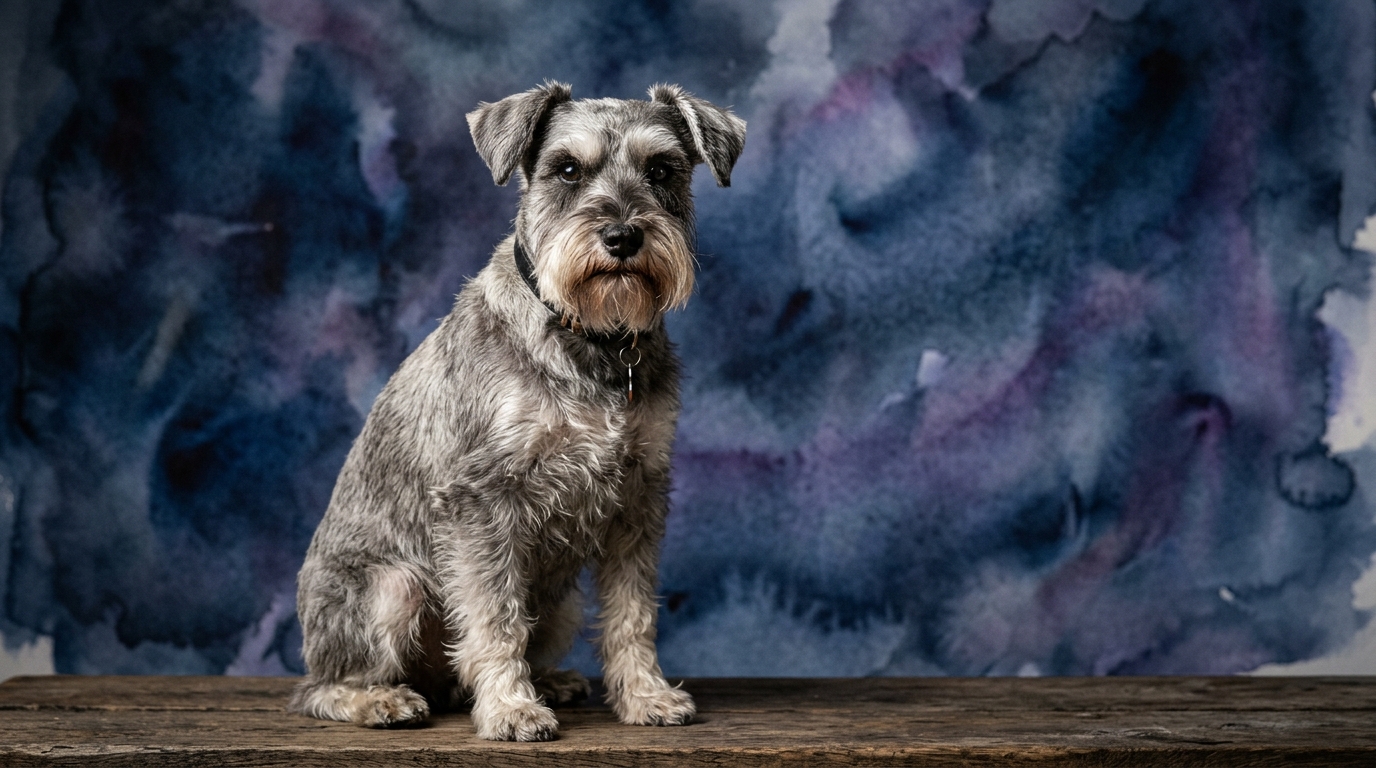
**Miniature Schnauzer (Terrier, Coren rank #12):** This breed’s cognitive makeup reflects its terrier heritage, designed for quick action and independent thought. Their Problem Solving (4/5) indicates a resourceful approach to challenges, often devising clever solutions. With a top-tier Training Speed (5/5), they grasp new commands with remarkable rapidity, eager to engage and learn. Their Social Intelligence (4/5) allows them to keenly read moods and adapt behavior, fostering strong family bonds. An Instinctive Drive (4/5) fuels their desire to chase, dig, and explore, needing constructive outlets. Finally, their Memory (4/5) is solid, retaining learned behaviors and routines effectively.
**Briard (Herding, Coren rank #30):** The Briard’s intellect is shaped by its herding and guarding roots, emphasizing independent decision-making and vigilance. Their Problem Solving (4/5) matches the Schnauzer, but often manifests as strategic, sustained effort in complex situations. A Training Speed of 4/5 means they are quick learners, though with a more deliberate, thoughtful processing style. Their Social Intelligence (3/5) suggests a reserved nature, forming deep bonds with their inner circle but being less overtly gregarious with strangers, prioritizing a protective stance. An Instinctive Drive (3/5) is channeled into a desire to gather and protect, needing a 'job.' Their Memory (4/5) is robust, crucial for recalling complex patterns and territory.
Where Miniature Schnauzer Wins Cognitively
The Miniature Schnauzer's cognitive strengths shine particularly in areas demanding quick uptake and social adaptability. Their top score in Training Speed (5/5 compared to the Briard's 4/5) means they typically acquire new commands with remarkable rapidity, often picking up on cues after just a few repetitions. This swift learning curve makes them highly responsive and a joy for those who appreciate seeing immediate results in training. Furthermore, their superior Social Intelligence (4/5 vs. 3/5) grants them a nuanced understanding of human emotions and social dynamics within a household. They are often more outwardly communicative and adept at integrating themselves into family life, making them perceptive companions who seem to anticipate their owner's needs or moods. This social acumen, combined with a robust Instinctive Drive (4/5 vs. 3/5), fuels their engagement with the world; they are eager to participate, explore, and apply their quick wits, whether to a puzzle toy or a training challenge. Their higher Coren rank (#12) further underscores their general working and obedience aptitude, suggesting a breed that excels in structured learning environments and can readily apply their cognitive skills to a variety of tasks.
Where Briard Wins Cognitively
While the Briard doesn't outwardly 'win' in terms of higher numerical scores in this direct comparison, their cognitive profile reveals a distinct type of intelligence, particularly in the realm of independent, practical application. With identical scores in Problem Solving (4/5) and Memory (4/5), the Briard demonstrates a robust capacity for analytical thought and retention, crucial for their historical role as guardians and herders. Their problem-solving isn't necessarily about speed, but often about strategic, sustained effort, reflecting their need to manage complex, dynamic situations with livestock. This can manifest as a deliberate, thoughtful approach to new challenges, where they might take a moment to assess before acting. Their Instinctive Drive (3/5), while numerically lower, is channeled into a deep-seated desire for purpose and protection, leading to a profound loyalty and a natural inclination to 'herd' or oversee their family. This drive, combined with strong memory, means they excel at tasks requiring consistency, vigilance, and the recall of complex sequences or boundaries. Their social intelligence, though rated 3/5, speaks to a selective, deep bonding style; they are often reserved with strangers but form incredibly strong, protective attachments to their inner circle, demonstrating a different, perhaps more profound, expression of social understanding centered on their guardian role.
Which is Easier to Train and Why
When considering ease of training, the Miniature Schnauzer generally presents a more straightforward path. Their exceptional Training Speed (5/5) means they are quick studies, often grasping new commands with fewer repetitions than many other breeds. This rapid uptake is often coupled with a keen desire to please their primary human, making them highly responsive to positive reinforcement. Their robust Social Intelligence (4/5) also plays a role, as they are adept at reading their trainer's cues and intentions, fostering a smoother communication flow. However, their terrier independence and strong Instinctive Drive (4/5) mean that while they learn quickly, consistency is key to managing their sometimes mischievous or stubborn streaks. The Briard, with a Training Speed of 4/5, is certainly capable of learning but might require a more patient and nuanced approach. Their herding background instills a desire for understanding the 'why' behind a command, rather than simply obeying. They are thinkers, and while they absorb information well, they might process it more deliberately. Their lower Social Intelligence (3/5) can mean they are less overtly motivated by social praise from a wide range of people, preferring to work with their trusted guardian. Training a Briard often benefits from variety and engagement that appeals to their desire for a 'job,' rather than repetitive drills, to prevent boredom and leverage their strong problem-solving and memory skills.
Which Suits Active Owners vs Relaxed Owners
Neither the Miniature Schnauzer nor the Briard are truly suited for a "relaxed owner" in the sense of minimal engagement; both breeds thrive on interaction and purpose. However, their activity needs differ in scale and intensity. The Miniature Schnauzer, despite its smaller size, is a robust and energetic terrier with an Instinctive Drive of 4/5. They require regular, engaging exercise, including walks, playtime, and mental stimulation through puzzle toys or training sessions. Their quick wits and higher social intelligence mean they need an owner who can consistently provide intellectual challenges and varied activities to prevent boredom and channel their innate drive. They are excellent companions for active individuals or families who enjoy daily outings and structured play. The Briard, being a large working breed, demands a significantly more active lifestyle. Their Herding background, even with an Instinctive Drive of 3/5, dictates a need for substantial physical exercise—long walks, hikes, or even canine sports like agility or herding trials. They also require consistent mental engagement to satisfy their problem-solving nature and prevent them from devising their own, potentially less desirable, forms of entertainment. An owner who is genuinely active, enjoys outdoor pursuits, and is committed to providing consistent physical and mental outlets will find the Briard to be an incredibly rewarding companion.
The Verdict
Choose the Miniature Schnauzer if you desire a highly responsive, quick-learning companion who thrives on social interaction and consistent, engaging training, fitting well into an active family life.
Opt for the Briard if you are an experienced, very active owner seeking a thoughtful, loyal guardian who excels in independent problem-solving and requires a significant commitment to physical exercise and purposeful mental engagement.
🧠 Find Your Pet's IQ Score
Our Pet IQ Lab assessment covers 25+ tests across 5 cognitive dimensions — personalized to your breed.
Take the Full IQ Test →Frequently Asked Questions
Do Miniature Schnauzers get along with other pets due to their social intelligence?
Miniature Schnauzers, with a social intelligence of 4/5, generally adapt well to other pets, especially when socialized from a young age. Their perceptive nature allows them to read other animals' cues, though their terrier prey drive may require careful introductions with smaller, non-canine pets.
How does the Briard's herding instinct influence its daily behavior?
The Briard's instinctive drive (3/5) translates into a natural desire to gather and protect, influencing them to keep their family members 'together' or to be vigilant guardians of their home. This can manifest as gentle nudging or watchful patrolling, requiring an owner to provide appropriate outlets for this protective nature.
Are both breeds suitable for first-time dog owners?
The Miniature Schnauzer, with its high training speed and social intelligence, can be a good fit for dedicated first-time owners willing to commit to consistent training and socialization. The Briard, due to its size, strength, and strong guardian instincts, is generally better suited for experienced owners who understand working breeds and can provide firm, consistent leadership and extensive socialization.