Side-by-Side IQ Profile: Miniature Schnauzer vs. Bulldog (English)
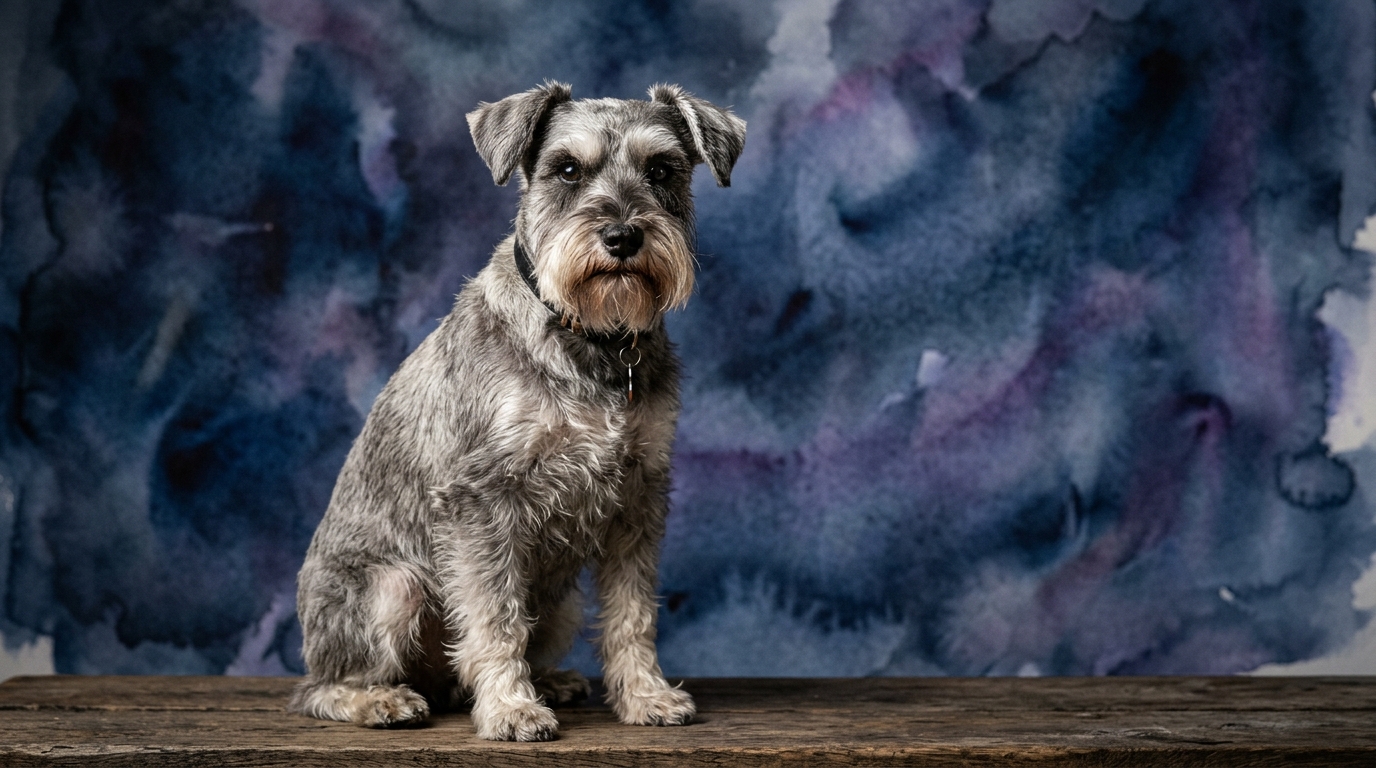
The Miniature Schnauzer, originating from Germany, presents a cognitive profile indicative of its terrier heritage, scoring a Coren rank of #12. Our Pet IQ Lab metrics show its problem-solving capacity at 4/5, reflecting a strong aptitude for independent thought and figuring out novel challenges. Its training speed is exceptional at 5/5, suggesting a quick grasp of new commands and a keen desire to engage in learning activities. Social intelligence for the Miniature Schnauzer stands at 4/5, indicating an ability to read human cues and adapt behavior within a family unit. Instinctive drive, rated 4/5, points to a robust internal motivation, often manifesting as a strong prey drive or a persistent nature in tasks. Finally, its memory is rated 4/5, meaning it retains learned behaviors and routines with notable consistency.
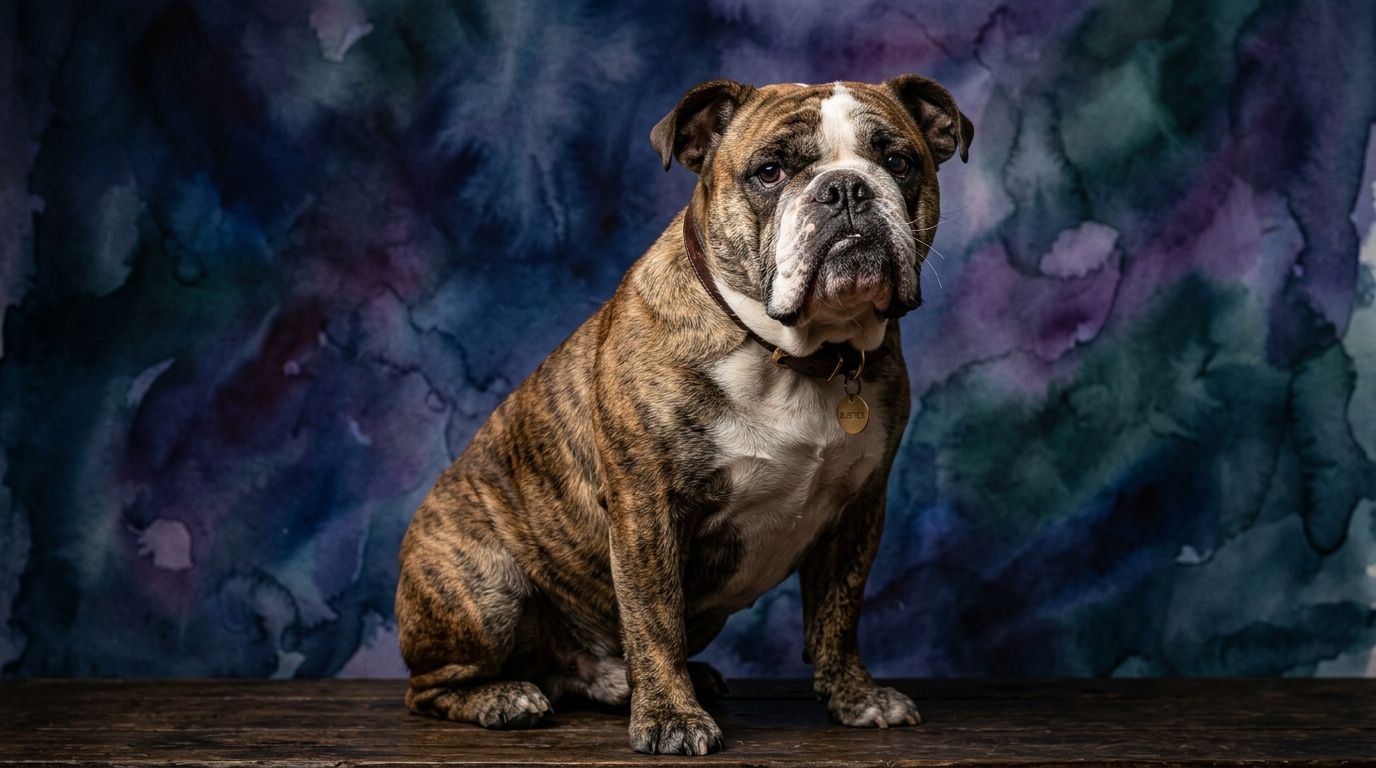
In contrast, the Bulldog (English), with its British origins, occupies a Coren rank of #77, presenting a more specialized cognitive architecture. Its problem-solving ability is rated 2/5, suggesting it may approach complex, multi-step puzzles or novel situations with less spontaneous initiative, often preferring simpler, more direct solutions. Training speed for the Bulldog is 2/5, indicating that while capable of learning, it may require more repetition and patience to master new commands or behaviors. Interestingly, its social intelligence matches the Schnauzer at 4/5, highlighting a strong capacity for bonding and understanding social dynamics within its human family. The instinctive drive for the Bulldog is 3/5, a moderate score reflecting a less intense internal motivation compared to some working breeds, often leaning towards comfort and companionship. Its memory is rated 2/5, implying that while it remembers routines and familiar faces, recall for less frequently practiced commands or specific events might be less immediate or require more reinforcement.
Where the Miniature Schnauzer Wins Cognitively
The Miniature Schnauzer clearly excels in several cognitive domains when placed alongside the Bulldog. Its superior problem-solving score of 4/5 compared to the Bulldog's 2/5 means a Schnauzer is far more likely to independently figure out how to open a gate, retrieve a hidden toy, or navigate a complex obstacle course. This translates into a dog that enjoys mental challenges and can often surprise owners with its ingenuity in overcoming perceived barriers.
Furthermore, the Schnauzer's training speed, a perfect 5/5, is a significant advantage. This breed absorbs new commands rapidly, often requiring fewer repetitions to solidify a behavior. This makes them highly responsive to advanced obedience training, agility, or even complex trick learning. Their instinctive drive (4/5) also contributes to this, providing a persistent focus on tasks, whether it’s tracking a scent or mastering a new skill. Finally, their 4/5 memory score ensures that once a lesson is learned, it tends to stick, leading to more consistent performance over time compared to the Bulldog's 2/5 memory, which might necessitate more frequent refreshers.
Where the Bulldog (English) Demonstrates Unique Strengths
While the Bulldog may not match the Miniature Schnauzer in domains like problem-solving or training speed, its cognitive profile shines brightly in its social intelligence, scoring an equal 4/5. This metric is paramount for a companion animal, signifying a profound capacity for emotional connection and understanding human moods. A Bulldog's social acumen allows it to be incredibly attuned to its family's emotional state, often offering comfort or companionship precisely when needed, even without explicit cues.
This strong social intelligence, combined with a more moderate instinctive drive (3/5), results in a dog that is typically calm, tolerant, and exceptionally good-natured within a family setting. While not driven by the same intense curiosity or need for mental stimulation as the Schnauzer, the Bulldog's cognitive strengths lie in its ability to integrate seamlessly into a relaxed home environment, providing unwavering affection and a stable presence. Its lower scores in other areas often mean less propensity for independent mischief or a constant demand for high-intensity mental engagement, making it a uniquely serene and empathetic companion.
Which Is Easier to Train and Why?
Based on The Cosmic Pet IQ Lab metrics, the Miniature Schnauzer is unequivocally easier to train than the Bulldog (English). The Schnauzer's training speed of 5/5 is a clear indicator of its rapid learning curve, meaning it grasps new commands and concepts with minimal repetition. This is bolstered by its 4/5 problem-solving ability, allowing it to understand the 'why' behind a command or to generalize learned behaviors to new contexts more readily. Their strong instinctive drive (4/5) also provides a natural eagerness to engage and perform, often driven by a desire to work alongside their human.
In contrast, the Bulldog's training speed is 2/5, signifying that it requires more patience and consistent, positive reinforcement to learn new behaviors. Their 2/5 problem-solving score means they might not spontaneously figure out what's expected as quickly, preferring clear, repetitive instructions. While Bulldogs are capable of learning, their more relaxed nature and moderate instinctive drive (3/5) mean they are less inclined to offer behaviors rapidly or to sustain focus for extended, complex training sessions. They are not stubborn in a malicious sense, but rather possess a placid demeanor that prioritizes comfort over constant mental exertion, making training a slower, more deliberate process focused on building positive associations.
Which Suits Active Owners vs. Relaxed Owners
For active owners seeking a canine partner for adventures and consistent mental engagement, the Miniature Schnauzer is the more fitting choice. Their 4/5 problem-solving ability and 4/5 instinctive drive mean they thrive on activities like agility, obedience trials, Earthdog events, or even long, stimulating hikes. They possess the cognitive tools and internal motivation to excel in structured training and outdoor exploration, constantly seeking new challenges and opportunities to utilize their sharp minds. An owner who enjoys teaching new tricks, engaging in puzzle games, or participating in dog sports will find the Schnauzer's cognitive profile highly rewarding, as they are dogs that genuinely enjoy having a 'job' to do.
Conversely, relaxed owners who prioritize a calm, affectionate presence over high-energy activities will find the Bulldog (English) to be an ideal match. With a more moderate instinctive drive (3/5) and lower problem-solving (2/5) and training speed (2/5) scores, Bulldogs are content with a less demanding daily routine. Their exceptional social intelligence (4/5) makes them superb companions, valuing close proximity and quiet companionship over vigorous mental or physical exertion. Owners who appreciate a dog that is happy to lounge on the sofa, enjoy short, leisurely strolls, and provide unwavering loyalty without constant demands for stimulation will find the Bulldog's cognitive and behavioral traits perfectly aligned with their lifestyle.
The Verdict
Choose the Miniature Schnauzer if you are an active owner seeking a mentally agile, highly trainable companion eager for consistent engagement in training, sports, or problem-solving activities.
Opt for the Bulldog (English) if you are a relaxed owner desiring a calm, affectionate, and socially intelligent companion who thrives on quiet companionship and a more leisurely pace of life.
🧠 Find Your Pet's IQ Score
Our Pet IQ Lab assessment covers 25+ tests across 5 cognitive dimensions — personalized to your breed.
Take the Full IQ Test →Frequently Asked Questions
Does the Bulldog's lower IQ scores mean it can't learn?
Absolutely not. The Bulldog's lower scores in problem-solving and training speed simply mean it may learn at a different pace and require more repetition than the Miniature Schnauzer. They are perfectly capable of mastering basic commands and house rules with consistent, positive reinforcement.
Is the Miniature Schnauzer too energetic for a first-time owner?
While Miniature Schnauzers possess significant energy and a sharp mind, their high training speed and responsiveness make them manageable for dedicated first-time owners. They do require consistent mental and physical stimulation to prevent boredom, which can manifest as undesirable behaviors.
How does social intelligence manifest differently in these two breeds?
For the Miniature Schnauzer, social intelligence often combines with their drive to create an engaged, responsive companion eager to participate in family activities. For the Bulldog, it manifests as a deep, empathetic connection and a calm, tolerant presence, making them superb at simply 'being there' for their human family.