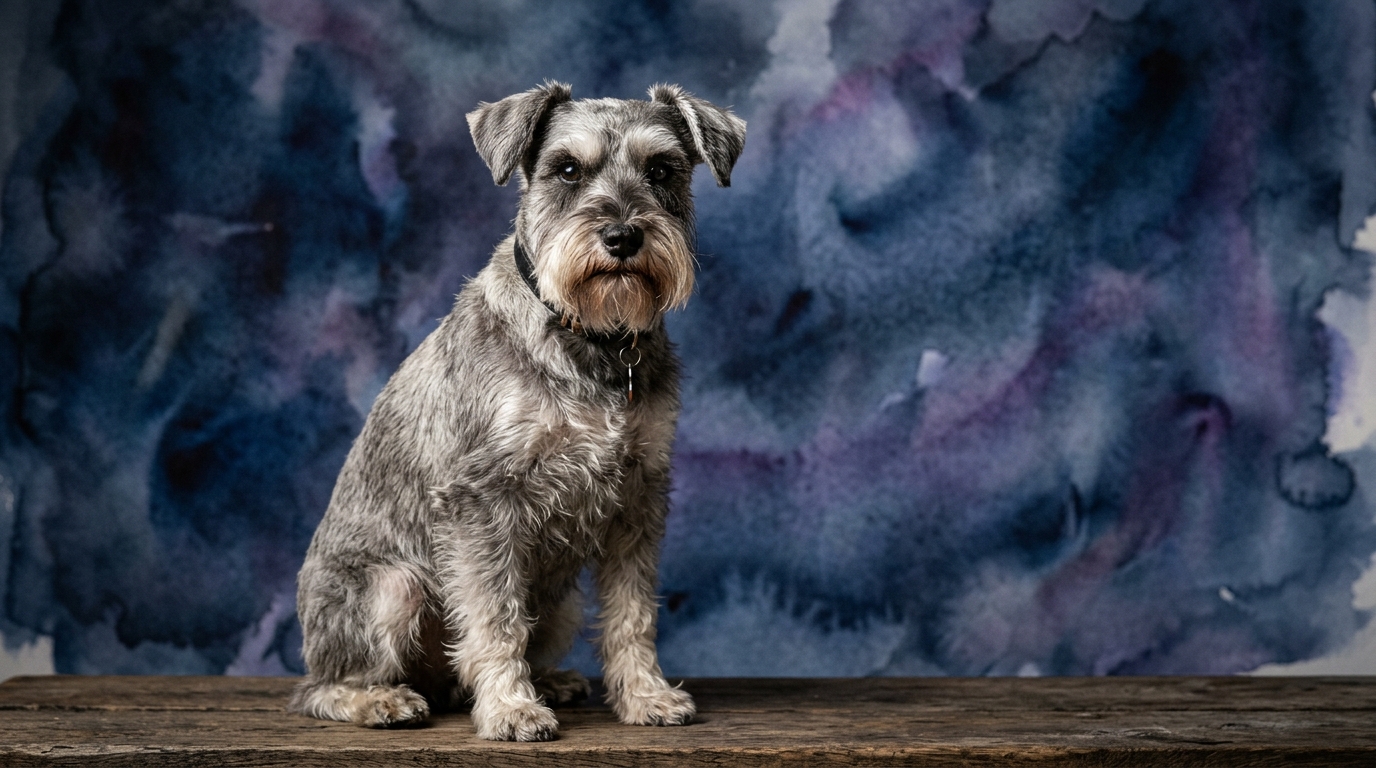
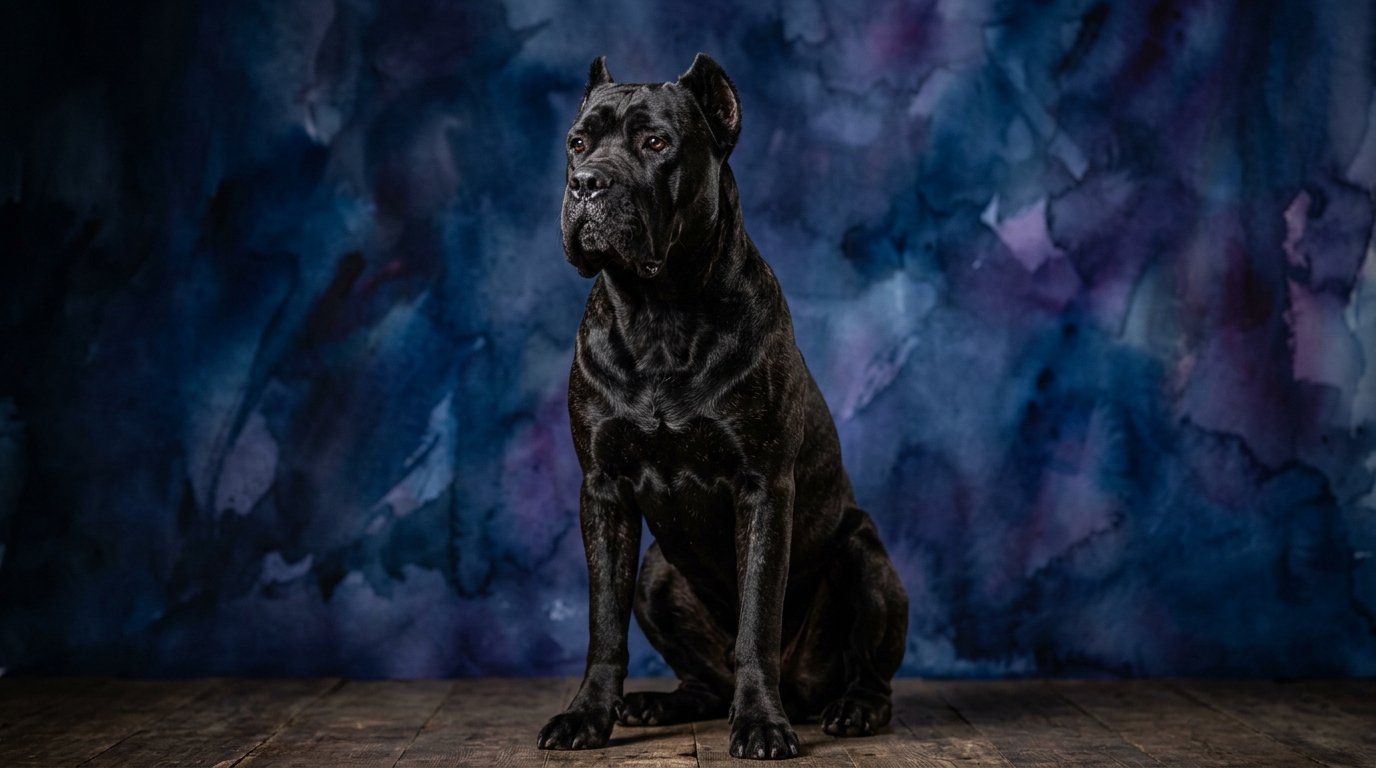
Side-by-Side Cognitive Profiles: Miniature Schnauzer vs. Cane Corso
The Cosmic Pet Pet IQ Lab categorizes canine intelligence across five key dimensions, offering a nuanced view beyond simple obedience. Let's examine how these two distinct breeds measure up.
**Miniature Schnauzer:** This breed holds a Coren ranking of #12, placing them among breeds that respond readily to instruction and learn quickly. Their cognitive scores reflect this aptitude across the board. *Problem Solving (4/5):* These compact dogs exhibit a keen ability to navigate complex situations, often figuring out how to open gates, retrieve hidden toys, or manipulate household items with methodical persistence. Their terrier roots give them a tenacious drive to investigate and overcome obstacles, making them adept at puzzle toys and quickly understanding the sequence of routines. *Training Speed (5/5):* Learning new commands comes almost effortlessly to Miniature Schnauzers. Their eagerness to please and quick grasp of concepts mean they often pick up new behaviors in very few repetitions, typically mastering a new command in 5-15 trials, making them highly responsive to consistent positive reinforcement. *Social Intelligence (4/5):* Miniature Schnauzers are typically adept at reading human cues, understanding emotional states, and adapting their behavior accordingly. They form strong, discerning bonds and quickly understand household dynamics, often anticipating owner intentions and reacting appropriately to social interactions within their family unit, sometimes even attempting to 'herd' family members. *Instinctive Drive (4/5):* The breed retains a strong terrier instinct for chasing small prey, exploring, and digging, often manifesting as a diligent pursuit of perceived 'vermin' or a determined excavation project in the garden. This inherent drive, while sometimes presenting management challenges, also fuels their focused engagement in activities that tap into these natural inclinations, such as earthdog trials or scent work. *Memory (4/5):* Their recall for commands, routines, and even specific people or places is robust. A Miniature Schnauzer will generally remember past training sessions, the location of favored items, and who is a friend or stranger, demonstrating a consistent retention of learned information over extended periods.
**Cane Corso:** This breed is not Coren-ranked, which is common for many working breeds whose primary cognitive strengths might not align perfectly with Coren's obedience-focused methodology, which prioritizes rapid, generalized command acquisition. *Problem Solving (3/5):* Cane Corsos approach challenges with a more measured, practical intelligence, often relying on their physical presence and a deliberate assessment of their environment rather than quick, intricate maneuvers. Their problem-solving is often geared towards their guardian role, such as assessing the safety of their territory, evaluating potential threats, or navigating complex physical spaces with purpose. *Training Speed (3/5):* While certainly capable of learning, Cane Corsos require more repetition, clear motivation, and a firm, consistent approach. They are not as quick to pick up novel commands as some breeds, often needing 25-40 repetitions to grasp a new behavior, but once a behavior is learned and understood, it is deeply ingrained and reliably performed. *Social Intelligence (3/5):* These dogs possess a nuanced understanding of their family unit and potential outsiders. They are perceptive of emotional states within their trusted circle and are keenly aware of unfamiliar presences or perceived threats, displaying a protective social awareness that prioritizes security over general eagerness to engage with everyone. They are masters of subtle observation. *Instinctive Drive (3/5):* Their primary drive is guardianship and protection, manifesting as a strong territorial instinct, an innate wariness of strangers, and a watchful demeanor over their human companions. This drive is less about chasing small animals and more about monitoring their surroundings and ensuring the safety of their family, making them alert, attentive, and formidable protectors. *Memory (3/5):* Cane Corsos exhibit good memory for important routines, people, and boundaries. They remember their training, especially tasks related to their protective duties, and retain knowledge of their environment, including who belongs and who doesn't. This memory is practical and enduring, crucial for their role.
Where the Miniature Schnauzer Excels Cognitively
The Miniature Schnauzer truly shines in areas demanding rapid assimilation of new information and agile mental processing, making them a captivating partner for a variety of pursuits. Their exceptional training speed (5/5) means they can master a wide repertoire of commands, tricks, and complex sequences with minimal repetition, making them a joy for advanced obedience, rally, or canine sports like agility. Furthermore, their problem-solving acumen (4/5) allows them to creatively tackle new puzzles, whether it's figuring out a complex treat dispenser, navigating a novel obstacle course, or even devising strategies to get what they want. This breed also demonstrates a more readily apparent social intelligence (4/5), often effortlessly picking up on human emotional states, understanding subtle cues, and adapting their interactions, leading to a highly responsive and communicative companion. Their memory (4/5) is robust, ensuring that once a lesson is learned or a routine established, it sticks, contributing to their consistent performance and reliability in learned behaviors, making them dependable in their daily interactions and training.
Where the Cane Corso's Cognition Stands Out
While the Cane Corso might not match the Schnauzer's quick pace in learning arbitrary commands, its cognitive strengths lie in areas directly tied to its protective heritage and environmental assessment, showcasing a different kind of mental prowess. This breed excels in sustained focus and a methodical approach to understanding its territory and the safety of its family. Their social intelligence (3/5) is profoundly geared towards discerning intentions and identifying potential threats, offering a deep, watchful awareness of their surroundings rather than broad social engagement. This means they are often adept at picking up on subtle changes in demeanor or environment that others might miss. The Cane Corso's instinctive drive (3/5) is a powerful asset in its role as a guardian, manifesting as an unwavering dedication to its duties and an ability to accurately assess and respond to perceived dangers within its environment with calm deliberation. Their memory (3/5), while perhaps not focused on a vast array of tricks, is exceptionally strong for critical information: remembering boundaries, identifying 'safe' and 'unsafe' individuals, and recalling their protective training with unwavering consistency, making them steadfast and dependable in their primary role as a family protector.
Ease of Training: Behavioral Differences
Based on their respective cognitive profiles, the Miniature Schnauzer generally presents as the easier breed to train for a wide range of obedience and companion tasks, particularly for novice owners. Their superior training speed (5/5) means they grasp new concepts quickly, often requiring fewer repetitions and responding enthusiastically to positive reinforcement and engaging training methods. A Miniature Schnauzer’s natural eagerness to engage and problem-solve (4/5) translates into a dog that actively participates in training sessions, often trying to anticipate the next command and exhibiting a spirited willingness to learn. This makes the initial stages of training, from basic manners to more complex tricks, a relatively smooth and rewarding experience. In contrast, the Cane Corso, with a training speed of 3/5, requires more patience, unwavering consistency, and a clear understanding of their motivations. They are not as inherently driven by the novelty of learning varied commands, instead responding best to training that is purposeful, establishes a clear leadership dynamic, and respects their independent, often stoic nature. While both breeds are undoubtedly capable of learning and becoming well-behaved companions, the Schnauzer’s quick uptake and enthusiastic engagement typically make the training journey feel more fluid and less demanding for the average owner seeking rapid results.
Matching Canine Cognition to Owner Lifestyle
For owners seeking a highly interactive companion eager to engage in diverse activities and mental gymnastics, the Miniature Schnauzer is an excellent fit. Their cognitive agility and strong instinctive drive (4/5) for engagement make them suitable for active individuals who enjoy dog sports like agility, obedience, rally, or even advanced trick training. They thrive on consistent mental stimulation that challenges their problem-solving abilities and rewards their quick learning, requiring owners who are prepared to provide this regular intellectual outlet. A relaxed owner who cannot commit to daily mental enrichment might find their persistent curiosity and need for engagement a bit overwhelming without proper outlets, potentially leading to boredom-induced behaviors. The Cane Corso, on the other hand, suits owners who appreciate a more deliberate, watchful, and deeply loyal presence. While they require consistent physical exercise and mental engagement related to their guarding instincts and structured training, their cognitive profile leans towards a steady, focused temperament rather than constant high-energy interaction. They excel with experienced owners who can provide clear structure, consistent boundaries, and appreciate a calm, protective companion that is alert but not constantly seeking novel, fast-paced activities. Their loyalty and territorial awareness make them ideal for those seeking a dedicated guardian and a formidable, yet composed, family member, rather than a dog for competitive, high-speed sports.
The Verdict
Choose a Miniature Schnauzer if you desire a quick-witted, highly trainable companion eager for varied mental challenges and active engagement in family life. They thrive with owners who appreciate their responsive nature and enjoy consistent, interactive training.
Opt for a Cane Corso if you seek a steadfast, protective guardian with a deep loyalty and a more deliberate approach to learning, who benefits from clear structure and purposeful engagement. They are best suited for experienced owners who can meet their substantial physical and mental needs.
🧠 Find Your Pet's IQ Score
Our Pet IQ Lab assessment covers 25+ tests across 5 cognitive dimensions — personalized to your breed.
Take the Full IQ Test →Frequently Asked Questions
Is a Miniature Schnauzer difficult to manage due to its terrier instincts?
While Miniature Schnauzers possess a strong instinctive drive (4/5) for chasing and exploring, this can be channeled positively through structured play, training, and puzzle toys. Consistent training and early socialization are key to managing these natural behaviors effectively, turning potential challenges into engaging activities.
Do Cane Corsos require extensive training despite their '3/5' training speed?
Yes, Cane Corsos absolutely require extensive, consistent training and socialization from a young age. Their '3/5' training speed means they need more repetition and a firm, fair hand, but their capacity for deep learning and memory (3/5) ensures well-learned commands become ingrained, which is crucial for such a powerful guardian breed.
How does Coren ranking relate to the IQ scores given for these breeds?
Coren ranking primarily measures 'working and obedience intelligence,' focusing on how quickly a dog learns new commands. The Miniature Schnauzer's #12 rank aligns with its high training speed (5/5), while the Cane Corso, not Coren-ranked, might possess strengths in other cognitive areas not fully captured by that specific metric, such as its guardian-focused social intelligence and instinctive drive.