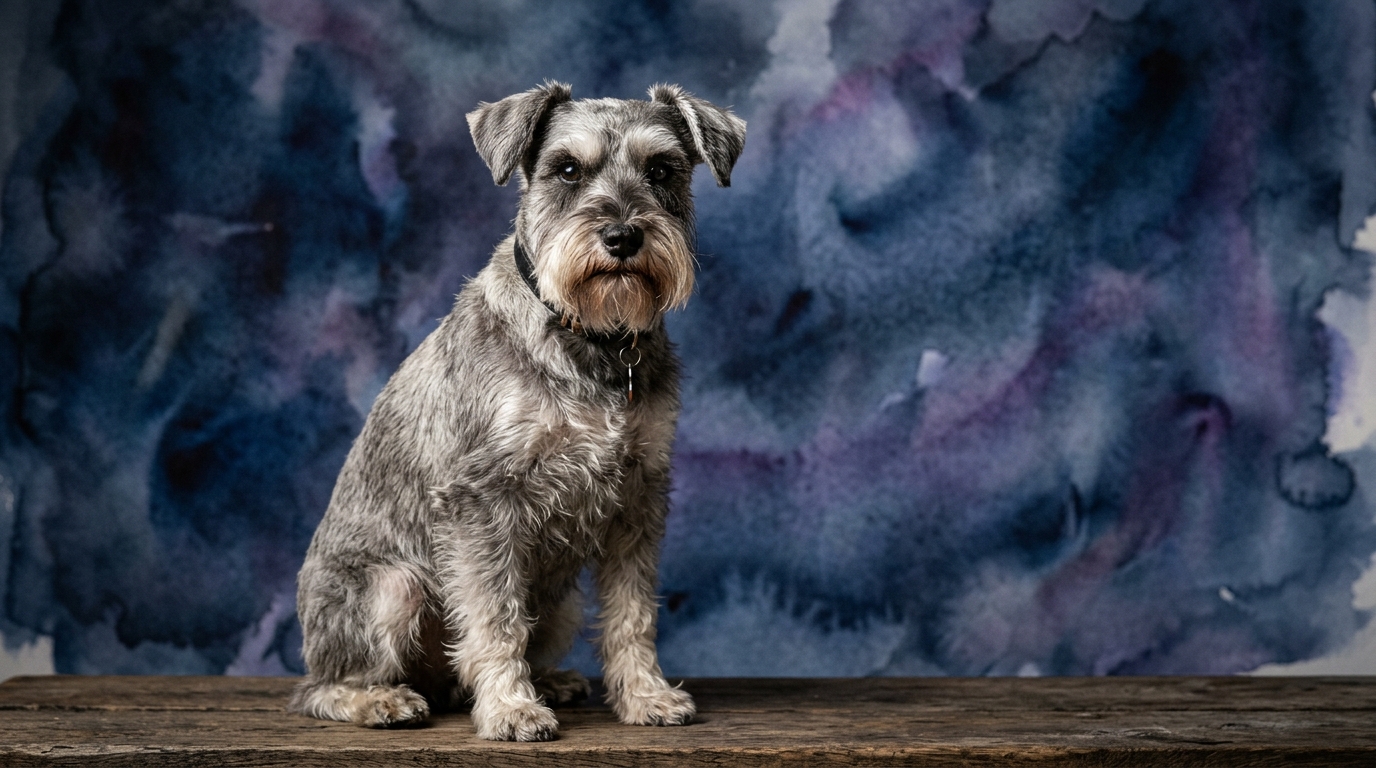
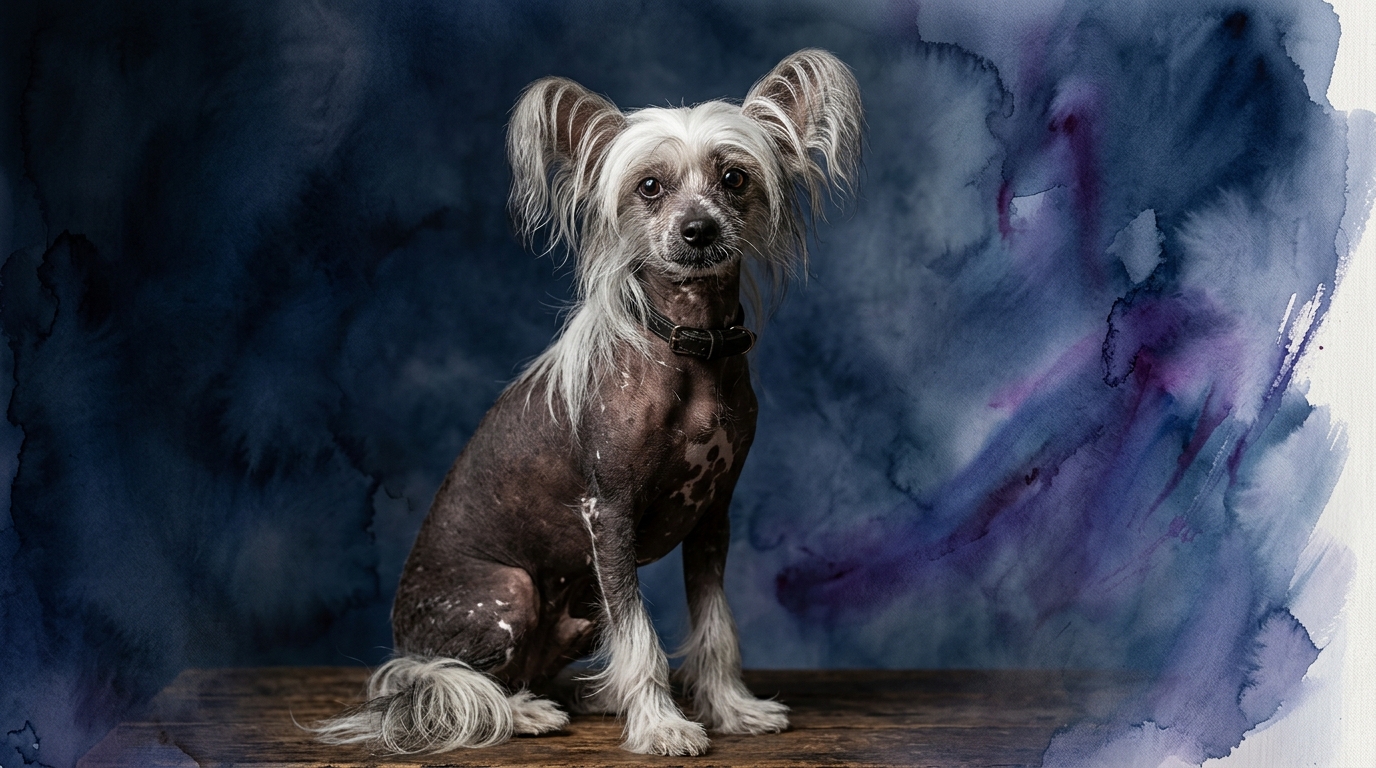
Side-by-Side Cognitive Profile
The Cosmic Pet Pet IQ Lab employs a five-dimensional framework to assess canine intelligence, offering a nuanced view beyond simple obedience. Here's how the Miniature Schnauzer and Chinese Crested compare across these critical cognitive areas:
Miniature Schnauzer
Problem Solving (4/5): This breed exhibits a strong capacity for independent thought, often excelling at puzzles or devising creative solutions to reach desired outcomes. Their terrier heritage provides a persistent, investigative approach to challenges.
Training Speed (5/5): Miniature Schnauzers absorb new commands with remarkable swiftness, often requiring minimal repetitions. Their eagerness to engage and sharp focus make them highly receptive students.
Social Intelligence (4/5): These dogs are adept at reading human cues and adapting their behavior, forming perceptive bonds with their families. They interpret subtle shifts in tone and body language for nuanced interactions.
Instinctive Drive (4/5): Rooted in their ratting past, they possess a robust prey drive and a keen sense of purpose, whether tracking a scent or guarding territory. This inherent motivation fuels engagement in task-oriented activities.
Memory (4/5): Miniature Schnauzers exhibit solid memory for learned commands, routines, and specific people over long periods. They recall training consistently, contributing to reliable behavior.
Chinese Crested
Problem Solving (3/5): Chinese Cresteds possess a moderate ability to navigate novel situations, often relying on learned patterns or human guidance. They may take longer to independently devise new solutions compared to more investigative breeds.
Training Speed (3/5): This breed learns at a steady pace, requiring consistent positive reinforcement and patience to master new commands. They are responsive when the learning environment is supportive.
Social Intelligence (3/5): Chinese Cresteds are sensitive and attuned to their immediate family's emotions, forming deep, affectionate connections. Their social understanding is focused within their close circle.
Instinctive Drive (3/5): Primarily companions, Chinese Cresteds typically exhibit a moderate instinctive drive, expressed through a desire for comfort and companionship. Their natural inclinations are less about working tasks.
Memory (3/5): Chinese Cresteds demonstrate functional memory for established routines and familiar people, retaining basic commands. Their recall might not be as robust for intricate sequences as breeds with higher memory scores.
Where the Miniature Schnauzer Excels Cognitively
The Miniature Schnauzer consistently surpasses the Chinese Crested in practical problem-solving and rapid learning. Their Coren rank of #12 highlights their ability to grasp and apply new concepts quickly. A Miniature Schnauzer often independently strategizes how to open a treat puzzle or navigate an unfamiliar obstacle course, leveraging their intrinsic curiosity and terrier tenacity. Their superior problem-solving score of 4/5 means they approach novel challenges with a methodical, investigative spirit, rarely becoming flustered. The training speed, a perfect 5/5, reflects their ability to form strong associations between commands and actions with minimal repetition. Owners frequently note how quickly Miniature Schnauzers “get it,” mastering complex agility sequences or household rules almost immediately. This rapid acquisition is fueled by their sharp focus and eagerness for structured learning. Additionally, their instinctive drive (4/5) provides powerful internal motivation for task-oriented learning, making them highly responsive to training that taps into their historical purpose. Their memory (4/5) ensures concepts are retained with impressive longevity, contributing to their reliability.
Where the Chinese Crested Shows Unique Cognitive Strengths
While the Chinese Crested may not match the Schnauzer's high scores in all cognitive dimensions, their unique strengths lie in emotional sensitivity and adaptable companionship. Their social intelligence, rated at 3/5, combined with their affectionate disposition, enables them to form deep, intuitive bonds with primary caregivers. They excel at emotional support, often sensing and responding to subtle shifts in human mood with remarkable empathy, prioritizing connection over complex task performance. Their moderate instinctive drive (3/5) means they are less driven by external stimuli like prey or territory, resulting in a calmer, more content presence in a home focused on companionship. This lower drive minimizes independent, potentially disruptive behaviors. While their problem-solving and training speed are moderate, their gentle nature and strong desire for human approval make them cooperative in low-pressure learning environments. They may not learn quickly, but their willingness to please, coupled with their sensitivity, allows them to absorb routines effectively with patient, positive reinforcement. Their memory (3/5) is perfectly adequate for essential household rules and commands, ensuring they are reliable companions within established routines.
Training Aptitude: Miniature Schnauzer vs. Chinese Crested
The Miniature Schnauzer presents a distinctly easier training experience due to its superior training speed (5/5) and problem-solving aptitude (4/5). They grasp new commands with exceptional rapidity, often needing only a few repetitions, supported by strong focus and an eagerness for structured activities. A Schnauzer quickly connects verbal cues with actions, driven by their inherent work ethic, and can independently generalize learned behaviors. In contrast, the Chinese Crested, with a training speed of 3/5, requires a more patient and consistent approach. They may need more repetitions and highly motivating rewards to solidify behaviors, thriving best in fun, low-stress environments due to their sensitivity. The Schnauzer's robust instinctive drive (4/5) further facilitates training, as they are internally motivated by tasks and challenges, making them receptive to goal-oriented learning like agility. The Crested's moderate instinctive drive (3/5) means their motivation centers more on comfort and companionship, necessitating training methods focused on positive reinforcement and close interaction.
Lifestyle Match: Active vs. Relaxed Owners
For active owners seeking a canine partner for adventures and structured activities, the Miniature Schnauzer is the more suitable choice. Their robust instinctive drive (4/5) and problem-solving aptitude (4/5) make them eager participants in hiking, agility, or competitive obedience. They thrive on mental and physical stimulation, enjoying challenges that engage their sharp minds and energetic bodies. An owner who provides regular, vigorous walks, puzzle toys, and consistent training will find a Miniature Schnauzer a willing, enthusiastic companion. Conversely, the Chinese Crested aligns more harmoniously with relaxed owners who prioritize companionship, comfort, and gentle interaction. Their moderate instinctive drive (3/5) means they are generally content with moderate daily exercise, like leisurely strolls and indoor play. These dogs excel as lap companions, enjoying quiet evenings and close proximity. Owners preferring a calm home environment and a deeply affectionate, low-key companion will find the Chinese Crested an ideal match.
The Verdict
Opt for the Miniature Schnauzer if you desire a sharp, quick-witted companion eager for training challenges, outdoor adventures, and a dog that thrives on engaging its problem-solving abilities.
Select the Chinese Crested if your lifestyle leans towards relaxed companionship, valuing a gentle, affectionate dog that excels at providing emotional comfort within a calm home environment.
🧠 Find Your Pet's IQ Score
Our Pet IQ Lab assessment covers 25+ tests across 5 cognitive dimensions — personalized to your breed.
Take the Full IQ Test →Frequently Asked Questions
Do Miniature Schnauzers bark a lot?
Miniature Schnauzers can be prone to barking due to their alert, territorial nature and strong instinctive drive, often acting as diligent watchdogs. Consistent early training focused on appropriate barking behavior can help manage this tendency.
Are Chinese Cresteds good with children?
Chinese Cresteds can be good with older, respectful children who understand how to interact gently with a delicate dog, given their sensitive nature. Supervision is always recommended to ensure positive interactions for both the dog and the child.
What kind of mental stimulation do Miniature Schnauzers need?
Miniature Schnauzers require regular mental stimulation through puzzle toys, obedience training, learning new tricks, and engaging in scent work or agility to satisfy their strong problem-solving skills and prevent boredom.