Side-by-Side Cognitive Profiles
The Cosmic Pet Pet IQ Lab employs a five-dimensional framework to assess canine intelligence, providing a granular view of each breed's mental aptitudes. Let's examine how the Miniature Schnauzer and the Rough Collie measure up.
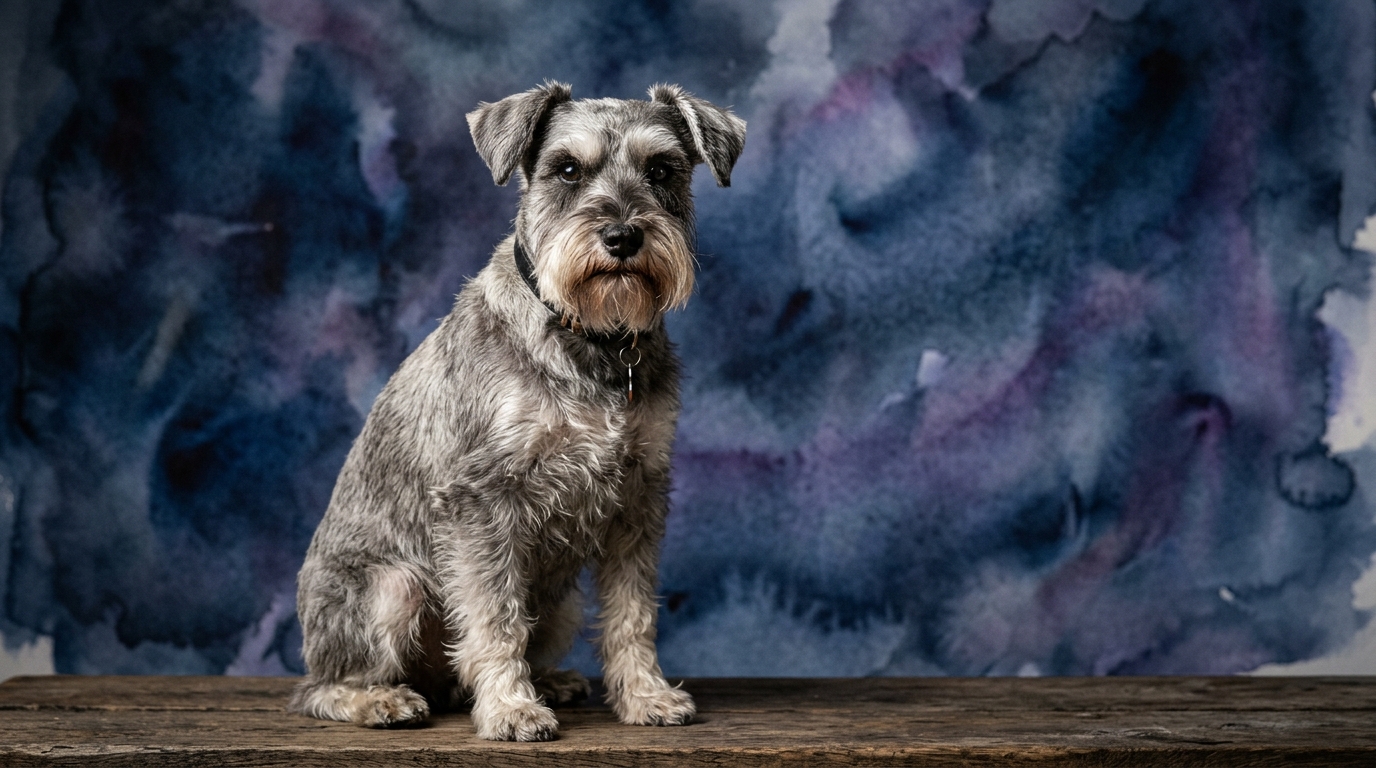
**Miniature Schnauzer (Terrier, Coren rank #12)**: This breed showcases a robust cognitive makeup. Their Problem Solving is rated 4/5, indicating an adeptness at navigating complex scenarios and figuring out how to achieve desired outcomes, often involving manipulating objects or finding shortcuts. Training Speed is exceptional at 5/5, reflecting an immediate grasp of new commands and routines, coupled with a strong desire to engage with human instruction. Social Intelligence scores 4/5, suggesting a keen awareness of human cues and emotional states, allowing them to adjust behavior based on social context. An Instinctive Drive of 4/5 points to a pronounced terrier heritage, manifesting as strong vigilance and persistence when pursuing a goal. Finally, Memory is 4/5, demonstrating solid recall for learned behaviors, specific locations, and past interactions, aiding in consistent performance.
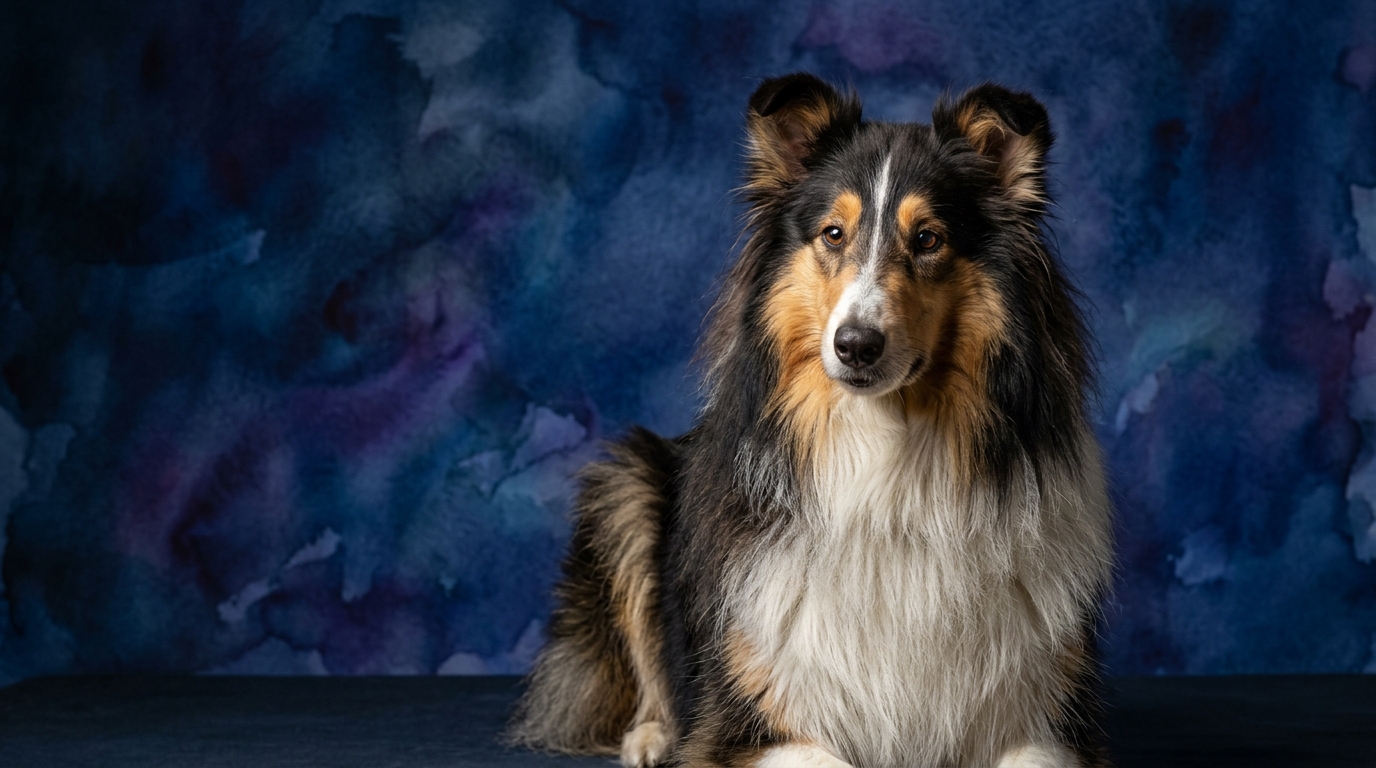
**Collie (Rough) (Herding, Coren rank #16)**: The Rough Collie presents a distinct cognitive profile shaped by its herding legacy. Their Problem Solving is also 4/5, indicating a capacity for logical deduction and strategic thinking, particularly in tasks related to spatial reasoning or managing groups. Training Speed is 4/5, meaning they learn new commands proficiently, responding well to consistent, positive reinforcement, building skills steadily. Social Intelligence is 3/5; they understand human intentions but might be slightly less attuned to subtle social nuances compared to the Schnauzer, often focusing on family loyalty. An Instinctive Drive of 3/5 is present, often manifesting as a desire to keep their 'flock' (family) together, rather than a forceful prey drive. Their standout trait is Memory, rated 5/5, signifying an outstanding ability to recall vast amounts of information, including routines, past experiences, and detailed environmental specifics.
Where the Miniature Schnauzer Wins Cognitively
The Miniature Schnauzer demonstrates clear cognitive advantages in several key areas. Their Training Speed, rated 5/5 compared to the Collie's 4/5, is a significant differentiator. This isn't merely about quick obedience; it reflects a rapid cognitive processing of cause-and-effect in training scenarios, coupled with an inherent eagerness to please that streamlines the learning curve. Their terrier tenacity often translates into highly focused engagement during training sessions, making them exceptionally receptive to instruction.
In Social Intelligence, the Schnauzer's 4/5 rating surpasses the Collie's 3/5. While both breeds form strong bonds, the Miniature Schnauzer often displays a more nuanced understanding of human social cues. They might be quicker to pick up on subtle mood shifts, anticipate owner actions, or even 'read the room' in social gatherings, adjusting their behavior accordingly. This contributes to their adaptable nature in various social settings and their ability to integrate seamlessly into diverse family dynamics.
The Schnauzer's higher Instinctive Drive (4/5 versus 3/5) also presents a cognitive edge in certain contexts. This reflects a more pronounced persistence and determination in pursuing goals. Whether it's digging out a perceived pest, mastering a complex puzzle toy, or excelling in a dog sport, their cognitive engine is often running with a robust, self-directed purpose, demonstrating a strong will to achieve. This drive, when channeled appropriately, can make them formidable competitors and enthusiastic participants in mentally stimulating activities.
Where the Collie (Rough) Wins Cognitively
The Rough Collie's most prominent cognitive strength lies in its Memory, earning a perfect 5/5 compared to the Schnauzer's 4/5. This exceptional capacity allows them to retain complex sequences, elaborate routines, and detailed environmental information over extended periods. This superior recall means a Collie is less likely to forget learned behaviors and can navigate familiar spaces or tasks with remarkable accuracy, making them highly dependable once trained. Their ability to remember intricate details contributes significantly to their reliability and consistency in daily life.
While both breeds score 4/5 in Problem Solving, the *nature* of their problem-solving might differ, with Collies often excelling in spatial reasoning and understanding complex systems, a clear legacy of their herding role. They can mentally map out solutions to challenges that require foresight and sequential steps, often demonstrating a calm, methodical approach. This cognitive style is particularly valuable in tasks requiring careful planning and execution, such as navigating an agility course or managing a group of animals.
Their strong memory and steady training speed combine to make them incredibly reliable companions. Once a behavior is learned, a Collie is highly consistent, which is a cognitive advantage for owners seeking predictable responses and steadfast adherence to routines. This steadfastness, rooted in their cognitive makeup, makes them incredibly trustworthy in established patterns and expectations.
Ease of Training: Schnauzer's Zest vs. Collie's Consistency
When considering ease of training, the Miniature Schnauzer generally appears to learn faster in terms of initial command acquisition, thanks to their 5/5 training speed. Their quick uptake and eagerness to engage make early training sessions feel highly productive; they rapidly associate commands with actions and rewards, often requiring fewer repetitions to solidify a new behavior. However, their strong instinctive drive and independent terrier spirit mean that while they learn fast, consistent reinforcement, clear boundaries, and engaging methods are crucial to prevent their persistence from turning into stubbornness or selective hearing.
The Collie (Rough), with a 4/5 training speed, learns proficiently but might take a few more repetitions to master a new skill. Their true strength lies in retention, with a 5/5 memory. Once a Collie learns something, they remember it, making them incredibly reliable in the long term. Training a Collie is a steady, building process where consistency compounds over time, leading to deeply ingrained behaviors. Their lower instinctive drive (3/5) means they are generally less prone to independent 'freelancing' driven by strong prey instincts, making them more amenable to following established rules once understood. Therefore, while the Schnauzer might show faster initial progress, the Collie often demonstrates greater long-term consistency and adherence to training, requiring less re-training over time.
Matching Breeds to Lifestyles: Active vs. Relaxed Owners
The Miniature Schnauzer, with its 4/5 instinctive drive and robust energy levels, is often a better match for active owners. They thrive on structured activities that engage both their body and their mind, such as agility, obedience trials, or long, varied walks that allow them to explore and use their problem-solving skills. Owners who enjoy frequent, stimulating outings and can channel their Schnauzer's inherent persistence and curiosity will find a rewarding partnership. Their higher social intelligence also means they enjoy being involved in family activities and are often eager to participate in whatever their humans are doing.
The Collie (Rough) generally suits more relaxed owners, or those who prefer consistent, predictable companionship over high-octane activity. While they still require regular exercise to maintain physical and mental well-being, their lower instinctive drive and more composed demeanor mean they are often content with moderate daily walks and ample family time. Their exceptional memory makes them reliable in established routines, fitting well into a household that values calm predictability. They are often less demanding of constant novel stimulation, preferring familiar comforts and the steady presence of their loved ones.
The Verdict
Opt for a Miniature Schnauzer if you desire a quick-learning, socially perceptive companion eager for engaging activities and capable of independent thought, provided you can channel their spirited drive.
Select a Collie (Rough) if you value a highly reliable, consistent companion with exceptional memory and a calm demeanor, suited for a family environment with steady routines.
🧠 Find Your Pet's IQ Score
Our Pet IQ Lab assessment covers 25+ tests across 5 cognitive dimensions — personalized to your breed.
Take the Full IQ Test →Frequently Asked Questions
Are Miniature Schnauzers good at dog sports?
Yes, their high training speed, problem-solving ability, and strong instinctive drive make them excel in various dog sports like agility, obedience, and earthdog trials. They enjoy the mental and physical challenge these activities provide, thriving on the engagement.
Do Rough Collies have separation anxiety?
Collies are deeply attached to their families, and while not inherently prone to separation anxiety more than other breeds, their social intelligence (3/5) means they thrive on companionship and can develop anxiety if left alone excessively. Consistent routines and gradual desensitization are key to preventing distress.
Which breed is better with children?
Both breeds can be excellent with children, but their approaches differ. Miniature Schnauzers are often playful and robust playmates, while Rough Collies are typically gentle, patient, and protective, often acting as watchful guardians over their 'flock' of children, making them very reliable family companions.