Side-by-Side Cognitive Profiles
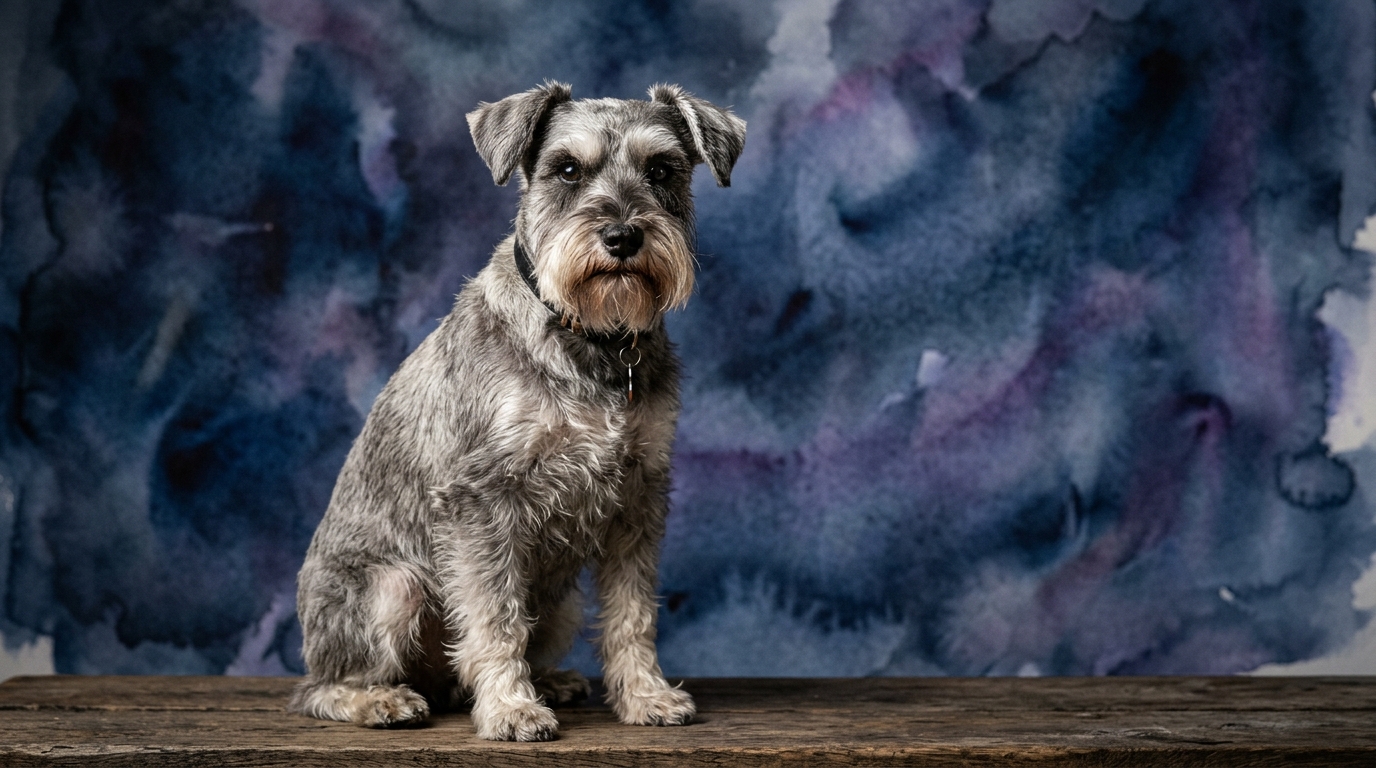
The Cosmic Pet Pet IQ Lab employs a multi-dimensional approach to assess canine intelligence, moving beyond simple obedience to encompass a fuller spectrum of cognitive abilities. For the Miniature Schnauzer, a Terrier breed ranking #12 on the Coren scale, we observe a robust intellectual makeup. Their Problem Solving is rated 4/5, indicating a clever capacity to navigate challenges and figure out solutions, though perhaps not always with the most abstract reasoning. Training Speed is an exceptional 5/5, reflecting their eagerness and quickness to grasp new commands and routines. Social Intelligence, at 4/5, suggests a keen awareness of human cues and strong emotional attunement, fostering deep bonds. An Instinctive Drive of 4/5 speaks to their inherent terrier traits, including a persistent hunting instinct and vigilant watchfulness, while their Memory, also 4/5, allows them to retain a significant repertoire of learned behaviors and experiences.
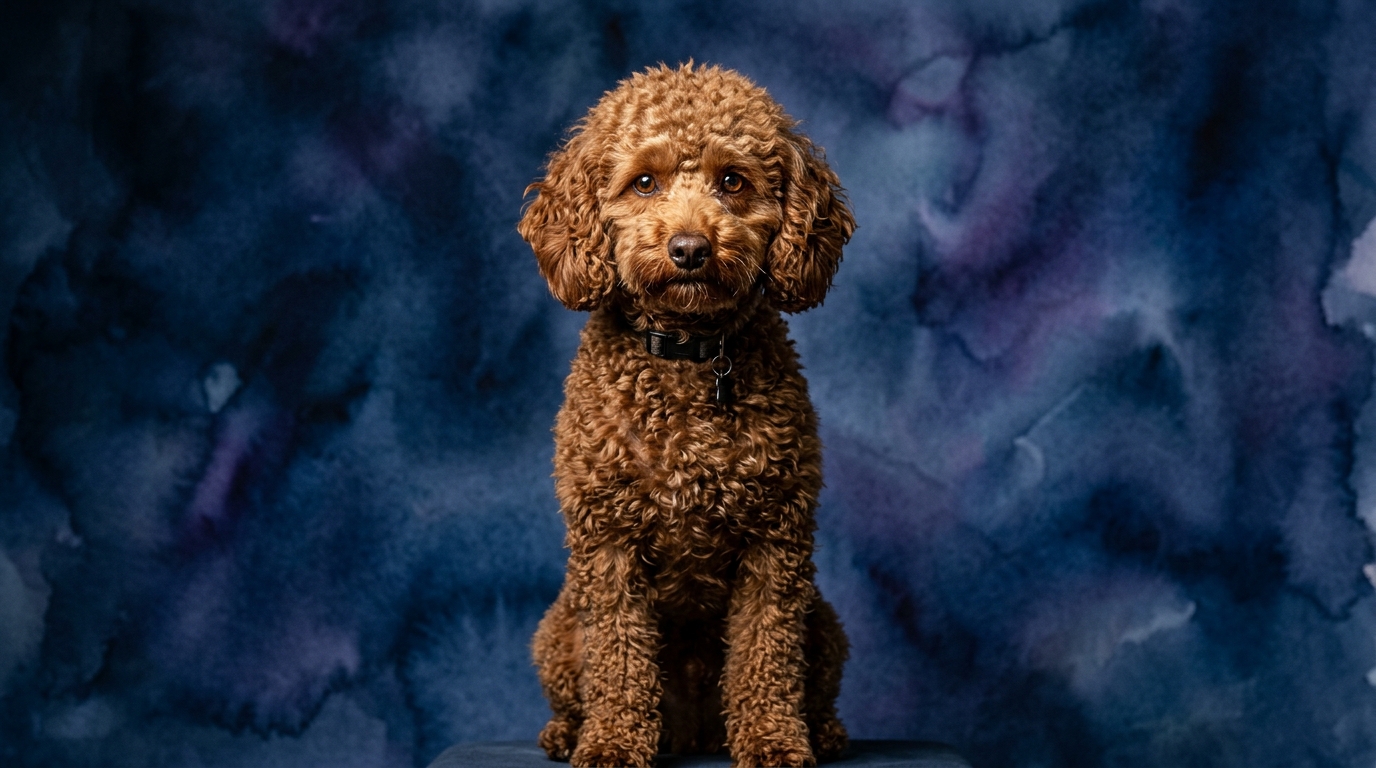
In contrast, the Miniature Poodle, a Non-Sporting breed with an impressive Coren rank of #2, presents a distinct cognitive profile. Their Problem Solving capability is a stellar 5/5, signifying a profound ability for complex thought, strategic planning, and understanding abstract concepts. Matching the Schnauzer, their Training Speed is also 5/5, highlighting an equally rapid assimilation of new information and commands. However, their Social Intelligence is rated 3/5, suggesting they might be more independent or less overtly focused on interpreting subtle human social cues compared to the Schnauzer, often prioritizing tasks over constant interaction. An Instinctive Drive of 3/5 indicates a less pronounced prey drive or guarding instinct than a terrier, with their historical role often involving retrieving from water. Finally, their Memory shines with a perfect 5/5, allowing them to recall intricate sequences, complex patterns, and detailed information over long periods.
Where the Miniature Schnauzer Excels Cognitively
The Miniature Schnauzer's cognitive strengths particularly shine in areas demanding social perceptiveness and a robust instinctive drive. Their 4/5 Social Intelligence means they are often highly attuned to the emotional states and intentions of their human family members, making them excellent companions for those seeking a dog that 'reads' them well. This heightened social awareness contributes to their role as vigilant household members, often quick to alert their owners to new arrivals or unusual sounds, demonstrating a practical application of their observational skills. They frequently form strong, loyal attachments, thriving on interactive play and shared activities that reinforce their bond.
Furthermore, the Schnauzer's 4/5 Instinctive Drive gives them a distinct advantage in specific activities. This drive manifests as a persistent curiosity and a determined pursuit of targets, be it a squeaky toy or a scent trail. This tenacity, rooted in their terrier heritage, means they approach tasks with a focused intensity, making them naturally adept at scent work, earthdog trials, or any activity that taps into their innate desire to investigate and 'catch.' While this can sometimes translate to a stubborn streak if not properly channeled, it also means they possess an inherent self-motivation for certain types of engagement that a Poodle might approach with less intrinsic zeal.
Where the Miniature Poodle Excels Cognitively
The Miniature Poodle's cognitive superiority is most evident in their exceptional Problem Solving and Memory capabilities. A perfect 5/5 in Problem Solving indicates an ability to not just learn by rote, but to genuinely understand the 'why' behind tasks, strategize, and apply learned principles to novel situations. This makes them outstanding candidates for complex obedience routines, advanced agility courses where they must navigate intricate sequences, or even trick training that requires abstract thought. They can often figure out how to open gates, retrieve specific items, or solve puzzle toys with a level of ingenuity that is truly remarkable, demonstrating a deep capacity for strategic thinking.
Complementing their problem-solving prowess is their 5/5 Memory. This superior recall means Poodles can retain vast amounts of information, from a wide vocabulary of commands to the precise execution of multi-step behaviors over extended periods. This makes them incredibly consistent performers once a task is mastered, and allows them to build upon previous learning with great efficiency. For owners interested in competitive dog sports or advanced training, the Poodle's long-term memory ensures that complex sequences, once learned, are not easily forgotten, allowing for continuous progression and refinement of skills without constant re-teaching.
Training: Which is Easier and Why?
Both the Miniature Schnauzer and Miniature Poodle boast a 5/5 Training Speed, indicating that both breeds are exceptionally quick to pick up new commands. However, the 'ease' of training can differ based on the type of training and the owner's approach, largely influenced by their other cognitive dimensions. The Miniature Schnauzer's high Social Intelligence means they are often very responsive to positive reinforcement and eager to please their human companions, making foundational obedience relatively straightforward. They thrive on interaction and praise, which can be powerful motivators. However, their 4/5 Instinctive Drive, characteristic of terriers, can sometimes translate into a focused determination or selective hearing when a strong scent or perceived 'prey' captures their attention, requiring consistent impulse control training to manage.
The Miniature Poodle, with its equally rapid training speed but superior Problem Solving and Memory, excels in understanding and executing complex, multi-layered commands. They grasp concepts quickly and can generalize learning, meaning they apply what they've learned in one context to another. Their high cognitive capacity allows them to move beyond basic obedience into advanced tasks with fluidity. While their 3/5 Social Intelligence might mean they are less constantly seeking human approval than a Schnauzer, they are highly motivated by intellectual challenge and the satisfaction of mastering a task. Consistency is key for both, but the Poodle often benefits more from engaging their strategic mind with varied, challenging exercises, whereas the Schnauzer responds well to relationship-based training that leverages their social bond.
Matching Breeds to Lifestyles: Active vs. Relaxed Owners
Choosing between these two breeds often comes down to how their unique cognitive and behavioral traits align with an owner's lifestyle. The Miniature Schnauzer, with its balanced cognitive profile and pronounced Instinctive Drive, generally thrives with active owners who can provide consistent engagement and outlets for their terrier energy. They require regular walks, play sessions, and mental stimulation to prevent boredom, which can manifest as digging or excessive barking due to their vigilance. Their social intelligence means they enjoy being included in family activities and appreciate interactive games that leverage their curiosity and drive. Owners who enjoy structured training, scent games, or even agility will find a willing and enthusiastic partner in a Schnauzer, benefiting from their training speed and persistence.
The Miniature Poodle, while often perceived as elegant, is far from a sedentary companion; their exceptional Problem Solving and Memory demand consistent mental engagement. They are an ideal match for active owners who are prepared to provide daily intellectual challenges, whether through advanced obedience, dog sports like agility or rally, or regular puzzle-solving activities. While they can adapt to a more relaxed home, they still require significant mental stimulation to prevent boredom, which in Poodles can sometimes lead to neurotic behaviors or destructive chewing if their considerable cognitive needs are not met. Owners who appreciate a dog capable of learning complex tasks and who enjoy the process of teaching and refining advanced skills will find the Poodle an incredibly rewarding, albeit demanding, companion.
The Verdict
Choose the Miniature Schnauzer if you desire a socially perceptive companion who is quick to learn basic obedience and thrives on interactive, relationship-based engagement, offering a vigilant presence and a charmingly persistent spirit.
Opt for the Miniature Poodle if you seek a highly strategic and adaptable canine partner capable of mastering complex tasks and excelling in advanced dog sports, provided you can consistently fulfill their profound need for intellectual challenge and mental stimulation.
🧠 Find Your Pet's IQ Score
Our Pet IQ Lab assessment covers 25+ tests across 5 cognitive dimensions — personalized to your breed.
Take the Full IQ Test →Frequently Asked Questions
Do Miniature Schnauzers bark a lot?
Miniature Schnauzers, with their 4/5 Instinctive Drive and social vigilance, tend to be alert watchdogs, which can lead to frequent barking at perceived threats or new arrivals. Consistent training focused on impulse control and desensitization from a young age can help manage this natural tendency effectively.
Are Miniature Poodles good for first-time dog owners?
While Miniature Poodles are highly trainable (5/5 Training Speed) and eager to learn, their superior Problem Solving and Memory mean they require consistent mental engagement and structured training to thrive. A committed first-time owner prepared for this intellectual demand will find them a rewarding companion, but they are not a low-maintenance choice.
Which breed is better with children?
Both breeds can be excellent with children, but their approaches differ. Miniature Schnauzers, with their 4/5 Social Intelligence, often bond closely with family members and can be very tolerant, while Miniature Poodles (3/5 Social Intelligence) might prefer slightly older, more respectful children who understand how to engage them in stimulating play rather than constant physical interaction. Supervision is always crucial for any breed interacting with children.