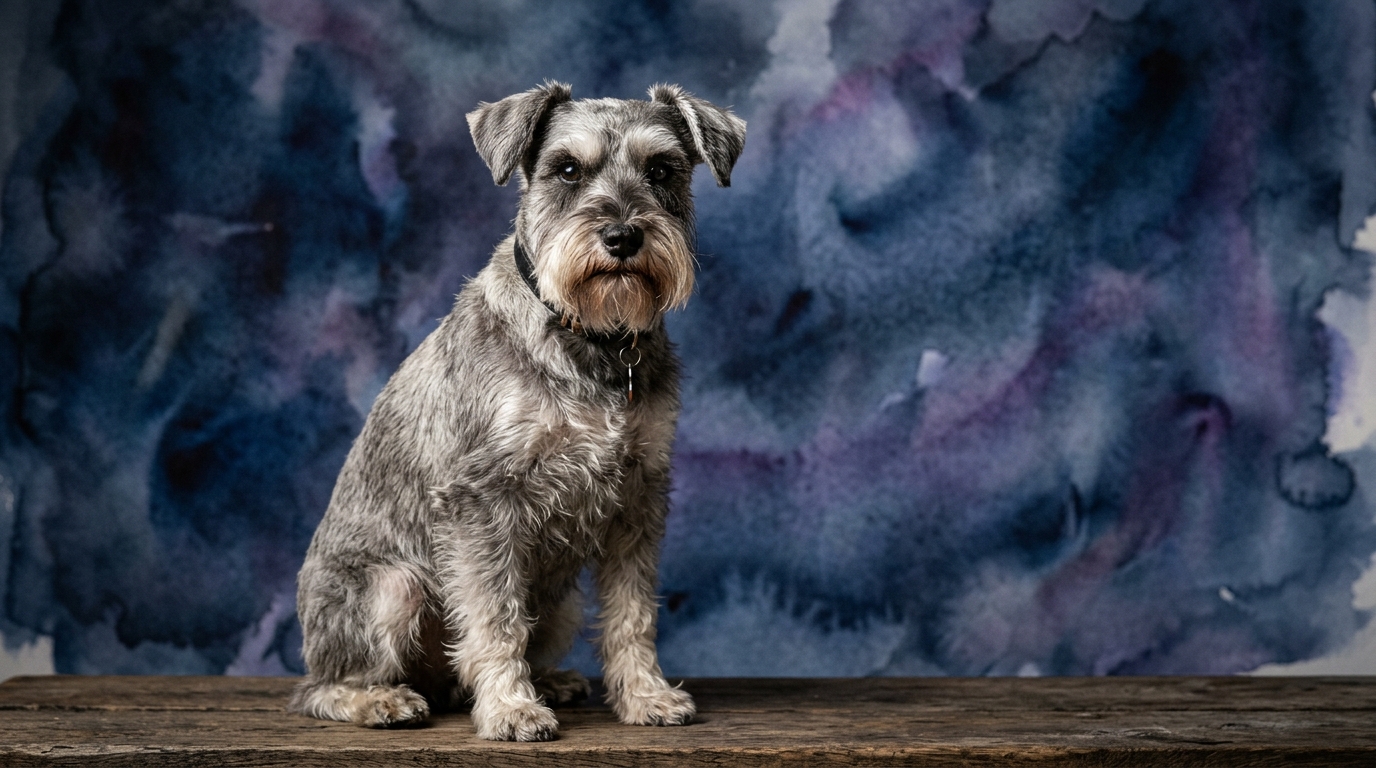
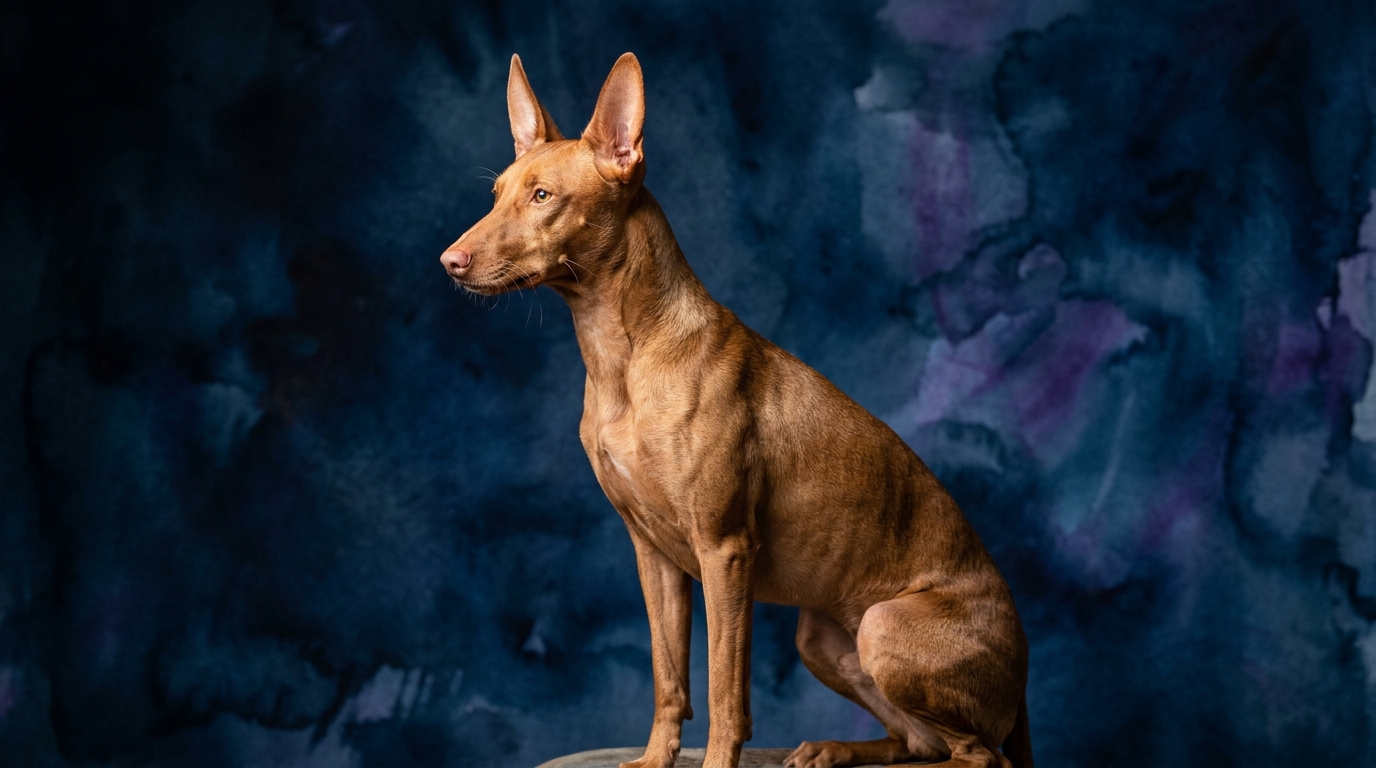
Side-by-Side IQ Profile
The Cosmic Pet Pet IQ Lab employs a five-dimensional framework to assess canine intelligence, offering a nuanced view beyond simple obedience. For the Miniature Schnauzer, a terrier known for its purposeful demeanor, Problem Solving scores a robust 4/5. These dogs exhibit a resourceful approach to challenges, often displaying ingenuity in navigating complex environments or manipulating objects to achieve a goal. Their Training Speed is an exceptional 5/5, reflecting a keen eagerness to grasp and execute commands, making them remarkably receptive to structured learning. Social Intelligence stands at 4/5, indicating a strong capacity to interpret human cues, form deep attachments, and participate actively in family dynamics. An Instinctive Drive of 4/5 highlights their historical role, encompassing a vigilant nature, a determined prey drive, and a protective instinct that requires appropriate outlets. Finally, their Memory is rated 4/5, demonstrating a reliable ability to recall learned behaviors, routines, and significant past experiences.
In stark contrast, the Pharaoh Hound, a breed steeped in the tradition of independent hunting, presents a different cognitive blueprint. Its Problem Solving ability is rated 3/5; while adept at real-time decision-making in pursuit of quarry, they are less inclined towards abstract or human-contrived puzzles. Training Speed registers 3/5, suggesting that while capable of learning, they often require more repetition, patience, and motivational creativity due to their independent streak. Social Intelligence is also 3/5; Pharaoh Hounds are affectionate with their chosen family but can be reserved or aloof with strangers, valuing subtle interactions over overt displays. Their Instinctive Drive, at 3/5, is powerfully geared towards their sighthound heritage – a relentless visual pursuit of movement – rather than generalized working tasks. Memory, too, is 3/5, particularly effective for remembering hunting routes, visual landmarks, and the patterns of prey, but perhaps less so for extensive sequences of human commands.
Where Miniature Schnauzer Wins Cognitively
The Miniature Schnauzer truly excels in areas requiring direct human collaboration and structured learning. Their Coren ranking of #12, placing them among the breeds with the highest “working and obedience intelligence,” is a testament to their capacity for quickly forming associations between commands and actions. This breed's superior Training Speed (5/5) means they absorb new information with impressive alacrity, often requiring fewer repetitions than many other dogs. Their Problem Solving (4/5) is particularly evident in their ability to decipher human-designed tasks, whether it's navigating an agility course, learning a complex trick sequence, or figuring out how to open a treat-dispensing puzzle. This cognitive strength makes them adept at sequential learning, building upon previously mastered skills to tackle more intricate challenges. Owners often observe their Miniature Schnauzers “thinking through” a situation, actively engaging their surroundings to achieve a desired outcome, often with a mischievous glint in their eye. They thrive on mental engagement, displaying a genuine enjoyment in being taught and tested.
Where Pharaoh Hound Wins Cognitively
The Pharaoh Hound's cognitive strengths lie in the realm of independent action and sensory acuity, honed over centuries of open-field hunting. While not typically excelling in human-directed obedience, their Problem Solving (3/5) is highly specialized for their sighthound role. They possess an exceptional ability to assess vast outdoor environments, make rapid decisions about pursuit trajectories, and navigate varied terrain at high speeds, all while maintaining focus on a moving target. Their visual memory is particularly strong, enabling them to recall specific landmarks, advantageous hunting spots, and the movement patterns of game across large areas. This breed's Instinctive Drive (3/5) is a finely tuned instrument for visual tracking and chase, demanding an owner's appreciation for their ancestral purpose rather than attempting to suppress it. They exhibit a subtle, self-reliant intelligence, often communicating through body language and nuanced interactions rather than overt displays. A Pharaoh Hound's cognitive triumphs are best observed when they are given the freedom to engage their natural instincts, showcasing their impressive spatial awareness, speed, and strategic pursuit.
Which is Easier to Train and Why
Without question, the Miniature Schnauzer is generally considered the easier breed to train, a direct reflection of its exceptional Training Speed (5/5) and high Coren ranking. These terriers possess an intrinsic motivation to engage with their human companions and thrive on the structure that training provides. Their Problem Solving score of 4/5 means they quickly grasp the logic behind commands, often anticipating what is expected of them. They respond well to positive reinforcement and clear communication, eager to please and earn praise or treats. Their social intelligence (4/5) further aids training, as they are attuned to their handler's moods and intentions, making communication more fluid. This breed's willingness to work alongside humans, coupled with their capacity for sustained focus, allows for rapid progression through various levels of obedience and trick training.
The Pharaoh Hound, conversely, presents a more significant training challenge due to its independent nature and lower Training Speed (3/5). As a sighthound, their primary drive is often self-directed, focused on visual stimuli and the thrill of the chase, rather than an inherent desire to perform human-centric tasks. Their Problem Solving (3/5) is geared towards hunting, not necessarily academic obedience. They can learn commands, but it typically requires more patience, consistency, and a deep understanding of sighthound psychology. Owners must find creative ways to motivate them, often relying on high-value rewards and making training sessions engaging and fun. Attempting to force compliance often backfires, leading to stubbornness or disengagement. A key behavioral difference is the Pharaoh Hound's profound prey drive; once they spot something moving, their focus on human commands can vanish, requiring extensive recall training in controlled environments. Their less overt social intelligence (3/5) means they might not always seek human approval as readily as a Miniature Schnauzer, making the training relationship a partnership built on mutual respect rather than eager subservience.
Which Suits Active Owners vs. Relaxed Owners
Both breeds require significant physical and mental engagement, making neither truly suitable for “relaxed” owners in the sense of minimal commitment. However, the type of activity they thrive on differs considerably.
The Miniature Schnauzer is an excellent fit for active owners who enjoy structured activities and consistent interaction. Their high Training Speed and Problem Solving abilities mean they excel in dog sports like agility, obedience, rally, and earthdog trials. They thrive on daily mental challenges, such as puzzle toys, learning new tricks, and engaging in interactive play sessions. While they need regular walks and opportunities to run, their exercise can often be integrated into a more varied routine that includes significant mental stimulation within a contained environment. They are companionable indoors, happy to settle once their needs are met, making them suitable for owners who enjoy a blend of structured activity and cozy companionship.
The Pharaoh Hound, on the other hand, is best suited for active owners who can provide ample, secure space for them to run at full speed. Their powerful sighthound instincts demand opportunities for sustained, galloping exercise, ideally in a large, fenced yard or a safe, off-leash area specifically designed for sighthounds, like a lure coursing field. Long, vigorous walks are a necessity, but they often need more than just a leash walk to truly satisfy their physical drive. Their independent Problem Solving and Instinctive Drive mean they are less interested in repetitive, human-directed games and more in exploring their environment and chasing perceived “prey.” Owners must be vigilant about secure fencing and leash control due to their strong chase instinct. While they can be calm and elegant indoors, their need to burn off energy outdoors is non-negotiable. They are ideal for owners who appreciate a dog's natural athleticism and are prepared to facilitate their unique exercise requirements, perhaps enjoying quiet observation of their dog's independent pursuits rather than constant interaction.
The Verdict
Opt for the Miniature Schnauzer if you desire a highly responsive and trainable companion who thrives on collaborative problem-solving, enjoys structured activities like obedience or agility, and actively seeks mental engagement alongside you. This breed suits those who appreciate a dog's eagerness to learn and participate in family life, offering consistent mental stimulation and a vibrant, interactive presence.
Select the Pharaoh Hound if you value an independent, visually driven companion with an ancient hunting heritage, are prepared to provide extensive secure space for them to run freely, and appreciate a dog that makes its own decisions in an open environment. This breed is for owners who are patient with training a sighthound's unique temperament, understand their profound prey drive, and enjoy the subtle elegance of a canine athlete.
🧠 Find Your Pet's IQ Score
Our Pet IQ Lab assessment covers 25+ tests across 5 cognitive dimensions — personalized to your breed.
Take the Full IQ Test →Frequently Asked Questions
Is a Miniature Schnauzer better for first-time dog owners than a Pharaoh Hound?
Generally, yes. The Miniature Schnauzer's higher training speed and eagerness to please make them more forgiving and easier to guide through basic obedience, which is often beneficial for new owners learning the ropes of canine companionship. The Pharaoh Hound's independence and specialized needs can present a steeper learning curve.
How do their problem-solving skills differ in a home environment?
A Miniature Schnauzer might more readily figure out how to open a cupboard or solve a treat puzzle designed by humans, using their dexterity and understanding of cause-and-effect in a domestic context. A Pharaoh Hound's problem-solving in a home might manifest as finding the most comfortable sunbeam or subtly navigating obstacles to reach a desired resting spot, less about manipulating objects and more about efficient navigation.
Do Pharaoh Hounds need less mental stimulation because they are more independent?
Not necessarily less, but different types. While they might not engage with puzzle toys or structured training games as enthusiastically as a Schnauzer, Pharaoh Hounds require mental stimulation related to their sighthound instincts, such as observing their surroundings, tracking movement, and having opportunities for independent exploration in a safe environment.