Side-by-Side Cognitive Profiles
The Cosmic Pet Pet IQ Lab assesses canine cognition across five crucial dimensions: problem-solving, training speed, social intelligence, instinctive drive, and memory. These metrics provide a nuanced understanding of how different breeds perceive, learn, and interact with their world.
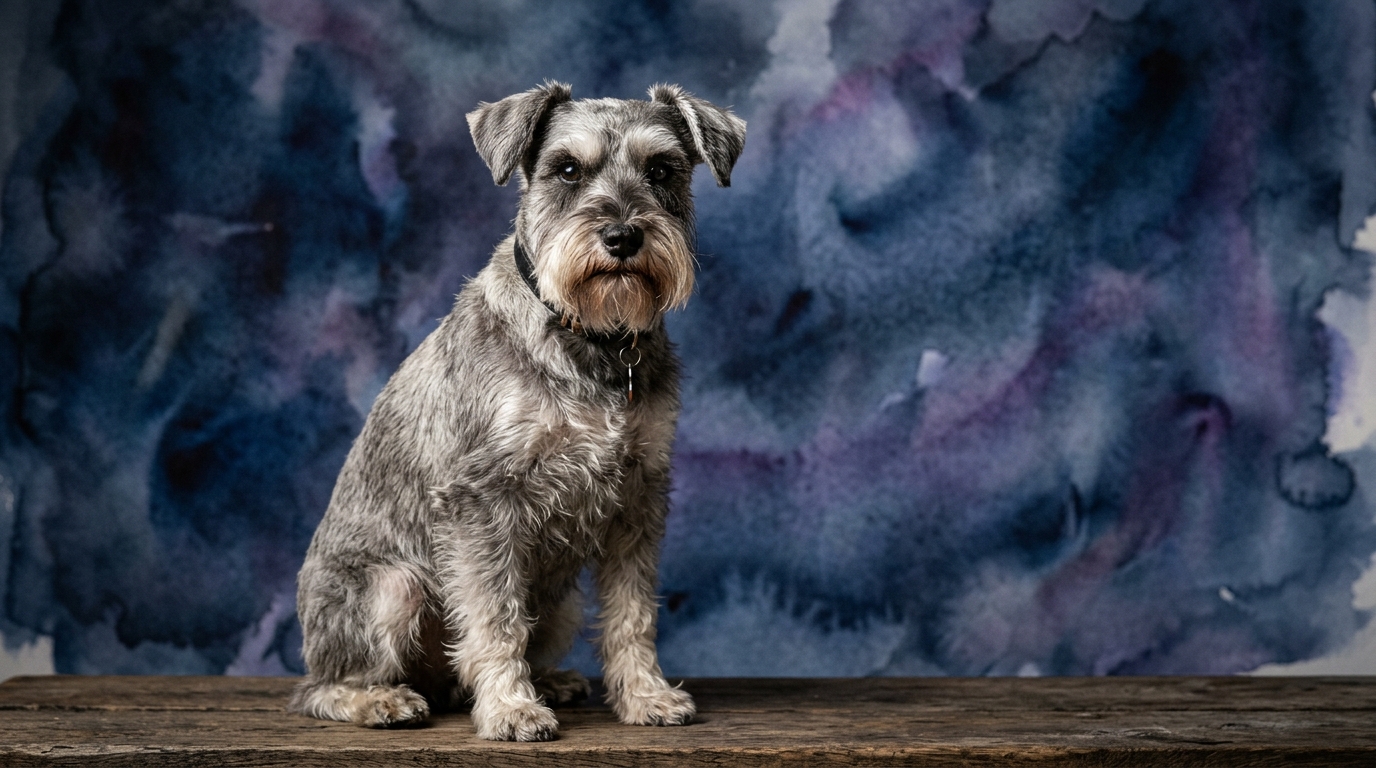
The Miniature Schnauzer, a Terrier breed, holds a Coren rank of #12, reflecting a strong capacity for understanding and obeying new commands. Its IQ profile includes Problem Solving 4/5, Training Speed 5/5, Social Intelligence 4/5, Instinctive Drive 4/5, and Memory 4/5. This combination paints a picture of a vigilant, quick-witted companion, often eager to engage with its environment and learn new behaviors.
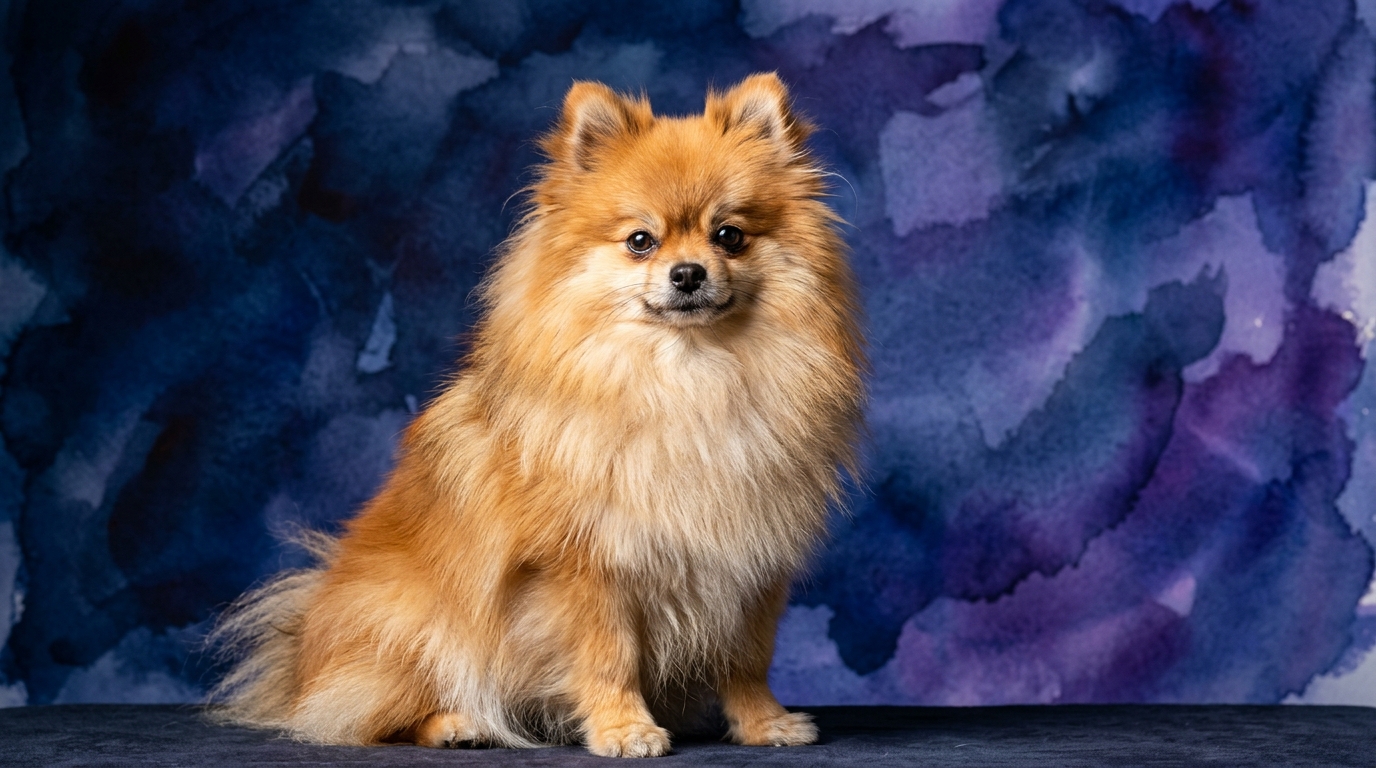
In contrast, the Pomeranian, a Toy breed, ranks #23 on the Coren scale. Its cognitive breakdown shows Problem Solving 4/5, Training Speed 4/5, Social Intelligence 4/5, Instinctive Drive 3/5, and Memory 4/5. While exhibiting similar scores in several areas, the slight difference in training speed and a lower instinctive drive suggest a distinct approach to learning and interaction, often more focused on observation and companionship.
Where the Miniature Schnauzer Excels Cognitively
The Miniature Schnauzer’s primary cognitive advantage lies in its exceptional Training Speed, scoring a perfect 5/5 compared to the Pomeranian’s 4/5. This means the Schnauzer typically grasps new commands and routines with remarkable efficiency, often requiring fewer repetitions to master a task. Their readiness to learn complex sequences and respond promptly to cues makes them particularly adept at structured activities and canine sports where quick assimilation of information is paramount.
Furthermore, the Schnauzer's higher Instinctive Drive (4/5 versus 3/5) contributes to its focused cognitive engagement. Stemming from their terrier heritage, this drive fuels their vigilance and curiosity, translating into a keen interest in purposeful tasks. Their Problem Solving score of 4/5 often manifests in applying learned solutions to environmental challenges, such as navigating obstacles to reach a desired object or figuring out how to alert their human to perceived intruders, showcasing a practical application of their mental faculties.
Where the Pomeranian Shines Cognitively
The Pomeranian's cognitive strengths often manifest in the realm of social interaction and keen observation. Matching the Schnauzer with a 4/5 in Social Intelligence, the Pomeranian excels at nuanced communication with humans, demonstrating a remarkable attunement to emotional states and subtle cues. This capacity allows them to adapt their behavior for companionship, often anticipating needs or preferences to maintain close bonds, making them perceptive and responsive companions.
Their Problem Solving score of 4/5, identical to the Schnauzer, often expresses itself differently; rather than focusing on hunting or guarding tasks, Pomeranians might apply their cognitive skills to manipulate their environment for comfort, attention, or to achieve social goals. They are adept at figuring out how to get their human's focus or how to navigate household dynamics to their advantage. Their strong Memory (4/5) further supports this, allowing them to recall routines, preferences, and past interactions with clarity.
Training Dynamics: Effort and Engagement
When it comes to training, the Miniature Schnauzer's superior Training Speed (5/5) means they are generally more straightforward to teach new commands and behaviors. Their inherent eagerness to work and respond to direction, characteristic of many terriers, simplifies the process, often leading to rapid acquisition of skills and a consistent performance in obedience or trick training.
The Pomeranian, while still possessing a respectable Training Speed of 4/5, might require a more consistent and engaging motivational approach. Their independent streak, typical of some toy breeds, means that while they learn quickly, they might exercise a choice in when and how they apply that learning. Training sessions benefit from being kept fun, varied, and highly rewarding to maintain their interest and cooperation.
Behavioral differences also play a role: the Schnauzer's higher instinctive drive makes them amenable to structured activities and tasks that provide a clear purpose, making them receptive to drills and routines. Pomeranians, conversely, might prefer mental stimulation linked to social interaction, puzzle toys, or observational learning over repetitive obedience drills, highlighting the need for varied engagement tailored to their companion-focused nature.
Matching Cognitive Profiles to Lifestyles
For active owners seeking a partner for structured engagement, the Miniature Schnauzer presents a compelling choice. Their higher instinctive drive and exceptional training speed make them well-suited for activities such as agility, obedience competitions, or even earthdog trials. They thrive on having a 'job' and benefit from vigorous walks combined with mental tasks, making them ideal for individuals who enjoy consistent training and outdoor adventures.
Relaxed owners who prioritize close companionship and nuanced interaction will find the Pomeranian’s cognitive profile aligns well with their lifestyle. While energetic, their cognitive needs are often met through interactive play, observation, and rich social interaction within the home. Their strong social intelligence means they thrive on human presence and thrive in environments where they can be part of the family's daily rhythm, appreciating a comfortable and predictable routine over intense physical or competitive demands.
The Verdict
Choose the Miniature Schnauzer if you desire an active, highly trainable companion eager for structured tasks, canine sports, or a vigilant, purposeful household member. Their cognitive profile suits owners who enjoy consistent engagement and a dog that readily embraces learning.
Opt for the Pomeranian if you seek an alert, charming companion who excels in social interaction, enjoys a comfortable and predictable routine, and thrives on close human bonding. Their cognitive strengths make them ideal for owners who value perceptive companionship and subtle communication.
🧠 Find Your Pet's IQ Score
Our Pet IQ Lab assessment covers 25+ tests across 5 cognitive dimensions — personalized to your breed.
Take the Full IQ Test →Frequently Asked Questions
Do Miniature Schnauzers learn faster than Pomeranians?
Yes, Miniature Schnauzers generally exhibit a higher training speed, scoring 5/5 compared to the Pomeranian's 4/5. This means they often grasp new commands and routines with fewer repetitions, demonstrating a quicker assimilation of information and a stronger drive for purposeful work.
Which breed is better at problem-solving?
Both breeds score 4/5 in problem-solving, indicating a similar capacity, but their approaches differ. Miniature Schnauzers often apply solutions to environmental challenges related to their terrier instincts, while Pomeranians might excel at navigating social complexities or manipulating their surroundings for comfort and attention.
How does instinctive drive impact their behavior?
The Miniature Schnauzer's higher instinctive drive (4/5) means they possess a strong innate motivation for tasks like guarding or 'hunting,' contributing to their alertness and need for purposeful activity and engagement. The Pomeranian's lower drive (3/5) suggests less intense innate task-orientation, making them more focused on companionship, observation, and social interaction within their human family.