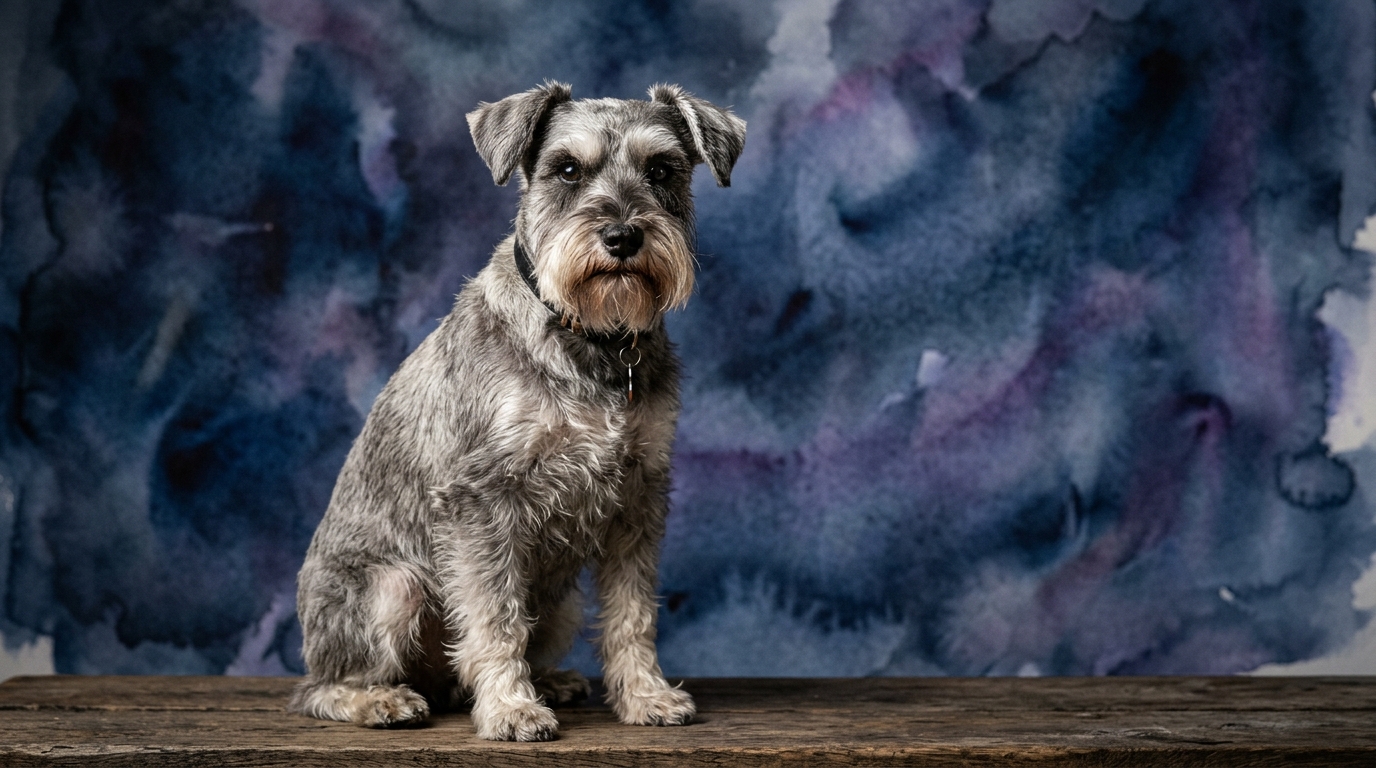
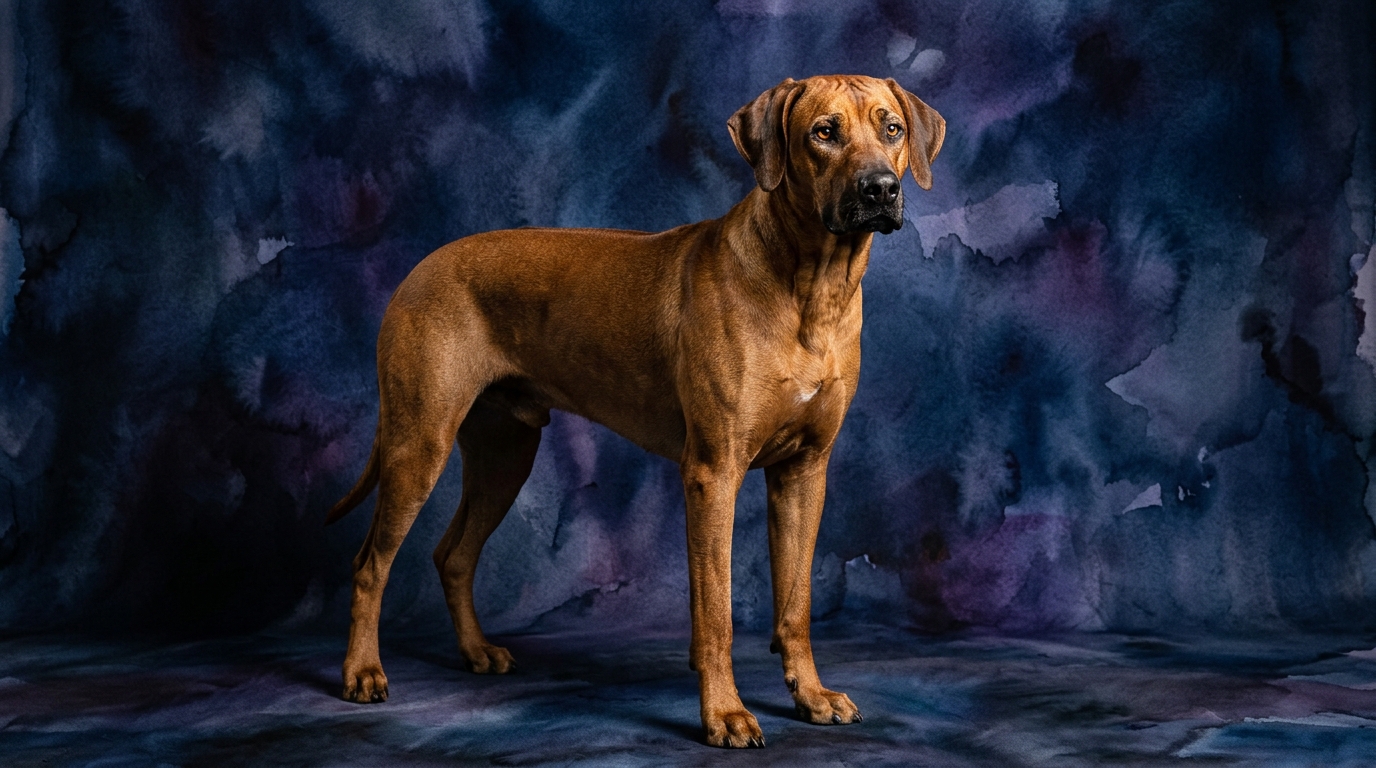
Side-by-Side IQ Profile: Miniature Schnauzer vs. Rhodesian Ridgeback
The Cosmic Pet Pet IQ Lab provides a comprehensive five-dimensional assessment, offering a nuanced view of each breed's cognitive architecture. Let's break down the scores for the Miniature Schnauzer (Coren Rank #12) and the Rhodesian Ridgeback (Coren Rank #52).
**Miniature Schnauzer (Coren Rank #12):**
**Problem Solving (4/5):** This breed demonstrates strong capacity for navigating complex situations and devising novel solutions. Their terrier heritage promotes persistent curiosity, driving them to actively investigate and manipulate their environment for goals, like opening a cabinet or locating a hidden toy. They independently assess and overcome moderate challenges.
**Training Speed (5/5):** A perfect score highlights the Miniature Schnauzer's exceptional ability to grasp and retain new commands rapidly. Their eagerness to please and sharp focus mean they often learn behaviors in very few repetitions. Highly responsive to consistent, positive reinforcement, they excel in obedience and agility.
**Social Intelligence (4/5):** Miniature Schnauzers possess a well-developed understanding of social cues from humans and other animals. They are adept at interpreting moods and intentions, adjusting their behavior accordingly. This awareness contributes to their adaptability in various household dynamics and strong, communicative bonds.
**Instinctive Drive (4/5):** Their terrier roots result in a pronounced instinctive drive for chasing small prey and vigilance. This score reflects strong innate motivation for breed-specific behaviors, manifesting as alertness and a drive to explore. Appropriate outlets are essential to manage this drive.
**Memory (4/5):** The Miniature Schnauzer exhibits robust memory, retaining learned commands, routines, and experiences over time. This strong recall contributes significantly to their training success and confident navigation of known environments. They remember people, places, and past interactions, aiding consistent relationships.
**Rhodesian Ridgeback (Coren Rank #52):**
**Problem Solving (3/5):** The Rhodesian Ridgeback shows moderate capacity for problem-solving. While capable of addressing straightforward issues, they may lack the creative persistence for highly complex puzzles. Their approach is often more methodical, preferring known solutions or direct approaches rather than extensive exploration.
**Training Speed (3/5):** With a 3/5 score, Rhodesian Ridgebacks learn at a steady pace but not rapidly. They require consistent, patient training and clear communication, sometimes perceived as independent in their responses. Once learned, behaviors are well-understood, but initial acquisition takes more repetitions.
**Social Intelligence (3/5):** Rhodesian Ridgebacks possess a moderate level of social intelligence. They form deep bonds with family but might be less immediate in interpreting subtle social cues from strangers. Reserved with new people, they assess situations before fully engaging, indicating a cautious social approach.
**Instinctive Drive (3/5):** Their instinctive drive, scoring 3/5, reflects their heritage as hunting dogs, but manifests differently than a terrier's. It's more about tracking, endurance, and guarding, rather than intense, quick pursuit. This drive needs appropriate outlets like scent work or secure outdoor exercise.
**Memory (3/5):** Rhodesian Ridgebacks have solid, functional memory. They retain commands and routines, contributing to their reliability once trained. However, their recall might not be as immediate or detailed across a wide range of past experiences as breeds with higher scores. Consistent repetition aids learning.
Where the Miniature Schnauzer Excels Cognitively
The Miniature Schnauzer’s cognitive strengths shine particularly in areas demanding quick learning and adaptable problem-solving. Their impressive 5/5 Training Speed means they absorb new commands and routines with remarkable efficiency, making them a joy for owners interested in advanced obedience or dog sports. For instance, teaching a Schnauzer a complex agility course or a multi-step trick will generally progress faster than with many other breeds, owing to their focus and eagerness to engage. Furthermore, their 4/5 Problem Solving aptitude, coupled with a strong Instinctive Drive, means they are adept at figuring out how to bypass obstacles or achieve goals, such as escaping a slightly ajar gate or manipulating a puzzle toy to get a treat. This terrier tenacity translates into a dog that actively seeks solutions rather than passively waiting.
Where the Rhodesian Ridgeback's Cognitive Strengths Lie
While not scoring as high in rapid learning, the Rhodesian Ridgeback’s cognitive profile emphasizes a different kind of strength: methodical processing and robust endurance. Their 3/5 Problem Solving score, while lower, suggests a dog that approaches challenges with deliberate thought, often relying on their physical capabilities and sensory perception rather than quick-witted manipulation. For example, a Ridgeback might meticulously track a scent trail over a long distance, demonstrating sustained focus and a deep engagement with their environment, a skill rooted in their ancestral role. Their social intelligence, though a 3/5, means they form profound, loyal bonds and exhibit a discerning nature, particularly around strangers. This isn't about rapid social adaptation, but rather a thoughtful, measured assessment of new individuals and situations, fostering a sense of calm reliability within their established social circle.
Training Aptitude: Which is Easier and Why?
Based on their respective IQ profiles, the Miniature Schnauzer is demonstrably easier to train for the average owner. Their perfect 5/5 Training Speed score is a significant advantage, meaning they pick up new commands with minimal repetitions and readily respond to cues. This rapid assimilation is due to a blend of their desire to please and their terrier alertness, making them highly receptive to instruction. They thrive on engagement and quickly understand cause-and-effect in training scenarios. In contrast, the Rhodesian Ridgeback's 3/5 Training Speed indicates a more independent and sometimes stubborn streak. While certainly capable of learning, they require more patience, consistency, and a trainer who understands their hound mentality. They may take longer to generalize commands to new environments and might challenge boundaries more frequently, requiring a firm yet fair approach that acknowledges their thoughtful nature rather than expecting immediate, eager compliance. Their training success hinges on building strong trust and mutual respect, which takes more time and dedication.
Suitability for Active vs. Relaxed Owners
The Miniature Schnauzer, with its 4/5 Instinctive Drive and energetic terrier disposition, suits owners who enjoy moderate daily activity and intellectual engagement. They thrive on structured play, regular walks, and opportunities to use their problem-solving skills, whether through training sessions or interactive toys. Their need for mental stimulation means a relaxed owner who provides minimal engagement might find their Schnauzer inventing their own, potentially disruptive, activities. For the Rhodesian Ridgeback, their scores across the board, particularly their 3/5 Instinctive Drive that leans towards endurance and tracking, align with highly active owners. These dogs require substantial daily exercise, including long walks, runs, or hikes, to satisfy their physical and mental needs. A relaxed owner who cannot commit to providing significant outdoor activity would likely find a Ridgeback restless and potentially destructive. Their more reserved social intelligence means they appreciate a calm, consistent home environment but still need ample physical outlet.
The Verdict
Choose the Miniature Schnauzer if you desire a highly trainable, socially adept companion eager for mental challenges and capable of quick learning in obedience or dog sports. Their compact size and adaptable intelligence make them excellent for engaged owners seeking a responsive, interactive family member.
Opt for the Rhodesian Ridgeback if you are an experienced, active owner seeking a loyal, discerning companion with impressive endurance and a thoughtful demeanor, valuing deep bonds over immediate compliance in training. Their reserved social nature and physical needs suit a consistent, adventurous lifestyle.
🧠 Find Your Pet's IQ Score
Our Pet IQ Lab assessment covers 25+ tests across 5 cognitive dimensions — personalized to your breed.
Take the Full IQ Test →Frequently Asked Questions
Do Miniature Schnauzers have a strong prey drive?
Yes, with an Instinctive Drive score of 4/5, Miniature Schnauzers possess a notable prey drive rooted in their terrier heritage. This often manifests as an eagerness to chase small, fast-moving objects or creatures. Consistent training and secure environments are crucial for managing this instinct.
Are Rhodesian Ridgebacks difficult to train?
Rhodesian Ridgebacks are not inherently difficult, but their 3/5 Training Speed and independent nature mean they require more patience and consistency than some breeds. They respond best to positive reinforcement, clear boundaries, and an owner who understands their thoughtful, sometimes stubborn, approach to learning.
Which breed is better with children?
Both breeds can be good with children with proper socialization and training. Miniature Schnauzers (Social Intelligence 4/5) are generally adaptable and enjoy family interaction. Rhodesian Ridgebacks (Social Intelligence 3/5) are loyal but often more reserved and prefer a calm, respectful interaction, making supervision important, especially with very young children.