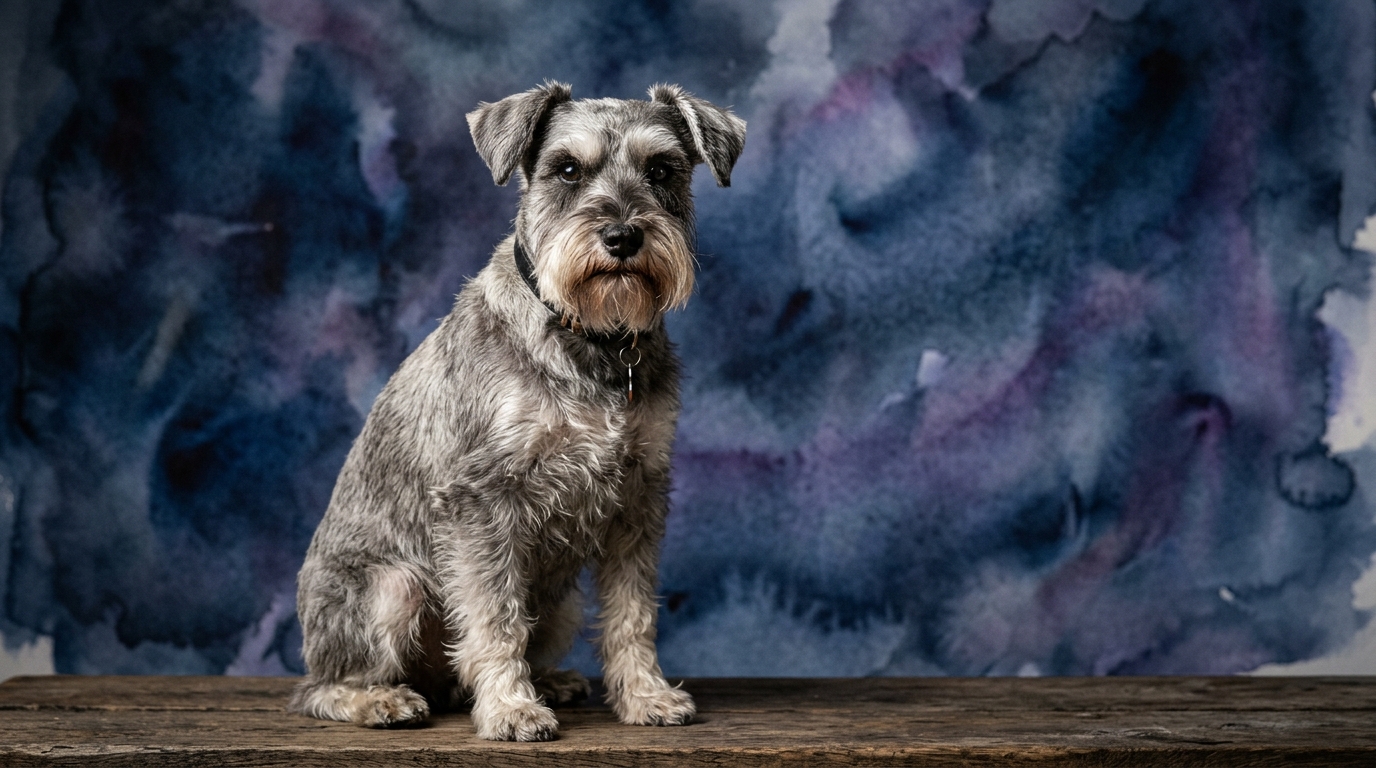
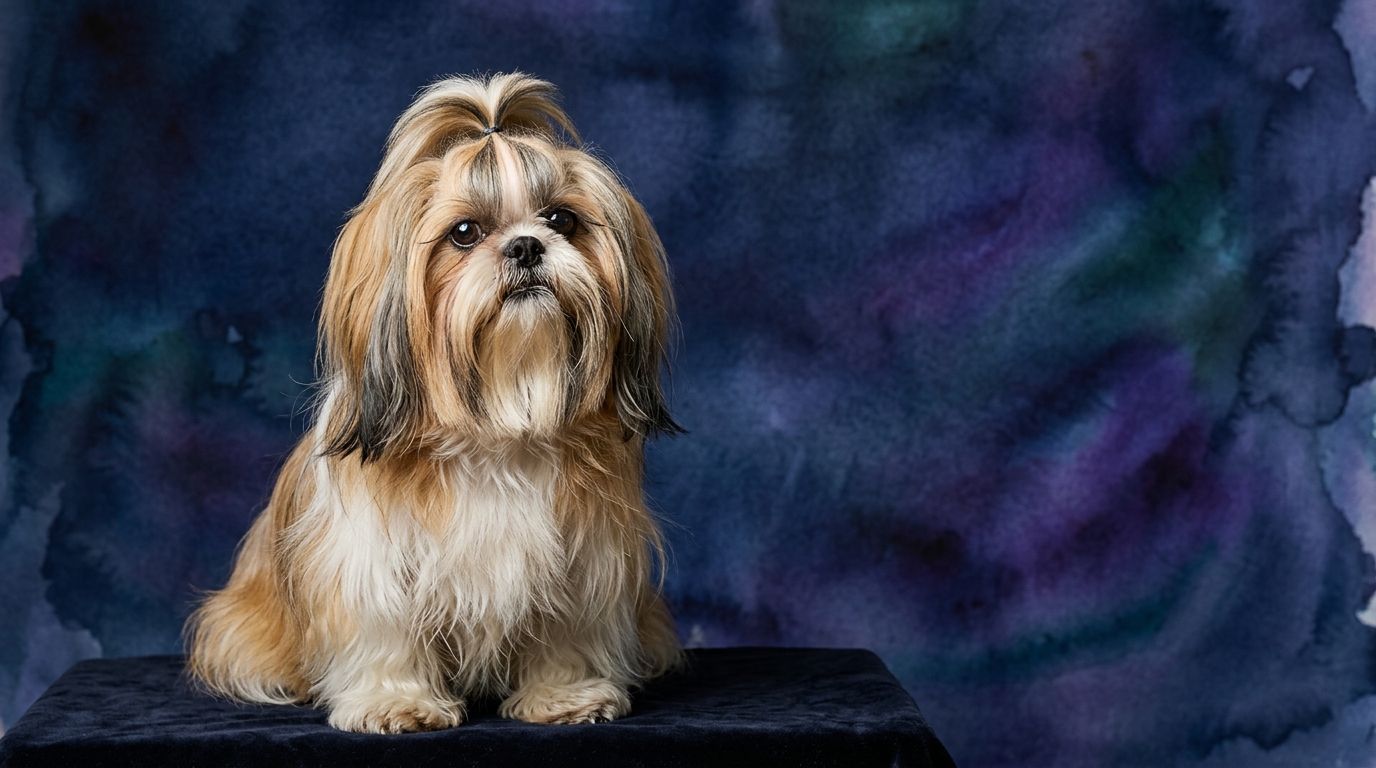
Side-by-Side IQ Profile: Miniature Schnauzer vs. Shih Tzu
At The Cosmic Pet Pet IQ Lab, we analyze canine intelligence across five key dimensions. The Miniature Schnauzer, a Terrier breed ranking #12 on the Coren scale, presents a distinct cognitive blueprint. They score 4/5 in Problem Solving, indicating a robust capacity to navigate novel situations and figure out solutions, demonstrating a logical approach to obstacles. Their Training Speed is an impressive 5/5, meaning they learn new commands and routines with exceptional swiftness, often grasping concepts in very few repetitions. In Social Intelligence, they achieve a 4/5, adept at understanding human cues and intentions, capable of forming strong bonds and responding appropriately in social settings. An Instinctive Drive of 4/5 highlights their strong natural inclination for purposeful activity, often rooted in their terrier heritage of vigilance and pursuit. Finally, their Memory is rated 4/5, ensuring they retain learned information and experiences effectively, showing reliable recall for commands, routines, and past interactions.
In contrast, the Shih Tzu, a Toy breed with a Coren rank of #70, offers a different set of cognitive strengths. Their Problem Solving is rated 3/5, showing a moderate ability to tackle new challenges, often preferring familiar routines but capable of adapting with guidance. Training Speed for the Shih Tzu is 2/5, which means they require a more patient and consistent approach, taking longer to internalize new commands and behaviors. Where they truly shine is in Social Intelligence, scoring a perfect 5/5, showcasing an outstanding aptitude for reading human emotions and social dynamics, thriving on companionship and interaction. Their Instinctive Drive is lower at 2/5, displaying less inherent motivation for independent tasks or sustained physical activity, primarily driven by comfort and social connection. Their Memory is 3/5, indicating a reasonable recall for routines and familiar people, though complex sequences or less frequently reinforced commands may require more effort to retain.
Where the Miniature Schnauzer Wins Cognitively
The Miniature Schnauzer's cognitive strengths distinctly lie in its operational intelligence and capacity for engagement. With a Problem Solving score of 4/5, they are adept at analyzing situations and devising strategies, whether it's figuring out how to open a cabinet or navigating a complex agility course. This isn't just about raw processing power; it's about applying learned knowledge to new contexts, a hallmark of flexible thinking. Their Instinctive Drive of 4/5 further fuels this, providing the intrinsic motivation to engage with tasks and challenges, turning mental energy into purposeful action. This drive, rooted in their terrier background, means they are often eager to participate in activities that require focus and a goal, such as scent work or puzzle toys.
Moreover, their Memory score of 4/5 ensures that these problem-solving efforts and learned solutions are retained efficiently, allowing them to build upon past successes. A Schnauzer remembers which sequence of actions led to a treat or how a particular obstacle was overcome, making their learning cumulative and robust. This cognitive profile makes them particularly effective in roles that demand sustained mental engagement and the ability to work through challenges independently or in partnership with an owner, showcasing a persistent and adaptable intellect for practical tasks.
Where the Shih Tzu Wins Cognitively
Conversely, the Shih Tzu's cognitive forte is undeniably its exceptional Social Intelligence, scoring a perfect 5/5. This isn't merely about being affectionate; it's a profound ability to perceive and respond to the subtle nuances of human emotion and social environments. A Shih Tzu can often sense an owner's mood, offering comfort or playful distraction with remarkable precision, a testament to their deep empathetic understanding. They excel at adapting their behavior to maintain social harmony, making them incredibly intuitive and responsive companions. This high social acumen means they are masters of non-verbal communication, often using eye contact, body language, and subtle vocalizations to convey their needs and interpret ours.
While their Instinctive Drive (2/5) is lower, their social intelligence drives their interactions, making them highly motivated by connection rather than task completion. This cognitive strength translates into an unparalleled capacity for companionship, where their primary 'work' is fostering emotional bonds. Their moderate Problem Solving (3/5) and Memory (3/5) are often leveraged in the service of their social goals, such as remembering the routines that lead to cuddle time or the specific sounds that signal an owner's return. For the Shih Tzu, understanding and navigating the complex landscape of human relationships is their ultimate cognitive triumph, making them consummate emotional support animals.
Which is Easier to Train and Why?
When it comes to formal training, the Miniature Schnauzer presents a distinct advantage, primarily due to its stellar Training Speed of 5/5. They are quick studies, often picking up new commands, tricks, and routines in a handful of repetitions. This rapid assimilation is bolstered by their 4/5 Problem Solving ability, allowing them to quickly discern what is being asked of them and experiment with behaviors until they find the correct response. Their 4/5 Instinctive Drive also means they are often keen to engage in structured activities, viewing training as a stimulating outlet for their mental energy. This combination makes them highly responsive to positive reinforcement and capable of mastering a wide repertoire of behaviors, from basic obedience to advanced canine sports, demonstrating a keen eagerness to learn and comply.
The Shih Tzu, with its Training Speed of 2/5, requires a significantly more patient and consistent approach. While certainly capable of learning, they take longer to internalize commands and may need many more repetitions over an extended period. Their Problem Solving at 3/5, while adequate, isn't geared towards quickly deciphering complex tasks, and their lower Instinctive Drive (2/5) means they might not always see the inherent value in performing a task for its own sake. Training a Shih Tzu often relies heavily on leveraging their 5/5 Social Intelligence; they respond best when training is framed as a cooperative, bonding experience, with ample praise and affection serving as primary motivators. Owners must be prepared for a slower, more relationship-focused training journey, celebrating small successes and maintaining a positive, encouraging environment, understanding that patience is paramount.
Suitability for Active vs. Relaxed Owners
The cognitive profiles of these breeds clearly delineate their suitability for different owner lifestyles. An active owner seeking a canine partner for engagement and shared activities would likely find a Miniature Schnauzer to be an ideal match. Their 4/5 Problem Solving and 4/5 Instinctive Drive mean they thrive on mental challenges, structured play, and opportunities to expend energy purposefully. These dogs enjoy learning new sports, going on varied walks, and participating in activities that require them to think and act. Their robust memory and quick training speed make them excellent candidates for advanced obedience, agility, or even therapy work, requiring an owner willing to provide consistent mental stimulation and physical exercise to keep their sharp minds occupied.
Conversely, a relaxed owner prioritizing companionship and emotional connection would likely find the Shih Tzu more aligned with their lifestyle. With a lower Instinctive Drive (2/5) and a paramount Social Intelligence (5/5), Shih Tzus are content with less strenuous physical demands and flourish in environments rich with human interaction. They excel at simply 'being' with their people, offering comfort and absorbing the emotional atmosphere of the home. While they still benefit from regular, gentle walks and basic training, their primary need is for close, affectionate companionship, making them perfect lap dogs and empathetic confidantes for those who value a serene, deeply bonded relationship above high-octane activities.
The Verdict
Choose a Miniature Schnauzer if you desire an engaged, task-oriented companion eager to learn, solve puzzles, and participate in active, mentally stimulating pursuits.
Opt for a Shih Tzu if your priority is a deeply empathetic, affectionate companion who excels at social bonding and thrives in a calm, emotionally rich home environment.
🧠 Find Your Pet's IQ Score
Our Pet IQ Lab assessment covers 25+ tests across 5 cognitive dimensions — personalized to your breed.
Take the Full IQ Test →Frequently Asked Questions
Do Miniature Schnauzers require a lot of mental stimulation?
Yes, with a Problem Solving score of 4/5 and a strong Instinctive Drive, Miniature Schnauzers benefit significantly from regular mental challenges. Puzzle toys, training sessions, and varied experiences keep their active minds engaged and prevent boredom.
Is it difficult to train a Shih Tzu?
Training a Shih Tzu requires patience and consistency due to their Training Speed of 2/5, but it is certainly achievable. Focusing on positive reinforcement and leveraging their high Social Intelligence makes training a bonding experience rather than a chore.
How do their social needs differ?
Miniature Schnauzers (Social Intelligence 4/5) are social and form strong bonds, enjoying interactive engagement. Shih Tzus (Social Intelligence 5/5) have an exceptionally high social need, thriving on constant companionship and emotional connection, often preferring close physical proximity.