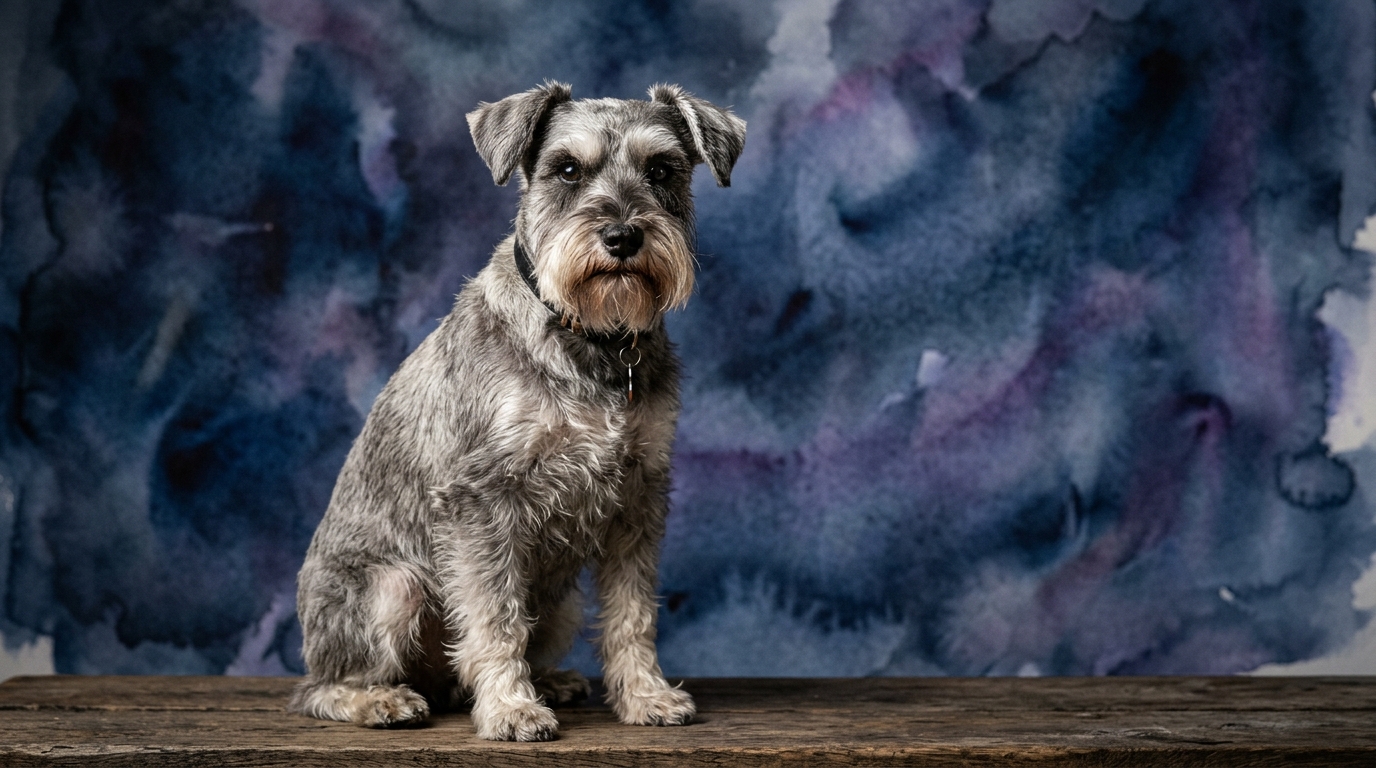
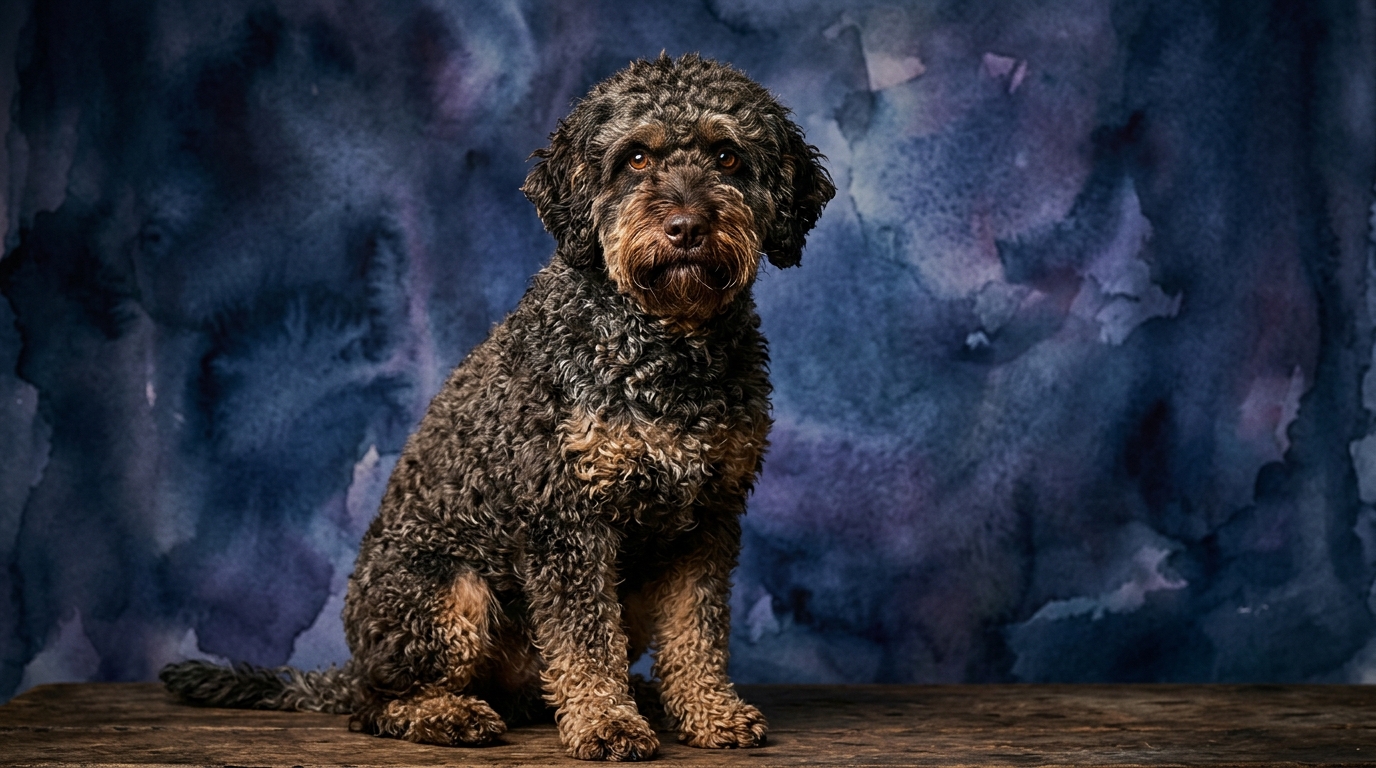
Side-by-Side IQ Profile: Miniature Schnauzer vs. Spanish Water Dog
To understand the cognitive landscape of these breeds, The Cosmic Pet Pet IQ Lab employs a five-dimensional framework, allowing for a granular look at their mental aptitudes. This profile helps illuminate not just their capacity to learn, but also how they interact with their world and their human companions.
The Miniature Schnauzer, a robust member of the Terrier group, consistently demonstrates a sharp, eager intellect, reflected in its Coren rank of #12. Their problem-solving capacity sits at a robust 4/5, indicating a resourceful nature in navigating obstacles or figuring out puzzle toys. Training speed is a standout at 5/5, showcasing their remarkable ability to quickly grasp and execute commands. Social intelligence also scores high at 4/5, highlighting their attentiveness to human cues and a strong desire for interaction. Their instinctive drive, rated 4/5, manifests as a keen alertness and a purposeful, often prey-driven focus. Lastly, their memory, at 4/5, ensures they retain learned behaviors and routines effectively, making them reliable companions once lessons are established.
In contrast, the Spanish Water Dog, a versatile Herding breed not yet included in Coren's ranking, presents a different cognitive blueprint. Their problem-solving is rated 3/5, suggesting a capable but perhaps more deliberate approach to novel challenges, often relying on observation and experience. Training speed, also at 3/5, indicates they learn at a moderate pace, requiring consistent reinforcement rather than instant mastery. Social intelligence, at 3/5, points to a discerning nature; they are observant of their human companions but might be less overtly effusive in their interactions. Their instinctive drive, rated 3/5, is rooted in their herding heritage, involving a natural inclination to gather and manage, rather than the terrier's chase. Memory, at 3/5, is sound, but like their training speed, benefits from regular refreshers to solidify recall.
Where the Miniature Schnauzer Excels Cognitively
The Miniature Schnauzer's cognitive profile reveals distinct advantages, particularly in the realm of direct engagement and rapid learning. Their superior training speed, a perfect 5/5 compared to the Spanish Water Dog's 3/5, means they typically acquire new commands and tricks with remarkable alacrity. This isn't just about rote memorization; it reflects an intrinsic eagerness to connect with their handler and a quick processing ability that makes structured learning sessions highly productive and rewarding. For owners interested in dog sports like obedience or agility, this rapid uptake is a significant asset, allowing for quicker progression through complex sequences. Furthermore, their problem-solving ability, rated 4/5, often manifests as a clever persistence in figuring out how to access treats from a dispenser or navigate a novel environment. They demonstrate a proactive curiosity, often attempting multiple solutions until they succeed, a trait that makes them adept at mental enrichment games. Their higher social intelligence (4/5) also gives them an edge in interpreting human emotions and intentions, leading to a more responsive and seemingly empathetic bond, making them highly attuned family members.
Where the Spanish Water Dog Shines Cognitively
While the Spanish Water Dog's individual scores might appear lower on paper, their cognitive strengths lie in a different domain, reflecting their heritage as independent working dogs. Their instinctive drive, rated 3/5, while not as intensely prey-focused as a terrier's, is deeply rooted in herding principles. This translates into a sophisticated spatial intelligence and an ability to independently assess and manage dynamic situations, such as moving livestock or patrolling a property. Their problem-solving (3/5) often involves a more measured, observational approach, where they might take time to process information before acting, rather than a frantic trial-and-error. This deliberate thinking can lead to robust, well-considered solutions in practical scenarios. Their social intelligence, also 3/5, while less overtly demonstrative, often indicates a discerning loyalty and a keen awareness of their immediate family unit, rather than a broad desire to engage with all strangers. They develop deep bonds with their chosen people, and their observational skills allow them to anticipate needs within their social circle. This blend of independence and focused observation fosters a self-reliant intelligence, where the dog is capable of making sound judgments without constant human direction, a valuable trait for their traditional roles.
Training Dynamics: Which is Easier to Guide?
When evaluating ease of training, the Miniature Schnauzer generally holds a clear advantage due to its exceptional training speed (5/5) and strong desire to please. Their terrier zest, when channeled appropriately, translates into focused enthusiasm for learning. They typically respond well to positive reinforcement methods, quickly associating commands with rewards and thriving on the mental engagement of training sessions. This breed often enjoys the 'work' of learning new things, making them a joy to train for both novice and experienced owners. Their higher social intelligence also means they are often more receptive to human communication and eager to comply. In contrast, the Spanish Water Dog, with its moderate training speed (3/5) and independent nature, can present more of a challenge. While certainly capable of learning, they require a patient, consistent, and reward-based approach. Their herding background instills a degree of self-sufficiency, meaning they might not always see the immediate necessity of obeying a command if it doesn't align with their perceived 'job' or instincts. Early and continuous socialization is paramount to ensure they are comfortable with new experiences and people, mitigating their natural reserve. An owner needs to be prepared for a longer training curve and potentially more creative methods to maintain engagement with a Spanish Water Dog, building a strong relationship based on trust and clear communication.
Matching Cognitive Needs to Owner Lifestyles
The choice between these two breeds also hinges significantly on an owner's lifestyle and activity levels. The Miniature Schnauzer, while possessing terrier energy, is remarkably adaptable. They thrive on consistent daily walks, interactive play, and mental enrichment, but they don't typically demand non-stop, high-intensity exertion. Their problem-solving and social intelligence mean they enjoy engaging in varied activities like trick training, nose work, or even moderate agility, making them suitable for owners who enjoy canine companionship and mental engagement without needing an extreme athlete. They can be content with a more relaxed pace provided their needs for interaction and mental stimulation are met. The Spanish Water Dog, however, is unequivocally suited for active owners. Their herding heritage dictates a profound need for substantial physical exercise and mental stimulation. These dogs require a 'job' to feel fulfilled, whether that's regular runs, long hikes, swimming, or participation in dog sports such as agility, dock diving, or actual herding trials. A relaxed owner who cannot commit to several hours of vigorous activity and mental challenges daily will likely find a Spanish Water Dog becomes bored, potentially leading to destructive behaviors or excessive vocalization. Their independent nature and energy demand an owner who is equally active and committed to channeling their working drive constructively.
The Verdict
Choose the Miniature Schnauzer if you desire a highly interactive, quick-to-learn companion eager to engage in structured training and social activities, offering a responsive and spirited presence in your home.
Opt for the Spanish Water Dog if you lead an active lifestyle, are prepared to provide consistent physical and mental challenges, and appreciate an independent yet deeply loyal companion with a nuanced, self-sufficient intelligence.
🧠 Find Your Pet's IQ Score
Our Pet IQ Lab assessment covers 25+ tests across 5 cognitive dimensions — personalized to your breed.
Take the Full IQ Test →Frequently Asked Questions
Is the Miniature Schnauzer prone to stubbornness during training?
While Miniature Schnauzers are quick learners, their terrier tenacity can sometimes be perceived as stubbornness. Consistent, positive reinforcement and making training fun will effectively channel their spirited nature into cooperation, rather than resistance, making them very trainable.
Do Spanish Water Dogs require professional training due to their independence?
Spanish Water Dogs benefit significantly from early and consistent training, though professional help isn't always mandatory. Their independent nature means owners must be patient and clear; professional guidance can be very helpful in establishing effective communication and managing their working drives, especially for first-time owners of herding breeds.
How do their social intelligence differences impact household dynamics?
The Miniature Schnauzer's higher social intelligence often translates to them being more overtly attuned to family moods and eager for interaction, potentially making them more integrated into daily human activities. The Spanish Water Dog, while loyal, might be more reserved with strangers and discerning in their affections, forming deep bonds with their immediate family but perhaps requiring more time to warm up to outsiders.