
Side-by-Side Cognitive Profiles: Decoding Canine Aptitudes
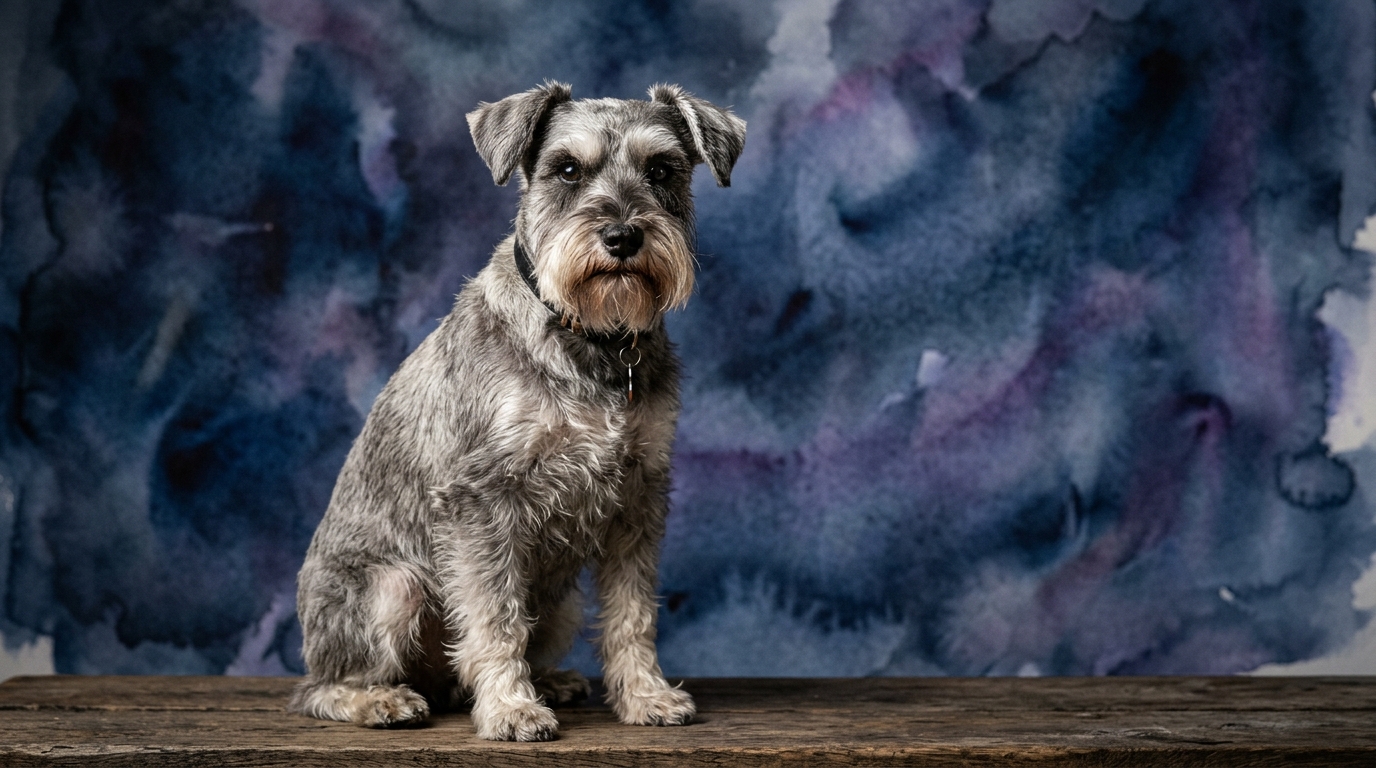
The Cosmic Pet Pet IQ Lab employs a five-dimensional framework to assess canine intelligence, offering a nuanced understanding beyond simple rankings. For the Miniature Schnauzer, holding a Coren rank of #12, their profile shows a Problem Solving score of 4/5, indicating a strong capacity to navigate novel situations and figure out solutions. Their Training Speed is an impressive 5/5, reflecting a rapid grasp of new commands and routines. Social Intelligence stands at 4/5, signifying an aptitude for understanding human cues and social dynamics, while an Instinctive Drive of 4/5 suggests a pronounced, but manageable, inclination towards their terrier heritage of chasing and investigating. Memory for this breed is also 4/5, meaning they retain learned information and experiences effectively over time.
The Weimaraner, ranked #21 by Coren, presents a slightly different cognitive architecture, tailored to their sporting background. Their Problem Solving score of 4/5 mirrors the Schnauzer's, indicating a similar ability to tackle mental challenges. Training Speed is rated 4/5, suggesting they learn quickly, though perhaps requiring a few more repetitions than their terrier counterpart. Social Intelligence is also 4/5, showcasing their attunement to human interaction and collaboration. Where the Weimaraner truly distinguishes itself is its Instinctive Drive, scoring a perfect 5/5, a testament to their deep-seated hunting and retrieving instincts. Their Memory is rated 4/5, demonstrating a solid capacity for recalling training and past events.
Where the Miniature Schnauzer Excels Cognitively
The Miniature Schnauzer's primary cognitive advantage lies in its superior Training Speed, rated 5/5. This means they are exceptionally quick to pick up new commands and cues, often requiring fewer repetitions to solidify a behavior. Their terrier tenacity, coupled with this rapid learning, makes them highly responsive to structured training environments. They excel in obedience and dog sports that demand precision and a rapid understanding of sequences, often outperforming breeds with comparable problem-solving scores due to their sheer speed of acquisition.
Their Problem Solving score of 4/5, combined with their training aptitude, translates into an agile mind capable of adapting to various household challenges. A Miniature Schnauzer might quickly figure out how to open a cabinet door or manipulate a puzzle toy with minimal guidance, applying learned principles to new scenarios. This adaptability makes them particularly adept at navigating the complexities of a varied family routine, often anticipating changes and adjusting their behavior accordingly.
Where the Weimaraner Excels Cognitively
The Weimaraner’s cognitive strengths are deeply rooted in their formidable Instinctive Drive, a perfect 5/5. This inherent drive translates into an exceptional focus and endurance for tasks related to their working heritage, such as tracking, retrieving, and scent work. They possess an almost unparalleled capacity to maintain concentration on a target or task over extended periods, making them outstanding partners for activities requiring sustained effort and purpose. Their problem-solving (4/5) in these contexts often involves complex environmental navigation and strategic pursuit, showcasing a methodical application of their natural aptitudes.
While their Training Speed is 4/5, their high instinctive drive means they are highly motivated to work and please, especially when tasks align with their natural inclinations. This strong drive, paired with their solid memory (4/5), allows them to recall intricate sequences of commands and field patterns, making them proficient in advanced sporting disciplines. They learn by doing and excel when their cognitive engagement is tied to a tangible outcome, such as finding a hidden object or completing an agility course with purpose.
Which Breed is Easier to Train, and Why?
When considering ease of initial training for general obedience, the Miniature Schnauzer generally holds an edge due to its 5/5 Training Speed. They tend to grasp basic commands like 'sit,' 'stay,' and 'come' with remarkable swiftness, often requiring fewer repetitions to achieve reliability. Their relatively lower Instinctive Drive (4/5) compared to the Weimaraner means they might be less prone to distraction by environmental stimuli, allowing them to focus more intently on the trainer during early learning phases. This makes them highly rewarding for novice trainers or those seeking a dog that quickly integrates into a structured routine.
The Weimaraner, with a 4/5 Training Speed, still learns quickly, but their formidable 5/5 Instinctive Drive introduces a different dynamic. While eager to please and highly motivated, their strong prey drive and need for purposeful activity can make them more challenging to focus in distracting environments. Training a Weimaraner often requires more consistent engagement, creative methods to channel their drive, and a clear understanding of their natural working tendencies. They might learn new behaviors rapidly when highly motivated, but maintaining their attention away from a compelling scent or movement demands a skilled and patient approach, making them a better fit for experienced handlers who can leverage their drive effectively rather than suppress it.
Matching Canine Cognition to Owner Lifestyle: Active vs. Relaxed Owners
The Weimaraner is unequivocally suited for highly active owners who embrace an adventurous, outdoor-centric lifestyle. Their 5/5 Instinctive Drive and the energy that accompanies it demand substantial daily physical and mental engagement. Owners who enjoy running, hiking, biking, or participating in dog sports like agility, obedience, or field trials will find an ideal companion in a Weimaraner. Their capacity for sustained activity means a short walk around the block is insufficient; they thrive on purposeful outings that challenge both their bodies and minds, requiring owners to be equally committed to an energetic routine. A Weimaraner's need for consistent, robust engagement means they are not a match for relaxed owners seeking a largely sedentary companion.
The Miniature Schnauzer, while not a couch potato, is a more versatile fit for a broader range of active lifestyles. Their 4/5 Instinctive Drive and solid cognitive scores mean they enjoy regular walks, playtime, and mental challenges such as puzzle toys or learning new tricks. They adapt well to urban living, provided their owners commit to daily exercise and consistent mental stimulation. Owners who are active but might not participate in intense, multi-hour outdoor excursions daily would find the Schnauzer’s needs more manageable. They appreciate engagement but are generally content with a varied routine that includes both vigorous activity and calmer indoor interaction, making them suitable for owners who are active but also enjoy periods of relaxation at home.
The Verdict
Choose the Miniature Schnauzer if you prioritize rapid learning for general obedience, desire a highly adaptable companion for varied routines, and appreciate a dog that integrates quickly into family life with moderate but consistent activity.
Opt for the Weimaraner if you lead an exceptionally active lifestyle, are prepared to channel a powerful instinctive drive into purposeful activities, and seek a dedicated partner for demanding outdoor adventures and canine sports.
🧠 Find Your Pet's IQ Score
Our Pet IQ Lab assessment covers 25+ tests across 5 cognitive dimensions — personalized to your breed.
Take the Full IQ Test →Frequently Asked Questions
Do Miniature Schnauzers need a lot of mental stimulation?
Yes, with a Problem Solving score of 4/5 and strong memory, Miniature Schnauzers benefit greatly from mental challenges. Daily puzzle toys, training sessions, and opportunities to explore new environments help keep their agile minds engaged and prevent boredom-related behaviors.
Are Weimaraners good for first-time dog owners?
Weimaraners can be challenging for first-time owners due to their very high Instinctive Drive (5/5) and substantial exercise requirements. They thrive with experienced handlers who understand how to channel their energy and provide consistent, structured training that leverages their cognitive abilities effectively.
How do their social intelligence scores impact their interaction with families?
Both breeds have a 4/5 Social Intelligence score, indicating a good capacity to understand human cues and integrate into family dynamics. Miniature Schnauzers tend to be alert and responsive to their household, while Weimaraners form deep bonds and are highly attuned to their family members' moods, often seeking close companionship and active participation in family life.