
Side-by-Side IQ Profile: Interpreting Identical Scores
At first glance, the Neapolitan Mastiff and the Borzoi present an identical cognitive blueprint according to The Cosmic Pet IQ Lab, each scoring a 3/5 across problem-solving, training speed, social intelligence, instinctive drive, and memory. However, these identical numerical values are merely starting points, as the manifestation of these traits is profoundly influenced by their distinct ancestral roles and physical attributes. Understanding these nuances is crucial to appreciating their individual forms of mental dexterity.
For the Neapolitan Mastiff, a breed historically tasked with guarding and protection, their 3/5 in **Problem Solving** often manifests as a methodical, deliberate assessment of their environment, particularly concerning perceived threats or changes to their territory. They might ponder how to best position themselves to observe a new visitor or navigate an obstacle with considerable physical presence. Their **Training Speed** at 3/5 reflects a steady learning curve, requiring consistency and patience, as their independent nature means they will comply once they understand the 'why' or perceive value in the command. **Social Intelligence** at 3/5 for a Mastiff typically translates to deep loyalty within their family unit, coupled with a reserved or wary disposition towards strangers, discerning true threats from benign interactions. Their **Instinctive Drive** (3/5) is powerfully rooted in guardianship and territorial defense, exhibiting a strong protective impulse. Finally, their **Memory** (3/5) is often tied to remembering routines, boundaries, and the individuals associated with their home and family.
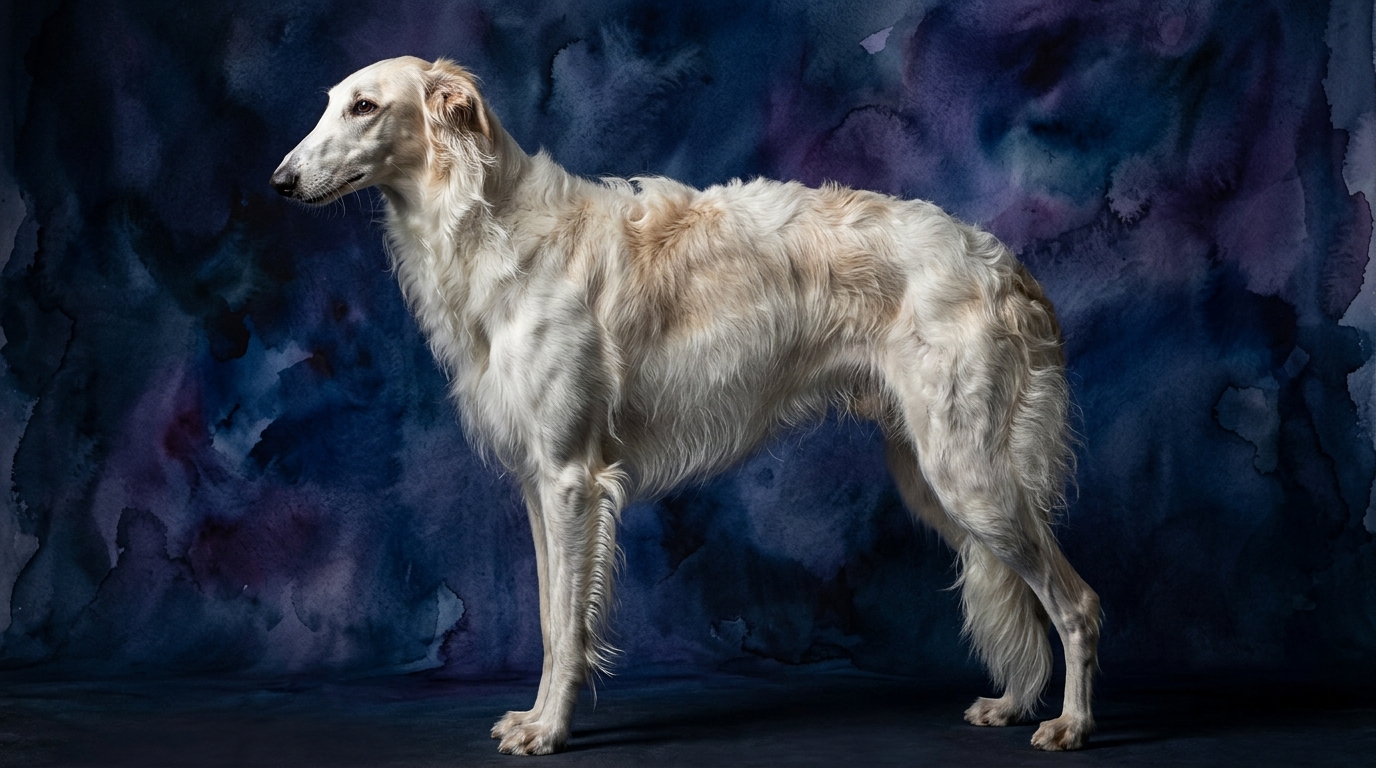
The Borzoi, a sighthound bred for coursing swift prey across vast distances, interprets the same 3/5 scores through a different lens. Their **Problem Solving** (3/5) is often applied to dynamic situations, such as calculating the optimal pursuit path for a moving object, navigating complex terrain while at speed, or figuring out creative ways to secure a comfortable lounging spot. Their **Training Speed** at 3/5 means they grasp concepts readily, but their independent sighthound spirit requires engaging, reward-based methods that acknowledge their sometimes-ephemeral focus, especially if a distant movement catches their eye. **Social Intelligence** (3/5) in a Borzoi typically means a polite, often aloof demeanor with strangers, combined with a gentle, affectionate bond with their chosen family, understanding social cues with quiet observation. Their **Instinctive Drive** (3/5) is predominantly a powerful prey drive, an urge to chase and retrieve, honed over centuries. Their **Memory** (3/5) is often exceptional for recalling routes, the location of prime napping spots, or the habits of small, fast-moving critters.
Where the Neapolitan Mastiff Excels Cognitively
While both breeds score a 3/5 across the board, the Neapolitan Mastiff’s cognitive strengths shine particularly bright in contexts demanding steadfast loyalty and discerning protection. Their 3/5 problem-solving and social intelligence merge to create an exceptionally astute guardian. They don't react impulsively but rather assess situations with a profound, almost contemplative, approach, making them excellent judges of character within their perceived territory. This manifests as a measured response to new stimuli, distinguishing between a harmless delivery person and a genuine intruder with a calm, deliberate vigilance that is more effective than frantic barking. Their memory (3/5) for routines and past interactions further enhances this, allowing them to quickly identify deviations from the norm.
The Neapolitan Mastiff's instinctive drive for guardianship, while rated 3/5, is a dominant and deeply ingrained aspect of their cognitive makeup. This drive isn't just a physical impulse; it's interwoven with their problem-solving to create a sophisticated protective strategy. They demonstrate a remarkable ability to 'read' their human family's emotions and body language, often positioning themselves protectively or offering comfort with a subtle, reassuring presence. This deep emotional attunement, a specific facet of their social intelligence, gives them an edge in roles requiring a strong, empathetic bond and unwavering commitment to their household's well-being.
Where the Borzoi Excels Cognitively
The Borzoi, with its 3/5 scores, demonstrates a distinct cognitive brilliance in areas demanding independent thought, spatial awareness, and fluid adaptability, particularly in open environments. Their problem-solving (3/5) truly comes alive when navigating complex, dynamic scenarios, such as anticipating the movements of a squirrel across a large field or identifying the quickest route to a distant object. This isn't just about speed; it's about a sophisticated, real-time calculation of trajectories and obstacles, a mental agility honed by centuries of chasing swift prey. Their memory (3/5) supports this by allowing them to recall successful hunting strategies or optimal running paths, even across varied landscapes.
The Borzoi's instinctive drive (3/5) for pursuit is not simply a physical urge but a cognitively demanding activity. It requires immense focus and an ability to filter out distractions, dedicating their attention entirely to the moving target. Their social intelligence (3/5), while often expressed as polite reserve, also allows them to operate effectively as independent hunters while still understanding their place within a larger human or canine pack. This blend allows them to be both self-sufficient and gracefully cooperative when the situation demands, showcasing a unique balance of autonomy and social awareness that is highly effective in their historical role.
Which is Easier to Train and Why?
Comparing the Neapolitan Mastiff and Borzoi on ease of training, both rated 3/5 for training speed, requires looking beyond the score to their underlying temperaments and motivations. The Neapolitan Mastiff tends to be more deliberate in their learning process. They are not necessarily slow to grasp a command, but they require a strong, consistent leader and clear reasoning for why a command is important. Their independent and often stubborn nature means they will question the necessity of a task. Training a Mastiff is about building trust and respect, emphasizing positive reinforcement and patience; once they commit, their memory (3/5) ensures commands are retained. However, their physical mass and guardian instincts mean early and consistent socialization and obedience are paramount to manage their inherent protective drive responsibly.
The Borzoi, despite the same 3/5 training speed, presents a different set of challenges. They are often described as having a 'cat-like' independence; they understand commands quickly but may choose not to obey if they don't see the immediate benefit or if something more interesting (like a fleeting movement) captures their attention. Their strong instinctive drive (3/5) for chasing can make off-leash reliability difficult without extensive, dedicated training in secure environments. Training a Borzoi thrives on engaging, positive methods that appeal to their playful side and avoid harsh corrections, which they will simply ignore. Consistency is vital, but so is making training feel like a game rather than a chore, leveraging their problem-solving (3/5) to engage their minds rather than just demanding rote obedience. Ultimately, neither is 'easy' in the conventional sense, but the Mastiff's training often focuses on channeling their protective instincts, while the Borzoi's centers on managing their independent spirit and prey drive.
Which Suits Active Owners vs. Relaxed Owners?
When considering owner lifestyles, the Neapolitan Mastiff and Borzoi cater to distinctly different preferences. The Neapolitan Mastiff, despite its imposing size, is generally better suited for a more relaxed owner, though 'relaxed' should not be mistaken for 'passive.' While they enjoy a daily walk and need opportunities for mental stimulation, their energy levels are relatively moderate. Their instinctive drive (3/5) for guarding means they are content observing their domain, preferring to be close to their family. They thrive in homes where they can be a constant, watchful presence, often preferring lounging near their people to extensive, strenuous activity. Their social intelligence (3/5) makes them deeply bonded companions who appreciate a calm, consistent home environment and an owner who understands their need for security and predictable routines. They are not built for endurance runs or agility courses.
The Borzoi, conversely, is an ideal match for moderately active owners. While they are often described as '45 mph couch potatoes' due to their ability to relax indoors, this belies their need for intense bursts of speed and exercise. Their instinctive drive (3/5) for running and chasing demands regular opportunities to gallop in a large, securely fenced area. They are not suitable for leash-only exercise as their sighthound instincts compel them to run. Owners must be prepared to provide these outlets, whether through lure coursing, long walks in safe, open spaces, or simply a big yard. Their problem-solving (3/5) and memory (3/5) are best engaged when they have opportunities to explore and interact with their environment in a physically dynamic way. While elegant and quiet indoors, they require a commitment to fulfilling their profound need for movement outdoors, making them a better fit for owners who enjoy providing these vigorous bursts of activity.
The Verdict: When to Choose Each
Choosing between a Neapolitan Mastiff and a Borzoi boils down to a clear understanding of their distinct cognitive applications and how they align with your lifestyle and expectations.
The Verdict
Choose the Neapolitan Mastiff if you seek a deeply loyal, protective companion who excels in deliberate guardianship and thrives in a calm, structured home environment. They are suited for owners who appreciate a formidable yet gentle presence and are prepared for a dog that learns steadily with consistent, patient guidance.
Opt for the Borzoi if you admire independent, elegant canines with a profound need for bursts of speed and freedom to run in secure spaces. They are ideal for active owners who can provide ample opportunities for their instinctive drives to be fulfilled and who appreciate a polite, sometimes aloof, but deeply affectionate companion.
🧠 Find Your Pet's IQ Score
Our Pet IQ Lab assessment covers 25+ tests across 5 cognitive dimensions — personalized to your breed.
Take the Full IQ Test →Frequently Asked Questions
Do Neapolitan Mastiffs and Borzoi get along with other pets?
Neapolitan Mastiffs, with proper socialization, can coexist with other pets, though their protective instincts may require careful introductions, especially with new animals. Borzoi often do well with other dogs, but their strong prey drive means small, fast-moving pets like cats or rabbits may trigger their hunting instincts and require cautious management.
Are these breeds suitable for first-time dog owners?
Neither breed is typically recommended for first-time dog owners due to their unique temperaments, size, and specific training needs. Both require experienced handling, consistent training, and owners who understand their distinct breed characteristics and cognitive nuances to ensure a well-adjusted companion.
What are the key differences in their exercise requirements?
The Neapolitan Mastiff requires moderate daily exercise, primarily walks and controlled playtime, focusing on mental stimulation due to their guarding role. The Borzoi, while calm indoors, needs regular, intense bursts of running in a securely fenced area to satisfy their sighthound instincts, making off-leash safety a primary concern.