
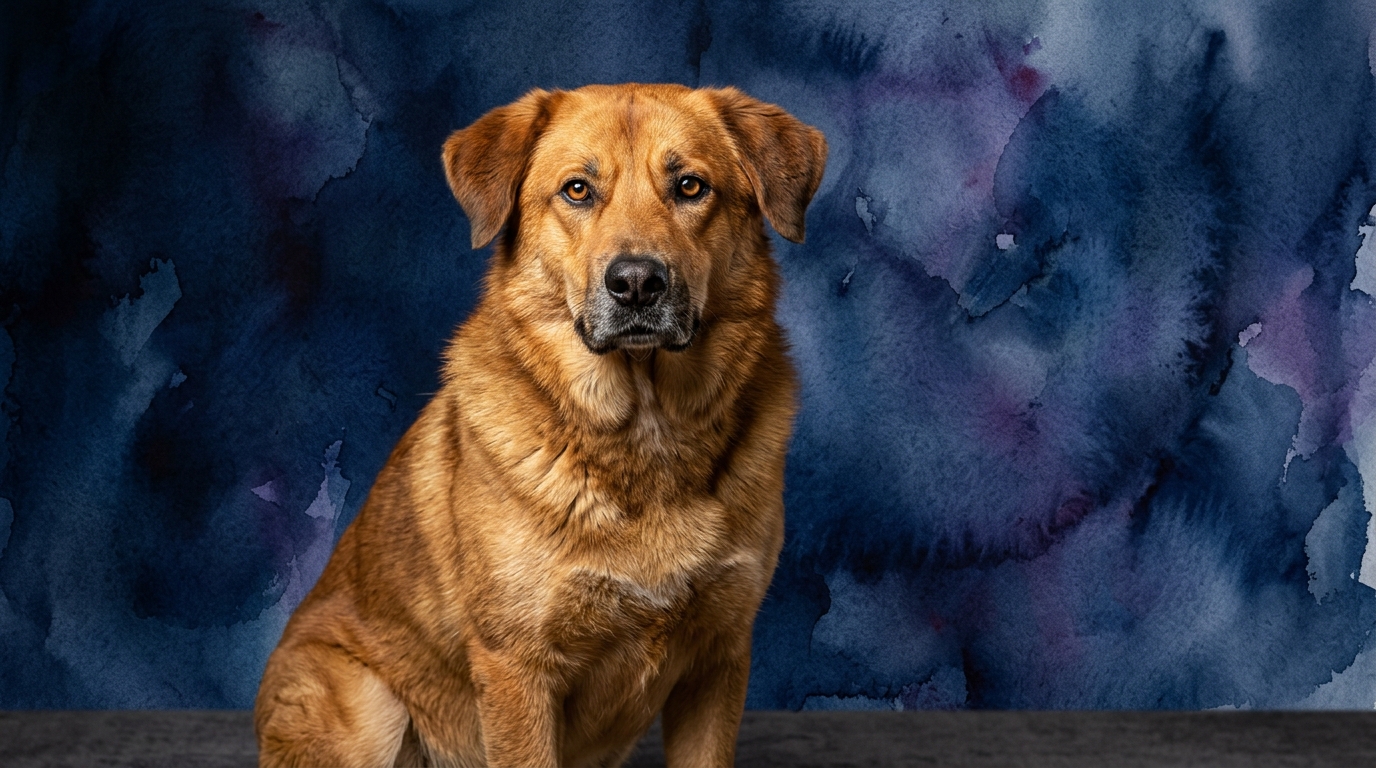
Side-by-Side IQ Profile: Neapolitan Mastiff vs. Chinook
**Neapolitan Mastiff:** The Neapolitan Mastiff approaches challenges with a deliberate, often ponderous intelligence. Their problem-solving typically involves assessing situations from a protective standpoint, identifying potential threats or inconsistencies in their environment. This isn't about quick, agile solutions, but rather a methodical evaluation, often leading to a carefully considered, if not immediate, response. For example, they might spend considerable time observing a new object in their yard before deciding whether it poses a threat or is benign. They excel in understanding complex social dynamics within their family unit and discerning subtle shifts in mood or intention, often responding with a comforting nudge or a watchful stance without explicit command. Training a Neapolitan Mastiff requires patience and consistency, as their learning speed is steady rather than rapid. They are not dogs that rush into new commands; instead, they process information thoroughly and, once they understand a concept and its purpose, it tends to stick. Their independent nature means they need to be convinced of the 'why' behind an instruction, rather than simply complying for the sake of it. If a command doesn't seem to have a clear benefit or logic from their perspective, they may choose to ignore it. Repetition in a calm, clear manner, coupled with positive reinforcement, yields the best results, building a foundation of trust and understanding. Neapolitan Mastiffs possess a profound social intelligence, primarily focused on their immediate family. They are acutely aware of the emotional states of their humans and can be incredibly empathetic, often mirroring the calmness or distress of their owners. Their social interactions outside their trusted circle are often reserved, displaying a discerning eye for new people and situations, rarely offering indiscriminate affection. They form deep, lifelong bonds and understand complex family hierarchies, positioning themselves as watchful, integral members who anticipate needs and maintain order within their perceived domain. The Mastiff's instinctive drive is heavily weighted towards guardianship and territorial protection. This manifests as an inherent need to observe and protect their territory and family, often without direct command, acting as a living security system. They possess a strong prey drive, but it is typically secondary to their protective instincts and often suppressed in favor of their primary role. Their drive to constantly observe and evaluate their surroundings, processing every sight and sound for potential anomalies, is a core component of their cognitive function, making them ever-vigilant. Neapolitan Mastiffs demonstrate a solid memory, particularly for routines, people, and past experiences related to their home and family. They remember specific commands, places, and individuals for extended periods, making recall reliable once a behavior is truly ingrained. Once they learn a pattern, such as the daily schedule or the specific route for a walk, or associate an individual with a positive or negative experience, that memory is often long-lasting, significantly influencing their future interactions and behaviors.
**Chinook:** Chinooks exhibit problem-solving skills that are often geared towards practical, task-oriented challenges, stemming from their sled dog heritage. They can figure out how to navigate obstacles on a trail, optimize a pulling path to conserve energy, or solve intricate puzzle toys that involve manipulation and sequential steps. Their approach is typically more active and experimental than the Mastiff's, often trying different solutions until one works, showing a persistent ingenuity. They are adept at understanding cause-and-effect in their environment, especially when it relates to achieving a goal, like opening a gate or finding a hidden treat. Chinooks learn at a consistent pace, often eager to engage in training sessions due to their strong desire for companionship and purpose. While not lightning-fast, they are attentive and willing participants, often picking up basic commands with relative ease. Their cooperative nature means they are generally receptive to new commands and concepts, particularly when positive reinforcement and clear communication are used. They thrive on structured learning and enjoy the mental stimulation that training provides, leading to reliable retention over time and an ability to build upon previously learned skills. The Chinook's social intelligence is characterized by a strong pack mentality and a generally outgoing, friendly disposition. They are highly attuned to their human companions' moods and intentions, often seeking to please and engaging in reciprocal interactions. They typically integrate well into multi-dog households and are generally amiable with strangers, though they maintain a watchful awareness of their surroundings. Their social cognition helps them thrive in cooperative working environments, making them excellent partners in activities and adaptable to various social settings. Chinooks possess a strong instinctive drive for companionship and work, often manifesting as a desire to pull, hike, or participate actively in family activities. Their historical role as sled dogs means they have an inherent drive for sustained effort, endurance, and cooperation within a team, finding satisfaction in having a 'job.' While they have a moderate prey drive, it is usually manageable with training and can be channeled through appropriate activities like flirt poles or supervised play. Their drive for engagement and purposeful activity is central to their cognitive makeup, making them happiest when involved. Chinooks have a robust memory, especially for learned tasks, routes, and positive associations. They remember commands, routines, and the individuals they interact with regularly, even after periods of absence. Their ability to recall complex sequences of actions, like those involved in sledding, agility courses, or scent work, is notable and allows them to perform multi-step tasks efficiently. They also remember past training experiences and the rewards associated with them, which helps build upon previously learned skills and reinforces desired behaviors.
Where the Neapolitan Mastiff Wins Cognitively
The Neapolitan Mastiff's cognitive strengths truly shine in scenarios demanding profound situational awareness and deliberate judgment, particularly concerning protection and understanding subtle social cues. Their problem-solving, while not rapid, involves a deeper, more analytical assessment of intent and nuanced environmental factors. For instance, a Mastiff might discern a subtle shift in a stranger's body language or tone that indicates potential discomfort or threat, reacting with a measured, rather than impulsive, response, perhaps by positioning itself between the perceived threat and its family. Their social intelligence allows them to act as an emotional barometer for their family, understanding unspoken needs or anxieties and responding with calm presence or a comforting nudge. This breed excels at interpreting complex, non-verbal communication within their trusted circle, offering a protective presence rooted in deep observation and thoughtful assessment of their surroundings.
Where the Chinook Wins Cognitively
The Chinook's cognitive advantages become apparent in tasks requiring sustained focus, adaptability, and cooperative problem-solving, especially in dynamic environments. Their intelligence is geared towards practical application and partnership. A Chinook might more readily devise a novel way to retrieve a toy from a tricky spot in varying terrain or figure out the most efficient path during a complex hike, demonstrating a more experimental and persistent approach to problem-solving. Their training speed benefits significantly from their inherent desire to work alongside humans and their cooperative drive, making them more adaptable to varied training methods and environments, especially those involving multi-step tasks, sequences, or new challenges. This breed excels in activities where teamwork and consistent effort lead to a shared goal, leveraging their excellent memory for complex procedures, routes, and learned cues to perform reliably and enthusiastically.
Which is Easier to Train and Why
While both breeds hold a 3/5 in training speed, the Chinook generally presents as easier to train due to its inherent cooperative nature and eagerness to please. Chinooks often view training as an engaging activity that strengthens their bond with their human, making them more receptive to instruction and less prone to stubbornness. Their drive for purpose means they actively seek to understand and perform tasks, often finding joy in the process itself. The Neapolitan Mastiff, conversely, possesses a more independent and self-assured temperament. They require a patient, consistent trainer who can clearly articulate the value of a command, often needing to be convinced that an action is worthwhile from their perspective. Their training success hinges more on establishing mutual respect and understanding, rather than immediate compliance, which can make the process feel slower or more challenging for novice owners.
Which Suits Active Owners vs. Relaxed Owners
The Chinook is a better match for active owners who enjoy outdoor adventures and structured activities. Their historical role as sled dogs means they thrive on regular exercise that engages both their body and mind, such as hiking, jogging, or dog sports like agility or canicross. Their cooperative nature makes them excellent companions for owners seeking a partner in their active lifestyle, as they genuinely enjoy shared experiences and purposeful work. The Neapolitan Mastiff, while requiring regular exercise for health, is generally better suited for more relaxed owners who appreciate a calm, watchful presence. Their cognitive needs lean more towards mental stimulation through observation, gentle walks, and understanding household routines, rather than intense physical exertion. Owners who value a quiet, protective companion and can provide a consistent, stable environment will find the Mastiff a rewarding fit, appreciating their serene yet vigilant nature.
The Verdict
Choose the Neapolitan Mastiff if you seek a calm, deeply loyal guardian with a deliberate, observant intelligence, appreciating a companion who is a quiet, protective presence in a stable home environment.
Opt for the Chinook if you desire an active, cooperative partner who thrives on shared adventures and structured mental and physical engagement, valuing a dog eager to work alongside you.
🧠 Find Your Pet's IQ Score
Our Pet IQ Lab assessment covers 25+ tests across 5 cognitive dimensions — personalized to your breed.
Take the Full IQ Test →Frequently Asked Questions
Do Neapolitan Mastiffs and Chinooks require different types of mental stimulation?
Yes, they do. Neapolitan Mastiffs benefit from observing their environment, understanding routines, and engaging in low-key problem-solving, like discerning new visitors. Chinooks, on the other hand, thrive on active mental tasks, such as learning new commands, engaging in puzzle toys, or participating in dog sports that involve sequences and problem-solving.
How does their social intelligence impact their suitability for families with children?
The Neapolitan Mastiff's social intelligence makes them devoted to their family, often displaying patience and a protective nature towards children within their trusted circle, though supervision is always key due to their size. Chinooks are generally amiable and playful, often integrating well into active family dynamics, viewing children as part of their pack and enjoying interactive play.
Are there any specific training techniques recommended for each breed due to their cognitive profiles?
For Neapolitan Mastiffs, positive reinforcement, consistency, and patience are crucial, focusing on building trust and making them understand the 'why' behind commands. For Chinooks, positive reinforcement combined with engaging, task-oriented training sessions that appeal to their desire to work and cooperate will yield the best results, often incorporating varied activities to maintain interest.