Side-by-Side Cognitive Profiles
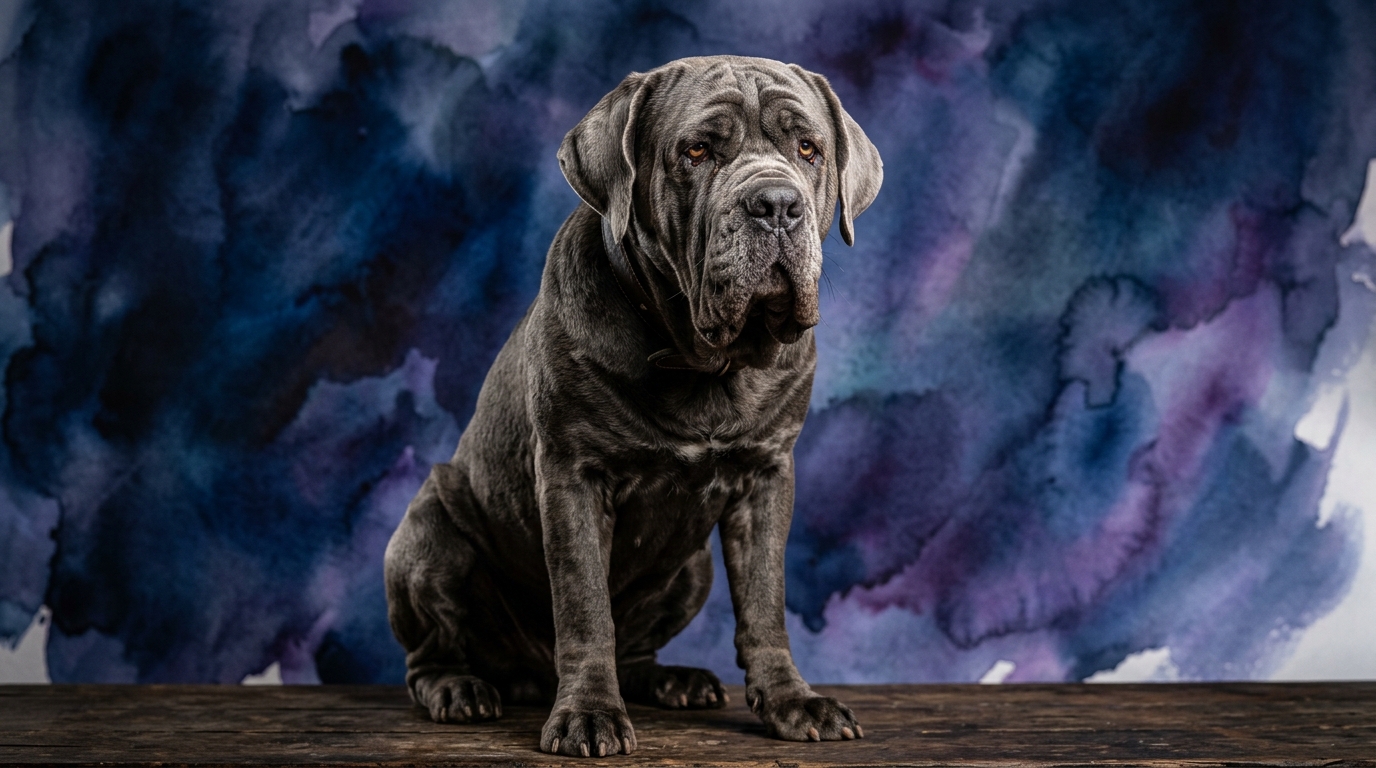
**Neapolitan Mastiff:**
**Problem Solving (3/5):** This score indicates a methodical approach to challenges, relying on learned experience and an innate sense of duty, particularly in protective scenarios. They assess situations with calm deliberation, preferring steady action over quick experimentation.
**Training Speed (3/5):** Neapolitan Mastiffs absorb commands with consistent, patient instruction. Their training speed reflects a need for clear communication and perceived purpose, responding best to trust-building methods rather than frivolous demands.
**Social Intelligence (3/5):** These mastiffs possess a nuanced understanding of family dynamics and external social cues. Their social intelligence manifests in differentiating welcomed visitors from potential threats, exhibiting profound loyalty and protective instinct through deep environmental reading.
**Instinctive Drive (3/5):** The Neapolitan Mastiff's drives are primarily rooted in guardianship and protection. This score signifies a strong, inherent impulse to watch over territory and family, displaying a vigilant, watchful nature rather than high-energy chase drives.
**Memory (3/5):** Neapolitan Mastiffs exhibit solid memory for routines, learned commands, and, crucially, for individuals deemed part of their inner circle or potential threats. This reliable recall contributes significantly to their effectiveness as guardians and family integration.
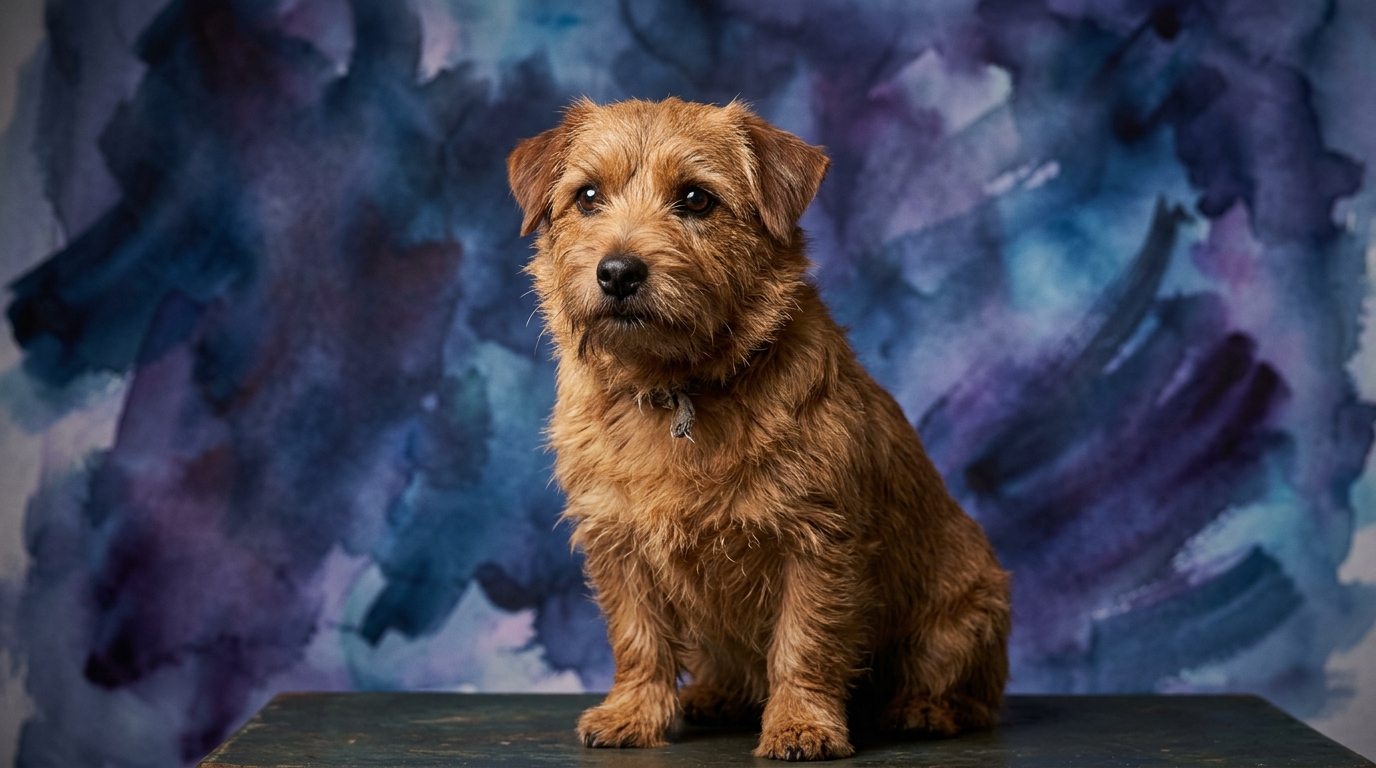
**Norfolk Terrier:**
**Problem Solving (3/5):** The Norfolk Terrier's problem-solving often manifests as resourceful determination, particularly when faced with a “mission.” This score suggests they are adept at figuring out how to get to a desired object or location, employing persistence and cunning, reflecting their vermin control heritage.
**Training Speed (3/5):** Norfolk Terriers learn at a moderate pace, but their independent spirit demands engaging, rewarding training. They pick up commands efficiently when motivated, but curiosity and occasional stubbornness require an approach making learning a collaborative game.
**Social Intelligence (3/5):** These terriers adeptly navigate social interactions within their family unit. Their social intelligence allows them to understand human moods and intentions, adapting playful overtures, though they may be reserved with strangers until trust is established.
**Instinctive Drive (3/5):** The Norfolk Terrier's instinctive drives are robust, centered around their terrier heritage: strong prey drive, propensity for digging, and keen alertness. This score indicates a persistent urge to explore, chase, and investigate, often requiring redirection.
**Memory (3/5):** Norfolk Terriers demonstrate reliable memory for learned commands, favorite people, and established routines. They recall specific locations or past interactions, aiding both training and environmental navigation, remembering where they hid a toy or encountered an interesting scent.
Where the Neapolitan Mastiff Cognitively Excels
While both breeds share a 3/5 score across all cognitive dimensions, the Neapolitan Mastiff often demonstrates a superior application of these capabilities in scenarios demanding calm, deliberate assessment and a profound sense of responsibility. Their problem-solving, for instance, shines when evaluating complex social situations, such as discerning the true intent of a stranger approaching the home, moving beyond superficial interactions to a deeper read of potential threat or welcome. This nuanced social intelligence, coupled with their powerful instinctive drive for guardianship, allows them to act as discerning, imposing deterrents. Furthermore, their memory supports a consistent, predictable protective routine, making them particularly effective in roles requiring sustained vigilance over a specific territory or family unit.
Where the Norfolk Terrier Cognitively Shines
The Norfolk Terrier's 3/5 scores, while numerically identical, translate into a distinct cognitive advantage in situations requiring agile mental and physical engagement, particularly in dynamic, exploratory contexts. Their problem-solving often manifests as tenacious resourcefulness in navigating confined spaces or overcoming obstacles to reach a goal, a legacy of their earthdog heritage. This is complemented by an instinctive drive that fuels persistent investigation and quick, decisive action in response to novel stimuli. Their memory is sharp for specific details related to their environment and activities, such as remembering a particular scent trail or the location of a hidden toy, making them adept at tasks requiring focused, independent exploration and rapid response.
Training Differences: Guiding the Giant vs. Engaging the Dynamo
Both breeds rate 3/5 for training speed, meaning neither is unilaterally “easy” or “difficult,” but rather requires tailored methods. The Neapolitan Mastiff, due to its size and protective instincts, demands consistent, firm, and patient training from an early age. They respond best to clear, calm leadership and methods building trust; their training is less about rapid-fire commands and more about deliberate understanding. Once a concept is grasped and deemed valuable, their memory ensures retention, making training physically demanding but often less about stubbornness than guiding a powerful, thoughtful companion.
The Norfolk Terrier's 3/5 training speed is often tempered by a strong, independent will and significant prey drive. They require engaging, positive reinforcement that stimulates their lively minds. Training sessions need to be varied and fun, as repetition without novelty can lead to disinterest. While smaller size makes physical management less daunting, their tendency to follow their nose or own agenda can make consistent obedience a mental exercise in patience and creativity for the owner, despite their willingness to learn.
Matching Canine Cognition to Owner Lifestyle
An owner's lifestyle energy is key. A Neapolitan Mastiff typically suits more relaxed owners who appreciate a calm, dignified presence. Despite their size, they are not high-energy dogs, content with moderate daily exercise. Their preferred state is often watchful repose, fitting individuals or families who enjoy a quiet, stable home and are prepared for the commitment of training a large guardian without requiring constant high-intensity activity.
Conversely, the Norfolk Terrier is ideal for active owners seeking a spirited, energetic partner. These small dogs possess surprising stamina and a zest for exploration, thriving on regular physical activity, including walks, play, and mental stimulation. An owner who enjoys hiking, dog sports, or simply appreciates a lively, inquisitive companion always ready for action will find the Norfolk Terrier a perfect match for their dynamic lifestyle.
The Verdict
Choose a Neapolitan Mastiff if you seek a calm, steadfast guardian with a profound sense of loyalty, thriving in a stable environment where their discerning protective instincts can be cultivated.
Opt for a Norfolk Terrier if you desire a tenacious, spirited companion who thrives on adventure and consistent mental and physical engagement, bringing lively curiosity to every day.
🧠 Find Your Pet's IQ Score
Our Pet IQ Lab assessment covers 25+ tests across 5 cognitive dimensions — personalized to your breed.
Take the Full IQ Test →Frequently Asked Questions
Are Neapolitan Mastiffs good family dogs despite their guarding instincts?
Yes, Neapolitan Mastiffs are generally deeply loyal and affectionate with their immediate family, including children, often displaying a gentle patience. Their guarding instincts are primarily directed outwards, making them discerning protectors who are typically calm and devoted within their trusted circle.
Do Norfolk Terriers bark a lot due to their terrier nature?
Norfolk Terriers can be prone to barking, particularly if they are bored, under-exercised, or perceive something needing their attention, reflecting their alert and vocal terrier heritage. Consistent training and sufficient mental and physical stimulation can help manage and reduce excessive barking.
Given their similar IQ scores, how should a potential owner differentiate between the two?
Differentiate by considering the application of their cognitive abilities and your lifestyle. The Mastiff applies its intelligence to deliberate guardianship and calm companionship, while the Terrier applies its smarts to energetic exploration and tenacious engagement with its environment, demanding different levels of owner participation and physical space.