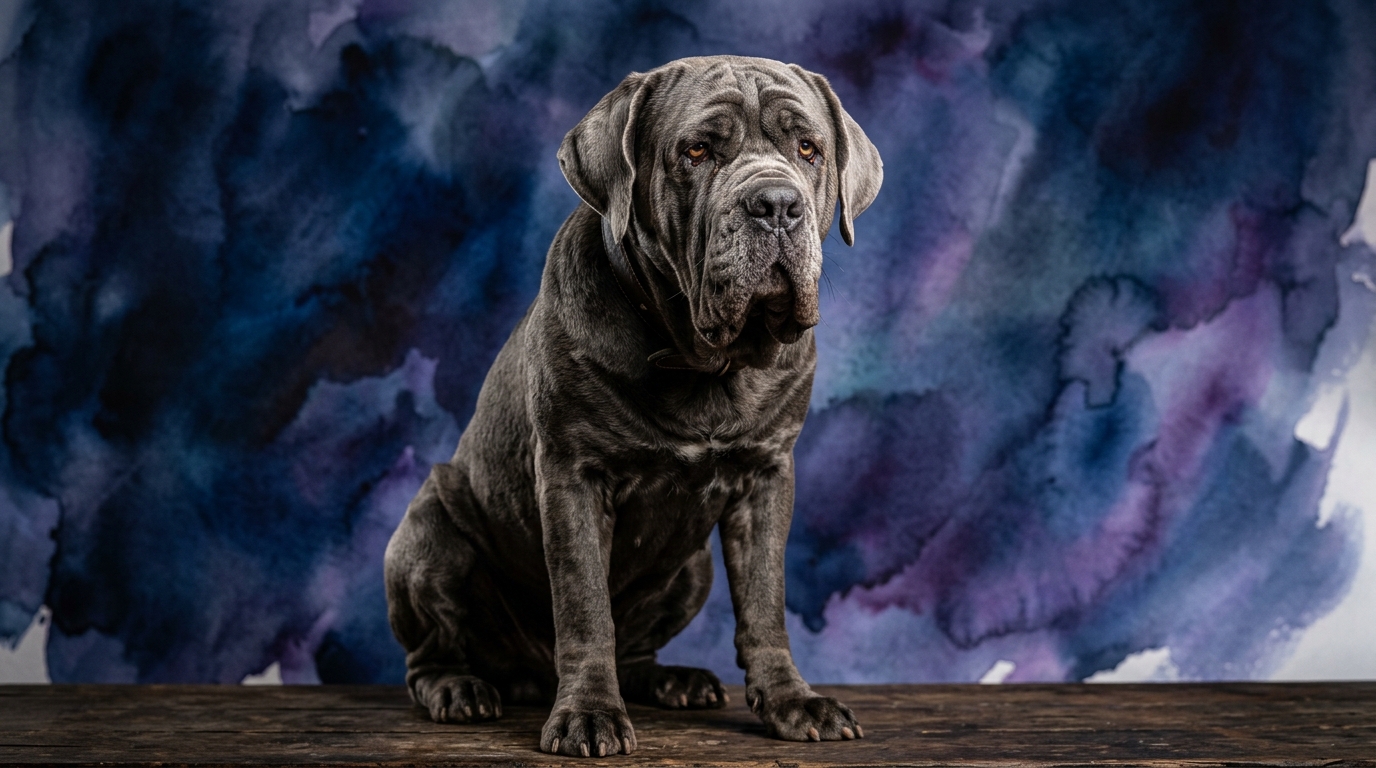
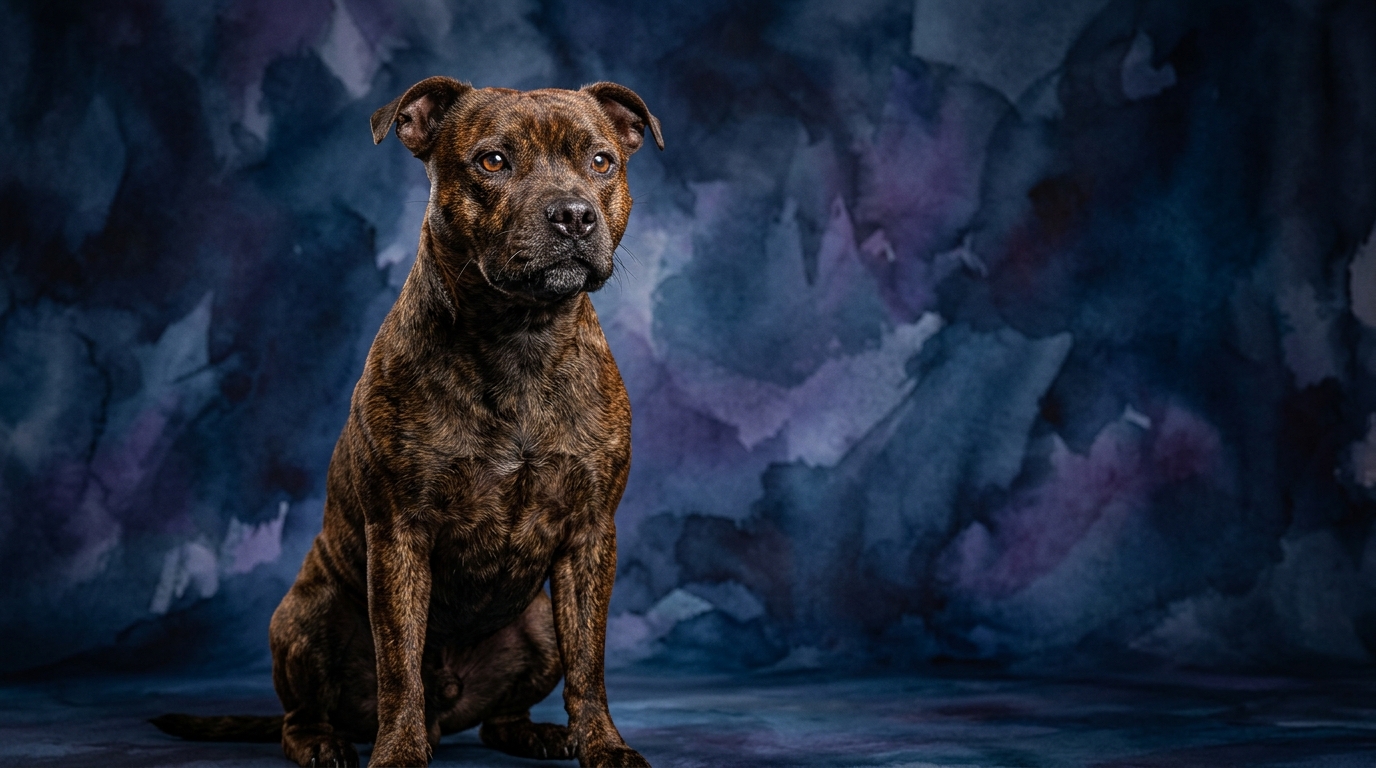
Side-by-Side IQ Profile: Neapolitan Mastiff vs. Staffordshire Bull Terrier
The Cosmic Pet Pet IQ Lab employs a five-dimensional framework to assess canine intelligence: Problem Solving, Training Speed, Social Intelligence, Instinctive Drive, and Memory. Interestingly, both the Neapolitan Mastiff (Working group) and the Staffordshire Bull Terrier (Terrier group) register a consistent 3/5 across all these cognitive dimensions. This identical numerical score, however, belies distinct manifestations of these abilities shaped by their breed heritage and physical attributes. A 3/5 indicates a solid, capable level of intelligence – not groundbreakingly innovative, but certainly effective and reliable within their respective contexts.
For the Neapolitan Mastiff, a 3/5 in each category suggests a deliberate, robust cognitive processing style. Their Problem Solving (3/5) often translates into a methodical assessment of situations, particularly those concerning their home and family. They approach challenges with a calm, discerning perspective, less about quick tricks and more about understanding the broader implications. Their Training Speed (3/5) reflects an ability to learn, but with a need for consistent, patient instruction that respects their independent nature; they absorb information over time, especially when they understand the 'why.' Social Intelligence (3/5) in a Neo means a profound, albeit often reserved, understanding of their immediate social circle, discerning familiar faces and intentions with subtle acuity. Their Instinctive Drive (3/5) is primarily channeled into a powerful, watchful guardianship, a quiet readiness to protect. Finally, Memory (3/5) allows them to retain routines, commands, and experiences, reinforcing their role as a reliable, consistent presence.
The Staffordshire Bull Terrier, also scoring 3/5 across the board, presents a different cognitive flavor. Their Problem Solving (3/5) is characterized by tenacity and a spirited approach to challenges, whether it's figuring out how to get to a favorite toy or manipulating their human for attention. This often involves a blend of physical agility and determined persistence. Their Training Speed (3/5) indicates a good capacity for learning, often with enthusiasm, thriving on positive reinforcement and engaging methods, though their exuberance might require focused redirection. Social Intelligence (3/5) for a Staffy is marked by an open, affectionate disposition and a keen ability to read human emotions, often displaying empathy and a strong desire for interaction. Their Instinctive Drive (3/5) manifests as a strong prey drive, a love for digging, and an intense desire for physical play and engagement. Their Memory (3/5) ensures they reliably recall commands, training cues, and the individuals they encounter, contributing to their adaptability and strong bonds.
Where the Neapolitan Mastiff Wins Cognitively
The Neapolitan Mastiff’s cognitive strengths particularly shine in domains demanding calm, deliberate discernment and an unwavering understanding of their territory and social boundaries. Their Problem Solving (3/5) is less about agility and more about a profound, almost intuitive, assessment of environmental security and social dynamics. This breed excels at identifying and remembering patterns related to their domain (Memory 3/5), swiftly noting anything out of place or new. Their Social Intelligence (3/5), while not outwardly effusive, grants them a unique capacity for subtle judgment, accurately discerning intentions and hierarchies within their known world. This translates into an exceptional ability to act as a stoic, consistent guardian, where their mental faculties are constantly processing and categorizing the world for the safety and order of their family.
Where the Staffordshire Bull Terrier Wins Cognitively
Conversely, the Staffordshire Bull Terrier demonstrates a distinct cognitive edge in areas requiring spirited adaptability, tenacious engagement, and a deep, empathetic connection with their human companions. Their Problem Solving (3/5) often manifests as a clever, persistent pursuit of goals, whether it’s retrieving a cherished item or initiating play, often employing multiple, enthusiastic attempts. Their Social Intelligence (3/5) is exceptionally strong in reading human emotions and responding with an eager, affectionate disposition, fostering remarkably strong, reciprocal bonds. While their Training Speed is also rated 3/5, their inherent desire to please and their energetic nature often make them appear more immediately receptive to novel commands and interactive activities, especially when these involve their beloved people, making them highly responsive partners in learning.
Which is Easier to Train and Why?
When considering ease of training, the distinction between these two breeds, despite their identical 3/5 training speed scores, lies in their inherent temperaments and motivations. The Neapolitan Mastiff, while capable of learning (Training Speed 3/5), requires a training approach rooted in immense patience, consistent leadership, and a deep understanding of their independent, often reserved nature. They are not typically driven by an overwhelming need to please, but rather respond best to calm, clear guidance and positive reinforcement that builds trust. Their significant size and powerful presence mean that early and thorough socialization and obedience are paramount, taking time to instill reliable responses. Their Memory (3/5) ensures they retain what they learn, but the initial acquisition can be a more deliberate process due to their thoughtful, sometimes stubborn, disposition.
The Staffordshire Bull Terrier, also rated 3/5 for Training Speed, often presents a different training dynamic. They possess an inherent eagerness to engage and a strong desire to please their human companions, which can make them appear more straightforward to train in certain contexts. They thrive on positive reinforcement, praise, and interactive, game-based learning. However, their spirited nature and moderate Instinctive Drive (3/5) can sometimes lead to bursts of energy or momentary stubbornness, requiring trainers to be engaging, consistent, and quick to redirect focus. While they may pick up basic commands with enthusiasm, channeling their natural terrier tenacity and high energy into structured learning requires consistent effort and creative motivational techniques to keep them engaged.
Which Suits Active Owners vs. Relaxed Owners?
The choice between these breeds also hinges significantly on an owner's lifestyle regarding activity levels. The Neapolitan Mastiff, despite its imposing size, generally aligns better with a more relaxed owner in terms of sheer physical exertion. While they require daily walks and benefit from mental stimulation, they are not typically high-energy dogs that demand hours of intense physical activity. Their ideal owner is someone who can provide consistent, calm leadership and ample space, appreciating a companion that is content to lounge and observe for much of the day. However, 'relaxed' in terms of physical activity should not be confused with a lack of engagement; their Social Intelligence (3/5) and need for careful socialization demand an owner who is actively involved in their mental and emotional well-being, providing structure and security.
The Staffordshire Bull Terrier, conversely, is a breed that thrives with active owners. Their moderate Instinctive Drive (3/5) and spirited nature mean they require regular, vigorous exercise to remain physically and mentally content. This includes daily walks, engaging play sessions, and opportunities for mental challenges. Owners who enjoy hiking, running, or participating in dog sports will find the Staffy a willing and enthusiastic partner. Their Social Intelligence (3/5) also means they crave interaction and inclusion in family activities, making them unsuitable for owners seeking a low-maintenance, hands-off companion. An active owner for a Staffy means someone who is prepared to dedicate significant time to physical activity and engaging mental stimulation.
The Verdict
Choose the Neapolitan Mastiff if you seek a calm, discerning guardian who thrives on consistent leadership and a more deliberate pace, valuing subtle companionship over constant high-energy engagement.
Opt for the Staffordshire Bull Terrier if you embrace an active lifestyle, appreciate an enthusiastic, people-oriented companion, and are prepared to channel their spirited energy into engaging activities and consistent training.
🧠 Find Your Pet's IQ Score
Our Pet IQ Lab assessment covers 25+ tests across 5 cognitive dimensions — personalized to your breed.
Take the Full IQ Test →Frequently Asked Questions
Are Neapolitan Mastiffs good family dogs?
Yes, when properly socialized from a young age, Neapolitan Mastiffs can be deeply devoted and protective family members. Their Social Intelligence (3/5) allows them to form strong bonds and discern family from strangers, offering a calm, watchful presence to their inner circle.
Do Staffordshire Bull Terriers get along with other pets?
Staffordshire Bull Terriers can coexist peacefully with other pets, especially if raised with them from puppyhood. However, their moderate Instinctive Drive (3/5) and strong prey drive necessitate careful introductions and supervision, particularly with smaller animals, requiring consistent training and management.
What kind of mental stimulation do these breeds need?
The Neapolitan Mastiff benefits from tasks related to observation and routine, like 'patrolling' their yard or practicing calm obedience. The Staffordshire Bull Terrier thrives on interactive puzzle toys, scent work, and engaging training sessions that challenge their Problem Solving (3/5) and keep their energetic minds occupied.