Side-by-Side IQ Profile: Newfoundland vs. Canaan Dog
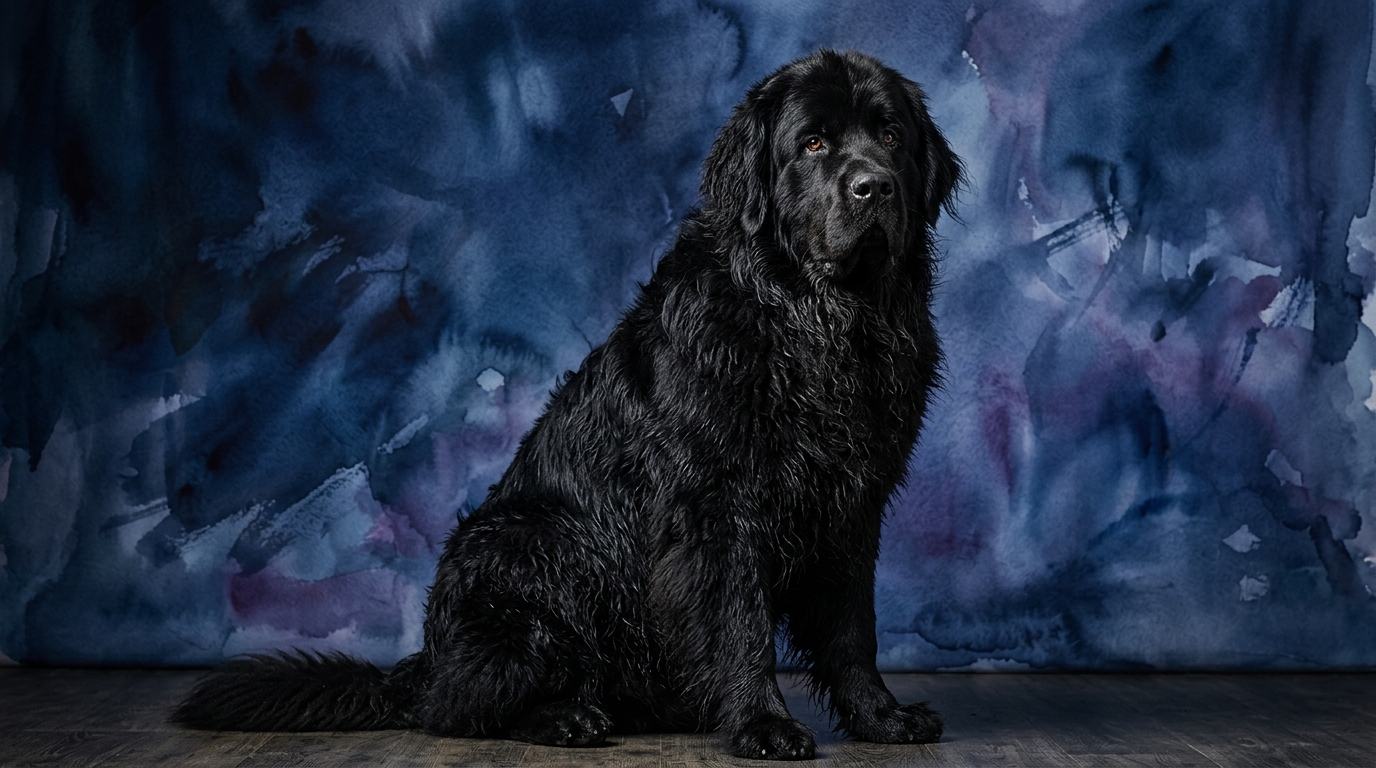
The Cosmic Pet Pet IQ Lab employs a five-dimensional framework to assess canine intelligence, offering a nuanced view beyond simple obedience. For the Newfoundland, a dog from the Working Group with a Coren rank of #34, these dimensions paint a picture of a cooperative and empathetic companion. Their Problem Solving score of 3/5 indicates an ability to navigate moderately complex tasks, often leveraging their physical strength or social awareness to achieve goals like retrieving objects or assisting in a dilemma. Training Speed at 4/5 reflects a quick grasp of new commands and routines, driven by a strong desire to cooperate. Social Intelligence, a remarkable 5/5, highlights their exceptional attunement to human emotions and cues, often anticipating needs or offering comfort without explicit prompting. Instinctive Drive, also 5/5, underscores their powerful innate urges for water rescue, guarding, and profound companionship, making them natural protectors and helpers. Memory at 4/5 means they retain learned behaviors and experiences robustly, remembering people, places, and commands over extended periods.
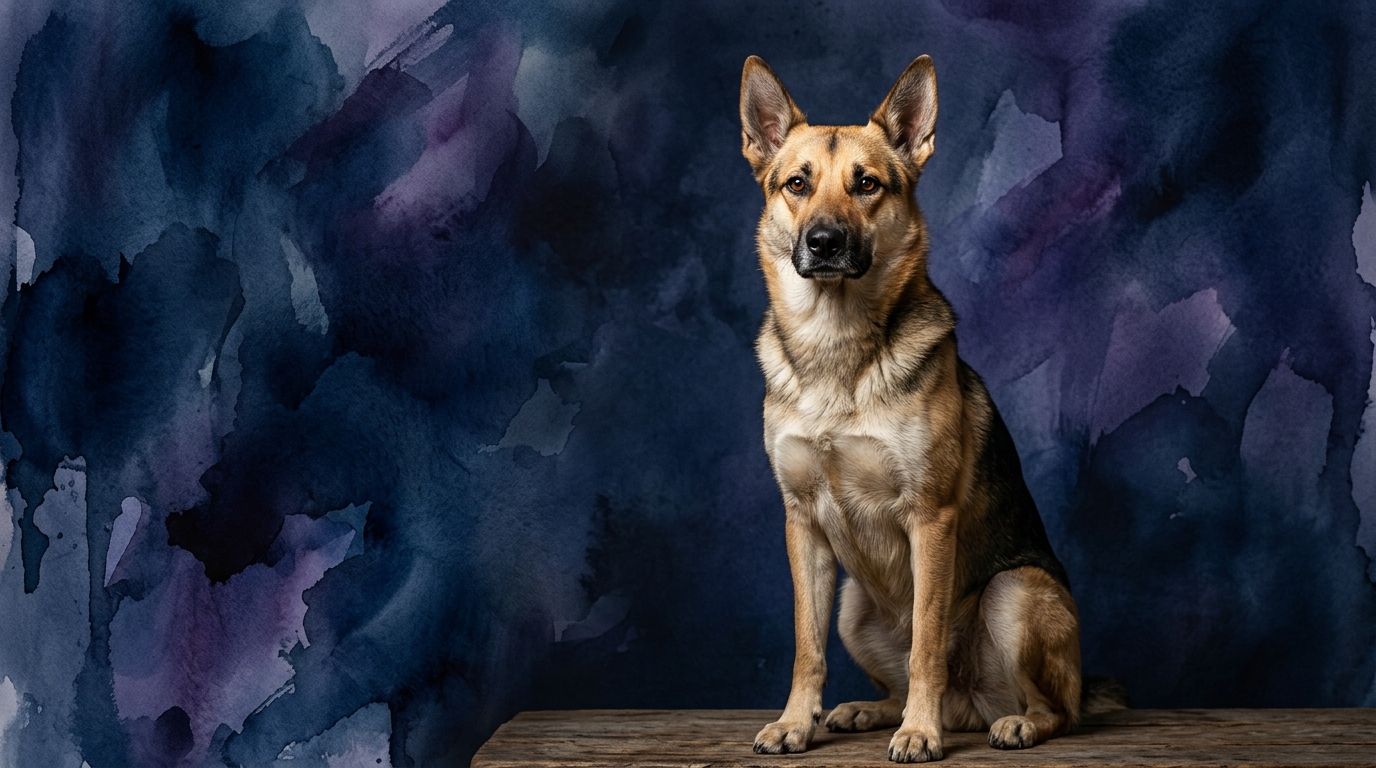
In contrast, the Canaan Dog, a Herding Group member ranked #43, presents a profile of independent intellect and keen situational awareness. Their Problem Solving, also 3/5, manifests differently, often involving self-directed strategies to overcome environmental challenges, such as finding creative ways to access an interesting scent or navigate a new space. Training Speed at 3/5 suggests a steady learning pace, though their independence means consistent, engaging methods are crucial to maintain focus. Social Intelligence at 3/5 indicates they are observant of their human family but less overtly demonstrative; their bonds are deep yet expressed with reserved dignity. Instinctive Drive, rated 3/5, speaks to strong herding and guarding tendencies, territorial awareness, and a drive for self-preservation, focusing on vigilance and protection of their domain. Memory, like the Newfoundland, stands at 4/5, demonstrating excellent recall of learned commands and past events, especially those related to their territory or social structure, allowing them to remember boundaries and routines effectively.
Where the Newfoundland Wins Cognitively
When we examine specific cognitive strengths, the Newfoundland's significant advantage lies in its superior Social Intelligence and Training Speed. At a perfect 5/5 for Social Intelligence compared to the Canaan Dog's 3/5, Newfies are exceptionally skilled at interpreting human emotions, body language, and subtle cues, making them profoundly empathetic partners. This aptitude allows them to excel in roles requiring deep human connection, such as therapy work, where understanding and responding to distress is paramount, or in search and rescue, where anticipating human needs saves lives. Their 4/5 Training Speed, surpassing the Canaan Dog's 3/5, means they not only grasp new concepts quickly but also possess a strong intrinsic motivation to cooperate and please their handlers. This eagerness translates into faster mastery of complex obedience sequences and specialized tasks, as their cognitive engagement is fueled by a desire for positive human interaction. Their powerful 5/5 Instinctive Drive for assistance further enhances their cognitive performance in cooperative tasks, providing an internal compass that guides their problem-solving towards helping and companionship.
Where the Canaan Dog Wins Cognitively
The Canaan Dog's cognitive strengths shine in areas demanding independence, resourcefulness, and acute environmental awareness. While both breeds share a 3/5 Problem Solving score, the Canaan Dog's approach is distinctly self-directed. Shaped by centuries of guarding livestock in challenging desert conditions, they exhibit a remarkable ability to assess situations, make autonomous decisions, and devise solutions without constant human intervention. Their cognitive prowess here is less about cooperation and more about self-reliance, whether it's figuring out how to bypass an obstacle or alerting their family to a distant, subtle change in their surroundings. Their instinctive drive, while rated 3/5, is fundamentally geared towards vigilance, protection, and territorial integrity, fostering a keen observational intelligence. This allows them to process and react to environmental stimuli with precision, detecting nuances others might miss. This breed's intellect is honed for independent judgment and a deep understanding of its immediate environment, making them exceptionally astute guardians and highly aware companions.
Which is Easier to Train and Why
Assessing trainability reveals a clear distinction rooted in their core cognitive profiles. The Newfoundland, with its 4/5 Training Speed and exceptional 5/5 Social Intelligence, is generally the easier breed to train. Their innate desire to please and profound connection with humans mean they are highly receptive to commands and thrive on positive reinforcement. A Newfoundland is more likely to maintain focus on their handler, eager to engage in the learning process and less prone to independent exploration during training sessions. Their cognitive wiring makes them natural collaborators, quickly understanding the 'why' behind a command in terms of pleasing their human. In contrast, the Canaan Dog, with a 3/5 Training Speed and 3/5 Social Intelligence, presents more of a challenge. While certainly capable of learning, their independent spirit and historical role as self-sufficient guardians mean they may question commands or prioritize their own assessment of a situation over immediate obedience. Training a Canaan Dog requires immense patience, consistency, and a deep understanding of their herding and guarding instincts. They can be easily distracted by environmental stimuli and may attempt to 'herd' or patrol during training if their instincts are not properly channeled through creative, engaging methods that respect their autonomy.
Suiting Active vs. Relaxed Owners
The suitability for active versus relaxed owners hinges on the type and intensity of engagement each breed's cognitive profile demands. For active owners, both breeds can be excellent choices, but for different reasons. The Newfoundland thrives with owners who enjoy structured activities like water sports, carting, obedience, or therapy work, leveraging their desire to work *with* people. Their physical activity often leans towards endurance, and they need mental engagement that capitalizes on their cooperative nature. Indoors, they are typically calm and relaxed, making them wonderful family companions. The Canaan Dog, on the other hand, suits active owners who appreciate hiking, agility, or competitive obedience that respects their independent spirit. They need outlets for their vigilance and herding instincts, often thriving in environments where they can patrol or survey. Their activity is often more about purpose and exploration.
For relaxed owners, the Newfoundland is generally a better fit, provided their basic exercise needs are met. Their relaxed demeanor indoors and high social intelligence make them content with ample companionship and gentle interactions. The Canaan Dog is less suited for truly 'relaxed' owners seeking a low-maintenance companion. Their innate drives for observation and guarding require an owner who understands and can channel their cognitive needs for patrolling and vigilance, even in a home setting. They are not content to simply exist; they need mental stimulation and a sense of purpose.
The Verdict
Choose the Newfoundland for a deeply empathetic, cooperative companion eager to engage in joint activities and provide comfort, thriving on strong social bonds and a clear purpose.
Opt for the Canaan Dog if you appreciate a self-reliant, watchful companion with an independent spirit, capable of keen observation and making autonomous decisions in their environment.
🧠 Find Your Pet's IQ Score
Our Pet IQ Lab assessment covers 25+ tests across 5 cognitive dimensions — personalized to your breed.
Take the Full IQ Test →Frequently Asked Questions
Are Newfoundlands good for first-time dog owners?
Yes, their cooperative nature and eagerness to please make them relatively easier to train and integrate into a family, provided owners are prepared for their size and grooming needs. Their high social intelligence helps them adapt quickly to household dynamics.
Do Canaan Dogs need a lot of exercise?
Canaan Dogs require consistent physical and mental stimulation to prevent boredom and destructive behaviors. While not extreme athletes, they thrive on varied activities that engage their herding and guarding instincts, like long walks, secure off-leash play, or structured training that challenges their independent problem-solving.
How do these breeds differ in their protective instincts?
Newfoundlands protect through gentle intervention and their imposing presence, driven by a strong desire to keep their family safe and offer comfort. Canaan Dogs protect with vigilance, alert barking, and a more assertive, independent guarding style, stemming from centuries of solitary flock protection and territorial awareness.