Side-by-Side Cognitive Profile
At The Cosmic Pet Pet IQ Lab, we analyze canine cognition across five key dimensions, revealing the nuanced mental landscapes of different breeds. Comparing the Newfoundland, a Working breed, with the Chihuahua, a Toy breed, unveils distinct approaches to environmental interaction and social bonding.
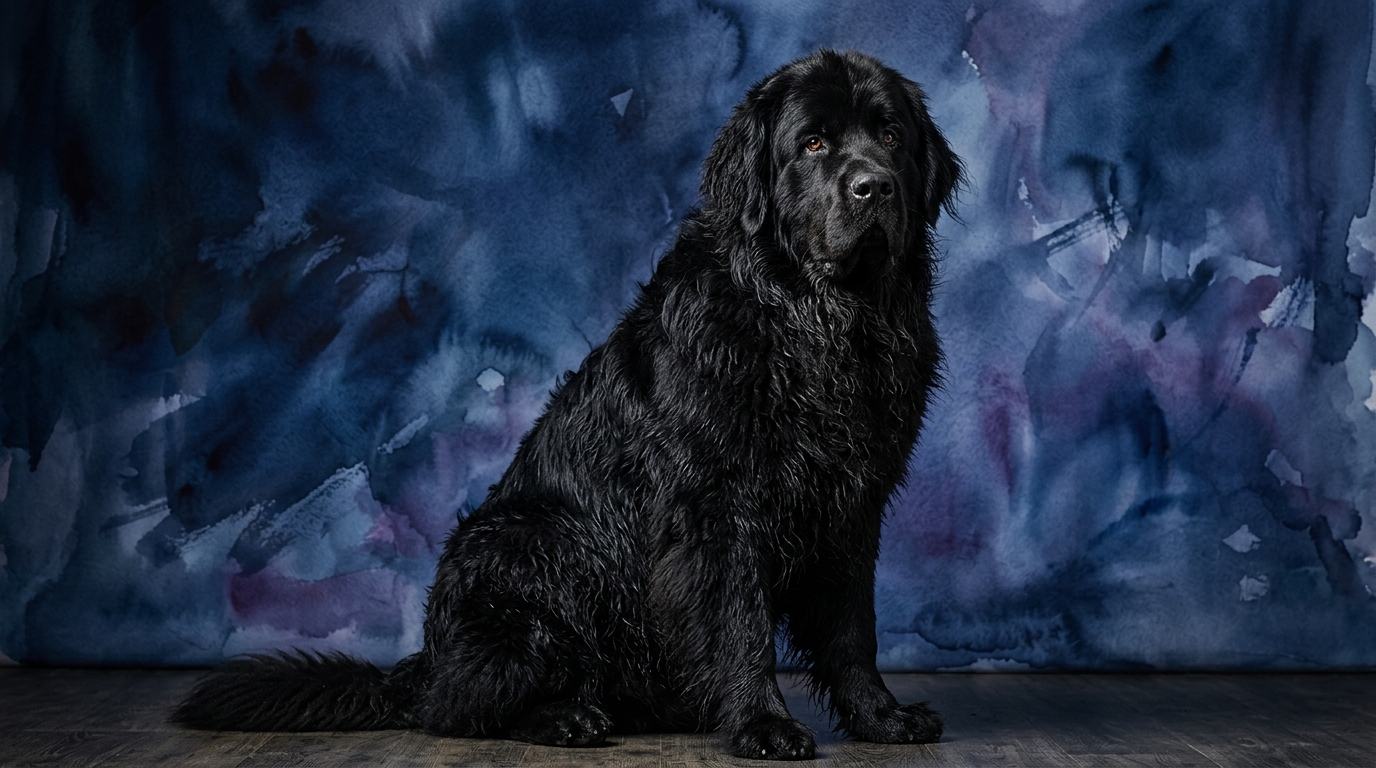
The Newfoundland (Coren rank #34) presents a cognitive profile indicating robust social and instinctive capabilities. Their Problem Solving is rated 3/5, suggesting a capacity for moderately complex tasks, often approached with a deliberate, persistent effort to overcome physical or logistical challenges. Training Speed is 4/5, indicating they grasp new commands and routines with relative ease, responding well to consistent guidance. Their Social Intelligence is an exceptional 5/5, reflecting a profound ability to understand and empathize with human emotions and social dynamics, fostering deep, intuitive bonds. Instinctive Drive is also 5/5, manifesting as a powerful, inherent motivation for caregiving, protection, and water rescue tasks. Lastly, their Memory is 4/5, allowing for good retention of past experiences, learned behaviors, and social interactions, which underpins their reliability.
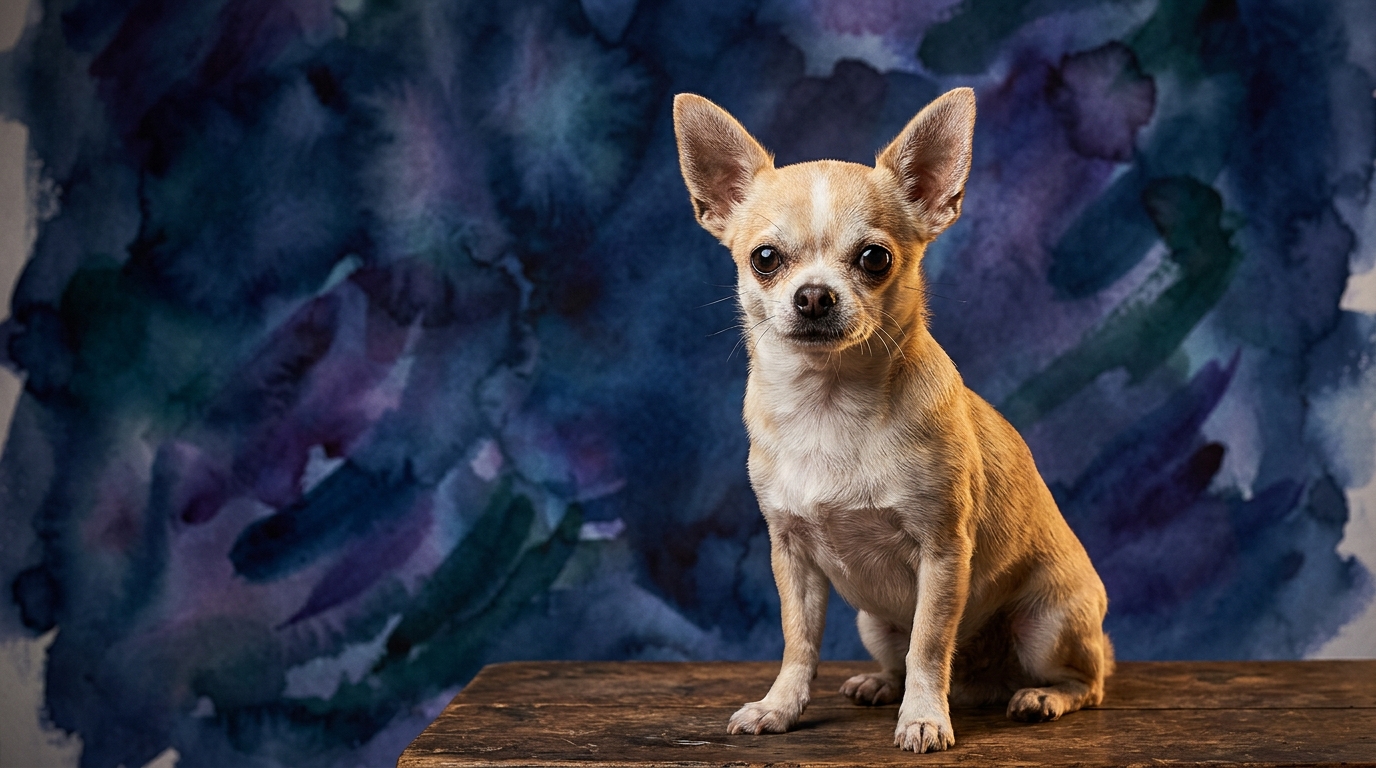
The Chihuahua (Coren rank #67), despite its diminutive size, possesses a unique cognitive blueprint. Their Problem Solving also scores 3/5, demonstrating an ability to cleverly navigate their environment and figure out strategies to achieve desired outcomes, often with surprising persistence for their stature. Training Speed is 3/5, meaning they learn at a moderate pace, benefiting from patient and engaging reinforcement to maintain focus. Their Social Intelligence is 4/5, indicating a strong understanding of human moods and social cues, typically forming very intense, selective attachments with their preferred human companions. Instinctive Drive is 3/5, expressed often as alertness, territoriality, and a strong desire for companionship, though not as task-oriented as the Newfoundland. Their Memory, like the Newfoundland, is 4/5, enabling them to retain knowledge of routines, specific people, and past events effectively, aiding their adaptation to their specific living situations.
Where the Newfoundland Wins Cognitively
The Newfoundland truly distinguishes itself in the domains of social intelligence and instinctive drive. Their perfect 5/5 score in social intelligence isn't merely about being affable; it signifies an advanced capacity for empathetic understanding and responsiveness to human emotional states. This makes them exceptional emotional support animals or family members who seem to possess an innate sense of when comfort or reassurance is required. This deep social cognition allows them to anticipate needs and react with profound sensitivity. Their 5/5 instinctive drive is another area of clear cognitive superiority, manifesting as a powerful, inherent motivation for tasks related to protection, caregiving, and water rescue. This isn't solely learned behavior; it's a deep-seated cognitive predisposition to act on these drives, making them incredibly reliable in situations where these instincts are called upon. For example, a Newfoundland might instinctively nudge a child away from a perceived danger or attempt to 'rescue' a struggling swimmer, demonstrating a complex interplay of observation, decision-making, and intrinsic motivation. Their superior training speed also means channeling these powerful, innate cognitive patterns into productive, cooperative behaviors is often more straightforward.
Where the Chihuahua Wins Cognitively
While the Newfoundland excels in broad social and instinctive domains, the Chihuahua's cognitive strengths lie in their nuanced application of problem-solving within their specific world and their often-underestimated social intelligence applied to a smaller, more intimate sphere. Both breeds share a 3/5 in problem-solving, but for a Chihuahua, this often translates into ingenious ways to navigate a human-centric environment that isn't built for their stature. They might figure out complex routes to access a favorite sunbeam, devise clever strategies to gain attention, or manipulate situations to secure specific treats, demonstrating a keen observational ability and persistence. Their 4/5 social intelligence, while not as broadly expressed as a Newfoundland's, is intensely focused. They are masters at reading the subtle cues of their primary human, often anticipating needs or moods with remarkable precision. This concentrated social awareness allows them to form incredibly tight, almost symbiotic bonds, making them highly attuned to their chosen companions. Their memory, also rated 4/5, contributes significantly to their ability to recall complex routines and preferred human behaviors, further solidifying these deep, exclusive connections.
Which is Easier to Train and Why
Between the two, the Newfoundland is generally easier to train, primarily due to their superior Training Speed (4/5) and exceptional Social Intelligence (5/5). Newfoundlands exhibit a strong desire to please their human companions, a trait deeply linked to their high social intelligence. This means they are often more attuned to human commands and praise, making them highly receptive to learning and cooperation. Their inherent cooperative nature and strong work ethic, stemming from their instinctive drives, mean they typically approach training sessions with focus and a willingness to engage. For instance, teaching a Newfoundland a new obedience command like 'stay' often progresses swiftly because they are highly motivated by the positive interaction and recognition from their handler, and they possess the cognitive capacity to quickly link actions with outcomes and human expectations.
Chihuahuas, with a Training Speed of 3/5, are capable learners but typically require more patience and highly consistent methods. Their social intelligence (4/5) is strong, but their motivation can be more internally driven or selectively applied. They might learn quickly if the reward is highly desirable or if they are particularly bonded with the trainer, but can also be more easily distracted or appear stubborn if not adequately motivated or if the perceived reward is insufficient. For example, a Chihuahua might take longer to master a recall command like 'come' if there are more interesting environmental stimuli, or if they perceive the command as less immediately rewarding than their current activity. Their smaller stature also means training methods need to be adapted to their physical capabilities and attention spans, often requiring shorter, more engaging sessions with high-value reinforcement to maintain their interest and focus.
Which Suits Active Owners vs. Relaxed Owners
For active owners seeking a companion to integrate into a dynamic lifestyle, the Newfoundland is a compelling choice, albeit with a specific kind of activity in mind. While they aren't built for endurance running, their deep Instinctive Drive (5/5) means they thrive on purpose and engagement, particularly in activities involving water, retrieving, or 'helping' tasks that resonate with their working heritage. Owners who enjoy long, purposeful walks, swimming, or even canine good citizen work will find a Newfoundland eager to participate and mentally stimulated. Their robust memory and trainability make them excellent, reliable partners for structured activities that tap into their innate drives, providing a sense of fulfillment through shared endeavor.
For relaxed owners or those with a less physically demanding lifestyle, the Chihuahua often fits seamlessly into the home environment. Their moderate Instinctive Drive (3/5) and smaller size mean they require less expansive exercise and are often content with indoor play, short walks, and ample lap time. Their intense social intelligence, often focused on their primary human, makes them ideal companions for those who cherish close, constant proximity and a dog that is deeply attuned to their daily rhythms. A Chihuahua is perfectly happy to snuggle on the couch for hours, providing a warm, responsive presence and a constant, observant companion. It's important to note that both breeds benefit from mental stimulation, but the nature of that stimulation differs significantly: a Newfoundland needs tasks that engage their working instincts, while a Chihuahua benefits from puzzle toys and attention that reinforces their bond and cleverness within a smaller, more intimate domain.
The Verdict
Choose a Newfoundland if you value a deeply empathetic companion with a powerful instinct for caregiving and a cooperative spirit for training in structured, purposeful activities, especially those involving water and family protection.
Choose a Chihuahua if you desire a highly attuned, portable companion who excels at forming intense, exclusive bonds and thrives on close proximity, offering clever problem-solving within a more intimate home environment.
🧠 Find Your Pet's IQ Score
Our Pet IQ Lab assessment covers 25+ tests across 5 cognitive dimensions — personalized to your breed.
Take the Full IQ Test →Frequently Asked Questions
Do Newfoundlands bark a lot?
Newfoundlands are not typically excessive barkers. They may bark to alert their owners to new arrivals or unusual situations, but their high social intelligence often means they discern genuine threats from routine events, leading to a more measured vocalization.
Are Chihuahuas good with children?
Chihuahuas can be good with older, respectful children who understand how to interact gently with a small dog. Their strong social intelligence means they form bonds, but their delicate size makes them vulnerable to rough play, so supervised interactions are crucial.
Which breed is better for apartment living?
The Chihuahua is generally better suited for apartment living due to its minimal space requirements and lower exercise needs, adapting easily to indoor life. A Newfoundland can adapt to apartment life if daily, purposeful outdoor engagement and mental stimulation are consistently provided, but they truly thrive with more space.