
Side-by-Side Cognitive Profiles
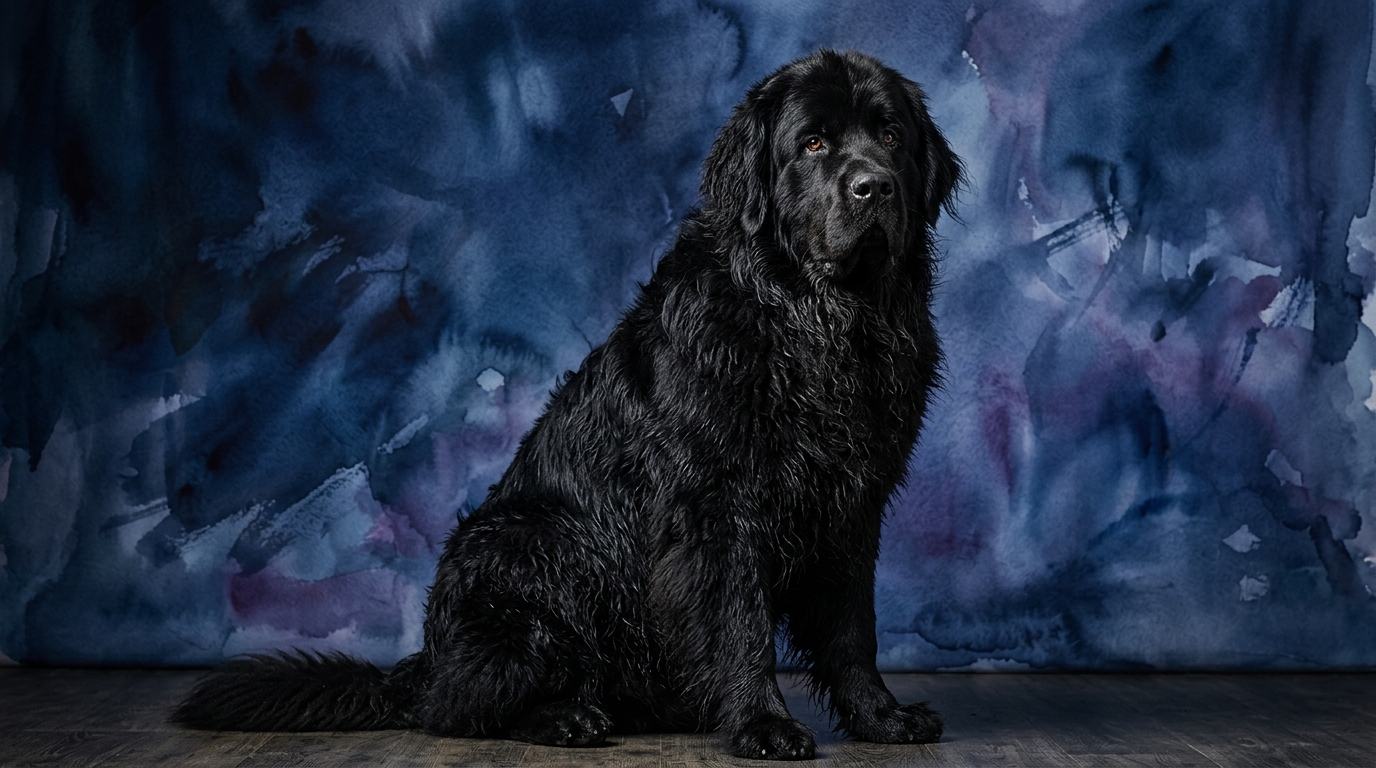
Our Pet IQ Lab assesses canine cognition across five key dimensions, revealing the nuanced mental makeup of each breed. For the Newfoundland, a Working group dog with a Coren rank of #34, their profile reflects a dog built for purpose and partnership. Their problem Solving score is 3/5, indicating a practical, task-oriented approach to challenges, while their training Speed of 4/5 suggests a strong aptitude for absorbing commands and routines.
Where Newfoundlands truly shine is in social Intelligence, scoring a perfect 5/5, demonstrating an exceptional capacity for understanding human emotions and group dynamics. Their instinctive Drive, also 5/5, highlights their powerful innate urges for tasks like water rescue and protection. Finally, their memory stands at 4/5, enabling them to retain complex sequences and prior experiences effectively.
In contrast, the English Toy Spaniel, a charming member of the Toy group and not Coren-ranked, presents a profile geared towards companionship. They score 3/5 in problem Solving, indicating they can navigate their environment and simple puzzles, but perhaps aren't driven by complex intellectual challenges. Their training Speed is 3/5, meaning they are trainable, though they may require more patience and consistency than some other breeds.
The English Toy Spaniel's social Intelligence sits at 3/5, suggesting they form strong bonds with their immediate family but might not possess the broad social awareness of a working breed. Their instinctive Drive is also 3/5, reflecting a lower innate urge for independent tasks or complex environmental engagement. Their memory score of 3/5 indicates a functional capacity to recall learned behaviors and familiar people, sufficient for their role as a devoted companion.
Where the Newfoundland Excels Cognitively
The Newfoundland's cognitive strengths are deeply rooted in their historical role as a working dog, particularly in water rescue and as a diligent guardian. Their exceptional social Intelligence (5/5) means they are remarkably attuned to human cues and emotional states, often preempting needs or offering comfort without explicit instruction. This translates into a dog that understands complex social situations, making them excellent therapy dogs or family members who intuitively connect with their people.
Their powerful instinctive Drive (5/5) is another area where Newfoundlands truly stand out. This isn't just about raw energy; it's a profound, intrinsic motivation to engage in purposeful activities, whether it's 'rescuing' a child from a pool or diligently watching over their family. This drive, combined with a 4/5 training Speed, allows them to master intricate tasks and multi-step commands, making them highly capable in areas like obedience, carting, or advanced water work.
Furthermore, their 4/5 memory score supports their ability to learn and retain extensive repertoires of commands and understand the routines of their household. A Newfoundland can remember specific objects, people, and locations over long periods, contributing to their reliability and consistency in performing tasks or adhering to established household rules. This robust memory enhances their overall trainability and their capacity to be a dependable family member.
Where the English Toy Spaniel Excels Cognitively
While the English Toy Spaniel's scores might appear modest compared to the Newfoundland's, their cognitive profile is perfectly adapted to their purpose: providing focused, intimate companionship. Their 3/5 in problem Solving, while not indicative of a desire to open complex latches, means they are adept at navigating the social and physical landscape of a home, figuring out how to get comfortable or gain attention from their preferred human.
The English Toy Spaniel's cognitive strength lies in their specialized social intelligence, which, despite a 3/5 score, manifests as intense devotion and a singular focus on their primary caregiver. They may not read a crowd, but they are masters at reading *their* person, often anticipating moods or desires within the immediate family unit. This focused social awareness makes them incredibly responsive to subtle cues from their owner, fostering a deep, almost symbiotic bond.
Their 3/5 training Speed and memory are entirely sufficient for learning the essential commands and household manners required of a companion dog. They might not excel at competitive obedience, but they learn to sit, stay, come, and house-train effectively with consistent, positive reinforcement. Their cognitive makeup is less about independent action and more about harmonious cohabitation, making them specialists in the art of being a cherished lap dog.
Which Breed is Easier to Train and Why?
When considering ease of training, the Newfoundland generally presents a more straightforward path for owners, largely due to their higher scores in training Speed (4/5) and social Intelligence (5/5). These dogs possess a strong desire to please and a profound understanding of human intentions, which translates into a willingness to engage in learning sessions and an ability to quickly grasp new commands. Their natural cooperative spirit and powerful instinctive drive to work alongside humans make them receptive to structured training.
For instance, a Newfoundland is likely to pick up complex multi-step commands, like retrieving specific items or performing a sequence of actions, with fewer repetitions. Their robust memory (4/5) ensures these lessons stick. They also tend to be more resilient to minor distractions during training, maintaining focus on their handler due to their strong social bond and inherent drive to complete tasks.
The English Toy Spaniel, with a training Speed of 3/5 and social Intelligence of 3/5, might require a more patient and consistent approach. While certainly trainable, they may be more easily distracted or less inherently driven to perform complex tasks for extended periods. Their training will benefit most from short, engaging sessions filled with positive reinforcement, focusing on basic obedience and good house manners rather than advanced tricks or competitive disciplines.
Real behavioral differences highlight this: a Newfoundland might eagerly learn to pull a cart or perform a water rescue simulation, finding intrinsic reward in the task itself and the bond with their handler. An English Toy Spaniel, while capable of learning to 'stay' or 'come,' might see the primary reward in returning to their owner's lap or receiving a tasty treat, requiring more external motivation to maintain engagement in training exercises.
Suitability for Active vs. Relaxed Owners
The cognitive profiles of these two breeds clearly delineate their suitability for different owner lifestyles. The Newfoundland, with its high instinctive Drive (5/5) and robust physical capabilities, is an ideal match for active owners. These are individuals or families who enjoy outdoor adventures, long walks, hiking, swimming, or even participating in dog sports like water rescue or carting. A Newfoundland thrives when given a 'job' or a purpose, even if that purpose is simply accompanying their owner on a daily, vigorous routine.
Their superior social Intelligence means they integrate well into active family dynamics, understanding the ebb and flow of a busy household and often acting as a calm, protective presence. Owners who appreciate a dog that is not just a companion but a capable partner in various activities will find the Newfoundland's cognitive makeup incredibly rewarding. They require engagement that stimulates both their body and their mind, preventing boredom and channeling their powerful drives constructively.
Conversely, the English Toy Spaniel is perfectly suited for more relaxed or sedentary owners. Their lower instinctive Drive and smaller physical needs mean they are content with shorter walks, indoor play, and extended periods of cuddling on the sofa. They are specialists in close companionship, thriving in environments where they can be near their human companions almost constantly. Their cognitive strengths are best appreciated by those who prioritize a devoted lap dog over an athletic partner.
Owners who work from home, retirees, or individuals living in apartments will find the English Toy Spaniel's temperament and cognitive needs align well with their lifestyle. They offer profound affection and a calm presence, requiring less extensive physical and mental stimulation than a working breed. Their happiness is largely derived from human interaction and a predictable, comfortable home environment, making them excellent companions for a quieter pace of life.
The Verdict
Choose the Newfoundland if you seek a large, protective, and deeply empathetic companion for an active lifestyle, one who excels in cooperative tasks and thrives on purposeful engagement.
Opt for the English Toy Spaniel if you desire a devoted, affectionate lap dog whose primary cognitive strength lies in close, intimate companionship within a calm and predictable home environment.
🧠 Find Your Pet's IQ Score
Our Pet IQ Lab assessment covers 25+ tests across 5 cognitive dimensions — personalized to your breed.
Take the Full IQ Test →Frequently Asked Questions
Do English Toy Spaniels get bored easily if not mentally stimulated?
English Toy Spaniels, while not requiring complex tasks, do benefit from mental engagement to prevent boredom. Short, positive training sessions, puzzle toys, and interactive play within the home are sufficient to keep their minds active and satisfied without needing extensive, strenuous challenges.
Are Newfoundlands too 'stubborn' because of their drive?
Newfoundlands are not typically stubborn; rather, their strong instinctive drive means they are purpose-driven and will often assess a situation before acting. This can sometimes be mistaken for stubbornness, but it usually indicates a thoughtful nature or a need to understand the 'why' behind a command, especially when it goes against a perceived instinct.
Can an English Toy Spaniel be trained for advanced tricks?
While their training speed is 3/5, an English Toy Spaniel can certainly learn advanced tricks with consistent, patient, and positive reinforcement. Their focus on their owner means they are receptive to learning, but they may require more repetitions and shorter training sessions compared to breeds with higher training speed scores.