Side-by-Side Cognitive Profiles
The Cosmic Pet Pet IQ Lab employs a five-dimensional framework to assess canine intelligence, offering a nuanced view beyond simplistic rankings. Here's how the Newfoundland and Entlebucher Mountain Dog compare across these cognitive facets:
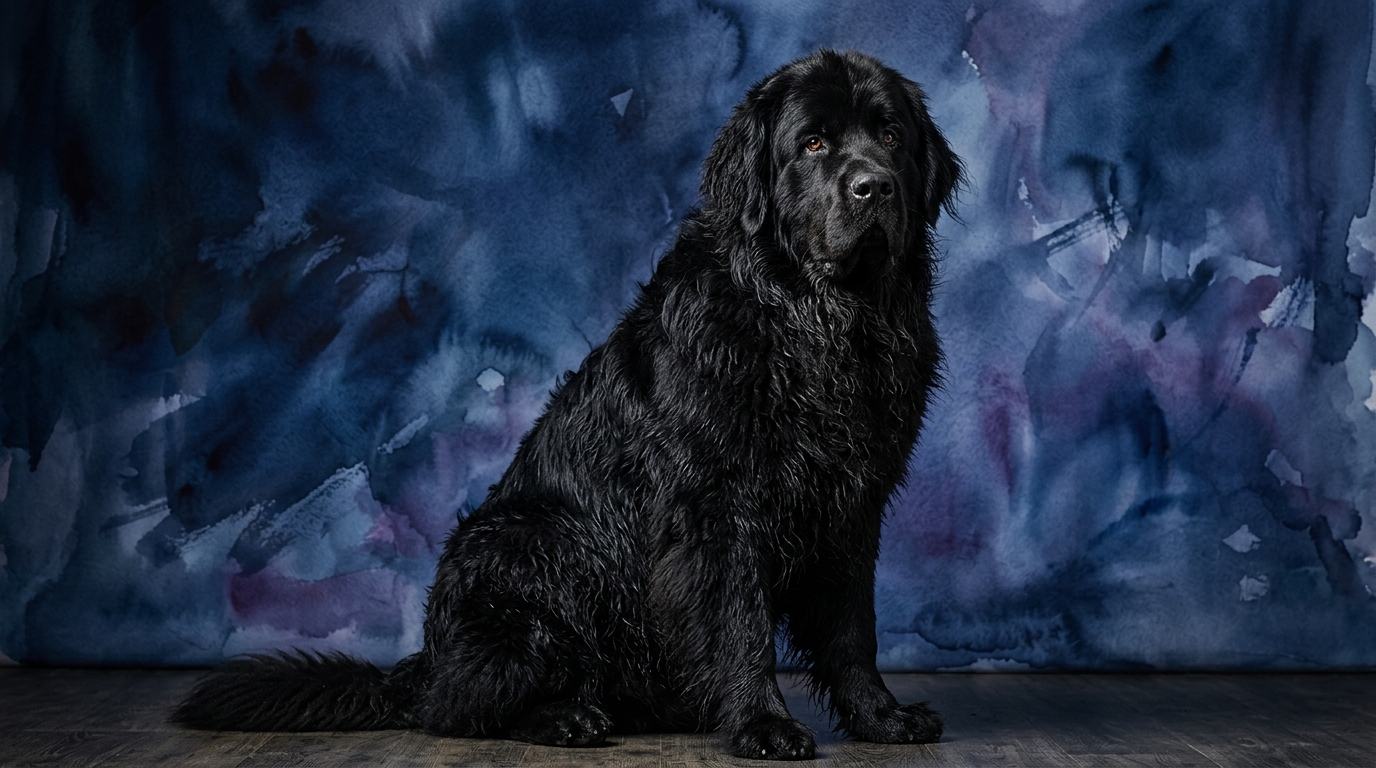
**Newfoundland (Working Group, Coren Rank #34):**
**Problem Solving (3/5):** Capable of navigating environmental puzzles, they apply known solutions effectively, particularly in practical, often water-related, scenarios rather than seeking abstract challenges.
**Training Speed (4/5):** They assimilate new commands and routines with relative quickness, driven by a cooperative nature and eagerness to please, responding well to consistent positive reinforcement.
**Social Intelligence (5/5):** Exemplary in understanding human emotions and intentions, Newfoundlands excel at nuanced social interactions, demonstrating remarkable perceptiveness to family needs and moods.
**Instinctive Drive (5/5):** Their deeply ingrained instinct to rescue, especially from water, is a powerful cognitive program, manifesting as a compelling drive to assist and protect, guiding spontaneous behaviors.
**Memory (4/5):** Possess a strong capacity for retaining learned commands, routines, and specific individuals or locations, contributing to their reliability over time.
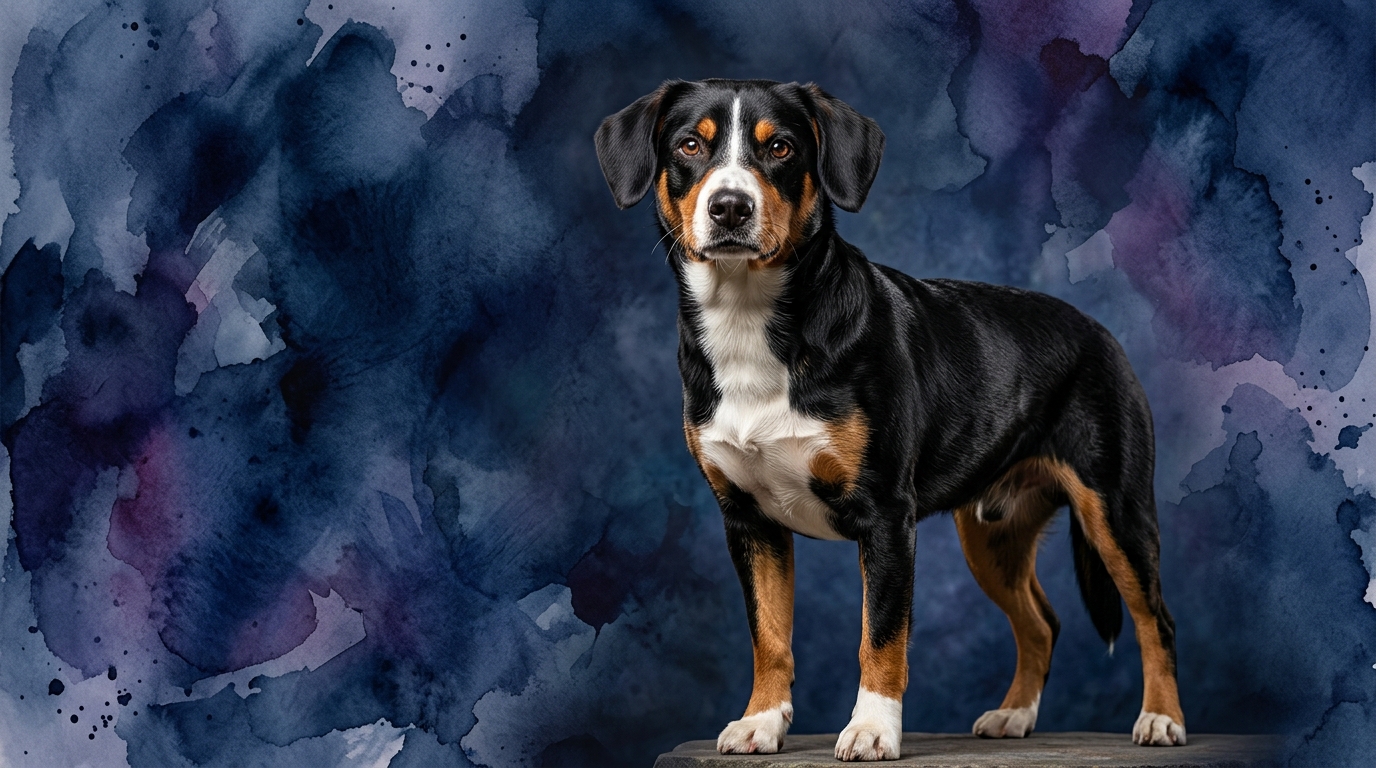
**Entlebucher Mountain Dog (Herding Group, Not Coren-Ranked):**
**Problem Solving (3/5):** Demonstrates practical problem-solving in contexts related to herding and farm work, efficiently figuring out how to manage livestock or navigate terrain with resourceful, immediate solutions.
**Training Speed (3/5):** Learns at a steady pace, requiring consistent and clear instruction to internalize new behaviors. They are capable but may need more repetition than faster-learning breeds.
**Social Intelligence (3/5):** Engages meaningfully with family, forming strong bonds, though their social cues might be more direct and less overtly nuanced, focusing on clear communication within their established group.
**Instinctive Drive (3/5):** Possesses a foundational herding and guarding instinct, driving them to observe and manage their perceived "flock" (family), providing purpose without overwhelming intensity.
**Memory (3/5):** Retains training and experiences adequately, remembering commands and familiar situations, with consistency in training helping solidify their recall and application of learned behaviors.
Where the Newfoundland Wins Cognitively
The Newfoundland's 5/5 social intelligence is a significant advantage, allowing them to process human emotional states with remarkable accuracy. This involves an intuitive understanding of intent and feeling, enabling them to anticipate needs and respond with empathy, such as offering comfort when sensing distress. Their 5/5 instinctive drive for water rescue is also a powerful cognitive force; it's a deep-seated program that guides complex rescue sequences without direct command, demonstrating proactive life-saving problem-solving. Furthermore, their 4/5 training speed means they generally absorb new information and commands more quickly, their desire to please translating into faster learning curves for obedience and complex tasks.
Where the Entlebucher Mountain Dog Wins Cognitively
While both score 3/5 in general problem-solving, the Entlebucher excels in dynamic, fast-paced environments tied to their herding heritage. They rapidly assess and respond to changing situations, like managing livestock, requiring quick decision-making and precise execution. The Entlebucher also demonstrates a focused independence, making decisions without constant human oversight when performing tasks like herding or guarding. This capacity for self-directed action, based on their understanding of the situation, allows them to maintain vigilance and apply learned strategies autonomously. Their cognitive makeup is adept at processing and reacting to multiple, often unpredictable stimuli simultaneously, crucial for complex herding scenarios.
Training Aptitude: Which is Easier to Train?
The Newfoundland generally presents as the easier breed to train, primarily due to its higher scores in training speed (4/5 vs. 3/5) and social intelligence (5/5 vs. 3/5). Newfoundlands possess a strong intrinsic desire to cooperate and please their human companions. Their exceptional social intelligence allows them to quickly understand what is being asked, being acutely attuned to human cues, which accelerates learning and reduces miscommunication. They readily offer behaviors without needing excessive motivational pressure. In contrast, the Entlebucher Mountain Dog requires more consistent, patient instruction; their 3/5 training speed means more repetitions may be needed. Their 3/5 social intelligence suggests they interpret human cues less subtly, and their instinctive herding and territorial drives can sometimes compete with directives, demanding clear, firm guidance and constructive channeling of their natural urges.
Lifestyle Match: Active vs. Relaxed Owners
For active owners seeking a dynamic partner, the Entlebucher Mountain Dog is a more suitable choice. Their inherent drive and energy, rooted in their working background, demand consistent physical and mental engagement, thriving on activities like hiking, agility, or structured "herding" games. An Entlebucher owner must provide daily, vigorous exercise and mental stimulation to prevent boredom. Conversely, the Newfoundland is better suited for owners who appreciate a more relaxed companionship. While they enjoy walks and swimming, their energy levels are generally lower. Their profound social intelligence and desire for close human connection mean they are content with being an integral part of family life, often preferring quiet companionship over constant high-octane activity, though still requiring mental engagement.
The Verdict
Choose a Newfoundland if you prioritize a deeply empathetic companion with a strong desire to please, excelling in social understanding and offering a calming, devoted presence for a family-oriented lifestyle.
Opt for an Entlebucher Mountain Dog if you are an active individual or family seeking a spirited, independent partner eager for consistent physical and mental challenges and purposeful activities.
🧠 Find Your Pet's IQ Score
Our Pet IQ Lab assessment covers 25+ tests across 5 cognitive dimensions — personalized to your breed.
Take the Full IQ Test →Frequently Asked Questions
Does the Newfoundland's large size affect its cognitive speed?
While their physical size might suggest a slower pace, it doesn't inherently dictate cognitive speed. Newfoundlands process information and learn new commands with good efficiency, demonstrating strong capacity for understanding and retention. Their cognitive speed is more influenced by their biddable nature and social intelligence.
How does the Entlebucher's herding instinct manifest in their daily intelligence?
The Entlebucher's herding instinct drives their observational skills and quick decision-making, particularly in controlling movement and space. This manifests as a keen awareness of surroundings and a tendency to "gather" family members. They apply practical intelligence to manage their perceived territory and "flock."
Which breed is better for first-time dog owners interested in training?
For first-time owners focused on training ease, the Newfoundland is often a more forgiving choice due to its high social intelligence and willingness to please. The Entlebucher's independent spirit and stronger working drives might require more experienced handling and consistent, structured guidance, making them less ideal for novices.