Side-by-Side Cognitive Profile: Newfoundland vs. Ibizan Hound
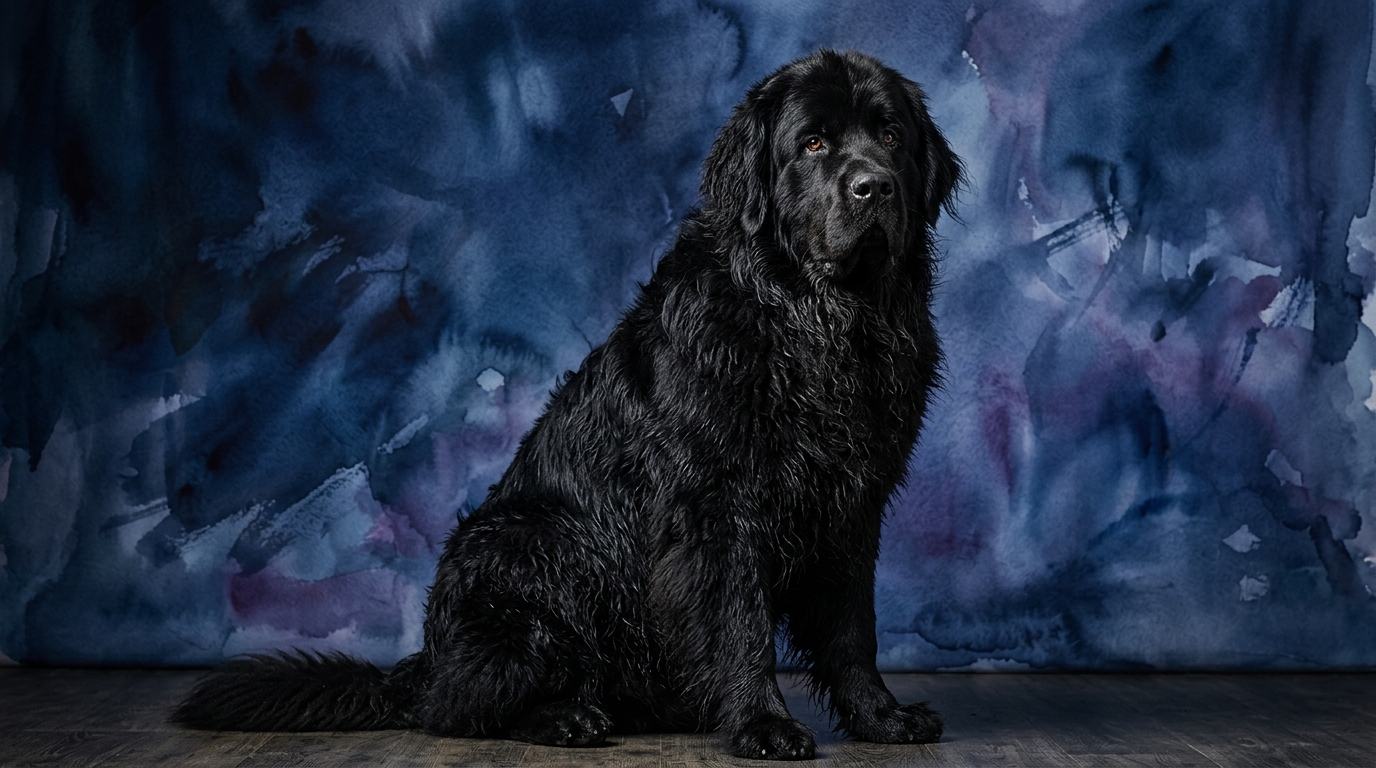
At The Cosmic Pet Pet IQ Lab, we analyze canine intelligence across five key dimensions. The Newfoundland, ranking #34 in Coren's intelligence scale among working dogs, shows a Problem Solving score of 3/5, approaching novel situations methodically, often relying on learned sequences or human guidance. Their Training Speed is 4/5, as they absorb new commands relatively quickly, driven by a strong desire to cooperate and please. Social Intelligence stands at an exceptional 5/5, indicating profound emotional attunement to human moods and intentions, making them superb therapy and rescue dogs. Their Instinctive Drive is 5/5, strongly oriented towards nurturing, protecting, and retrieving, particularly in water, manifesting as a profound desire to be useful companions. Memory is rated 4/5, retaining complex command sequences, social cues, and spatial awareness over long periods.
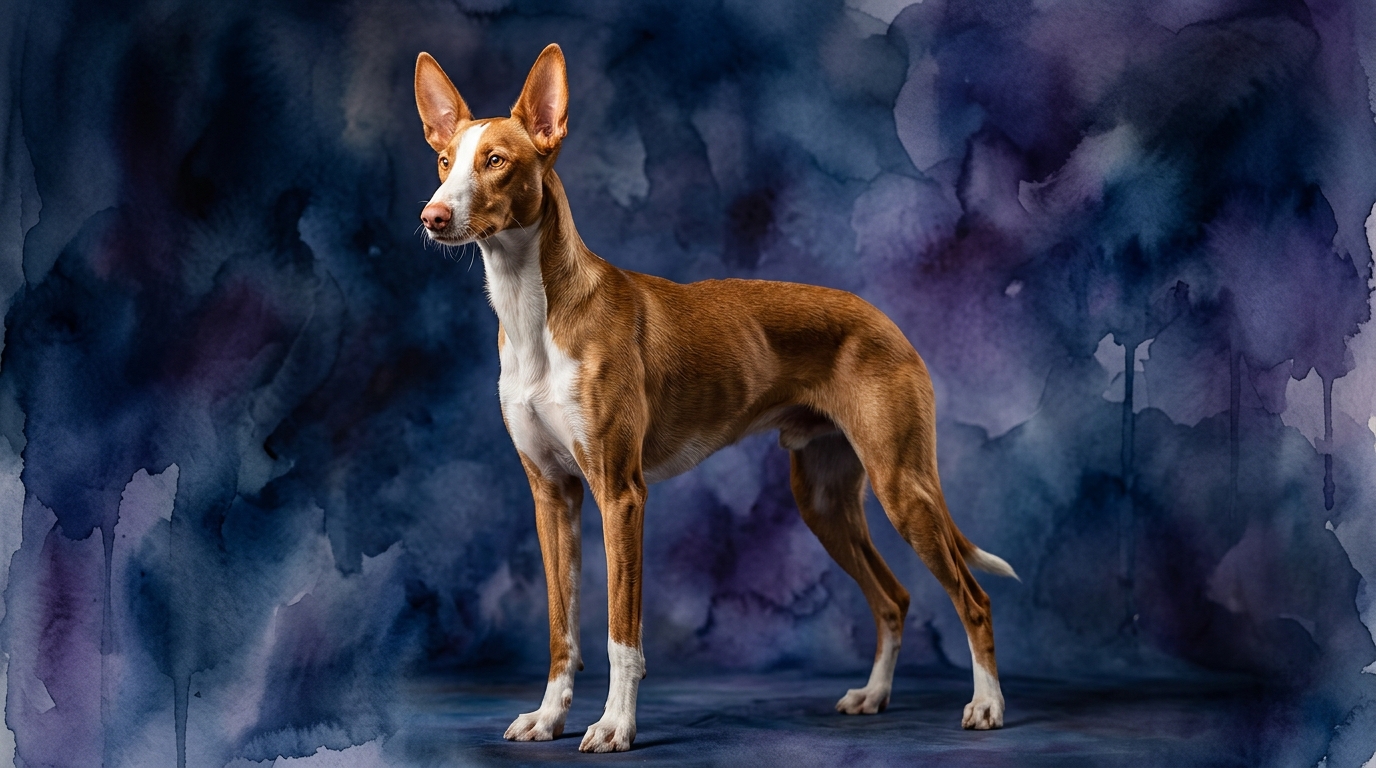
The Ibizan Hound, ranking #53 among hounds, presents a different cognitive landscape. Their Problem Solving is 3/5, primarily exhibited in pursuit scenarios, demonstrating independent thought to overcome obstacles in a chase rather than collaborative tasks. Training Speed is 3/5; while capable of learning, their independent nature means training requires more consistent motivation and may progress at a moderate pace. Social Intelligence is 3/5; they are generally amiable and form bonds with their families, but their interactions often carry an air of self-possession, less overtly seeking human approval. Instinctive Drive is 3/5, focused on sight-hunting prey, characterized by bursts of intense focus and pursuit. Memory is 3/5, possessing good recall for hunting grounds and familiar routines, though complex human-initiated commands might require more reinforcement.
Where the Newfoundland Cognitively Excels
The Newfoundland's cognitive strengths shine particularly in cooperation and empathy. Their 5/5 social intelligence is a standout, enabling them to intuitively understand human emotions and respond with profound comfort, making them exceptional companions for therapeutic roles or as watchful family guardians. This deep attunement means they anticipate needs. Furthermore, their 5/5 instinctive drive is channeled into purposeful, collaborative work like water rescue or carting, where physical capability pairs with a strong desire to assist. This drive is a cognitive inclination towards partnership and service. Their 4/5 training speed and memory also reflect a dog that not only learns readily but retains that knowledge for a lifetime of companionship and utility.
Where the Ibizan Hound Cognitively Excels
The Ibizan Hound, while possessing a different cognitive blueprint, excels in self-reliance and environmental awareness. Their 3/5 problem-solving, though numerically similar to the Newfoundland, manifests uniquely in their hunting heritage. These hounds adeptly navigate complex terrain and strategize to outmaneuver prey, making split-second decisions without direct human instruction. This intelligence prioritizes individual initiative over collaboration. Their instinctive drive (3/5) is a powerful, finely tuned mechanism for pursuit, exhibiting intense, single-minded focus when a visual stimulus triggers their prey drive. This specialized instinct, coupled with keen senses, allows rapid environmental data processing, making them masters of their hunting domain. Their relatively lower social intelligence (3/5) can be a cognitive 'win' for owners appreciating a dog with a more independent spirit, less reliant on constant human validation.
Training Dynamics: Which Breed Is Easier?
For ease of training, the Newfoundland generally presents a more straightforward path. Their 4/5 training speed is bolstered by exceptional 5/5 social intelligence and a 5/5 instinctive drive towards cooperation. Newfoundlands inherently seek to please, making them highly receptive to instruction. They thrive on positive reinforcement and clear communication, quickly associating commands with desired actions because their cognitive framework is geared towards working *with* people. Their strong memory (4/5) ensures retention.
The Ibizan Hound, with its 3/5 scores in training speed, social intelligence, and instinctive drive, requires a more nuanced approach. Their independent hunting heritage means they prioritize making their own decisions, especially when their keen senses detect something interesting. This isn't a lack of capacity, but a different attentional focus. Training an Ibizan demands immense patience, consistency, and making lessons feel like engaging challenges they choose to participate in. Incorporating activities like lure coursing or scent work effectively taps into their natural cognitive strengths, making them more amenable to learning other behaviors. They respect fair leadership but are less inclined to offer blind obedience.
Owner Lifestyles: Active vs. Relaxed
The choice between these breeds hinges significantly on an owner's lifestyle. The Newfoundland, despite its massive size, can suit both active and moderately relaxed owners, provided their needs for companionship and moderate exercise are met. They enjoy swimming, long walks, and family activities, but their deep social intelligence means they thrive on close human interaction. They require consistent mental engagement and physical activity to prevent boredom.
The Ibizan Hound is best suited for truly active owners who can provide ample opportunities for breed-specific exercise. Their lean, athletic build and sighthound heritage mean they require regular, vigorous exercise in secure environments where they can run freely at top speed. Daily high-intensity running is crucial. While they enjoy lounging at home, their cognitive and physical well-being depends on satisfying their innate drive to run and chase. Relaxed owners unable to provide these outlets may find an Ibizan Hound prone to restlessness.
The Verdict
For those seeking an immensely empathetic, cooperative, and devoted companion eager to work alongside their human family, the Newfoundland is an unparalleled choice.
If you appreciate an independent, agile, and self-reliant dog with a focused drive for chase and exploration, thriving in an active household that celebrates their unique hound nature, the Ibizan Hound will be a rewarding partner.
🧠 Find Your Pet's IQ Score
Our Pet IQ Lab assessment covers 25+ tests across 5 cognitive dimensions — personalized to your breed.
Take the Full IQ Test →Frequently Asked Questions
Are Ibizan Hounds difficult to train?
Ibizan Hounds are not 'difficult' in the sense of being unintelligent, but their independent nature and strong prey drive mean they require patient, consistent, and engaging training methods. They respond best to positive reinforcement and activities that tap into their natural instincts, such as lure coursing, rather than strict obedience drills.
Do Newfoundlands need a lot of exercise?
While Newfoundlands aren't hyperactive, they do require regular, moderate exercise to maintain their health and happiness. Daily walks, swimming, and mental stimulation through training or interactive play are important to satisfy their working dog instincts and prevent boredom.
Which breed is better with children?
Newfoundlands, with their exceptional social intelligence and gentle, patient nature (5/5), are often renowned for being wonderful family dogs and are generally very tolerant and protective of children. Ibizan Hounds can be good with respectful children, but their independent streak and sometimes reserved nature (3/5 social intelligence) mean interactions should always be supervised, and children taught to respect their space.