Side-by-Side Cognitive Profiles: Giants and Miniatures of the Mind
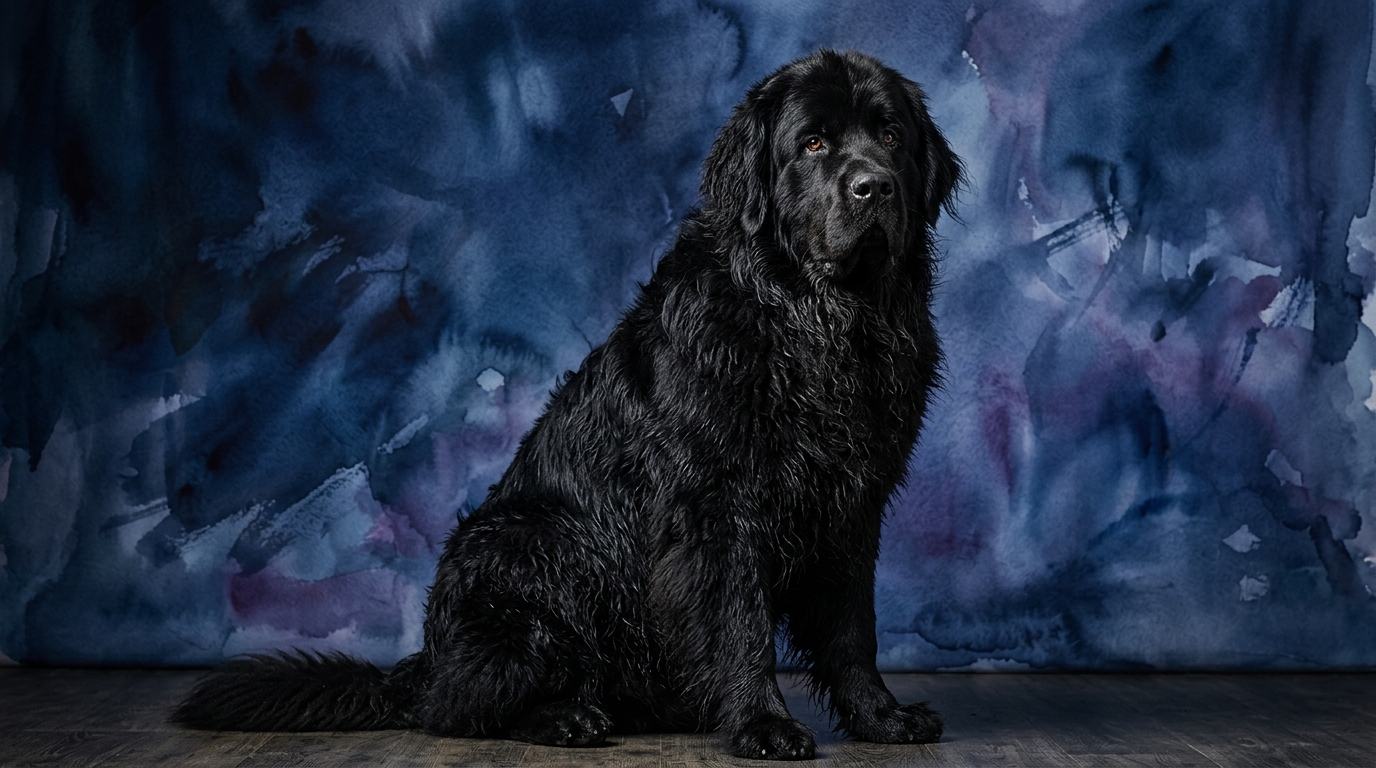
The Cosmic Pet Pet IQ Lab employs a multi-dimensional approach to assess canine cognition, moving beyond simplistic notions of 'cleverness' to explore specific aptitudes. For the Newfoundland, a dog from the Working group, its Coren rank of #34 provides a general benchmark, but our detailed breakdown reveals a nuanced picture of its mental strengths. This breed scores a 3/5 in Problem Solving, indicating a practical, deliberate approach to challenges. Its Training Speed is a commendable 4/5, suggesting a readiness to learn when motivated. Where the Newfoundland truly shines is in Social Intelligence, earning a perfect 5/5, reflecting its deep empathy and understanding of human and canine social cues. Its Instinctive Drive is also a top-tier 5/5, rooted in its historical roles of water rescue and companionship, while its Memory registers a strong 4/5, allowing it to retain complex tasks and routines.
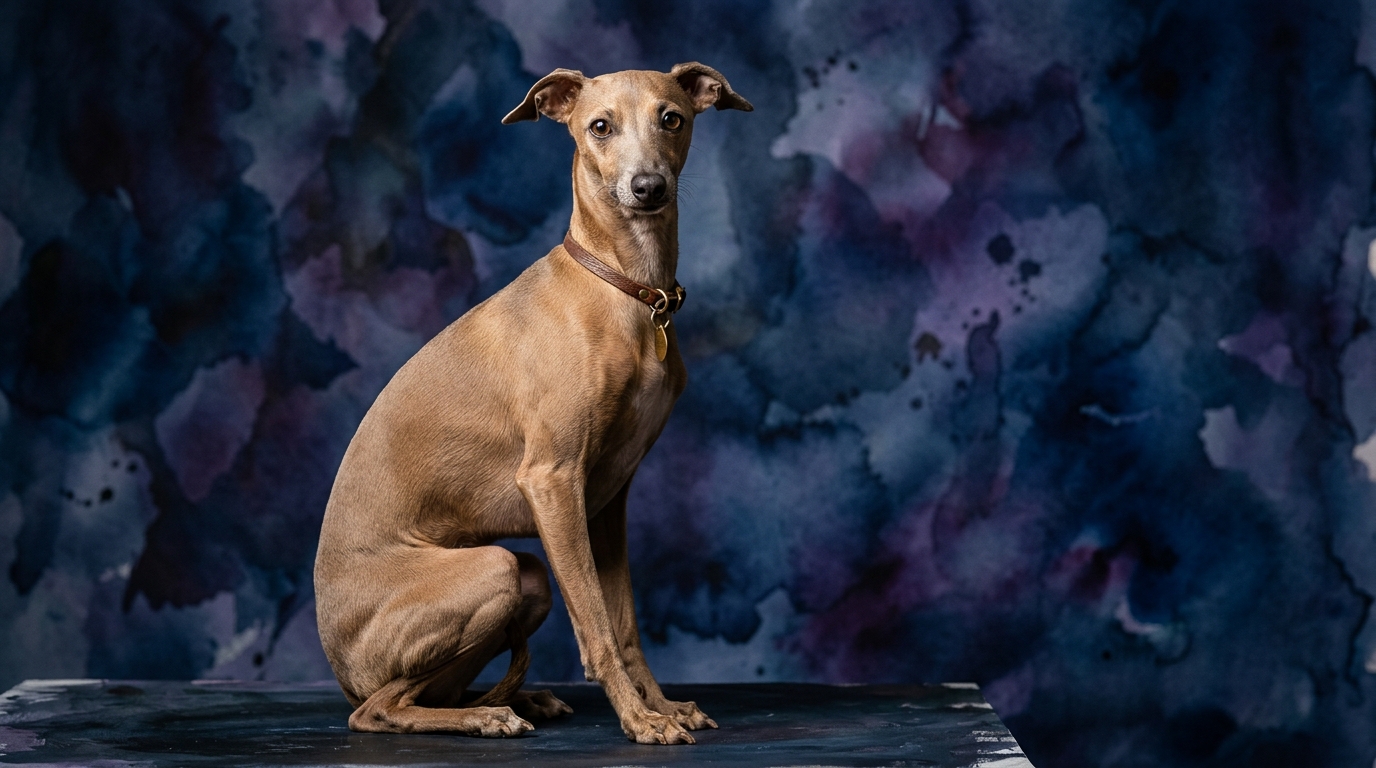
In stark contrast, the Italian Greyhound, a member of the Toy group and not Coren-ranked, presents a different cognitive blueprint, reflecting its lineage as a companion and sighthound. Its Problem Solving ability is rated 3/5, similar to the Newfoundland, but often applied to navigating its immediate environment for comfort or resources rather than complex tasks. Its Training Speed is 3/5, implying that while capable of learning, it often requires more patience and tailored motivation due to a sensitive and sometimes independent nature. Social Intelligence for the Italian Greyhound is 3/5; while deeply bonded to its inner circle, it can be reserved or wary with strangers. Instinctive Drive also scores 3/5, manifesting as a strong prey drive for small, fast-moving objects, coupled with a powerful desire for warmth and close human contact. Its Memory is rated 3/5, sufficient for daily routines and basic commands, but perhaps less for intricate, multi-step sequences.
Where the Newfoundland's Cognitive Prowess Excels
The Newfoundland's cognitive profile reveals distinct advantages, particularly in areas demanding social perceptiveness and robust instinctive behaviors. Its unparalleled 5/5 Social Intelligence means it possesses an exceptional ability to read human emotions, understand subtle cues, and respond with appropriate empathy. This translates into an intuitive companion, often anticipating needs and offering comfort, making them superb therapy or service animals for specific roles. Owners consistently report their Newfoundlands seem to 'just know' when someone is upset or needs gentle attention.
Furthermore, the Newfoundland's 5/5 Instinctive Drive, deeply ingrained from generations of water rescue and protective companionship, makes it a natural for tasks requiring dedication and a strong sense of purpose. This isn't merely about retrieving a ball; it's about a profound urge to assist, guard, and ensure the well-being of its family. This drive, coupled with its 4/5 Memory, allows them to master and reliably execute complex, multi-stage tasks, whether it's pulling a cart, navigating a search pattern, or remembering specific rescue protocols. Their problem-solving, while moderate at 3/5, is often applied to real-world, practical challenges that benefit from their physical strength and unwavering dedication, such as figuring out how to retrieve a toy from a pond or gently guiding a child away from danger.
Nuances of Italian Greyhound Cognitive Strengths
While the Italian Greyhound's scores appear lower across the board compared to the Newfoundland, its cognitive strengths are specifically adapted to its role as a delicate, agile companion. Its 3/5 Problem Solving, for instance, isn't about brute force or complex planning, but often manifests in subtle ways, such as expertly navigating furniture for the most comfortable napping spot or devising clever strategies to gain access to a cherished blanket. They are adept at observing household routines and exploiting opportunities for warmth, food, or affection, often with a charming, understated persistence.
The Italian Greyhound's cognitive advantages also lie in its quick sensory processing and reaction time, characteristic of sighthounds. While not explicitly measured as 'intelligence' in our framework, this speed allows them to react swiftly to visual stimuli, a trait honed for spotting and pursuing small game. Their moderate 3/5 Social Intelligence, though lower than a Newfoundland's, is intensely focused on their chosen human companions, forming profound, often exclusive bonds. They are masters of subtle communication within their immediate family, using body language and soft vocalizations to express needs and desires, particularly for comfort and closeness. Their memory, at 3/5, is perfectly adequate for remembering their people, routines, and preferred napping spots, creating a predictable and comforting daily rhythm.
Training Dynamics: Patience for the IG, Partnership for the Newf
Training a Newfoundland typically involves a partnership approach, leveraging their high Social Intelligence (5/5) and strong Instinctive Drive (5/5). They generally respond well to positive reinforcement because they genuinely desire to please their human companions and engage in purposeful activity. Their 4/5 Training Speed means they pick up commands relatively quickly, especially when the tasks align with their natural inclinations, such as retrieving or being gentle. However, their size and strength necessitate early and consistent training to ensure they are manageable adults, as a large, untrained Newf can be a handful. Their memory (4/5) helps solidify learned behaviors, making them reliable once a command is truly understood. Consistency and clear communication are key, as they thrive on understanding their role within the family unit.
Training an Italian Greyhound, with its 3/5 Training Speed and 3/5 Social Intelligence, requires a more nuanced and patient methodology. These delicate sighthounds are sensitive and can be easily discouraged by harsh corrections. Positive reinforcement, coupled with high-value rewards and a gentle approach, is crucial. Their independence can sometimes be misinterpreted as stubbornness; they may simply require more compelling motivation to perform a task if it doesn't immediately benefit them or their comfort. House-training can sometimes be a challenge due to their small bladders and aversion to cold or wet weather, demanding consistent outdoor access and patience. Their moderate memory (3/5) means that repetition and clear, simple commands work best, building confidence and routine over time. Owners must be prepared for a training journey that prioritizes encouragement and understanding over strict compliance.
Matching Canine Cognition to Owner Lifestyles
For active owners or those seeking a dog deeply integrated into family life and potentially involved in working roles, the Newfoundland is often an ideal match. Their high Social Intelligence (5/5) means they thrive on interaction and being part of the 'pack,' making them excellent companions for families with children or other pets. Their strong Instinctive Drive (5/5) makes them suitable for activities like water sports, carting, or even search and rescue, provided proper training and physical conditioning. While they aren't hyperactive, they do require regular, moderate exercise and mental engagement to prevent boredom. Their calm demeanor, combined with their cognitive strengths, makes them a devoted and steady presence for owners who appreciate a large, gentle, and purposeful companion.
Conversely, the Italian Greyhound is better suited for more relaxed owners who appreciate a dog's delicate nature and intense personal bond. Their moderate Instinctive Drive (3/5) is less about strenuous work and more about comfort, companionship, and bursts of playful energy within a secure environment. They are not typically suited for extensive outdoor adventures, preferring short, brisk walks followed by long periods of cuddling on the sofa. Their moderate Social Intelligence (3/5) means they form incredibly strong bonds with their immediate family, often becoming 'velcro dogs,' but may be reserved around strangers. Owners who value quiet companionship, a dog that blends seamlessly into a cozy indoor lifestyle, and are prepared for their sensitive nature and need for warmth will find the Italian Greyhound a deeply affectionate and rewarding companion.
The Verdict
Choose a Newfoundland if you seek a deeply empathetic, purposeful companion eager to participate in family life and engage in moderate, meaningful activities, valuing their strong instincts and social acumen.
Opt for an Italian Greyhound if you desire a delicate, intensely affectionate companion who thrives on close human contact and a comfortable indoor lifestyle, appreciating their quiet charm and focused devotion.
🧠 Find Your Pet's IQ Score
Our Pet IQ Lab assessment covers 25+ tests across 5 cognitive dimensions — personalized to your breed.
Take the Full IQ Test →Frequently Asked Questions
Are Newfoundlands difficult to train due to their size?
While their size necessitates early training for manageability, Newfoundlands are generally not difficult to train. Their high Social Intelligence and strong desire to please, reflected in their 4/5 Training Speed, make them responsive to consistent, positive reinforcement methods.
Do Italian Greyhounds get along with other pets or children?
Italian Greyhounds can coexist peacefully with other pets and gentle, older children, especially if introduced thoughtfully. Their 3/5 Social Intelligence means they form strong bonds with their inner circle but may be reserved or sensitive to boisterous interactions, preferring a calm environment.
Which breed is better for apartment living?
The Italian Greyhound is generally better suited for apartment living due to its small size and lower exercise requirements, preferring indoor comfort. A Newfoundland's sheer size, even with its calm demeanor, makes apartment living challenging without significant space and dedicated outdoor access.