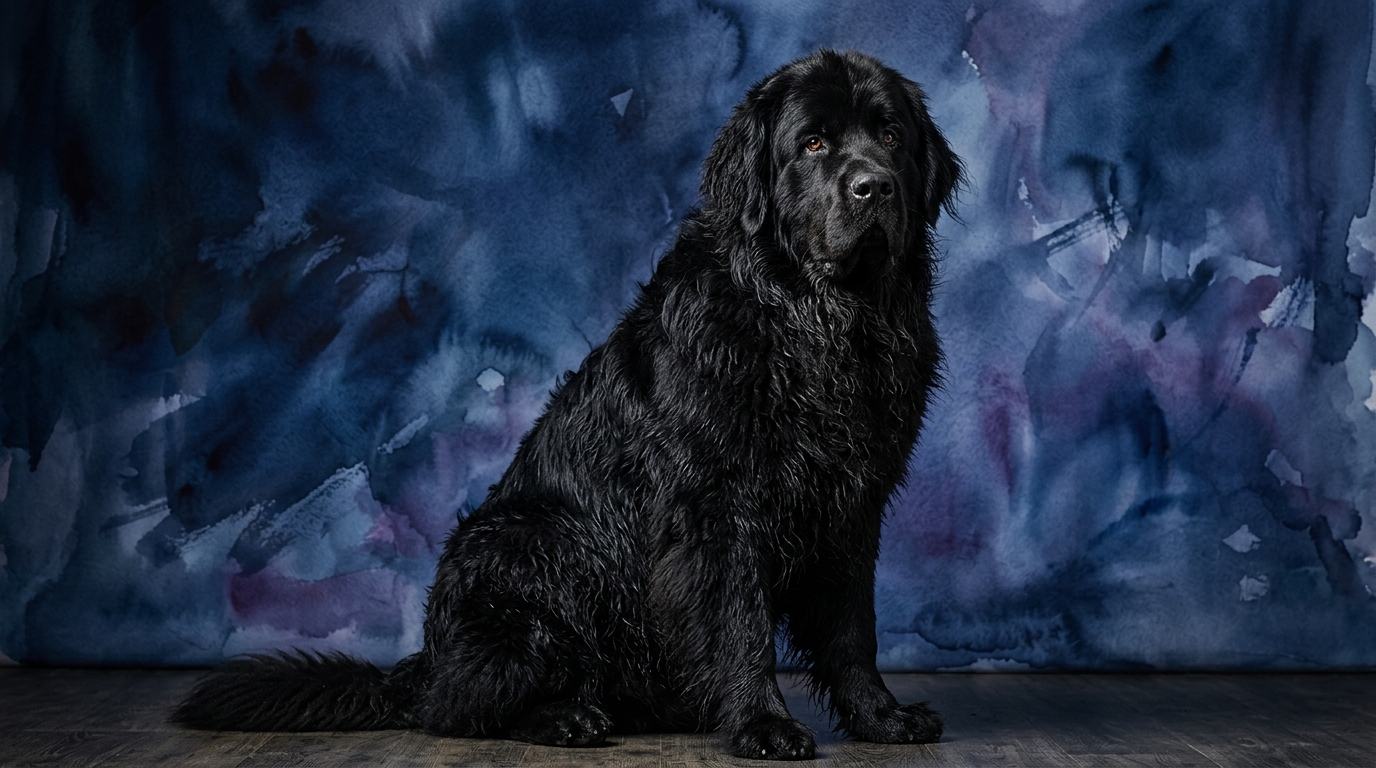
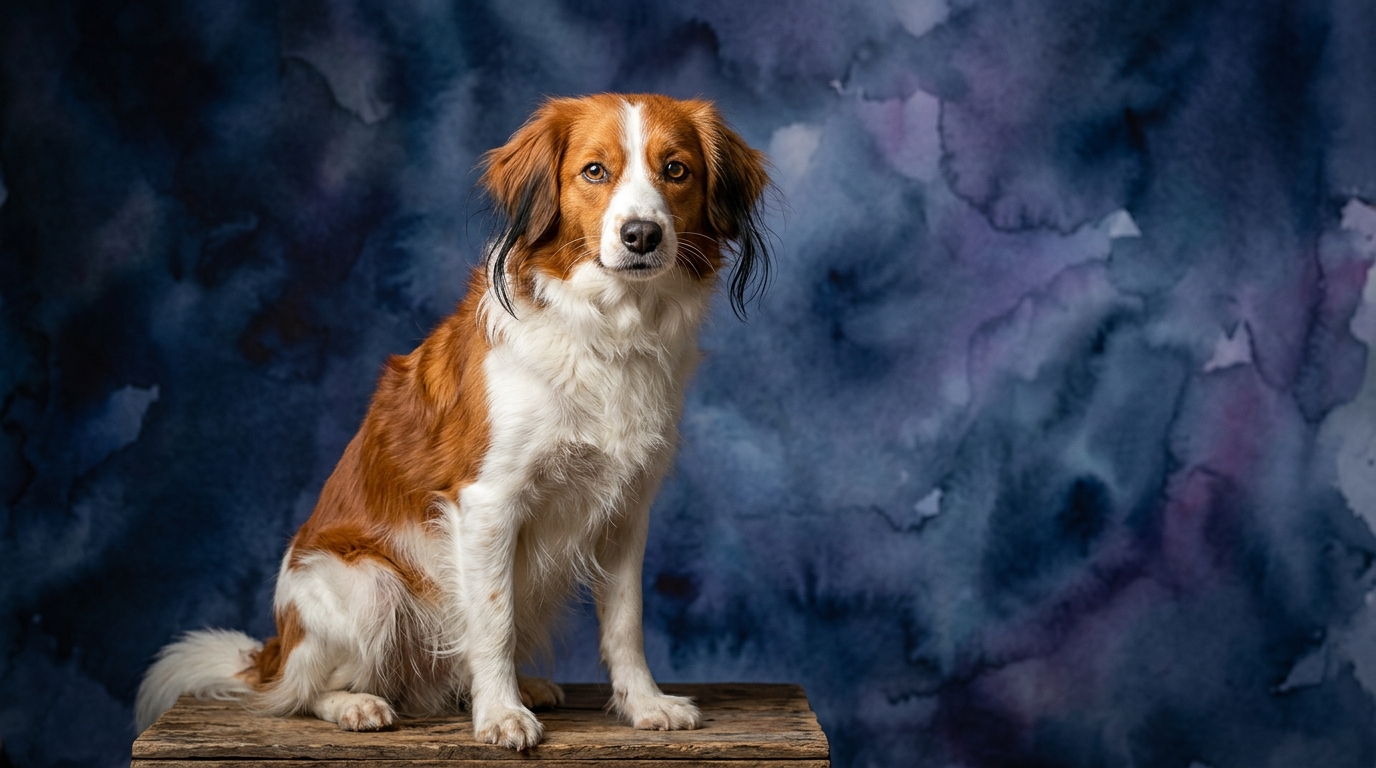
Side-by-Side IQ Profile: Newfoundland vs. Kooikerhondje
The Newfoundland's Pet IQ Lab profile reveals a practical Problem Solving score of 3/5, indicating a preference for challenges solved with human guidance rather than abstract thought. Their Training Speed of 4/5 highlights an efficient learning aptitude, while an exceptional Social Intelligence of 5/5 signifies profound empathy and bond-forming capacity. A powerful Instinctive Drive of 5/5 reflects their innate urge for purposeful activity, particularly water rescue. Memory at 4/5 suggests strong retention of learned behaviors and recognition. Ranking #34 by Coren, they are recognized for their obedience and working intelligence.
Conversely, the Kooikerhondje's profile shows a Problem Solving score of 3/5, indicating practical intelligence focused on immediate environmental challenges, often with independent trial-and-error. Training Speed is 3/5, suggesting a moderate learning pace requiring consistent, engaging methods. Social Intelligence at 3/5 implies a capacity for connection, albeit with a more reserved or selective approach to new people. Instinctive Drive of 3/5 reflects a moderate natural inclination for their original decoy work, requiring activation. Memory at 3/5 implies reliable but not extraordinary recall. They are not Coren-ranked, which places them outside the top tier of traditional obedience-focused working breeds.
Where the Newfoundland Excels Cognitively
The Newfoundland demonstrably excels in areas prioritizing human-centric cooperation and profound emotional attunement. Their Social Intelligence score of 5/5 is a standout, indicating an unparalleled capacity to interpret human cues, intentions, and emotional states, making them exceptionally empathetic companions and natural therapy dogs. This high social acumen translates into a deep desire to please and work alongside their human partners, fostering a strong, intuitive bond. Coupled with an Instinctive Drive of 5/5, primarily for water rescue and protection, Newfoundlands possess a powerful, directed purposefulness. This drive, when channeled appropriately, makes them highly motivated to engage in tasks that benefit their human family. Their Training Speed of 4/5 further solidifies their cognitive advantage in structured learning environments, allowing them to quickly grasp and execute complex sequences of commands, often with minimal repetition, thanks to their cooperative nature and strong memory (4/5).
Where the Kooikerhondje Holds a Unique Cognitive Edge
While not boasting higher scores in most metrics, the Kooikerhondje's cognitive profile represents a distinct type of operational intelligence, specifically tailored for its unique historical role. Their Problem Solving score of 3/5, matching the Newfoundland, suggests a practical intellect focused on navigating immediate environmental puzzles, but often with a greater degree of independent thought. This independence was crucial for their duck-decoying work, where they needed to operate semi-autonomously, luring ducks without direct, constant human command. Their moderate Social Intelligence (3/5) and Instinctive Drive (3/5) mean they form bonds and have purpose, but with a less intense focus on human direction compared to the Newfie. This can be interpreted as a cognitive win for owners seeking a dog with a balanced, self-sufficient approach to challenges, rather than one constantly seeking human validation or direction. Their overall balanced scores across the board suggest an adaptable intelligence that allows them to excel in diverse activities, from agility to scent work, where independent decision-making and observational learning are paramount.
Trainability: Newfoundland vs. Kooikerhondje
Based on our IQ metrics, the Newfoundland presents as the easier breed to train for most conventional obedience tasks. Their exceptional Social Intelligence (5/5) means they are highly attuned to human desires and eager to cooperate, often anticipating commands or responding to subtle cues. This strong desire to please, combined with a Training Speed of 4/5 and a solid Memory (4/5), enables them to learn new commands quickly and reliably retain them over time. Their substantial Instinctive Drive (5/5) provides a powerful internal motivation that, when properly directed, makes them highly focused and dedicated students.
In contrast, the Kooikerhondje, with a Training Speed of 3/5 and Social Intelligence of 3/5, may require a more patient and nuanced training approach. While capable learners, their more independent nature means they might not possess the same inherent drive to constantly seek human approval. Training a Kooikerhondje often benefits from positive reinforcement, engaging games, and varied sessions to maintain their interest, as repetitive drills might lead to disengagement. Their practical problem-solving (3/5) means they learn by doing, and consistent, clear communication is key to channeling their focus effectively.
Ideal Owners: Active vs. Relaxed Lifestyles
The choice between these two breeds depends significantly on an owner's lifestyle and their definition of 'active' or 'relaxed.' A Newfoundland, despite its immense size and powerful Instinctive Drive (5/5) for purposeful work, often presents as a surprisingly relaxed companion indoors, provided its needs for moderate exercise and mental engagement are met. They suit owners who appreciate a calm, devoted presence but are also prepared to facilitate activities like swimming, carting, or therapy work, which tap into their deep-seated drives and social intelligence. They are ideal for 'relaxed' owners who want a gentle giant for companionship, but also 'active' owners who engage them in meaningful, low-impact work.
The Kooikerhondje, while smaller and with a lower Instinctive Drive score (3/5), typically exhibits a more persistent, agile energy that requires consistent daily engagement. They suit 'active' owners who enjoy regular walks, interactive play, and mental challenges like agility, obedience, or scent work to keep their quick minds stimulated. Their moderate social intelligence means they thrive on consistent interaction within their family but may be more reserved with strangers. For 'relaxed' owners, a Kooikerhondje might prove too demanding of consistent mental and physical outlets, potentially leading to boredom-related behaviors. They thrive with owners who are actively involved in their daily enrichment.
The Verdict
Choose the Newfoundland if you seek a profoundly empathetic, cooperative, and gentle giant eager to engage in purposeful tasks and form deep, intuitive bonds.
Opt for the Kooikerhondje if you prefer an agile, independently thinking companion that thrives on consistent mental and physical engagement, offering a more self-sufficient type of canine partnership.
🧠 Find Your Pet's IQ Score
Our Pet IQ Lab assessment covers 25+ tests across 5 cognitive dimensions — personalized to your breed.
Take the Full IQ Test →Frequently Asked Questions
Does the Newfoundland's high social intelligence make it a better family dog?
The Newfoundland's exceptional social intelligence (5/5) makes them remarkably attuned to family dynamics and human emotions, fostering deep, empathetic connections. This trait often makes them outstanding, patient companions for families, especially those with children, as they naturally take on a protective and nurturing role.
Is the Kooikerhondje's lower training speed a significant hurdle for new dog owners?
While the Kooikerhondje's training speed (3/5) is moderate, it's not an insurmountable hurdle for new owners; it simply requires more patience and consistent, positive reinforcement. Their independence means engaging training methods, such as games and varied exercises, are more effective than repetitive drills, fostering a strong bond through mutual effort.
Which breed requires more mental stimulation to prevent boredom?
Both breeds benefit from mental stimulation, but the type differs. The Newfoundland's high instinctive drive (5/5) means it thrives on purposeful tasks like water work or carting, while the Kooikerhondje's agile mind and moderate drive (3/5) often require more varied and consistent daily mental challenges, such as puzzle toys, agility, or scent work, to prevent boredom.