Side-by-Side IQ Profile: Newfoundland vs. Shiba Inu
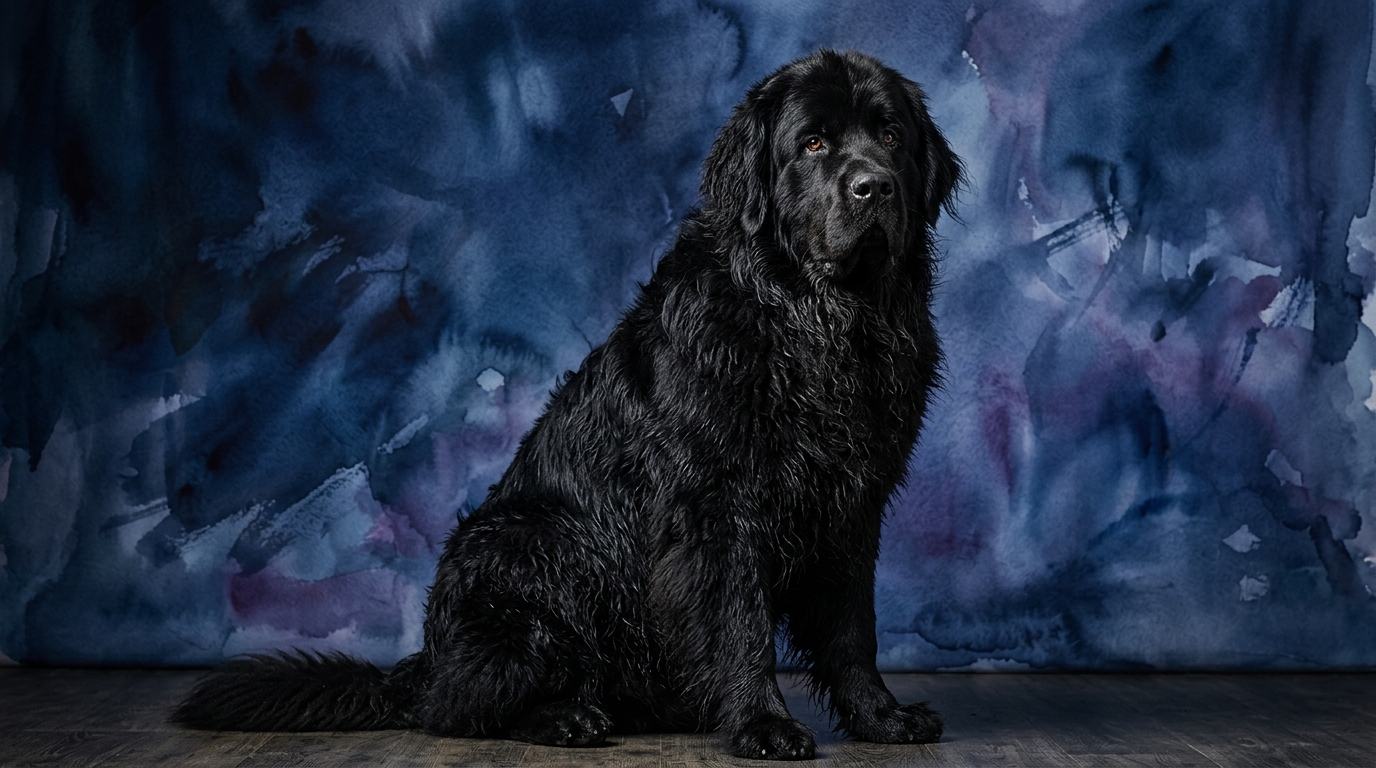
At The Cosmic Pet Pet IQ Lab, we evaluate canine intelligence across five key dimensions. For the Newfoundland, a Working breed, we observe a practical cognitive style. Their Problem Solving rates 3/5, indicating they often rely on learned behaviors and physical strength for clear-cut tasks rather than complex, novel solutions. Training Speed is a strong 4/5, as these dogs typically learn quickly, driven by a responsive nature and eagerness to cooperate. Their Social Intelligence is an exceptional 5/5; Newfoundlands are unparalleled in empathy, understanding human emotions and subtle cues, making them intuitive companions. An Instinctive Drive of 5/5 highlights their powerful instinct for water rescue and protection, defining their sense of purpose and decisive action. Finally, their Memory is 4/5, demonstrating solid retention for commands, routines, and experiences, contributing to their reliability.
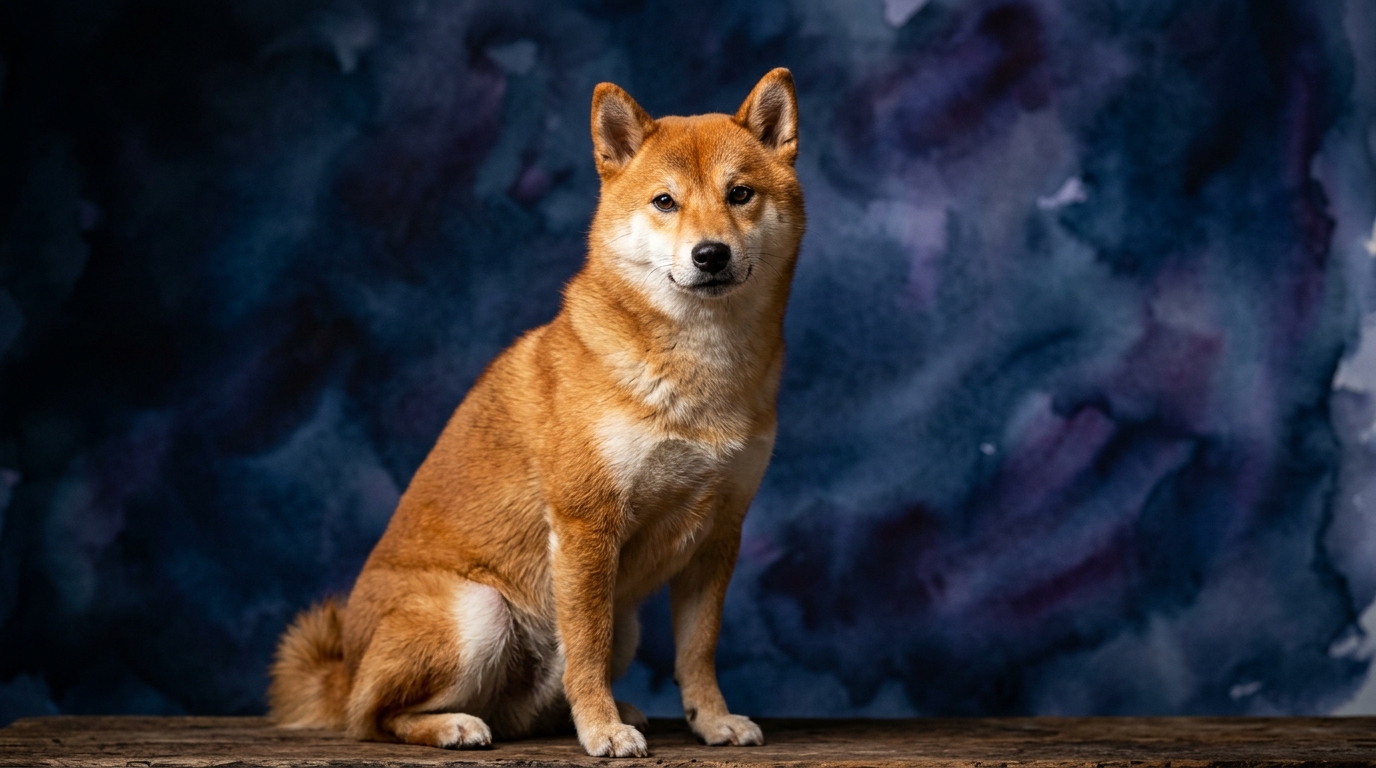
The Shiba Inu, a Non-Sporting breed, presents a distinct cognitive blueprint. Their Problem Solving scores 4/5, reflecting a resourceful and clever nature where they often devise independent solutions to obstacles, showcasing cunning adaptability. Training Speed is a more modest 2/5; learning new commands is a deliberate process for them, as their strong will requires consistent, engaging methods to maintain focus and compliance. Social Intelligence rates 3/5; while capable of deep bonds, Shibas are discerning and can be aloof, choosing when and how to engage. Their Instinctive Drive is a powerful 5/5, stemming from their hunting heritage which imbues them with potent prey drive and vigilant guarding instincts. Like the Newfoundland, their Memory is 4/5, indicating good recall for places, routines, and past interactions, which informs their future behavior.
Where the Newfoundland Wins Cognitively
Newfoundlands excel profoundly in social intelligence, scoring a perfect 5/5. This isn't merely friendliness; it reflects an advanced capacity for empathy and understanding human emotional states, making them exceptionally attuned to their companions' needs. This superior social cognition enables them to thrive in collaborative roles like service work, therapy, or search and rescue, where attunement to human distress signals is paramount. Their Coren ranking of #34 among dog breeds further underscores their capacity for cooperative learning and responsiveness to human guidance, a significant advantage over breeds that prioritize independent thought. This collaborative cognitive style, coupled with their high training speed (4/5), allows them to integrate seamlessly into family dynamics, often anticipating needs and offering comfort without explicit commands.
Where the Shiba Inu Wins Cognitively
The Shiba Inu's cognitive strengths shine brightest in problem-solving, where they score an impressive 4/5. Unlike the Newfoundland's collaborative approach, the Shiba's intelligence is characterized by a resourceful, independent, and often cunning ability to navigate challenges on their own terms. This breed often thinks outside the box, devising novel solutions to get what they want, whether it's opening a cabinet or figuring out how to bypass a barrier. Their robust instinctive drive (5/5), rooted in their hunting heritage, fuels this self-directed problem-solving, enabling them to make quick, decisive choices in dynamic environments. While not traditionally Coren-ranked, their unique cognitive profile suggests an intelligence that prioritizes autonomy and self-sufficiency over strict obedience, making them adept at adapting to new situations through observation and independent trial-and-error.
Which Is Easier to Train and Why
When considering ease of training, the Newfoundland holds a clear advantage. Their high social intelligence (5/5) means they are inherently motivated to cooperate and please their human companions. Coupled with a training speed of 4/5, Newfies are responsive, eager to learn, and thrive on positive reinforcement and clear communication. They view training as a collaborative activity, actively engaging with their owner and seeking to understand expectations, making them relatively straightforward to teach, especially in obedience and complex tasks requiring teamwork. This makes them ideal for owners seeking a responsive learner.
In contrast, the Shiba Inu presents a more significant challenge for training. Their training speed is a modest 2/5, reflecting their independent and often stubborn nature. Shibas are thinkers; they process commands and often decide if compliance is in their best interest, rather than simply obeying. Their moderate social intelligence (3/5) means they are less driven by a desire to please and more by their own internal motivations, which can make them seem aloof or disengaged during sessions. Training a Shiba requires immense patience, creativity, and a deep understanding of their independent spirit, often necessitating highly engaging, varied methods to prevent boredom and foster cooperation. They excel when they perceive the value in a task, not just because they are told to do it.
Which Suits Active Owners vs. Relaxed Owners
The choice between these breeds also depends heavily on an owner's lifestyle. A Newfoundland, despite its calm demeanor and relatively lower physical energy requirements compared to some working breeds, thrives with owners who are 'active' in their emotional and social engagement. Their profound social intelligence and need for companionship mean they require significant human interaction and mental stimulation through collaborative activities and training. While they enjoy leisurely walks and swimming, they are not suited for owners who are emotionally detached or expect a dog to entertain itself for long periods. Their size also necessitates an owner who can manage a large, strong animal, even if its energy is moderate.
The Shiba Inu, on the other hand, often suits owners who are physically active and appreciate a dog with a spirited, independent zest for life. Their strong instinctive drives and higher problem-solving score mean they need regular physical exercise that engages both their body and mind, such as varied walks, scent work, or agility. While they can be content lounging, their intelligent and sometimes mischievous nature means they require consistent mental engagement to prevent boredom and destructive behaviors. Owners who respect a Shiba's independence and can provide structured outlets for their energy and cunning will find a rewarding companion, even if that means a dog that occasionally tests boundaries.
The Verdict
Choose a Newfoundland if you seek a deeply empathetic, collaborative companion who thrives on social interaction, excels in structured training, and offers unwavering loyalty and a gentle presence.
Opt for a Shiba Inu if you appreciate an independent, clever, and spirited companion who enjoys solving problems on their own terms and thrives with an owner who respects their autonomy and provides engaging challenges.
🧠 Find Your Pet's IQ Score
Our Pet IQ Lab assessment covers 25+ tests across 5 cognitive dimensions — personalized to your breed.
Take the Full IQ Test →Frequently Asked Questions
Do Newfoundlands bark a lot due to their instinctive drive?
Newfoundlands possess a strong instinctive drive, particularly for protection and rescue, but this doesn't typically manifest as excessive barking. They are more likely to be watchful and use their deep bark as an alert rather than a constant nuisance, often assessing a situation before reacting vocally.
Are Shiba Inus good for first-time dog owners, considering their training speed?
Shiba Inus, with their independent nature and lower training speed, can be challenging for first-time dog owners. Their strong will and tendency to question commands require consistent, patient, and experienced handling to establish clear boundaries and foster cooperation.
How does a Newfoundland's social intelligence impact its interaction with children?
A Newfoundland's exceptional social intelligence makes them remarkably gentle and patient with children, often displaying an intuitive understanding of a child's vulnerability. They are known for their watchful and protective nature, making them excellent family companions who tolerate the antics of youngsters with grace.