Side-by-Side IQ Profile
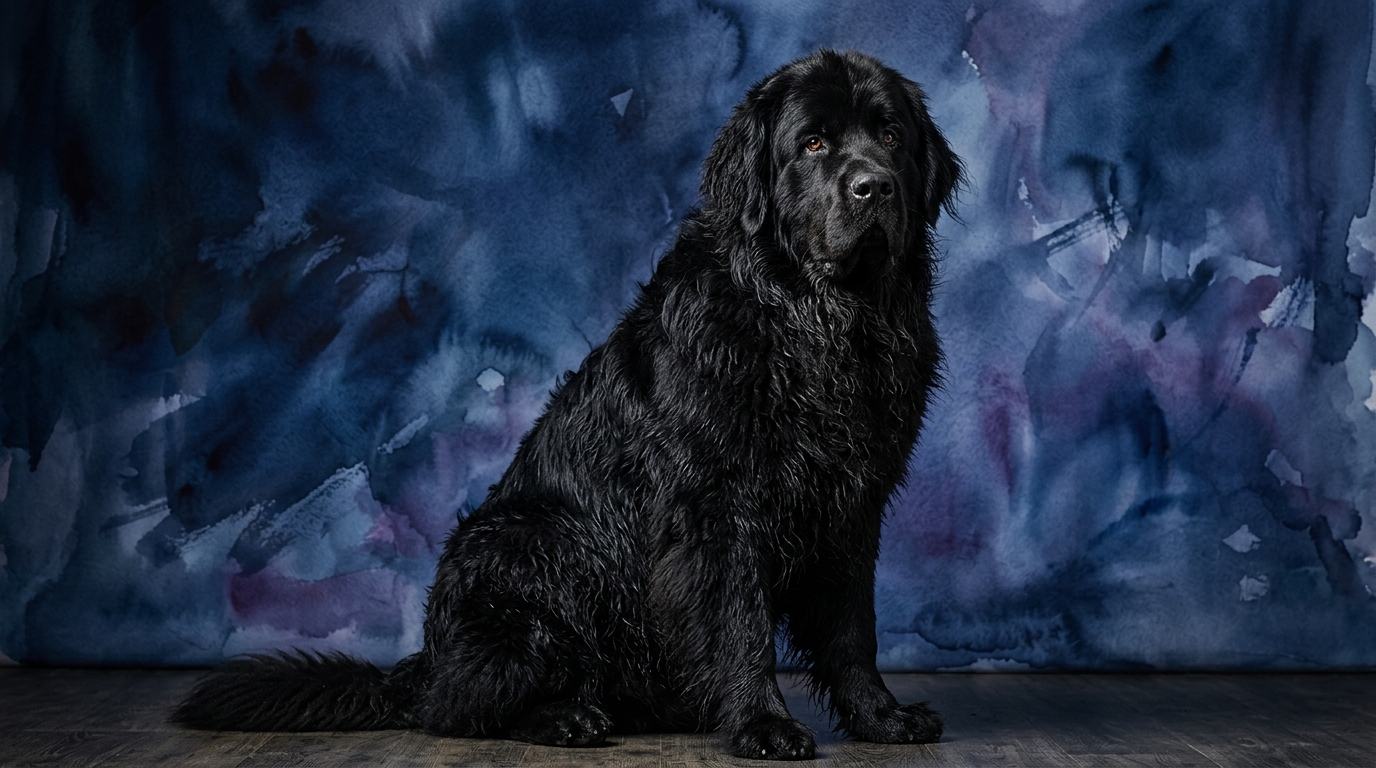
The Cosmic Pet Pet IQ Lab employs a five-dimensional framework to assess canine intelligence, offering a nuanced view beyond simple obedience. For the Newfoundland, a Working breed, its cognitive profile reflects centuries of companionship and rescue work. Its Problem Solving score of 3/5 suggests it can learn and apply solutions to familiar tasks but isn't typically an independent innovator in novel situations. Training Speed, at 4/5, indicates a responsive learner, eager to absorb commands and routines, especially when motivated by positive interaction. The Newfoundland truly shines in Social Intelligence, scoring a perfect 5/5; this reflects an unparalleled empathy, a deep attunement to human emotional states, and an innate ability to cooperate in complex social settings. Its Instinctive Drive, also 5/5, is profoundly rooted in its breed history, manifesting as a powerful urge to assist, protect, and connect, particularly in water rescue contexts. Finally, its Memory of 4/5 ensures it retains learned behaviors and experiences with impressive consistency, contributing to its reliability as a working and family companion.
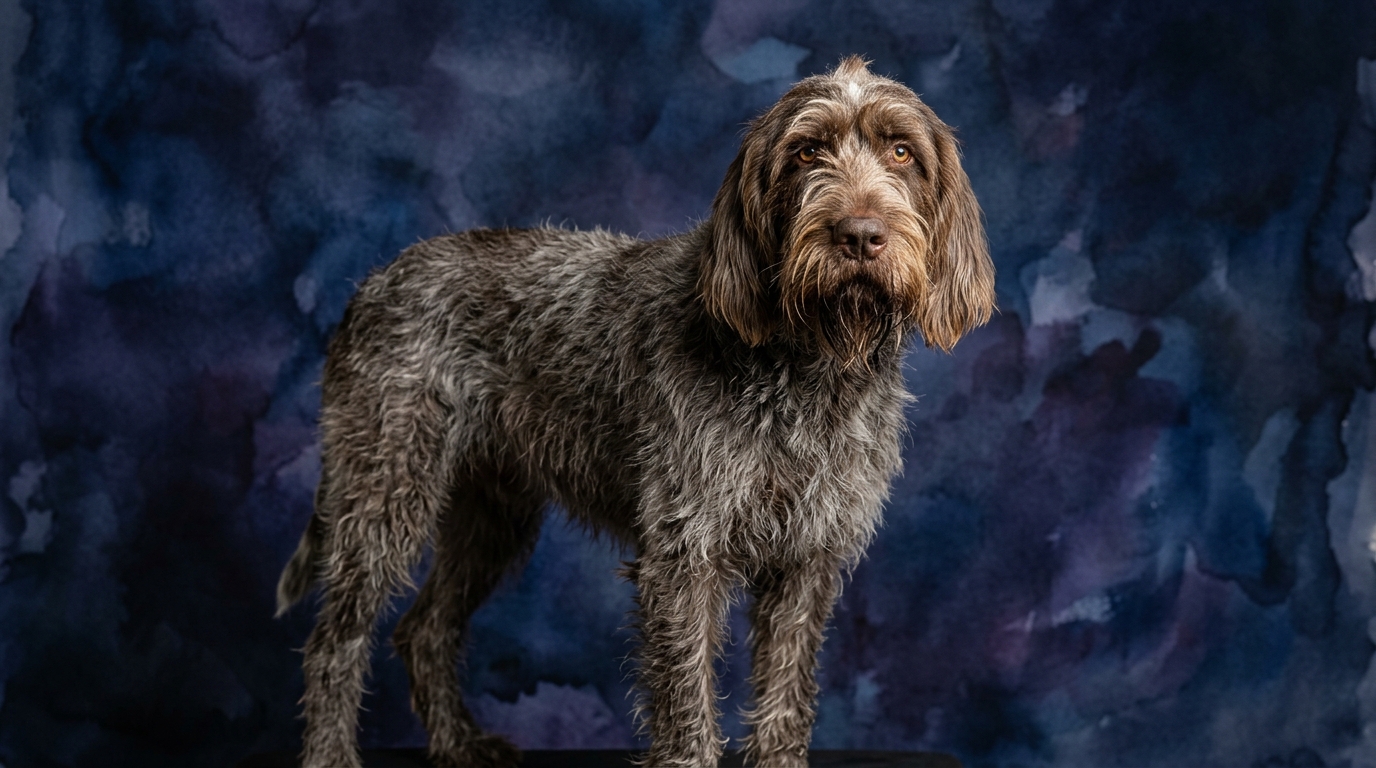
The Spinone Italiano, a Sporting breed, presents a different cognitive blueprint, shaped by its role as a versatile gun dog. Its Problem Solving score of 3/5, similar to the Newfoundland, points to practical intelligence, adept at navigating real-world hunting scenarios rather than abstract puzzles. Training Speed registers at 3/5; while willing, the Spinone can display a thoughtful independence, sometimes requiring more patience and engaging methods to maintain focus and integrate new commands. Its Social Intelligence, at 3/5, indicates a friendly and affectionate nature within its family unit, but perhaps less of the profound, intuitive empathy seen in the Newfoundland. The Spinone’s Instinctive Drive, also 3/5, is specifically channeled towards its hunting purpose – an enduring desire to scent, track, and retrieve, rather than a broad cooperative instinct. Its Memory score of 3/5 is functional and sufficient for retaining hunting patterns and learned tasks, though it might not recall complex sequences with the same detail as a breed with a higher score.
Where Newfoundland Wins Cognitively
The Newfoundland’s cognitive strengths are most evident in its extraordinary social intelligence and profound instinctive drive, both rated 5/5. This breed possesses an almost unparalleled capacity for empathy, intuitively picking up on subtle human emotional cues and responding with gentle reassurance or proactive assistance. This isn't merely obedience; it's a deep, cognitive understanding of social dynamics and a powerful innate desire to be a cooperative, supportive presence. For instance, a Newfoundland might spontaneously comfort a crying child without being prompted, or position itself between a loved one and a perceived threat, demonstrating a sophisticated grasp of social context and protective instinct. Their high training speed of 4/5 synergizes with this social acumen, meaning they not only learn quickly but also understand the *purpose* behind the training, particularly when it involves helping or interacting with people. This makes them exceptional candidates for therapy work, assistance roles, and as intuitive family members who anticipate needs. Their memory (4/5) reinforces this, allowing them to consistently apply these socially intelligent behaviors and learned cooperative tasks over time, building a reliable and deeply connected relationship.
Where Spinone Italiano Wins Cognitively
The Spinone Italiano's cognitive strengths lie in its specific application of problem-solving within its working domain and its thoughtful independence. While its Problem Solving score is 3/5, this manifests as a practical ingenuity crucial for a hunting dog. For example, a Spinone might not solve a puzzle box quickly, but it will methodically and persistently work through dense cover, using its scenting abilities and memory (3/5) to navigate complex terrain and locate game, adapting its strategy based on environmental feedback. This demonstrates a specific type of environmental processing and task-oriented problem-solving. Its instinctive drive (3/5), though not as broadly cooperative as the Newfoundland's, is intensely focused on its sporting purpose, imbuing it with resilience and determination in the field. This breed is capable of making independent decisions during a hunt, assessing situations without constant human direction, which is a significant cognitive advantage in varied and unpredictable outdoor environments. Their moderate training speed (3/5) doesn’t signify a lack of capacity, but rather a reflective learning style; they process information and learn through engagement, developing a robust understanding that contributes to their reliable performance in their chosen work.
Which Is Easier to Train and Why
When considering ease of training, the Newfoundland generally presents a more straightforward experience due to its higher Training Speed (4/5) and exceptional Social Intelligence (5/5). Newfoundlands possess an inherent desire to please their human companions and are deeply motivated by positive interaction and social connection. Their empathetic nature means they are highly attuned to human feedback, making them quick to understand what is expected of them and eager to comply. They thrive on cooperation and view training as a joint activity, which facilitates rapid learning and retention. Their memory (4/5) further aids this, allowing them to consistently recall commands and routines.
The Spinone Italiano, with a Training Speed of 3/5 and Social Intelligence of 3/5, requires a different approach. While willing, they are known for their thoughtful independence and can sometimes appear "stubborn" if not engaged effectively. Their learning style is often more reflective, and they may need more repetition or varied methods to solidify commands. This isn't a deficiency in capacity, but rather a different cognitive processing style where they might deliberate or prioritize their natural hunting instincts. Owners must be patient, consistent, and creative, making training sessions engaging and appealing to the Spinone’s natural drives. While both breeds learn, the Newfoundland's intrinsic motivation to cooperate and please makes the initial stages of training, particularly for basic obedience, generally smoother and faster.
Which Suits Active Owners vs. Relaxed Owners
The choice between a Newfoundland and a Spinone Italiano also hinges significantly on an owner’s lifestyle and activity level. A Newfoundland, despite its impressive size, often suits owners who appreciate a more relaxed pace but can still provide consistent, moderate engagement. Their activity needs are not extreme; daily leisurely walks, opportunities for swimming, and consistent mental stimulation through interaction are usually sufficient. They are content to be a gentle, calm presence within the home, thriving on close companionship and emotional connection. Therefore, a "relaxed owner" in this context is one who values quiet companionship, has time for gentle daily activities, and can provide ample affection and social interaction, rather than someone seeking a high-octane exercise partner.
Conversely, the Spinone Italiano is unequivocally suited for active owners. As a sporting breed, it possesses considerable stamina and a strong desire for purpose-driven activity. They require significant daily exercise, often an hour or more of vigorous activity such as long hikes, jogging, or field work where they can engage their scenting and retrieving instincts. Without adequate physical and mental outlets, a Spinone can become restless or destructive. They thrive with owners who enjoy outdoor adventures, can incorporate their dog into an active lifestyle, and are prepared to provide consistent, engaging challenges that tap into their natural hunting drives. A truly "relaxed" owner, in the sense of minimal daily activity, would likely find the Spinone’s energy levels and need for engagement overwhelming.
The Verdict
Opt for a Newfoundland if you seek a deeply empathetic, cooperative companion eager to engage in family life and learn through positive, gentle guidance, thriving on social connection and moderate activity.
Select a Spinone Italiano if you are an active individual who enjoys outdoor pursuits, can provide consistent, engaging training that respects their thoughtful independence, and appreciates a robust, purpose-driven companion.
🧠 Find Your Pet's IQ Score
Our Pet IQ Lab assessment covers 25+ tests across 5 cognitive dimensions — personalized to your breed.
Take the Full IQ Test →Frequently Asked Questions
Are Newfoundlands good with children?
Yes, their exceptional social intelligence and gentle nature often make them wonderful companions for children. They tend to be patient and protective, earning them the nickname "nanny dog," though supervision is always advised with any dog and child interaction.
How much exercise does a Spinone Italiano need daily?
Spinone Italianos are a sporting breed and require substantial daily exercise, typically an hour or more of vigorous activity like long walks, hikes, or field work. Mental stimulation through scent games and training is equally important to keep them content.
Can a Spinone Italiano live in an apartment?
While possible with a very dedicated owner, a Spinone Italiano's size and high exercise requirements make apartment living challenging. They thrive best in homes with ample space and a secure yard where they can explore and burn off energy, alongside their daily vigorous outings.