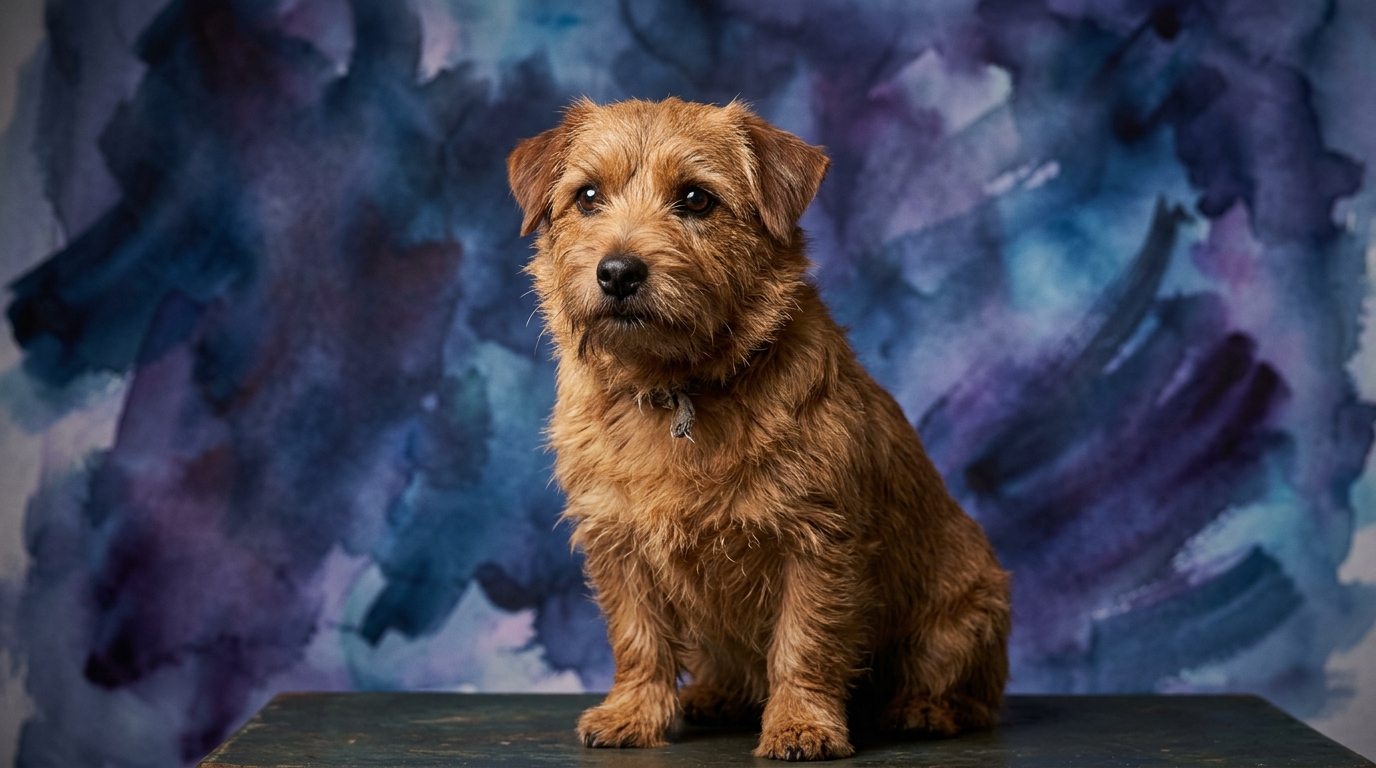
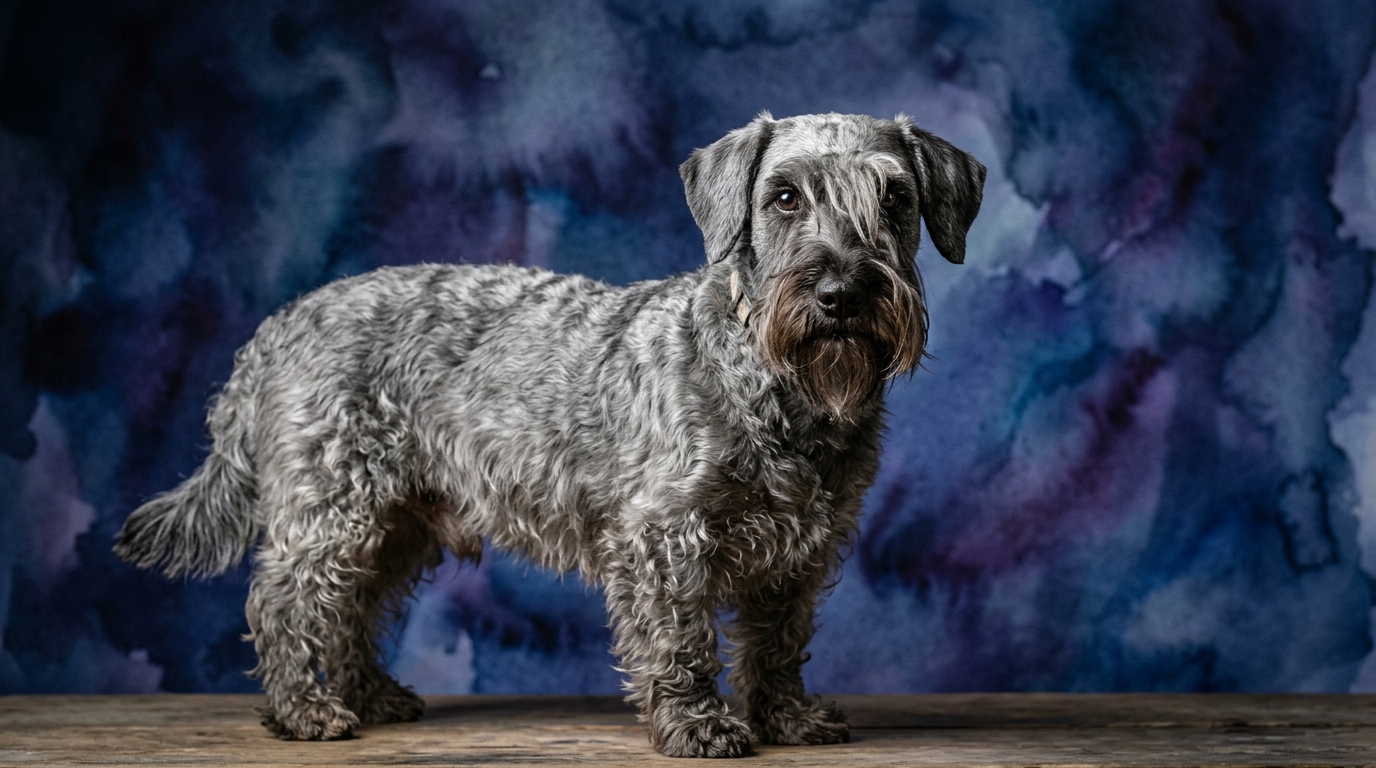
Side-by-Side Cognitive Profile
At the Pet IQ Lab, both the Norfolk Terrier and the Cesky Terrier register a consistent 3/5 across all five cognitive dimensions, suggesting a practical and functional intelligence rather than exceptional academic prowess. This shared score, however, belies subtle differences in how their minds operate. For Problem Solving (3/5), Norfolks tend to be more impetuous, tackling obstacles with spirited, hands-on trial-and-error, driven by immediate curiosity. Ceskys, conversely, often exhibit a more deliberate approach, pausing to assess a situation before engaging, which can lead to a more methodical, albeit slower, resolution to puzzles.
Regarding Training Speed (3/5), Norfolks learn at a moderate pace, their lively nature requiring engaging, varied methods to maintain focus, responding enthusiastically to positive reinforcement. Ceskys also learn steadily, but their thoughtful demeanor means they might take a moment longer to process new commands, yet once understood, they often show reliable retention and consistent performance. Their Social Intelligence (3/5) also diverges: Norfolks are typically outgoing and readily engage with strangers, their friendliness often immediate and apparent. Ceskys, while affectionate with family, tend to be more reserved with outsiders, demonstrating a discerning social radar that values observation before full interaction.
Finally, their Instinctive Drive (3/5) and Memory (3/5), both scored at 3/5, manifest similarly yet with differing intensity. Both breeds possess a strong prey drive and digging instinct, but the Norfolk often expresses this with more boisterous energy, while the Cesky's drive, though powerful, might appear more controlled and focused. Both demonstrate solid memory for routines, commands, and associations, aiding their training and daily navigation, reflecting a practical rather than extraordinary recall capacity.
Where the Norfolk Terrier Wins Cognitively
While both breeds score identically, the Norfolk Terrier's outgoing nature and unwavering zest for life often give them an edge in scenarios demanding spontaneous engagement and a bold, exploratory spirit. Their problem-solving, rated 3/5, frequently manifests as a tenacious, trial-and-error approach, where their sheer persistence and spirited attempts can break through obstacles that might deter a more reserved dog. This means they might be quicker to investigate novel objects or situations, using their robust instinctive drive (3/5) to fuel their curiosity and physical interaction with their environment. In social contexts, their generally more extroverted social intelligence (3/5) allows them to connect with new people and animals with remarkable immediacy, often making them appear more socially adaptable in varied settings, readily initiating interaction rather than waiting to be approached.
Where the Cesky Terrier Wins Cognitively
Conversely, the Cesky Terrier's more thoughtful and composed temperament often translates into cognitive strengths in areas requiring focused attention and a measured approach. Their problem-solving (3/5), while equally effective, tends to involve a moment of observation before action, leading to a potentially more efficient, less chaotic resolution in certain puzzles. This reflective quality, combined with their training speed (3/5) which benefits from clear, consistent instruction, often means that once a Cesky understands a task, they perform it with precision and reliability. Their social intelligence (3/5), though more reserved, allows for a deeper, more discerning bond with their immediate family, where they excel at reading subtle cues and offering quiet companionship, demonstrating a nuanced understanding of their inner circle's emotional landscape.
Which is Easier to Train, and Why?
Determining which breed is 'easier' to train between the Norfolk and Cesky Terriers, despite their identical 3/5 training speed, comes down to understanding their distinct motivations and learning styles. The Norfolk Terrier, with its lively and sometimes impulsive nature, thrives on engaging, varied training sessions that keep their attention. They might pick up a command quickly if it's presented as a fun game, but their independent streak and occasional distractibility mean consistency and creativity from the trainer are paramount. Their training benefits immensely from positive reinforcement and short, dynamic bursts of activity that channel their eager energy.
In contrast, the Cesky Terrier, often described as more thoughtful and less boisterous, can be a highly attentive student. While they might take a moment longer to process a new command initially, their focus tends to be more sustained. They respond exceptionally well to calm, clear, and consistent instruction, valuing routine and understanding. A Cesky might be less prone to impulsive disobedience once a rule is established, but they can be more sensitive to harsh corrections, making a gentle yet firm approach essential. Therefore, for an owner who enjoys making training feel like a playful adventure, the Norfolk might feel more 'easy' due to their enthusiastic participation. For an owner who values a more methodical, focused training partner and consistent adherence to rules once learned, the Cesky could present an 'easier' experience due to their steady temperament and desire for clarity.
Suitability for Active vs. Relaxed Owners
The choice between a Norfolk and a Cesky Terrier also hinges significantly on an owner's lifestyle and activity levels. The Norfolk Terrier, with its boundless enthusiasm and robust instinctive drive (3/5), is generally better suited for active owners who can provide consistent outlets for their energy. They flourish with daily adventures, whether it's brisk walks, playful romps in a secure yard, or engaging in dog sports like agility or earthdog trials. Their social intelligence (3/5) also means they appreciate being an integral part of family activities, not just observers. They thrive on interaction and can become restless or destructive if under-exercised or under-stimulated.
Conversely, the Cesky Terrier, while still a terrier with an inherent drive, typically possesses a more moderate energy level. They enjoy walks and playtime, but their need for intense, constant activity is often less pronounced than that of a Norfolk. This makes them a more suitable companion for owners who might prefer a slightly more relaxed pace, perhaps enjoying regular, but not necessarily marathon, daily exercise. Their thoughtful disposition and solid memory (3/5) allow them to settle comfortably into a home routine, appreciating quiet companionship after their exercise needs are met. While they still require mental and physical engagement, their more composed nature often makes them a better fit for a household that values calm companionship alongside their active moments.
The Verdict
Choose the Norfolk Terrier if you seek a spirited, outgoing companion eager for daily adventures and dynamic interaction, thriving on a lifestyle filled with spontaneous fun and consistent engagement.
Opt for the Cesky Terrier if you prefer a thoughtful, more composed companion who appreciates calm routines, steady training, and offers a discerning, loyal bond with their family.
🧠 Find Your Pet's IQ Score
Our Pet IQ Lab assessment covers 25+ tests across 5 cognitive dimensions — personalized to your breed.
Take the Full IQ Test →Frequently Asked Questions
Do Norfolk Terriers bark a lot?
Norfolk Terriers can be vocal, often using barks to express excitement, alert their owners to new arrivals, or when they're particularly engaged in play. Their spirited nature means they're not typically silent, but consistent training can help manage excessive barking.
Are Cesky Terriers good with children?
Cesky Terriers can be excellent with well-behaved children, often showing patience and a gentle demeanor. Their more reserved nature means they appreciate respectful interactions, and early socialization is key to fostering positive relationships with kids.
What kind of grooming do these terriers require?
Both Norfolk and Cesky Terriers require regular grooming. Norfolks have a wiry coat that needs hand-stripping a few times a year to maintain its texture, along with regular brushing. Ceskys have a silky, wavy coat that needs frequent brushing to prevent mats, and occasional clipping or scissoring to keep it tidy.