Side-by-Side IQ Profile: Deconstructing Canine Cognition
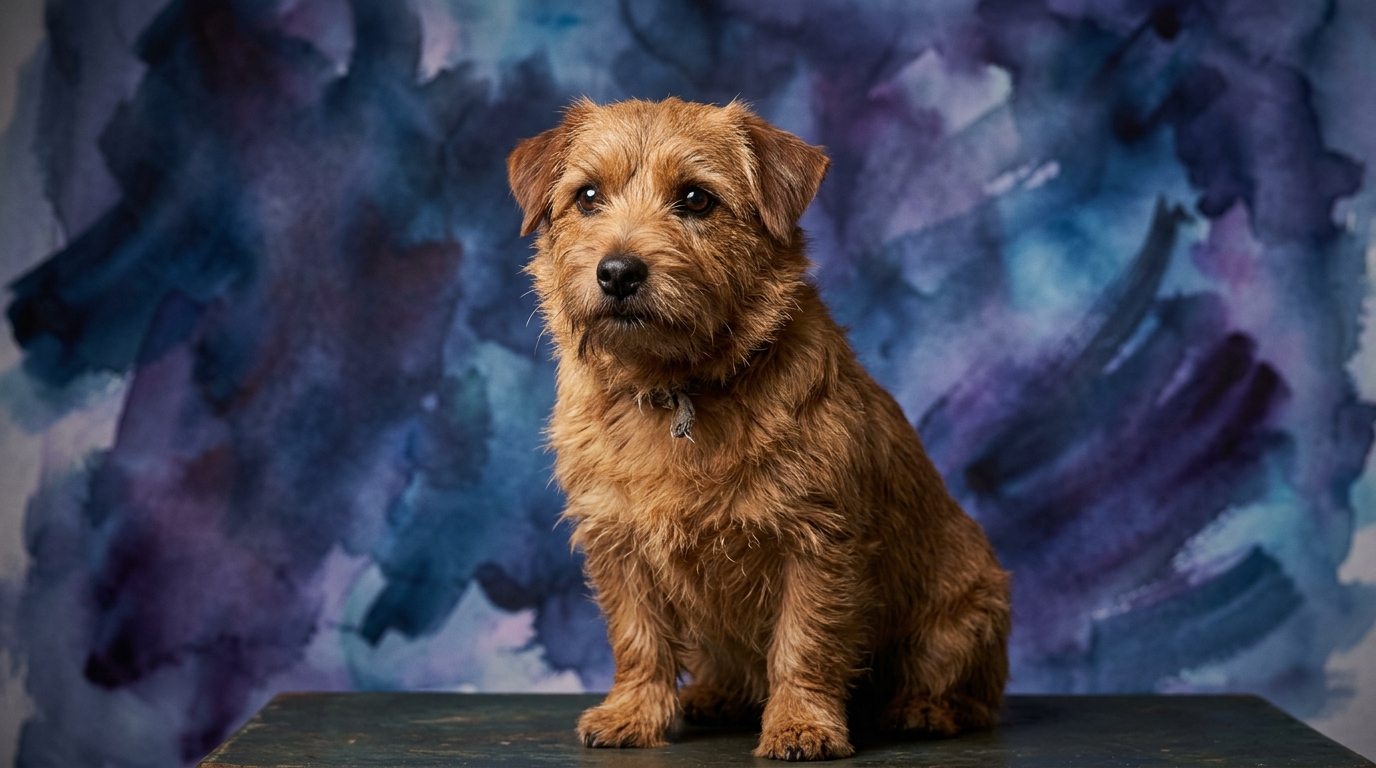
The Cosmic Pet Pet IQ Lab evaluates five critical dimensions of intelligence, providing a nuanced view of a dog's cognitive strengths. For the Norfolk Terrier, a robust member of the Terrier group, we observe a balanced but independent intellectual makeup. Their Problem Solving is rated at 3/5, suggesting a practical, sometimes self-directed approach to challenges, rather than consistently seeking human input for solutions. Training Speed also stands at 3/5, indicating they are capable learners, but often require patience, consistency, and engaging methods to maintain focus and compliance. Social Intelligence is 3/5, meaning they form strong bonds within their immediate family but might approach new social interactions with a degree of selectivity or reservedness. Instructive Drive is 3/5, reflecting a moderate, manageable level of inherent terrier instincts like digging or chasing, without being overwhelming. Finally, their Memory is 3/5, allowing them to retain learned behaviors and experiences adequately for daily life.
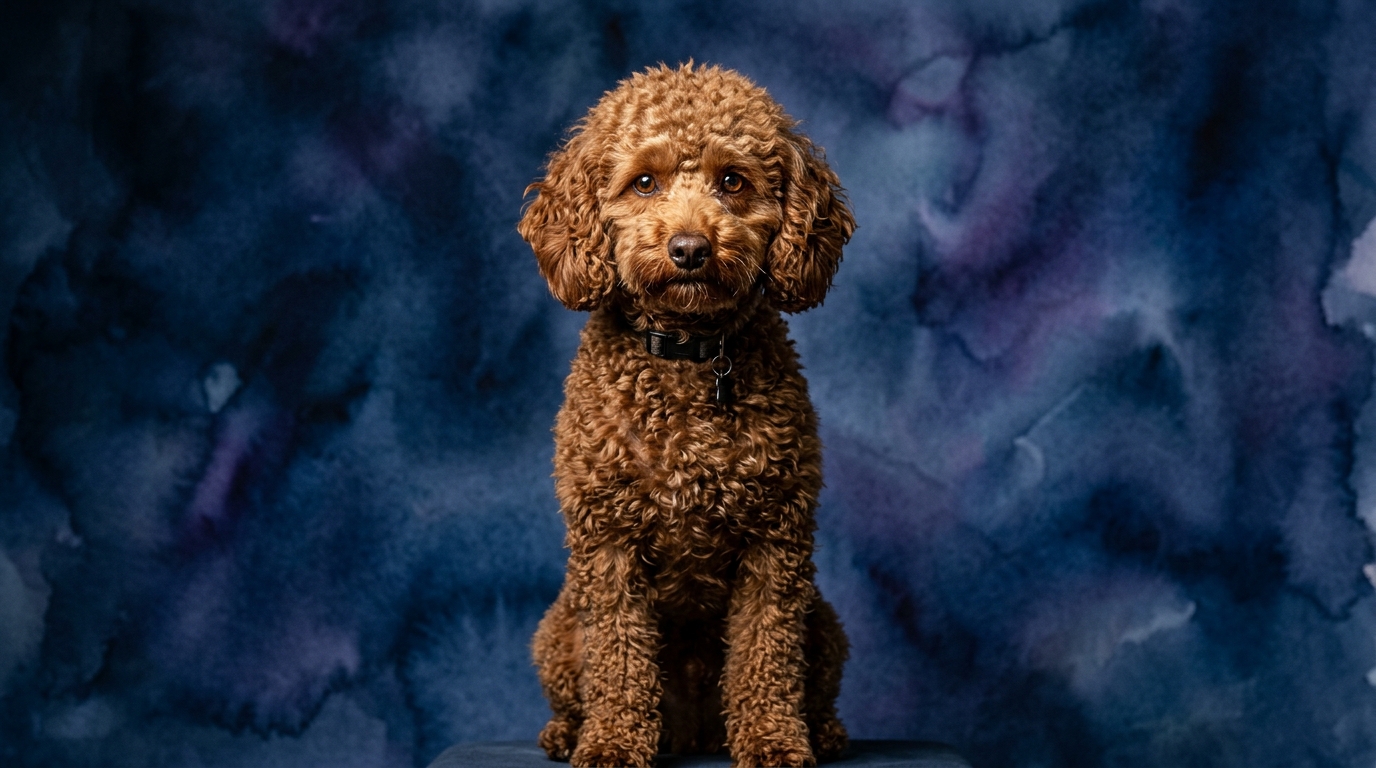
In stark contrast, the Miniature Poodle, belonging to the Non-Sporting group, showcases an extraordinary aptitude for learning and adaptability, earning a high Coren rank (#2 overall). Their Problem Solving ability soars at 5/5, demonstrating an exceptional capacity to analyze novel situations, strategize, and adapt behaviors to achieve goals, often with surprising innovation. Their Training Speed also reaches 5/5, signifying a remarkable ability to grasp new commands and concepts rapidly, often with minimal repetition and a strong desire to please. Like the Norfolk Terrier, the Miniature Poodle's Social Intelligence is rated 3/5, indicating they are perceptive of human emotions and bond closely, but can sometimes be sensitive or reserved in unfamiliar social contexts. Instructive Drive is also 3/5, reflecting a moderate, adaptable drive that, while present from their retrieving heritage, is not typically dominant in their modern role. Crucially, their Memory is 5/5, allowing for near-flawless recall of a vast repertoire of commands, complex routines, and past experiences, making them highly reliable companions.
Where the Norfolk Terrier’s Mind Shines
While the Miniature Poodle excels in traditional measures of trainability, the Norfolk Terrier possesses a unique cognitive strength rooted in its terrier heritage: a tenacious, independent problem-solving ability in practical, real-world scenarios. With a Problem Solving score of 3/5, a Norfolk isn't necessarily a slow thinker, but rather a self-reliant one. They might not immediately look to a human for the 'correct' solution to a puzzle toy, but instead persist with various methods until they figure it out themselves. This manifests as a resourceful determination when faced with obstacles, such as finding a way to access a favorite spot or investigating an intriguing scent, often employing their own, sometimes unexpected, strategies rather than waiting for instruction. This practical ingenuity, combined with their moderate instinctive drive, allows them to navigate their environment with a self-assured curiosity, making them adept at independent exploration and self-amusement.
Their cognitive wins are less about speed and more about grit. A Norfolk Terrier's 3/5 memory, while not photographic, is perfectly sufficient for recalling routines and the layout of their territory, allowing them to confidently patrol and protect their space. This breed excels in situations where an independent spirit and a persistent, practical approach to challenges are valued over rapid, human-directed learning. They offer a companionship built on mutual respect for their distinct personality and inherent ability to manage their own small world with a clever, if not always compliant, mind.
The Miniature Poodle’s Cognitive Edge
The Miniature Poodle's cognitive strengths are undeniably impressive, particularly in areas that align with human-directed learning and complex tasks. Their perfect 5/5 scores in Problem Solving, Training Speed, and Memory establish them as exceptional learners and highly adaptable companions. This breed demonstrates a remarkable capacity for abstract thought, quickly grasping new concepts and generalizing them to different situations. For instance, if taught a command like 'fetch' with one toy, they will readily apply it to any other object without extensive re-training, showcasing their superior ability to infer and apply rules.
Their exceptional memory (5/5) means they not only learn rapidly but retain that information with remarkable accuracy over long periods. This makes them outstanding candidates for advanced obedience, intricate trick training, and even canine sports that require complex sequences and precise execution. A Miniature Poodle thrives on mental engagement, often anticipating commands or understanding multi-step requests. Their cognitive edge lies in their responsiveness, their eager participation in learning, and their ability to apply their keen intellect to a vast array of tasks, making them incredibly versatile and rewarding partners for those who enjoy interactive challenges.
Training Dynamics: A Tale of Two Learners
When considering ease of training, the differences between the Norfolk Terrier and Miniature Poodle are quite pronounced, stemming directly from their IQ profiles. The Miniature Poodle, with its 5/5 Training Speed, 5/5 Problem Solving, and 5/5 Memory, is an absolute dream to train. They possess an innate eagerness to learn and please, absorbing new commands and behaviors with remarkable speed and precision. They respond exceptionally well to positive reinforcement, quickly forming associations between actions and rewards. This breed often enjoys the process of training itself, viewing it as an engaging mental exercise and an opportunity for interaction, which fosters rapid progress in everything from basic manners to advanced obedience or even complex dog sports.
In contrast, the Norfolk Terrier, with its 3/5 Training Speed, requires a more nuanced and patient approach. While capable of learning, their independent terrier spirit means they can be more selective in their compliance. They might understand a command but choose to prioritize a more interesting scent or activity, requiring consistent motivation and creative, engaging training sessions to hold their attention. Repetition is often necessary, and trainers must be mindful of their strong will. Their 3/5 Problem Solving means they can figure things out, but they might not always choose the human-preferred solution, making early and consistent socialization and training crucial to channel their natural tenacity into constructive behaviors rather than stubbornness. Training a Norfolk is a partnership, demanding respect for their independent mind rather than expecting unquestioning obedience.
Lifestyle Match: Active Engagement vs. Thoughtful Companionship
The cognitive profiles of these two breeds align with distinct owner lifestyles. A Miniature Poodle, with its superior problem-solving, training speed, and memory, is an ideal companion for owners who are active in a mental sense. They thrive when their intellect is regularly engaged through training, puzzle toys, interactive games, or canine sports. They are highly adaptable to various living situations, but truly flourish with owners who enjoy teaching new things and providing consistent mental stimulation. This breed suits those who want a highly responsive dog that can learn complex routines and participate enthusiastically in shared activities. They are excellent for owners who appreciate a dog that is always 'on' and eager to interact and learn.
Conversely, the Norfolk Terrier, with its balanced but more independent cognitive scores, is well-suited for owners who appreciate a dog with a robust personality and a degree of self-sufficiency. While they certainly need exercise and mental engagement, their fulfillment comes less from constant human-directed training and more from exploring their environment and engaging in activities on their own terms. They are wonderful for owners who enjoy resilient companions for walks and adventures, but who understand that their dog might not always be the quickest to learn a new trick or the most eager to please in every scenario. They offer a thoughtful companionship, perfect for those who value a loyal, spirited friend with a practical, independent mind, rather than a canine eager to perform.
The Verdict: Choosing Your Canine Companion
The Verdict
Choose the Norfolk Terrier if you seek a spirited, independent companion who offers practical problem-solving and a tenacious spirit, valuing a resilient and distinct personality over rapid, human-directed obedience. They are ideal for owners who appreciate a dog with a strong will and enjoy channeling that into constructive, engaging activities.
Opt for the Miniature Poodle if you desire a highly adaptable, quick-learning, and responsive companion eager for mental engagement, excelling in structured training, and mastering complex tasks. They are perfect for owners who enjoy interactive learning and wish for a dog that can master a wide range of commands and activities with enthusiasm.
🧠 Find Your Pet's IQ Score
Our Pet IQ Lab assessment covers 25+ tests across 5 cognitive dimensions — personalized to your breed.
Take the Full IQ Test →Frequently Asked Questions
Which breed is better for first-time dog owners?
The Miniature Poodle's high training speed and eagerness to please generally make them a more forgiving and rewarding choice for first-time dog owners. Their responsiveness simplifies the learning process for both dog and human, making early training less daunting.
Do Norfolk Terriers really think for themselves more?
Based on their 3/5 Problem Solving score, Norfolk Terriers do tend to approach challenges with more independence, often relying on their own instincts and persistence rather than immediately seeking human guidance. This self-reliance is a hallmark of their terrier heritage.
Can Miniature Poodles excel in dog sports?
Absolutely. With 5/5 in Problem Solving, Training Speed, and Memory, Miniature Poodles are outstanding candidates for a wide array of dog sports, including agility, obedience, rally, and even scent work. Their cognitive abilities make them highly competitive and adaptable athletes.