Side-by-Side IQ Profile: Interpreting Identical Scores
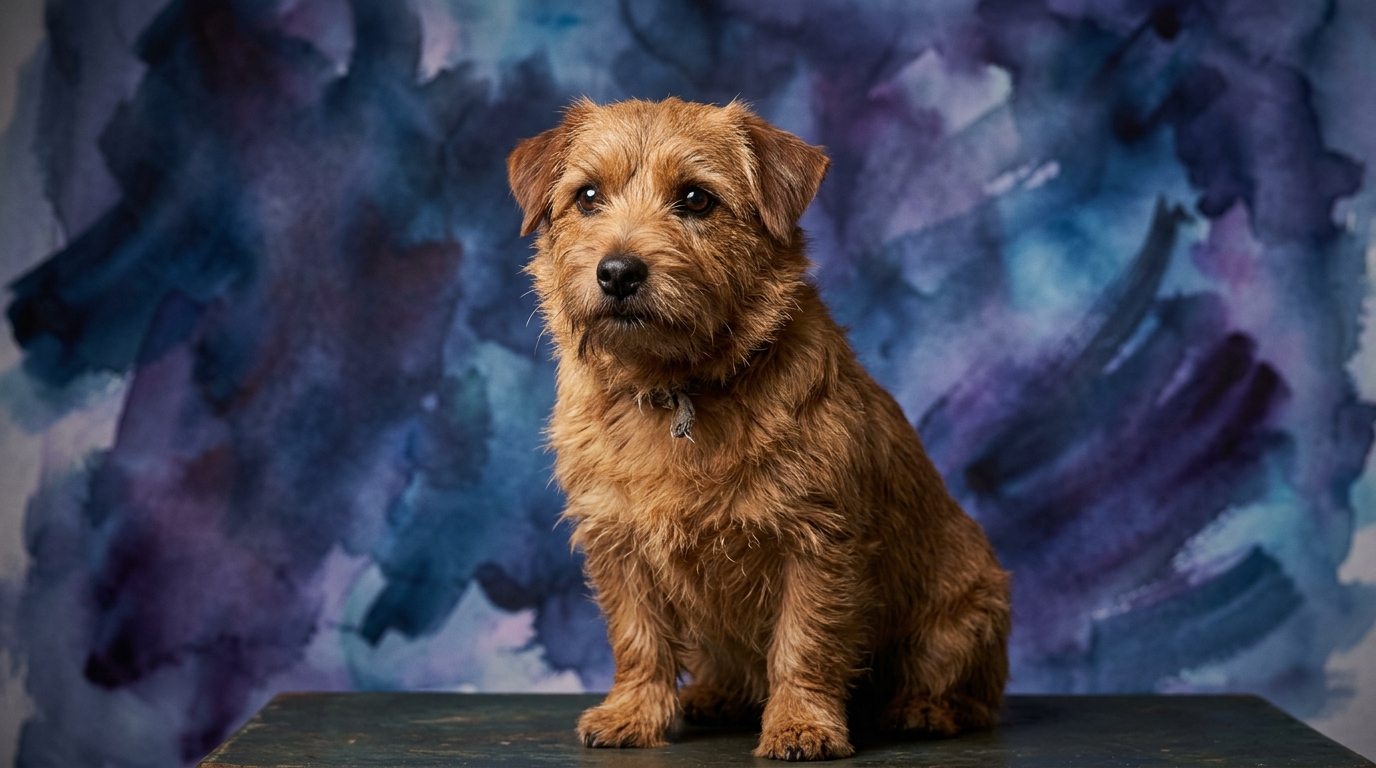
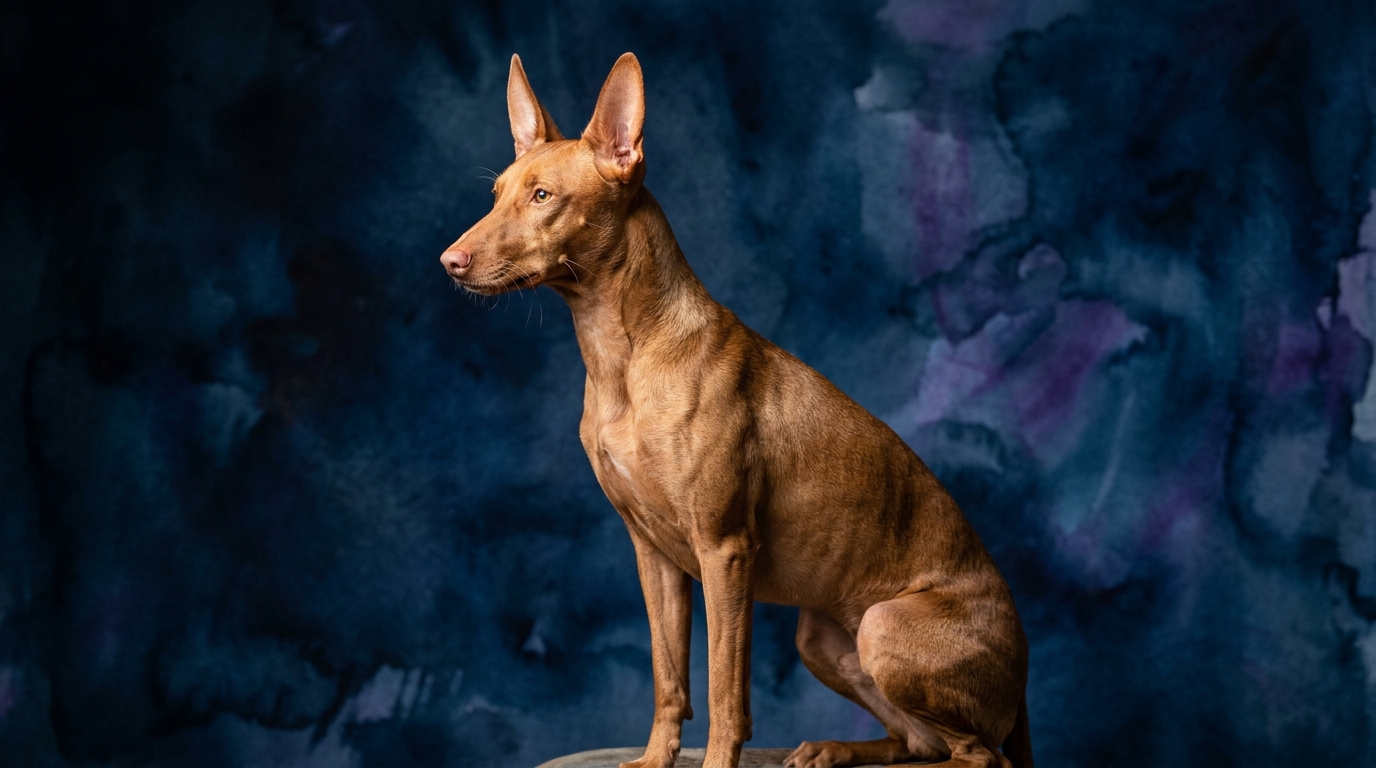
At first glance, the Norfolk Terrier and the Pharaoh Hound appear to be cognitive mirror images, both scoring 3 out of 5 across all five dimensions of our Pet IQ Lab assessment. However, these identical scores belie a rich tapestry of breed-specific cognitive styles, rooted deeply in their historical roles and inherent temperaments. A '3/5' for a tenacious terrier means something quite different than for an independent sighthound.
For Problem Solving (3/5), the Norfolk Terrier often demonstrates cunning resourcefulness in overcoming immediate obstacles, like figuring out how to access a hidden treat or navigate a tricky enclosure. Their solutions are often direct, persistent, and driven by a strong desire to achieve their goal. The Pharaoh Hound, conversely, applies its problem-solving acumen more towards sustained tasks, such as tracking a scent trail over varied terrain or making independent decisions during a chase, requiring sequential thought and environmental awareness over a longer duration.
Training Speed (3/5) for the Norfolk Terrier reflects a quick grasp of new commands, but often paired with a selective willingness to comply; they learn rapidly but might weigh the command against their own immediate desires. The Pharaoh Hound's 3/5 rating suggests a moderate learning pace, where commands are absorbed steadily, but their independent nature can mean that distractions or a lack of perceived purpose might slow initial uptake, though consistency can be achieved with positive, patient methods.
Social Intelligence (3/5) in the Norfolk Terrier often manifests as an astute ability to read human emotions and intentions, often using this understanding to their advantage in seeking attention or getting their way. They are generally responsive to their immediate human 'pack' but maintain an underlying self-sufficiency. The Pharaoh Hound's 3/5 social intelligence points to a more reserved but deeply affectionate connection with their chosen family, often exhibiting subtle cues and responding to gentle communication, while retaining an independent streak that's characteristic of sighthounds.
Instinctive Drive (3/5) is where the breeds diverge most clearly in manifestation. For the Norfolk Terrier, this score represents a powerful drive to hunt small prey, dig, and bark warnings, hardwired behaviors crucial for a vermin hunter. For the Pharaoh Hound, the 3/5 signifies a profound drive to chase and course prey by sight and scent, demanding vast open spaces and an outlet for their athletic prowess. Both possess strong natural inclinations, but their targets and methods are entirely different.
Finally, Memory (3/5) for the Norfolk Terrier means they consistently recall routines, commands, and the locations of favored items or escape routes, using this information to navigate their daily lives effectively. The Pharaoh Hound's 3/5 memory allows them to retain complex information about hunting grounds, scent patterns, and learned behaviors over time, crucial for their historical role as independent hunters, demonstrating a recall that is often tied to utility and experience.
Where Norfolk Terrier Wins Cognitively
The Norfolk Terrier often shines in scenarios demanding quick wit and tenacious problem-solving in confined or complex domestic environments. Their terrier grit means they won't easily give up on a puzzle toy or a perceived 'mission' to investigate a sound. This breed often excels at figuring out clever ways to manipulate their surroundings, whether it's unlatching a gate or outsmarting a treat dispenser, demonstrating a nimble, hands-on approach to cognitive challenges. Their selective listening, while sometimes frustrating, can also be interpreted as a form of cognitive filtering, prioritizing what they deem important.
Where Pharaoh Hound Wins Cognitively
The Pharaoh Hound's cognitive strengths lie in their capacity for sustained, independent thought in open environments, particularly when engaged in activities that tap into their sighthound and scent hound heritage. They excel at processing complex sensory information over long distances, demonstrating impressive spatial memory and the ability to maintain focus on a distant target or subtle scent trail. Their decision-making in the field, often requiring split-second judgments without direct human command, showcases a sophisticated form of applied intelligence centered on their primary instincts. This breed's quiet determination and ability to 'switch on' intense focus for a specific task are notable cognitive advantages.
Which is Easier to Train and Why
Despite identical 3/5 training speed scores, the ease of training differs significantly between these two breeds due to their inherent motivations and temperaments. Norfolk Terriers are often described as 'big dogs in small bodies,' possessing a strong will and a 'what's in it for me?' attitude. They learn quickly, but their compliance is often a negotiation; consistent, engaging, and reward-based training is essential to overcome their independent streak and prevent boredom, which can lead to selective deafness. Their stubbornness means training requires creativity and a firm, yet fair, approach.
Pharaoh Hounds, while also independent, are known for their sensitive nature and can be more eager to please their chosen humans, provided the training methods are gentle and positive. They respond poorly to harsh corrections. Their primary challenge in training often comes from their strong prey drive and potential for distraction by exciting sights or smells, requiring an owner to be more engaging than the environment. Consistency and patience are key, as they may take longer to grasp initial concepts but can be highly reliable once a behavior is firmly established and reinforced with high-value rewards.
Which Suits Active Owners vs. Relaxed Owners
For active owners, the Pharaoh Hound is an ideal match. These elegant sighthounds require substantial daily exercise, including opportunities for long, vigorous runs in a securely fenced area or on a lead. Their innate desire to chase and run means they thrive with owners who enjoy activities like lure coursing, jogging, or hiking, and who can provide consistent mental stimulation through scent games or agility to prevent boredom. They are not content with short strolls around the block and need significant physical exertion to be truly fulfilled.
The Norfolk Terrier, while energetic and playful, is a better fit for owners who are active but perhaps not marathon runners. They require regular walks, interactive play sessions, and mental challenges to keep their busy minds engaged, but their exercise needs are more moderate than a Pharaoh Hound's. They thrive in homes where they receive consistent attention, opportunities for supervised digging or 'hunting' games, and enjoy being part of family activities. They can adapt to apartment living if their cognitive and physical needs are met through structured play and training.
The Verdict
Choose the Norfolk Terrier if you appreciate a clever, tenacious companion who thrives on interactive play, moderate activity, and consistent, engaging training that taps into their problem-solving nature.
Opt for the Pharaoh Hound if you lead a highly active lifestyle, can provide extensive secure running space, and are prepared to engage with a sensitive, independent sighthound whose unique cognitive strengths lie in sustained focus and athletic prowess.
🧠 Find Your Pet's IQ Score
Our Pet IQ Lab assessment covers 25+ tests across 5 cognitive dimensions — personalized to your breed.
Take the Full IQ Test →Frequently Asked Questions
Do Pharaoh Hounds need a lot of mental stimulation?
Yes, Pharaoh Hounds benefit greatly from mental stimulation, especially activities that engage their keen senses and problem-solving abilities. Scent work, puzzle toys, and training that involves tracking or quick decision-making can keep their minds sharp and prevent boredom, which is crucial for their well-being.
Are Norfolk Terriers good for first-time dog owners?
Norfolk Terriers can be suitable for first-time owners who are committed to consistent training and socialization. Their confident and sometimes opinionated nature means they require clear boundaries and positive reinforcement from an early age, but their manageable size and affectionate disposition make them rewarding companions for those willing to invest the effort.
How do their grooming needs compare?
Norfolk Terriers have a wiry coat that requires regular brushing and hand-stripping a few times a year to maintain its texture and health, making their grooming more involved. Pharaoh Hounds have a short, fine coat that is relatively low maintenance, needing only occasional brushing to remove loose hair and keep them looking sleek.