Side-by-Side IQ Profile: Deconstructing the 3/5 Scores
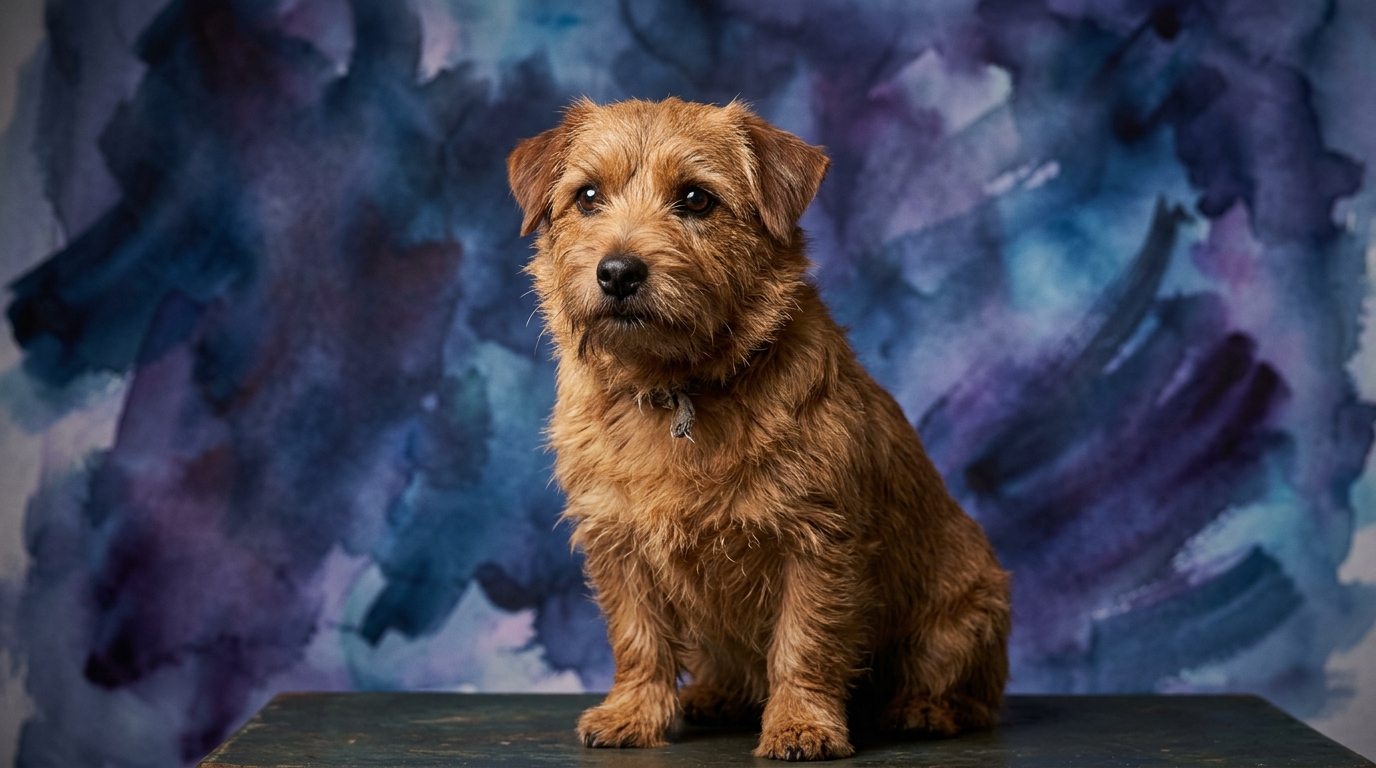
In the Cosmic Pet Pet IQ Lab, a score of 3/5 signifies a solid, capable cognitive ability that, while not at the extreme ends of the spectrum, is perfectly effective for the breed's historical role and modern companionship. For the Norfolk Terrier, this '3' across all dimensions paints a picture of a resourceful, engaged canine whose mind is constantly working, often with an independent streak. Their Problem Solving at 3/5 means they are adept at figuring out immediate, tangible challenges, such as how to retrieve a forgotten toy or navigate a household obstacle course. Training Speed at 3/5 indicates they can grasp new commands at a consistent pace, though their terrier tenacity often dictates the 'when' and 'if' of compliance. Social Intelligence at 3/5 suggests they are observant of their human family's moods and intentions, often responding with empathetic engagement or playful demands. Their Instinctive Drive, also 3/5, manifests as a focused, persistent pursuit of small prey or a dedication to digging, reflecting their earthdog heritage. Lastly, Memory at 3/5 ensures they retain learned behaviors, routines, and the identities of their cherished human companions over time.
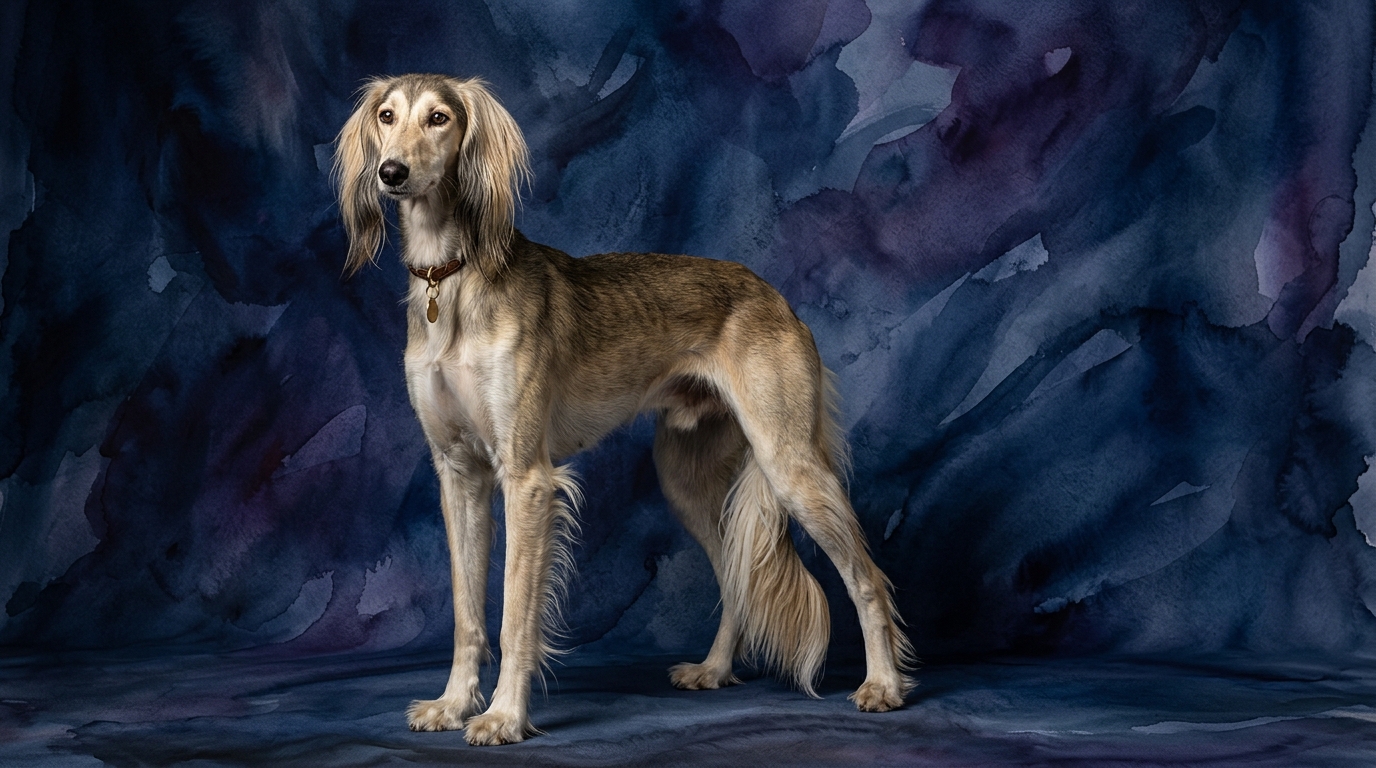
The Saluki, despite sharing the same 3/5 scores, expresses these cognitive traits through a very different lens, shaped by its ancient role as a sighthound. Their Problem Solving at 3/5 isn't typically about manipulating objects but rather about complex spatial reasoning – efficiently navigating varied terrain during a chase or anticipating the movements of distant quarry. Training Speed at 3/5 means a Saluki can understand a command with surprising speed, but their profound independence and lack of inherent desire to please often mean they weigh the command's value before acting, requiring a unique motivational approach. Social Intelligence at 3/5 for a Saluki is often more subtle; they are profoundly attuned to their environment and the emotional currents of their family but express this through quiet observation and understated affection rather than overt displays. Their Instinctive Drive at 3/5 is overwhelmingly focused on the pursuit of moving objects at high speed, a deeply ingrained impulse that overrides most other stimuli. Finally, Memory at 3/5 for a Saluki is exceptional for terrain, routes, and the location of potential prey, alongside a clear recall of experiences and the people they bond with deeply, even if they appear aloof.
Where the Norfolk Terrier Shines Cognitively
The Norfolk Terrier's cognitive strengths often lie in its adaptable, hands-on approach to problem-solving within a human-centric environment. Their 3/5 Problem Solving score, combined with their instinctive curiosity, makes them particularly adept at engaging with varied, novel tasks that require manipulation or strategic thinking in close quarters. They excel at figuring out how to get into a treat puzzle, navigating a complex agility course with multiple obstacles, or even devising clever ways to get your attention. This breed’s cognitive style is often characterized by a persistent, trial-and-error method, coupled with a willingness to experiment until a solution is found. They are often more engaged by human-directed games that involve interactive elements, demonstrating a proactive cognitive engagement that can be deeply rewarding for an owner.
Furthermore, their 3/5 Social Intelligence often translates into a keen ability to read and respond to subtle human cues, making them highly interactive companions. They are often quick to pick up on routines and the emotional states of their family members, showing a more overt desire to participate in household activities and engage in back-and-forth communication. This makes them particularly responsive to nuanced human feedback, allowing for a dynamic interplay that contributes to their perceived cognitive responsiveness in daily life.
Where the Saluki Holds a Cognitive Edge
The Saluki's cognitive prowess is most evident in its sophisticated spatial reasoning and independent decision-making, honed over millennia for open-field hunting. Their 3/5 Problem Solving score, while numerically identical to the Norfolk's, manifests as an unparalleled ability to analyze vast landscapes, predict the trajectory of moving objects at great distances, and execute complex chase sequences without human intervention. This breed excels at cognitive tasks that involve large-scale environmental awareness and swift, autonomous action based on visual input. They are masters of efficient movement and strategic positioning, mentally mapping their surroundings with remarkable precision.
Their 3/5 Instinctive Drive, deeply rooted in sight-hunting, fuels a cognitive focus that is singular and intense when activated. This isn't just a physical drive; it's a profound mental engagement with the hunt, where every sensory input is processed to optimize pursuit. While they may seem less interested in human-designed puzzles, their minds are actively solving a continuous, dynamic puzzle of movement, speed, and environmental variables. The Saluki’s memory (3/5) for landscapes, established routes, and the location of resources or potential prey further underscores this unique cognitive specialization, allowing them to recall and utilize vast amounts of environmental data.
Training Dynamics: Norfolk Terrier vs. Saluki
When it comes to trainability, the numerical 3/5 for Training Speed for both breeds belies a significant difference in their underlying motivations and approaches. The Norfolk Terrier, with its terrier spirit, often learns commands and tricks at a steady pace, driven by a desire to engage with its human and a natural curiosity. They respond well to positive reinforcement, especially when the rewards are high-value and the training sessions are fun and varied. However, their independence and stubborn streak mean they might question the necessity of a command if it doesn't align with their immediate interests. Consistency and making training feel like a game are crucial for success with a Norfolk, as they are capable of learning a wide repertoire of behaviors but require clear, engaging direction.
The Saluki, on the other hand, presents a different kind of training challenge. While their 3/5 Training Speed indicates they can quickly understand what is being asked, their profound independence and sighthound nature mean they often choose whether or not to comply. They are not inherently driven by a strong desire to please and may find repetitive commands tedious if they don't perceive a clear benefit. Training a Saluki requires immense patience, creativity, and a deep understanding of their unique motivators, which often revolve around positive, low-pressure interactions, and activities that tap into their natural instincts, like lure coursing. Traditional obedience might be a slower process, as their minds are often more engaged by the vastness of their surroundings than by a heel command in the living room. Successful training with a Saluki often involves building a strong, respectful bond and finding ways to make compliance rewarding on their terms, rather than demanding strict adherence.
Matching Canine Cognition to Owner Lifestyle
The Norfolk Terrier's cognitive profile makes it an excellent fit for active owners who relish an engaged, interactive companion. Owners who enjoy teaching new tricks, participating in dog sports like agility or earthdog trials, or simply having a canine shadow that wants to be involved in every aspect of daily life will find the Norfolk's cognitive style deeply satisfying. They thrive with mental stimulation that involves problem-solving, exploring new environments, and consistent social interaction. A relaxed owner might find the Norfolk's persistent curiosity and demand for engagement a bit overwhelming, as this breed needs its mind to be exercised regularly to prevent boredom and potential mischievousness.
The Saluki, while requiring significant physical activity in bursts, particularly the opportunity for safe, off-leash running in a securely fenced area, often suits owners who appreciate a more independent and reserved companion indoors. Active owners who enjoy long walks or runs and can provide an outlet for their sighthound's incredible speed will find a great partner. However, once their physical needs are met, Salukis are typically calm and quiet housemates, content to lounge. This makes them surprisingly suitable for owners who might be described as 'relaxed' in terms of constant interaction, as long as they understand the Saluki's need for specific, intense forms of exercise and appreciate a dog that often prefers quiet companionship over constant engagement. An owner who expects a highly biddable, constantly attentive dog might be surprised by the Saluki's self-contained nature.
The Verdict
Choose the Norfolk Terrier if you desire a highly interactive, curious companion eager to engage in varied mental activities and be a constant, tenacious participant in your daily life.
Opt for the Saluki if you appreciate an independent, elegant companion that excels in open spaces and offers quiet, understated affection indoors, provided you can meet their unique exercise needs.
🧠 Find Your Pet's IQ Score
Our Pet IQ Lab assessment covers 25+ tests across 5 cognitive dimensions — personalized to your breed.
Take the Full IQ Test →Frequently Asked Questions
Are Norfolk Terriers difficult to train?
Norfolk Terriers are generally capable of learning commands steadily, but their inherent terrier tenacity and independent streak mean consistency and engaging, positive reinforcement are key. They might not always comply instantly, but they can certainly learn a wide range of behaviors.
Do Salukis need a lot of mental stimulation?
Salukis need mental stimulation, but it often differs from other breeds; their minds are highly engaged by visual stimuli and large-scale spatial reasoning during running. While they might not be keen on traditional puzzle toys, providing safe opportunities for high-speed running and exploration fulfills their unique cognitive needs.
Which breed is better with children, based on social intelligence?
Both breeds score 3/5 in Social Intelligence, meaning they can be good with respectful children. The Norfolk Terrier tends to be more overtly interactive and playful, while the Saluki is often more reserved and tolerant, preferring quiet companionship. Supervision is always recommended with any dog and child.