
Side-by-Side IQ Profile
**Norfolk Terrier:** This plucky companion often applies its cognitive capacity to practical, home-oriented challenges, like figuring out how to retrieve a dropped toy from under furniture or navigating household obstacles with resourceful persistence (Problem Solving 3/5). They grasp new commands and routines with efficiency, demonstrating a readiness to learn (Training Speed 3/5), with their moderate drive to please aiding consistent integration of new information. Adept at reading human emotions and household dynamics, the Norfolk Terrier often uses its social acumen to integrate seamlessly into family life, understanding subtle cues to anticipate needs (Social Intelligence 3/5). While retaining the terrier's innate desire to hunt and explore, its instinctive drive is often expressed in a more contained manner, manifesting as enthusiastic digging or diligent 'vermin control' of squeaky toys (Instinctive Drive 3/5), rather than unyielding pursuit. Norfolks possess a reliable memory for routines, learned commands, and the layout of their environment, recalling specific cues and preferred pathways with ease (Memory 3/5).
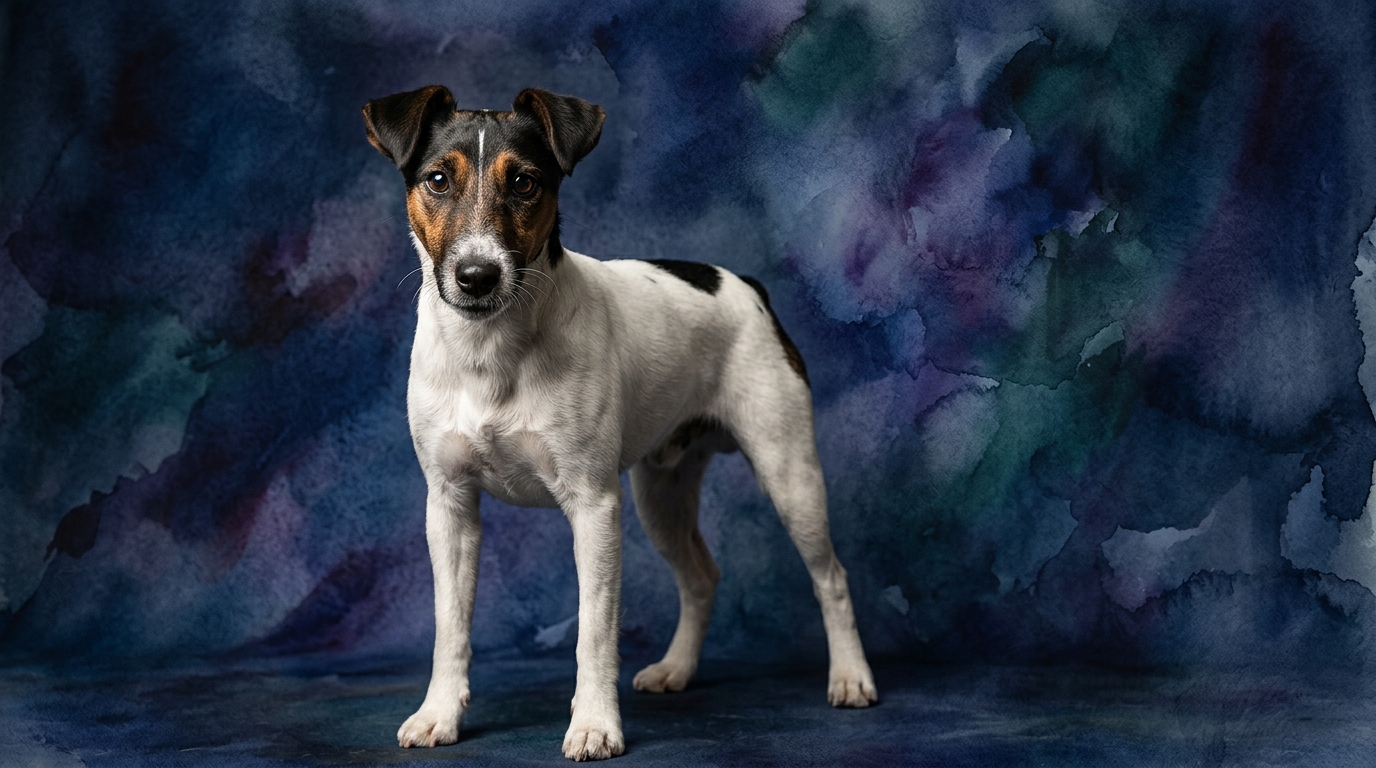
**Smooth Fox Terrier:** The energetic Smooth Fox Terrier often directs its problem-solving prowess towards more dynamic and sometimes mischievous ends, strategizing how to access forbidden areas or devising elaborate plans to reach a perceived 'prize' (Problem Solving 3/5). These terriers absorb new information rapidly, demonstrating a quick mental uptake for complex sequences and tricks (Training Speed 3/5). However, their independent streak means that while they understand quickly, their willingness to perform might depend on the perceived value of the task. Highly observant of their surroundings and individuals, they quickly assess new people and situations, using this intelligence to navigate interactions with charming engagement or watchful reservation (Social Intelligence 3/5). Their instinctive drive is a powerful force, deeply rooted in their history as hunting dogs, manifesting as an intense prey drive, relentless curiosity, and boundless energy for exploration (Instinctive Drive 3/5). Smooth Fox Terriers exhibit a robust memory, particularly for locations, pathways, and past experiences that were either rewarding or required clever navigation, remembering intricate routes and effective strategies for achieving their goals (Memory 3/5).
Where Norfolk Terrier Wins Cognitively
Despite identical scores, the Norfolk Terrier often demonstrates a cognitive edge in areas that prioritize harmonious integration and subtle communication within a family setting. Their problem-solving, while equally capable, tends to be applied with a slightly more measured and less disruptive approach, often finding solutions that don't involve overturning furniture or digging up the garden. Their social intelligence, while equally strong, is frequently expressed as a deeper attunement to human emotional states and household routines, making them particularly adept at anticipating a family member's needs or moods. This leads to a more predictable and often more intuitively understood companion, whose cognitive efforts are directed towards fostering a calm, connected home environment.
Where Smooth Fox Terrier Wins Cognitively
The Smooth Fox Terrier, while sharing the same cognitive baseline, often excels in situations demanding quick, independent thinking and a relentless pursuit of goals. Their problem-solving is often characterized by a bolder, more exploratory, and sometimes more ingenious application, particularly when faced with challenges that pique their strong curiosity or hunting instincts. This can manifest as an impressive ability to outwit barriers or devise novel ways to access interesting stimuli. Furthermore, their instinctive drive, while equally rated, fuels a more intense and sustained focus on outdoor exploration and interactive play, meaning their memory and training speed are often put to use in acquiring skills for agility, earth dog trials, or complex trick training that satisfies their need for stimulating, independent engagement.
Which is Easier to Train and Why
While both breeds possess a 'Training Speed' score of 3/5, indicating a similar capacity for learning, the Norfolk Terrier generally presents as the easier of the two to train due to nuanced behavioral differences. The Norfolk, while still an independent terrier, often exhibits a slightly higher degree of biddability and a more contained instinctive drive. This means that once they understand a command, they are typically more inclined to comply consistently, as their desire to please and their focus on their handler can outweigh immediate distractions. In contrast, the Smooth Fox Terrier, despite its rapid learning ability, possesses a significantly more intense prey drive and a stronger independent streak. They may grasp a command instantly but choose to ignore it if a more compelling scent, sight, or sound captures their attention, or if they perceive the task as less engaging than their own agenda. Their high energy and tenacious nature mean that consistent, highly engaging, and firm training is paramount to overcome their inclination to follow their own clever impulses, making them more challenging for a novice owner.
Which Suits Active Owners vs Relaxed Owners
For active owners seeking a dynamic and endlessly engaging companion, the Smooth Fox Terrier is often the more suitable choice. Their boundless energy, keen intelligence, and powerful instinctive drive demand extensive physical exercise, such as long runs, vigorous play sessions, and participation in dog sports like agility or flyball. They thrive on mental stimulation that challenges their problem-solving skills and satisfies their tenacious nature, making them ideal for individuals or families who can dedicate significant time to their daily physical and cognitive needs. Conversely, while still requiring daily activity and mental engagement, the Norfolk Terrier often suits more relaxed owners who appreciate a lively but generally more adaptable companion. Their energy levels are typically more moderate than the Smooth Fox, allowing them to be content with regular walks, interactive play, and puzzle toys. They are well-suited for owners who enjoy a consistent routine and value a dog that integrates smoothly into a calmer household environment, while still offering the spirited charm characteristic of the terrier group.
The Verdict
Choose the Norfolk Terrier if you seek a spirited yet adaptable companion whose cognitive strengths lean towards harmonious family integration and a more contained expression of terrier drive.
Choose the Smooth Fox Terrier if you desire a bold, tenacious, and highly energetic partner whose intelligence thrives on intense physical activity, independent problem-solving, and constant mental challenges.
🧠 Find Your Pet's IQ Score
Our Pet IQ Lab assessment covers 25+ tests across 5 cognitive dimensions — personalized to your breed.
Take the Full IQ Test →Frequently Asked Questions
Do Norfolk Terriers and Smooth Fox Terriers have similar temperaments, given their identical IQ scores?
While their cognitive capacities are rated similarly, their temperaments differ significantly. Norfolk Terriers are generally described as a bit more mellow and companion-oriented, while Smooth Fox Terriers are often more intense, independent, and high-energy, reflecting how their intelligence is applied.
Can a Smooth Fox Terrier be a good first dog, considering its intelligence?
A Smooth Fox Terrier can be a challenging first dog due to its high energy, strong prey drive, and independent nature, despite its quick learning ability. They require consistent, firm training and significant mental and physical stimulation to prevent boredom and destructive behaviors, making them better suited for experienced owners.
How do their instinctive drives, both rated 3/5, manifest differently in daily life?
For the Norfolk, a 3/5 instinctive drive might mean enthusiastic but manageable digging or a keen interest in backyard critters. For the Smooth Fox, the same 3/5 often translates into a more intense, relentless prey drive and a greater inclination to explore or bolt after perceived quarry, demanding more vigilant management and training.