Side-by-Side IQ Profile: Norwegian Forest Cat vs. Chartreux
The Cosmic Pet Pet IQ Lab provides a detailed breakdown of feline cognitive abilities across five key dimensions. Let's examine how the Norwegian Forest Cat and the Chartreux stack up, revealing their individual strengths.
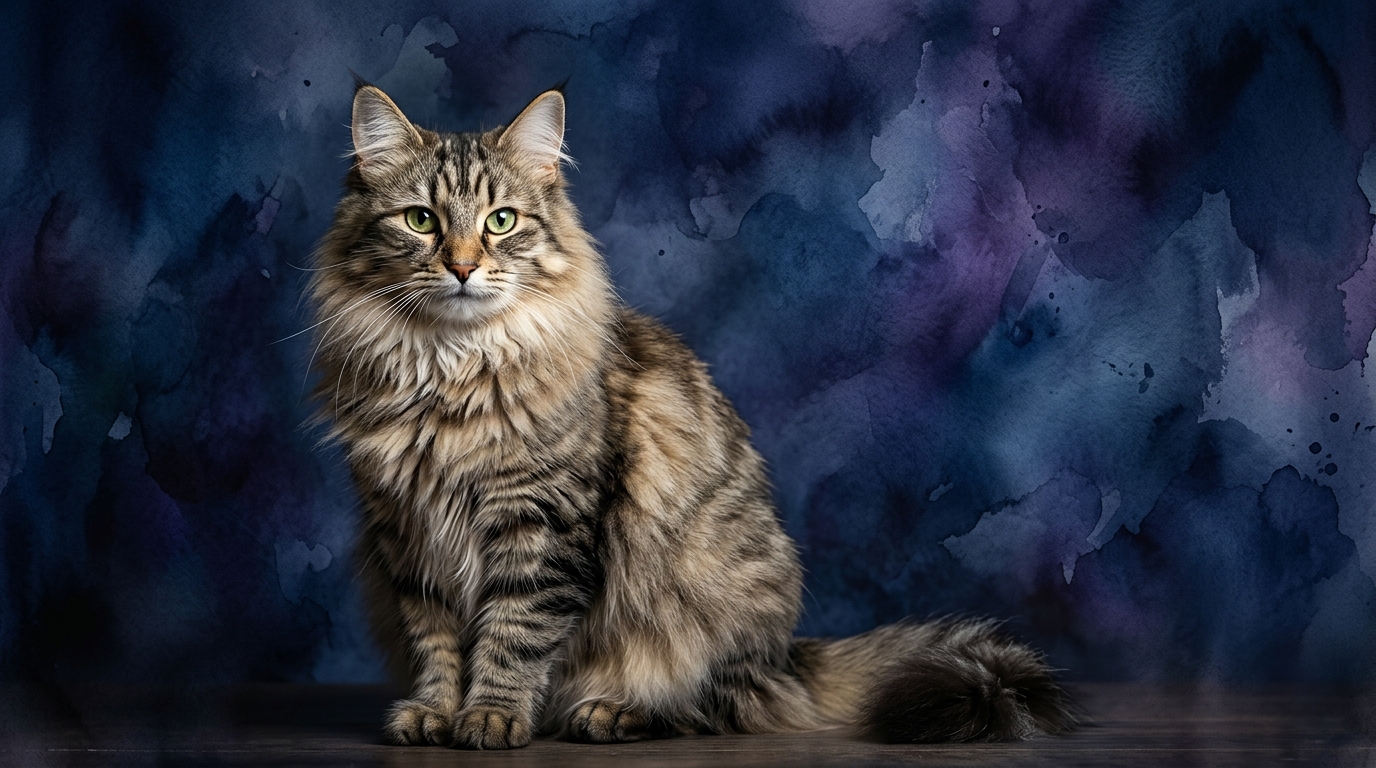
For the **Norwegian Forest Cat (NFC)**, the profile is as follows:
**Problem Solving (4/5):** This breed exhibits a strong capacity for figuring things out. They are adept at navigating complex environments, often finding creative solutions to access desired locations or manipulate objects. Their independence fuels a persistent approach to challenges, from opening cupboards to devising strategies for high perches.
**Training Speed (3/5):** While not the fastest learners in the feline world, Norwegian Forest Cats possess a moderate aptitude for absorbing new commands or routines. Consistency and engaging, reward-based methods are key, as their independent nature responds best when they perceive value in the task.
**Social Intelligence (3/5):** These magnificent cats are observant and generally amiable, but they tend to be more reserved in their social interactions compared to some breeds. They appreciate companionship, often expressing it through quiet presence or gentle gestures rather than constant demands, observing family dynamics from a comfortable distance.
**Instinctive Drive (5/5):** Here lies a defining trait. The Norwegian Forest Cat boasts an exceptionally high instinctive drive, manifesting as a powerful prey drive, a love for climbing, and an innate curiosity for exploration. This genetic heritage makes them natural hunters and adventurers, requiring ample opportunities to express these deep-seated behaviors.
**Memory (4/5):** With a robust memory, these felines recall locations, routines, and past experiences with considerable accuracy. They remember where their favorite toys are hidden, the sequence of daily events, and the kindness (or lack thereof) from specific individuals, contributing to their adaptable nature.
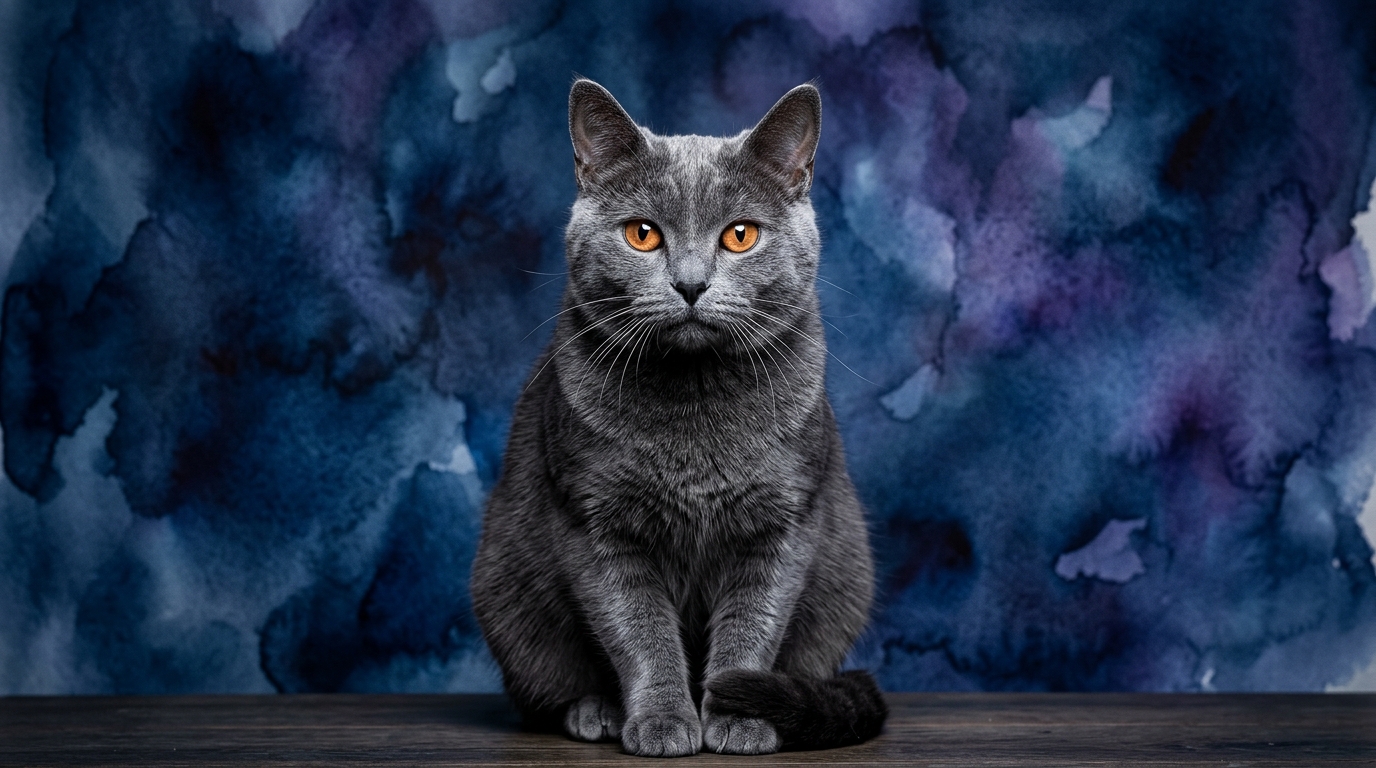
Now, let's turn to the **Chartreux (CHX)** profile:
**Problem Solving (4/5):** Like their Nordic counterparts, Chartreux cats demonstrate a solid ability to solve problems. They puzzle out how to reach a favorite sunbeam, retrieve dropped toys, or communicate complex desires through specific vocalizations or actions.
**Training Speed (3/5):** Chartreux also fall into the moderate category for training speed. They are capable of learning, but patience and positive reinforcement are crucial. Their social connection can make the process feel more collaborative, even if the learning pace is similar to the NFC.
**Social Intelligence (4/5):** This is a standout characteristic for the Chartreux. They are highly attuned to human emotions and social cues, often forming deep, affectionate bonds with their chosen people. They thrive on interaction, responding readily to attention and frequently initiating gentle communication, making them sensitive, empathetic companions.
**Instinctive Drive (4/5):** While still possessing a strong instinctive drive, typical of most felines, the Chartreux's is slightly less intense than the Norwegian Forest Cat's. They enjoy hunting games and play but are more content with indoor-focused activities, less intensely driven by extensive outdoor exploration.
**Memory (4/5):** Chartreux cats exhibit a commendable memory, remembering people, places, and routines with clarity. This contributes to their predictable nature and their ability to quickly adapt to established household rhythms, allowing them to anticipate events and form strong, lasting associations.
Where the Norwegian Forest Cat Wins Cognitively
The Norwegian Forest Cat truly distinguishes itself through its exceptional instinctive drive, rated at a perfect 5/5. This isn't just about chasing toys; it's a deep-seated cognitive framework informing their world interaction. Their problem-solving (4/5) often manifests in highly practical, self-sufficient ways, particularly when it comes to navigating complex physical environments. A Norwegian Forest Cat might spend considerable mental energy strategizing how to scale a bookshelf to reach a high vantage point, or meticulously planning the ambush of a feather wand. Their superior spatial awareness and agility are direct cognitive benefits, allowing them to process and react to dynamic situations with precision. This breed thrives on challenges that engage their predatory instincts, and their robust memory (4/5) allows them to recall successful hunting strategies or the layout of new territories, making them persistent and resourceful. They excel in independent exploration and self-directed play, preferring autonomous engagement with their environment.
Where the Chartreux Wins Cognitively
The Chartreux shines brightly in the realm of social intelligence, earning a 4/5, a point higher than their Nordic counterpart. This cognitive advantage translates into a profound capacity for connection and communication with their human companions. A Chartreux is not merely present; they observe, interpret, and respond to human moods with nuanced understanding. Their problem-solving (4/5) frequently takes a social turn, devising clever ways to solicit affection, signal needs with vocalizations, or gently nudge for attention. This breed’s strong memory (4/5) is intertwined with their social acumen, allowing them to recall preferred interaction styles, the routines of beloved family members, and who is most likely to provide a comforting lap. Their slightly less intense instinctive drive (4/5) means cognitive energy often channels more towards fostering interpersonal bonds and cooperative play, making them adept at shared experiences.
Which is Easier to Train, and Why?
Both the Norwegian Forest Cat and the Chartreux share a Training Speed rating of 3/5, suggesting neither is inherently "easier" to train in terms of raw learning pace. However, the approach to training and the type of training that resonates best with each breed differ significantly due to their other cognitive strengths. For the Norwegian Forest Cat, training success often hinges on tapping into their formidable instinctive drive. Teaching them to walk on a leash for outdoor adventures, or engaging them in agility courses that simulate hunting and climbing, will likely yield better results. Their independent problem-solving means they might figure out tasks on their own terms, requiring an owner to be patient and make the training seem like a self-rewarding challenge.
Conversely, the Chartreux's higher social intelligence makes them potentially more responsive to training that involves direct human interaction and positive reinforcement centered on praise and affection. While they enjoy object play, their motivation for learning might stem more from a desire to please their human or to engage in a shared activity. They might be more apt to learn tricks that involve close collaboration, responding well to verbal cues and body language. Therefore, "easier" depends on whether an owner seeks a companion for independent, instinct-driven learning or cooperative, socially-motivated learning.
Which Suits Active Owners vs. Relaxed Owners
For active owners seeking a feline companion to share their zest for life, the Norwegian Forest Cat is an excellent match. Their supreme instinctive drive (5/5) and robust problem-solving (4/5) mean they thrive on environments rich with climbing opportunities, puzzle feeders, and engaging play sessions that simulate hunting. They are natural explorers, benefiting immensely from secure outdoor access or elaborate indoor "catios" where they can express their innate need for adventure and physical exertion.
A relaxed owner might find a more harmonious fit with the Chartreux. While still enjoying play, their elevated social intelligence (4/5) means their primary contentment often stems from close companionship and interactive, yet often calmer, engagement with their humans. They are content to observe from a comfortable perch, engage in gentle play, or simply share a quiet space, ideal for those appreciating a sensitive, present, less intensely demanding feline presence.
The Verdict
Choose a Norwegian Forest Cat if your lifestyle embraces adventure, independent exploration, and providing robust physical and mental challenges that satisfy a powerful primal drive.
Choose a Chartreux if you value deep social bonds, a sensitive companion attuned to your moods, and a calmer, yet engaging interactive presence within your home.
🧠 Find Your Pet's IQ Score
Our Pet IQ Lab assessment covers 25+ tests across 5 cognitive dimensions — personalized to your breed.
Take the Full IQ Test →Frequently Asked Questions
Are Norwegian Forest Cats good at learning tricks?
While they have a moderate training speed, Norwegian Forest Cats can learn tricks, especially those that engage their instinctive drive like fetch or agility courses. Their independent nature means consistency and making the training feel like a rewarding challenge are key to success.
How do Chartreux cats communicate their needs?
Chartreux cats, with their high social intelligence, communicate their needs through a variety of subtle and direct cues, including soft chirps, purrs, specific body language, and gentle nudges. They are adept at using their gaze and presence to signal desires, forming a nuanced dialogue with their human companions.
Which breed is better suited for a multi-pet household, considering their social intelligence?
The Chartreux, with its higher social intelligence (4/5), generally adapts well to multi-pet households, often forming amiable relationships with other animals. While Norwegian Forest Cats (3/5 social intelligence) can also coexist, their more independent nature might mean they prefer to interact on their own terms rather than actively seeking out constant companionship with other pets.