A Side-by-Side Look at Feline Cognition
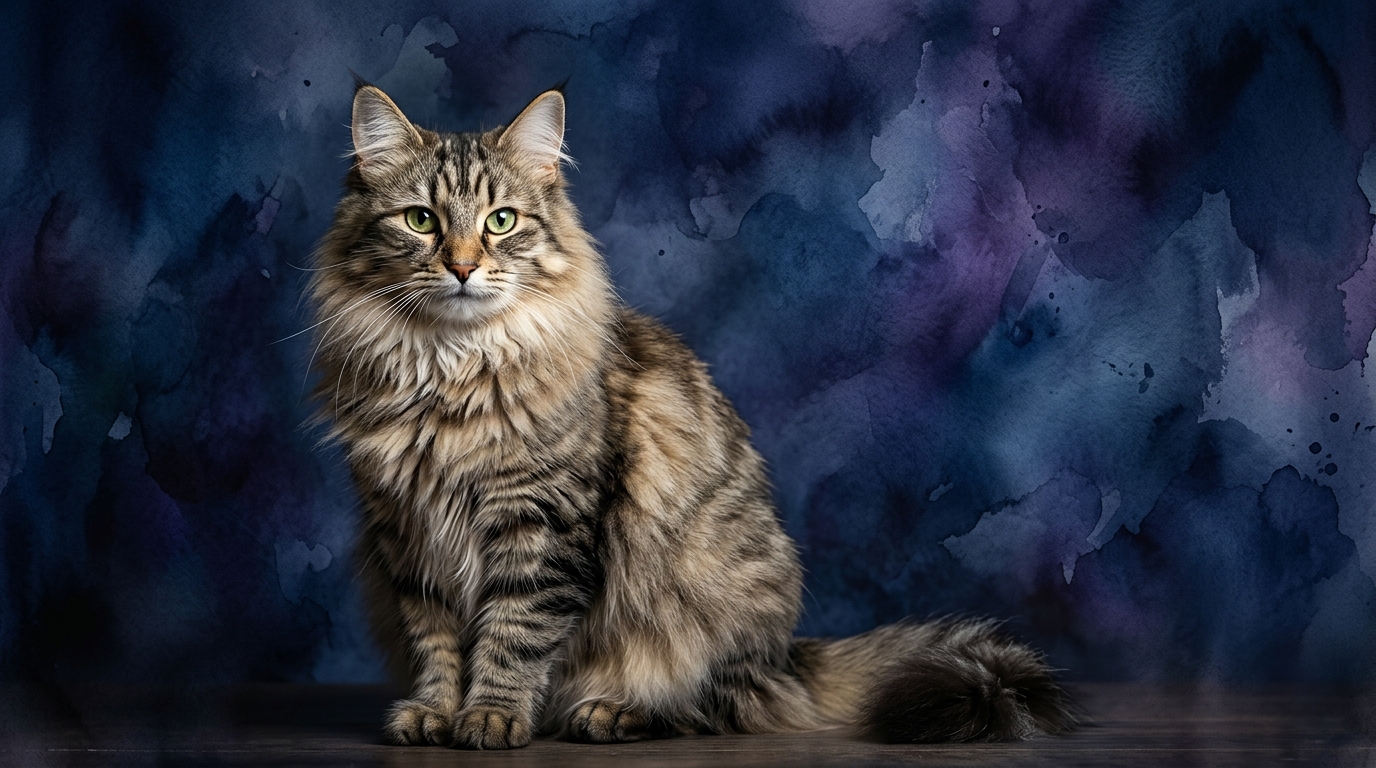
The Norwegian Forest Cat, a breed with deep roots in natural selection, exhibits a robust cognitive profile tailored for survival and exploration. Their Problem Solving is rated 4/5, indicating a strong capacity to navigate complex environments, devise strategies to obtain desired objects, and overcome physical obstacles. This often manifests as cleverness in opening cupboards or finding hidden treats. Training Speed, at 3/5, suggests they are receptive to learning but may require more consistent, patient effort than some other breeds. They grasp routines and commands, but perhaps not with lightning speed. Social Intelligence, also 3/5, points to a moderate level of engagement with humans and other pets; they form bonds but often maintain a degree of independence. Their Instinctive Drive is exceptionally high at 5/5, reflecting a powerful urge to hunt, explore, and engage in natural feline behaviors. This intrinsic motivation fuels their curiosity and physical activity. Finally, their Memory is strong at 4/5, enabling them to recall past experiences, learned routes, and the whereabouts of favored resources or individuals over extended periods.
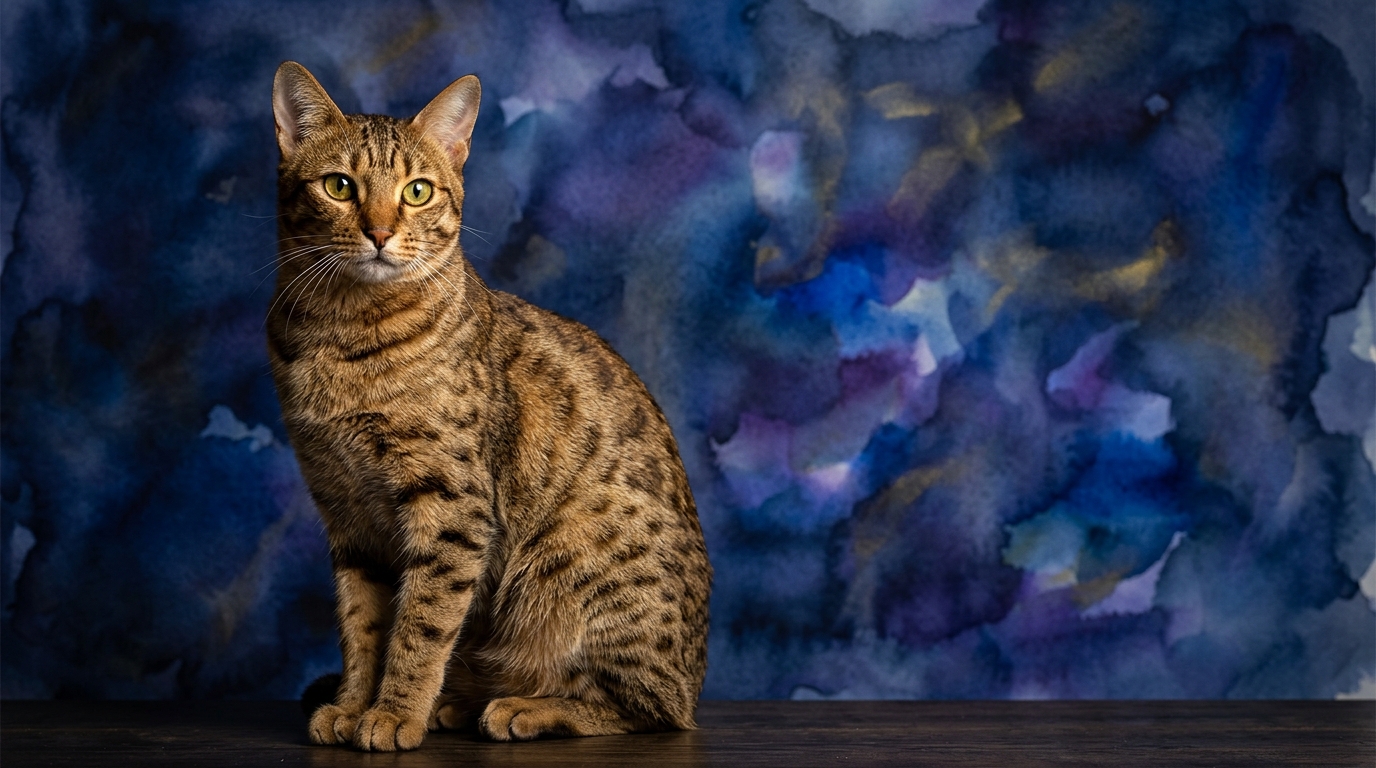
The Ocicat, a more recently developed breed, presents a cognitive makeup that emphasizes adaptability and interaction. With a Problem Solving score of 4/5, they are equally adept as the Norwegian Forest Cat at figuring out puzzles, understanding cause-and-effect, and navigating their surroundings. They demonstrate resourcefulness when faced with challenges, often finding novel solutions. Their Training Speed stands out at an impressive 5/5, indicating an exceptional aptitude for quickly learning new commands, tricks, and routines. This makes them highly responsive to positive reinforcement and eager to engage in structured learning. Social Intelligence is rated 4/5, reflecting a pronounced inclination towards interaction with their human companions and often other animals. They seek out company, enjoy participation in family activities, and are generally more attuned to human cues. Their Instinctive Drive is 4/5, suggesting a healthy, but not overwhelming, urge for hunting and exploration. While still active and curious, it's often channeled into play rather than pure predatory pursuits. Their Memory is also 4/5, allowing them to retain information about people, places, and learned behaviors effectively, contributing to their trainability and social cohesion.
Where the Norwegian Forest Cat's Mind Shines
The Norwegian Forest Cat's cognitive strengths are particularly evident in areas demanding independence and robust instinct. Its 5/5 Instinctive Drive sets it apart, indicating a profound connection to its primal feline nature. This isn't just about hunting; it manifests as an intense curiosity for exploring new territories, a drive to climb to high vantage points, and a deep engagement with environmental stimuli. Owners often observe them meticulously "hunting" dust bunnies or insects with intense focus, or systematically exploring every nook and cranny of a new room. This strong drive, coupled with a 4/5 Problem Solving ability, makes them formidable self-starters when it comes to navigating their world. They are adept at figuring out how to open doors, access elevated spaces, or locate hidden toys, often employing a methodical trial-and-error approach. Their 4/5 Memory supports these endeavors, allowing them to recall successful strategies and remember the layout of complex environments, making them efficient in their explorations and persistent in achieving their goals. This combination fosters a self-sufficient cat that thrives on opportunities to exercise its natural feline ingenuity and explore its surroundings on its own terms.
The Ocicat's Cognitive Edge
The Ocicat distinguishes itself with cognitive strengths that lean heavily towards interaction and rapid learning. Its standout feature is an exceptional Training Speed of 5/5. This isn't merely about learning basic commands; it signifies an almost dog-like eagerness and capacity to absorb complex tricks, participate in agility courses, or even walk on a leash with remarkable alacrity. Owners often report that Ocicats pick up new behaviors after just a few repetitions, demonstrating a keen understanding of cause and effect in human-cat interactions. This rapid learning is significantly bolstered by its 4/5 Social Intelligence. Ocicats are naturally more attuned to human companionship and cues, making them highly receptive to training methods that involve positive reinforcement and interaction. They often seem to genuinely enjoy the process of learning with their human partners, viewing it as a bonding activity rather than a chore. This higher social acumen means they are more likely to seek out human attention and respond to vocal commands or gestures, making them highly engaging and adaptable companions in a household environment. Their ability to quickly understand and comply with human directives makes them uniquely suited for owners who wish to actively teach their feline friends.
Trainability: A Tale of Two Approaches
When it comes to trainability, the Ocicat holds a distinct advantage due to its 5/5 Training Speed and 4/5 Social Intelligence. These scores translate into a cat that is remarkably quick to understand and execute new commands, often displaying an eagerness to learn and please its human companions. Their higher social intelligence means they are more likely to be motivated by praise, treats, and interactive play with their owner, making positive reinforcement highly effective. An Ocicat might quickly learn to fetch, sit, stay, or even perform more intricate tricks, often enjoying the mental stimulation and attention derived from training sessions. In contrast, the Norwegian Forest Cat, with a 3/5 Training Speed and 3/5 Social Intelligence, requires a different training philosophy. While certainly capable of learning routines and commands, they may take longer to grasp new concepts and might not always be as intrinsically motivated by human interaction alone. Training a Norwegian Forest Cat often benefits from patience, consistency, and methods that tap into their strong instinctive drive, such as puzzle feeders or training that mimics hunting behaviors. They learn effectively, but perhaps at their own pace and on their own terms, less driven by the immediate desire to please and more by their internal curiosity or reward.
Matching Feline Minds to Human Lifestyles
The cognitive profiles of these two breeds naturally align with different owner lifestyles. An active owner seeking a highly interactive and trainable feline companion might find the Ocicat to be an ideal match. Its high Training Speed and Social Intelligence mean it thrives on mental stimulation through training, interactive games, and social engagement. Ocicats are often described as "dog-like" in their desire to participate in family activities and can be excellent companions for owners who enjoy teaching tricks, going for walks on a leash, or simply having a cat that is consistently present and involved. Their energy levels benefit from structured play and engagement. Conversely, the Norwegian Forest Cat's independent streak, high Instinctive Drive, and robust Problem Solving make it a superb choice for owners who appreciate a cat with a strong sense of self and a natural inclination for exploration. While they form deep bonds, they often prefer to engage on their own terms, enjoying periods of independent exploration or quiet companionship. They suit owners who can provide a stimulating environment with climbing opportunities, puzzle toys, and outdoor access (if safe) to satisfy their innate drives, without necessarily needing a cat that constantly demands direct, structured interaction. They are excellent for relaxed owners who enjoy observing a cat's natural behaviors unfold within their home.
The Verdict
Choose the Norwegian Forest Cat if you appreciate an independent, resourceful feline with a strong connection to its natural instincts, thriving in environments that allow for exploration and self-directed activity.
Opt for the Ocicat if you desire a highly trainable, socially engaged companion eager to learn tricks, participate in family life, and form strong, interactive bonds through shared activities.
🧠 Find Your Pet's IQ Score
Our Pet IQ Lab assessment covers 25+ tests across 5 cognitive dimensions — personalized to your breed.
Take the Full IQ Test →Frequently Asked Questions
Are Norwegian Forest Cats difficult to train?
Norwegian Forest Cats are not difficult to train, but their 3/5 Training Speed means they require more patience and consistency than some other breeds. They respond well to methods that appeal to their natural instincts and problem-solving abilities, often at their own pace.
Can Ocicats be left alone for long periods?
Ocicats, with their 4/5 Social Intelligence, generally prefer company and can become lonely or bored if left alone for extended periods without sufficient mental stimulation or interaction. Providing puzzle toys or another compatible pet can help, but they thrive with active human engagement.
Which breed is better with children?
The Ocicat's 4/5 Social Intelligence and adaptable nature often make it a good fit for families with children, as they are more inclined to interact and participate in play. Norwegian Forest Cats, while affectionate, may prefer calmer interactions and might be less tolerant of boisterous play due to their more independent nature.