Side-by-Side IQ Profile: Understanding Identical Scores
Despite their identical 3/5 scores across the board, the Norwich Terrier and American Foxhound apply their cognitive strengths in remarkably different ways, reflecting their distinct breed histories and intended roles. Understanding these nuances requires looking beyond the numbers to the specific behavioral manifestations of each dimension for these unique breeds.
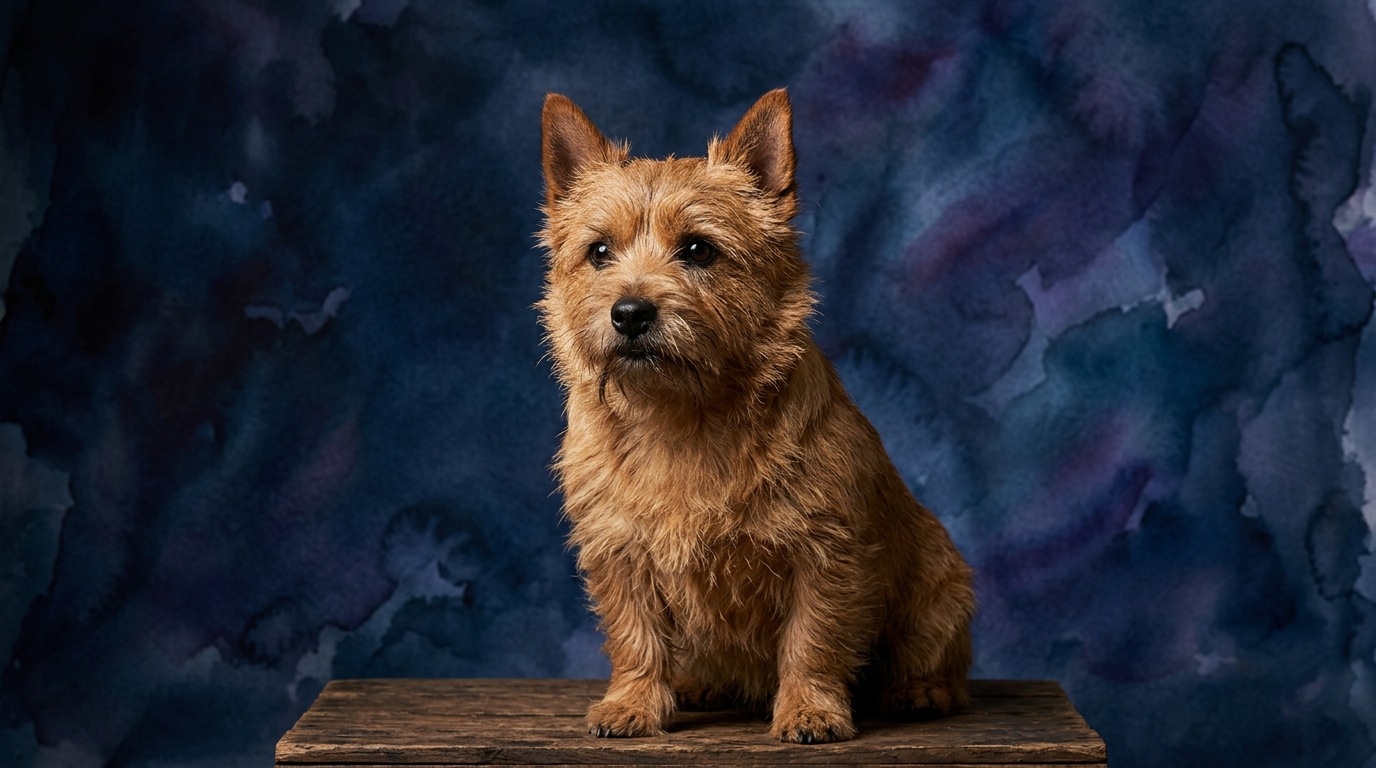
For the **Norwich Terrier**, a small but tenacious terrier breed, their cognitive profile manifests as follows:
**Problem Solving (3/5):** This score reflects a terrier's inherent drive to independently assess and overcome obstacles, often related to their original role of bolting vermin. They apply this cognitive capacity to figuring out how to get to a favorite toy or navigate a new environment, exhibiting a clever, often stubborn, persistence in their domestic lives.
**Training Speed (3/5):** While capable of learning new commands and routines, their 3/5 speed indicates they absorb information at a moderate pace, often requiring consistent, engaging reinforcement. Their independent streak, characteristic of terriers, means they learn best when they perceive a clear benefit or enjoy the process, rather than simply complying.
**Social Intelligence (3/5):** A Norwich Terrier’s social acumen allows them to navigate complex family dynamics, understanding human moods and social cues with reasonable accuracy. However, their 3/5 score also suggests they can be opinionated, sometimes choosing to interact on their own terms rather than always seeking approval, which is typical for a confident small terrier.
**Instinctive Drive (3/5):** This moderate score signifies a persistent, though not overwhelming, prey drive and a natural inclination towards exploring and digging. While they possess the terrier’s characteristic tenacity, their 3/5 drive is manageable with appropriate outlets, manifesting as a keen interest in small movements or scents rather than an all-consuming obsession.
**Memory (3/5):** Their memory allows them to retain a solid repertoire of commands, routines, and experiences. A Norwich will remember past training sessions and the consequences of their actions, both positive and negative, contributing to their moderate trainability and ability to form strong, lasting bonds.
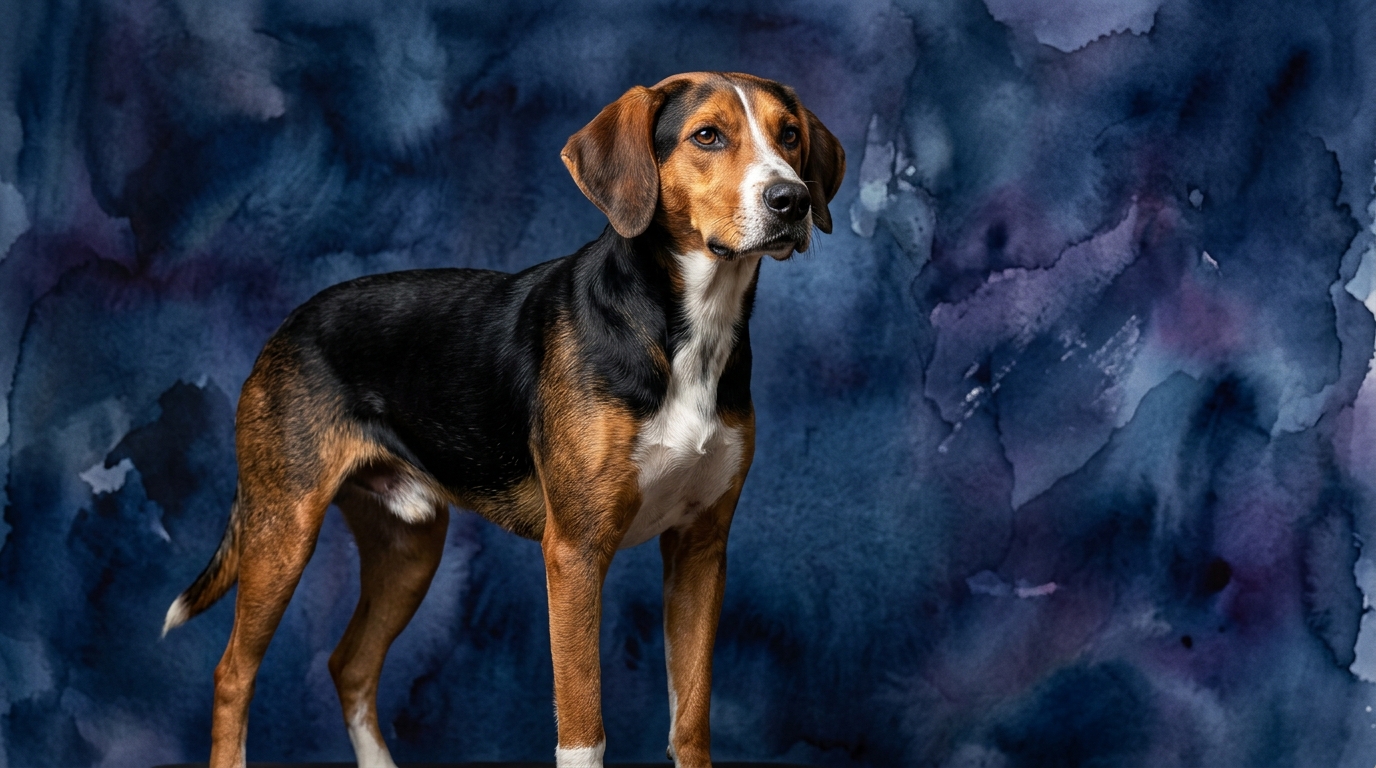
Conversely, the **American Foxhound**, a scent hound bred for endurance and pack hunting, interprets these same scores through a vastly different lens:
**Problem Solving (3/5):** For the American Foxhound, a 3/5 problem-solving ability is primarily geared towards navigating complex scent trails and understanding the logistics of a hunt. Their cognitive efforts are often directed at spatial reasoning within a landscape, tracking subtle changes, and maintaining focus on an olfactory puzzle rather than solving human-centric dilemmas like opening cabinets.
**Training Speed (3/5):** Their moderate training speed reflects an ability to learn, but often with the significant caveat of being easily distracted by environmental stimuli, particularly scents. While they can grasp concepts, their primary drive often overrides immediate compliance, meaning lessons require immense patience and a deep understanding of hound motivation.
**Social Intelligence (3/5):** This score highlights their capacity for understanding pack dynamics and interacting cooperatively within a group, whether canine or human. Their social intelligence is often expressed through nuanced body language and vocalizations within a structured group, rather than individualistic, direct engagement with a single person, reflecting their historical role in large hunting packs.
**Instinctive Drive (3/5):** An American Foxhound's 3/5 instinctive drive is profoundly centered around their powerful sense of smell and their endurance for long-distance tracking. This strong, inherent motivation means they are compelled to follow a scent once engaged, often to the exclusion of other stimuli, requiring significant management and appropriate outlets for this drive.
**Memory (3/5):** Their memory is particularly adept at recalling scent patterns, terrain, and the successful pursuit of trails. While they can remember commands and routines, their memory is often prioritized for information relevant to their primary hunting instinct, such as where a particular scent was last encountered or the layout of familiar outdoor spaces.
Where the Norwich Terrier Wins Cognitively
The Norwich Terrier's cognitive strengths shine in adaptability and independent, nuanced problem-solving within a home environment. Their 3/5 problem-solving manifests as a resourceful knack for navigating human spaces, figuring out how to reach a high shelf or bypass a barrier with clever persistence. Their social intelligence, also a 3/5, allows for more direct, individualistic engagement with family members, making them adept at reading specific human cues and adjusting their behavior to elicit desired responses, often with a charmingly assertive twist. This makes them particularly skilled at integrating into diverse family dynamics and understanding subtle household rules.
Where the American Foxhound Wins Cognitively
The American Foxhound excels in sustained, singular focus driven by their incredible olfactory capabilities. Their 3/5 problem-solving is unparalleled when applied to scent work, allowing them to systematically unravel complex scent puzzles over vast distances and prolonged periods. This cognitive stamina, combined with their 3/5 memory for trails and terrain, makes them masters of endurance-based mental tasks, showcasing a different kind of cognitive robustness focused entirely on their primary instinct. Their ability to maintain focus on a single, compelling sensory input for hours is a unique cognitive advantage.
Which is Easier to Train and Why?
Neither breed presents an 'easy' training experience in the conventional sense, but their respective challenges are distinct. The Norwich Terrier, with its 3/5 training speed, learns effectively but often requires compelling motivation, as their terrier independence and 3/5 instinctive drive mean they'll weigh compliance against their own agenda. Consistent, positive reinforcement and making learning a game are crucial to manage their assertive nature and ensure they view training as a cooperative venture.
The American Foxhound, also at 3/5 training speed, faces a profound hurdle from its 3/5 instinctive drive for scent; once engaged, commands often become secondary to the allure of a trail. Effective training demands immense patience, understanding their primary motivation, and employing strategies like long-line work and carefully managed outdoor environments to manage their powerful natural instincts. Their 3/5 social intelligence, while strong in pack settings, does not always translate to immediate individual human obedience in a distracting environment.
In a typical home setting, the Norwich Terrier might be perceived as marginally more adaptable to varied training scenarios due to their lesser susceptibility to overwhelming sensory distractions and their greater inclination towards individual human interaction, making them somewhat easier to integrate into diverse training scenarios, provided their independent streak is managed with consistency and humor.
Which Suits Active Owners vs. Relaxed Owners?
For owners seeking a dog that thrives on consistent activity but can also appreciate downtime, the Norwich Terrier is an excellent fit. Their 3/5 instinctive drive necessitates regular mental stimulation and structured play, but they are not dogs that require marathon running sessions daily. They enjoy varied activities, from brisk walks to puzzle toys, and will happily settle indoors once their physical and mental needs are met, making them suitable for active owners who also value a balanced home life and can provide engaging, consistent training.
The American Foxhound is unequivocally suited for highly active, dedicated owners. Their 3/5 instinctive drive for tracking is a powerful, almost insatiable force that demands extensive physical exercise and ample opportunities to engage their nose. A relaxed owner will quickly find themselves overwhelmed by a Foxhound's unmet needs, which can manifest as destructive behavior, persistent baying, or attempts to escape. These dogs need vast open spaces, long daily runs, and owners committed to channeling their profound drive through activities like scent work, sustained hiking, or even participation in field trials. Their endurance is matched by their cognitive need for purpose-driven activity.
The Verdict
Choose the Norwich Terrier if you seek an independent, spirited companion who enjoys mental challenges within a family setting and can adapt to varied activities, provided you offer consistent guidance and appreciate their charmingly assertive personality.
Choose the American Foxhound if you are a dedicated, highly active owner who enjoys long outdoor excursions, understands and can channel a powerful scent drive, and appreciates a dog with a strong pack mentality and enduring stamina.
🧠 Find Your Pet's IQ Score
Our Pet IQ Lab assessment covers 25+ tests across 5 cognitive dimensions — personalized to your breed.
Take the Full IQ Test →Frequently Asked Questions
Despite identical scores, how do their cognitive strengths differ?
While both score 3/5, the Norwich Terrier applies its problem-solving and social intelligence to navigating human environments and individual interactions, often with independent thought and a touch of terrier wit. The American Foxhound, conversely, channels its identical scores into supreme capabilities for scent tracking, endurance, and understanding pack dynamics over vast terrains, reflecting distinct evolutionary pressures and priorities in their cognitive application.
Which breed is better for first-time dog owners?
Given their specific needs, neither breed is typically recommended for first-time dog owners without significant prior research and commitment. However, the Norwich Terrier might be slightly more manageable due to its smaller size and less overwhelming exercise demands compared to the American Foxhound's intense need for physical exertion and profound scent work, which can be challenging for novices to channel effectively.
How does 'Instinctive Drive 3/5' manifest differently in each?
For the Norwich Terrier, a 3/5 instinctive drive often manifests as a keen interest in small prey, digging, and independent exploration, which is manageable with consistent training, secure environments, and appropriate outlets like puzzle toys. For the American Foxhound, the same 3/5 score translates into an incredibly powerful, almost obsessive, drive for scent tracking and sustained endurance, which dictates much of their behavior and requires extensive physical and mental channeling through activities like long walks, scent games, or supervised off-leash exploration in safe areas.