Unpacking Identical Scores: A Side-by-Side Cognitive Profile
Our Pet IQ Lab data presents both the Norwich Terrier and the Borzoi with identical scores across all five cognitive dimensions: Problem Solving 3/5, Training Speed 3/5, Social Intelligence 3/5, Instinctive Drive 3/5, and Memory 3/5. While these numerical ratings suggest a similar overall capacity, it is crucial to understand that these scores manifest very differently in each breed, shaped by their unique evolutionary pressures and breed-specific roles.
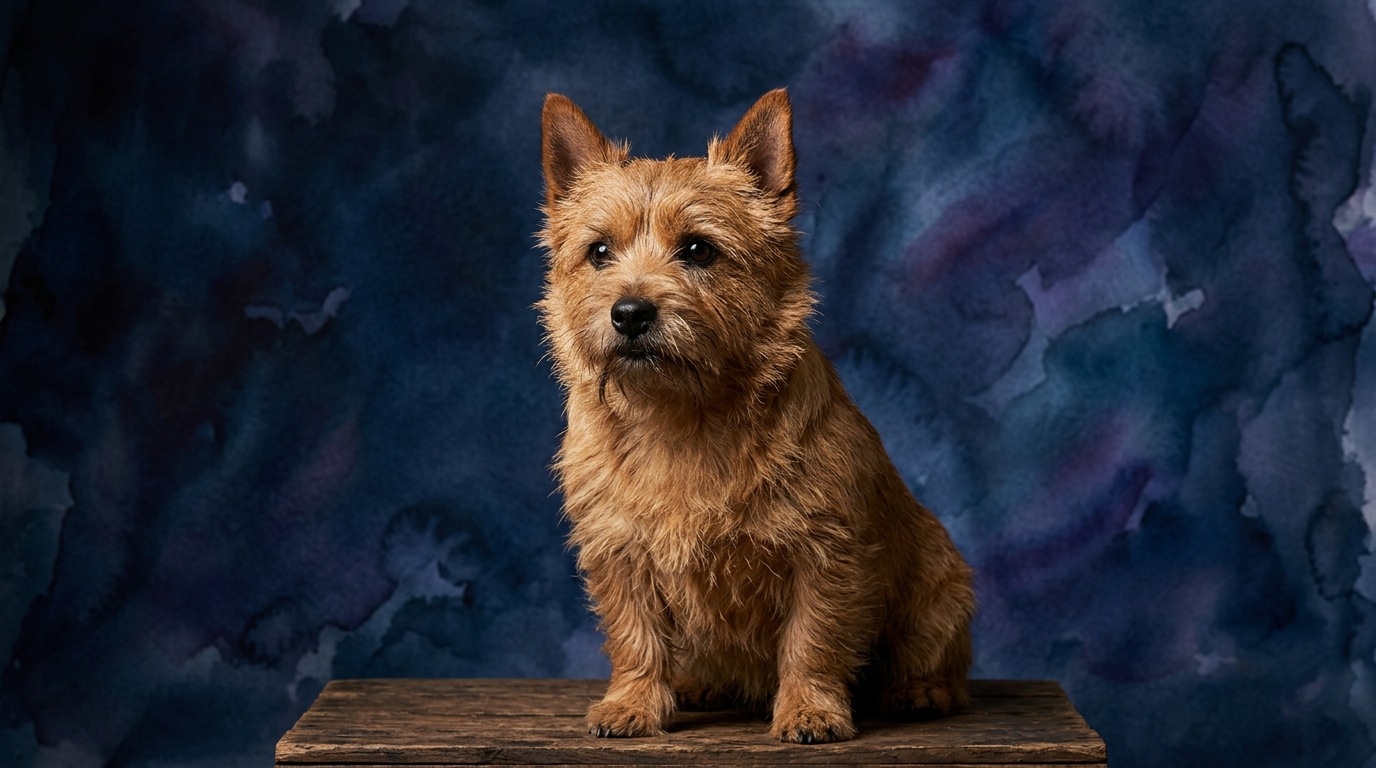
The Norwich Terrier’s 3/5 scores reflect a terrier’s characteristic tenacity and practical wit. Their problem-solving often involves persistent, hands-on engagement with their environment, such as manipulating objects or finding ways to access desired spaces. Training speed is moderate; they learn effectively but can be independently minded, requiring engaging and positive reinforcement methods. Their social intelligence is typically robust within their family unit, allowing them to navigate complex human interactions, while their instinctive drive is powerful, geared towards hunting small vermin with keen focus and determined digging. Their memory is reliable for routines and specific learned tasks.
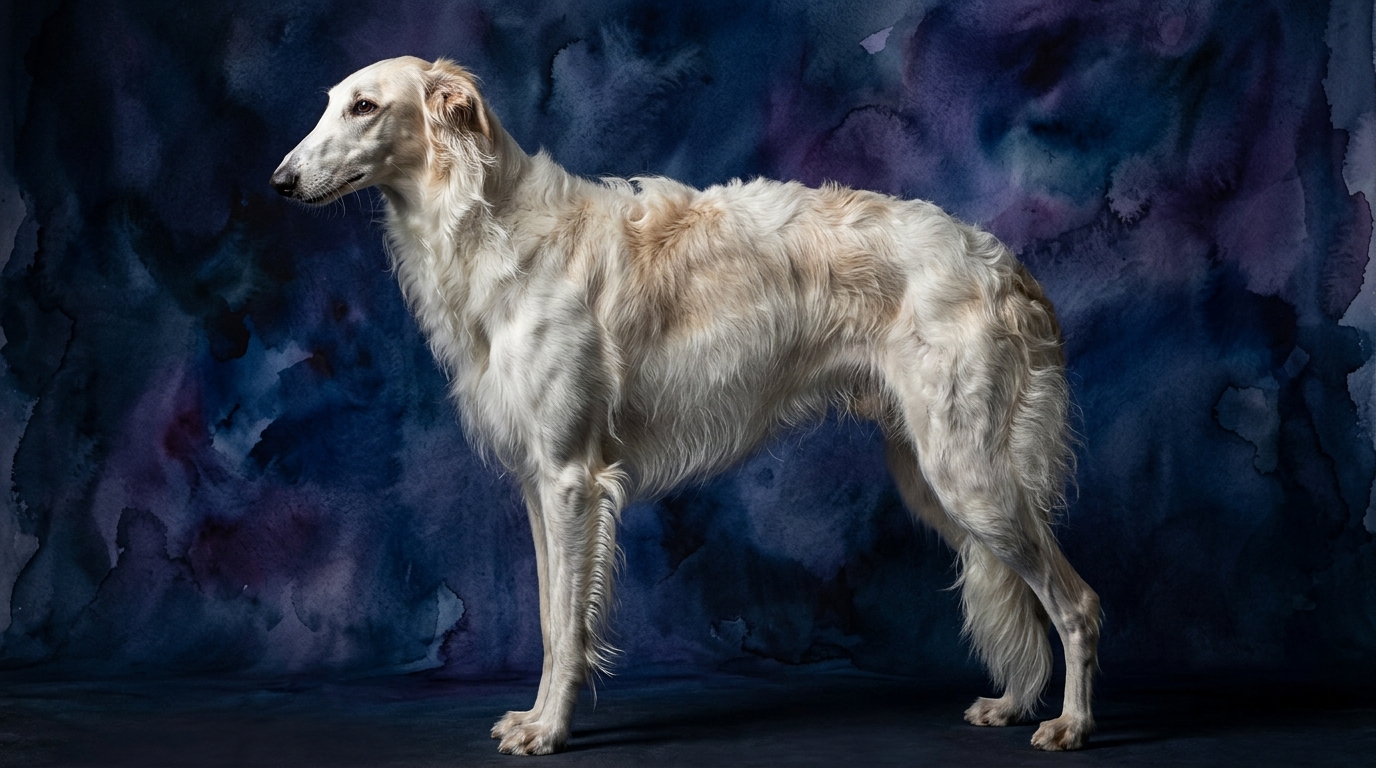
Conversely, the Borzoi’s identical 3/5 scores highlight a different kind of mental agility, inherent to their sighthound heritage. Their problem-solving is often efficient and strategic, focused on visual cues and navigating open spaces rather than manipulating objects. Training speed is also moderate; they learn quickly when motivated but can be independent, often viewing repetitive drills as unnecessary. Social intelligence manifests as observant and reserved, forming deep, gentle bonds with their family while maintaining a dignified distance with strangers. Their instinctive drive is profoundly specialized for sight-hunting, involving explosive speed and a focused chase response, rather than digging or persistent vocalization. Their memory is exceptional for spatial awareness, recalling routes and the locations of visual targets.
Where the Norwich Terrier's Mind Shines Brighter
Despite sharing a 3/5 rating, the Norwich Terrier's problem-solving truly shines in situations demanding persistent, hands-on ingenuity within confined or complex environments. Their terrier tenacity means they will often apply their wit relentlessly to challenges like figuring out a new puzzle toy, navigating an obstacle course, or even outsmarting a gate latch. This isn't about speed across a field, but about a determined, practical application of cognitive resources to a specific, tangible challenge.
Their equally rated instinctive drive, while potent in both breeds, manifests in the Norwich as an unwavering focus on small, moving objects or determined digging projects. This deep-seated drive means they will apply their memory and problem-solving to tasks like flushing out critters or navigating complex scent trails with remarkable persistence, often where a Borzoi might disengage if the visual cue is lost. Their social intelligence can also be more actively engaged in mediating small-group dynamics within a home, making them adept at fitting into busy family life.
Borzoi's Unique Cognitive Strengths
The Borzoi's 3/5 problem-solving excels in tasks requiring exceptional spatial awareness and rapid, independent decision-making over vast distances. Their intelligence is less about manipulating objects and more about dynamic strategy in a chase, utilizing their extraordinary sight and speed to predict movement and navigate open terrain efficiently. This translates to an elegant, often understated, approach to challenges that involve movement and environmental awareness, such as navigating a complex trail or anticipating the path of a lure.
Their equally rated instinctive drive is a testament to their sighthound heritage – a powerful, explosive drive to pursue. This isn't the persistent, digging drive of a terrier, but a highly specialized, visually cued response that demands quick cognitive processing to identify, track, and intercept. Their memory, particularly for landscapes, routes, and the precise location of potential targets, can be exceptionally precise, allowing them to navigate familiar territories with grace and purpose, and recall the fastest path to their objective. Their social intelligence, while reserved, allows them to understand subtle human cues and maintain a calm, dignified presence, often observing rather than overtly participating in household commotion.
Training Dynamics: Independence vs. Persistence
Both breeds score 3/5 in training speed, but their fundamental approaches to training differ. The Norwich Terrier, while often eager to please their person, also possesses a strong independent streak and a low boredom threshold for repetitive drills. Their training requires creativity, positive reinforcement, and making it feel like a fun game or a problem to solve. They might learn quickly but often choose *when* to perform, requiring consistent engagement and varied methods to maintain their interest and cooperation.
The Borzoi’s 3/5 training speed is frequently tempered by their sighthound independence. They are not typically driven by constant human approval in the same way some breeds are, and can find repetitive obedience pointless. They learn quickly when motivated by something meaningful to them—often a chase, a high-value reward, or a clear, logical command. Training sessions need to be concise, engaging, and respectful of their independent nature, leveraging their excellent memory for commands but understanding that their drive to obey isn't always paramount over their own inclinations.
Matching Minds to Lifestyles: Active vs. Relaxed Owners
For owners seeking an active companion, the choice between these breeds hinges on the *type* of activity preferred. A Norwich Terrier thrives with owners who enjoy structured play, puzzle toys, and exploring diverse environments like urban parks or hiking trails. They are pocket-sized adventurers who need consistent mental engagement to prevent boredom and channel their problem-solving skills constructively. Their moderate energy requires consistent outlets but they don't demand vast, open spaces for exercise, adapting well to various living situations.
The Borzoi, despite its calm and often relaxed indoor demeanor, requires significant bursts of high-speed exercise in secure, expansive areas. Owners who appreciate long, quiet walks and can provide opportunities for safe, off-leash running will find a Borzoi a wonderful companion. They are not typically suited for repetitive, high-impact activities like constant agility in the same way a terrier might be, preferring short, intense sprints followed by extended periods of dignified rest. Their independent nature makes them less demanding of constant interaction but still deeply devoted to their family.
The Verdict
Opt for the Norwich Terrier if you seek a persistent, engaging companion who thrives on hands-on problem-solving and spirited interaction within a family setting, and you appreciate a dog with a robust, independent personality.
Select the Borzoi if you admire elegant independence, value a calm indoor presence paired with a need for explosive outdoor sprints, and appreciate a dog whose intelligence manifests in observational understanding and efficient, visual-based problem-solving.
🧠 Find Your Pet's IQ Score
Our Pet IQ Lab assessment covers 25+ tests across 5 cognitive dimensions — personalized to your breed.
Take the Full IQ Test →Frequently Asked Questions
Do identical IQ scores mean these breeds think the same way?
No, identical scores indicate a similar cognitive *capacity* across dimensions, but the *expression* of that capacity is profoundly shaped by breed purpose and physical attributes. A Norwich Terrier's problem-solving might involve digging, while a Borzoi's might involve strategic pursuit, both rated 3/5.
Which breed is better for a first-time dog owner?
Neither breed is typically recommended for absolute first-time owners without prior research, due to their independent natures and specific needs. However, a Norwich Terrier might be slightly more adaptable to varied living situations, while a Borzoi’s need for secure running space and sighthound instincts requires more specific accommodation.
How does the Coren ranking differ from the Pet IQ Lab scores?
Coren's ranking primarily assesses 'working and obedience intelligence,' focusing on trainability for specific commands, placing the Borzoi at #75. Our Pet IQ Lab provides a more holistic view across five distinct cognitive dimensions, revealing that while their trainability might be similar (3/5), their overall problem-solving, social intelligence, instinctive drive, and memory capacities are equally developed, just expressed differently.