Side-by-Side Cognitive Profile
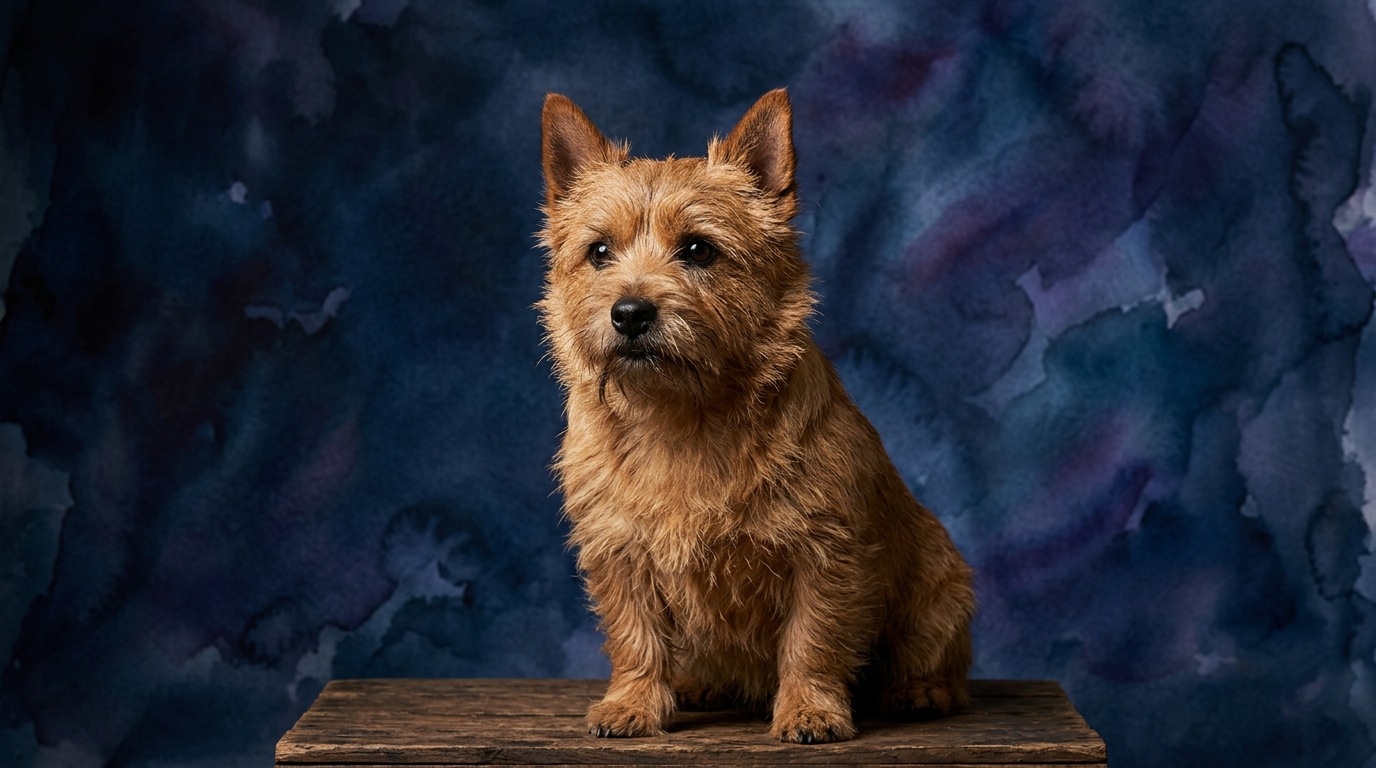
Norwich Terrier: Originating from England, these small, sturdy terriers were bred for hunting vermin, a role that profoundly shaped their cognitive makeup. Their Problem Solving, rated 3/5, often manifests as persistent, tenacious strategizing to achieve a goal, such as finding a hidden toy or navigating obstacles to reach a desired location. This isn't about complex abstract thought, but rather an enduring drive to overcome immediate physical barriers. Training Speed, also 3/5, reflects a capacity to learn commands and routines at a moderate pace, often motivated by food or play, yet tempered by a characteristic terrier independence that can make them selective about when to apply what they've learned. Their Social Intelligence, at 3/5, involves a keen awareness of their human family's moods and intentions, often using their charm to get attention or treats, and a clear understanding of social hierarchies within the home, though they can be assertive with new canine introductions. The Norwich Terrier's Instinctive Drive, 3/5, is strongly tied to their vermin-hunting heritage, expressed through a pronounced desire to chase, dig, and bark at perceived intruders or small, fast-moving objects. Finally, their Memory, 3/5, allows them to retain a good repertoire of learned behaviors, remember specific people and places, and recall effective past strategies for getting what they want, be it a specific treat or a cozy spot on the couch.
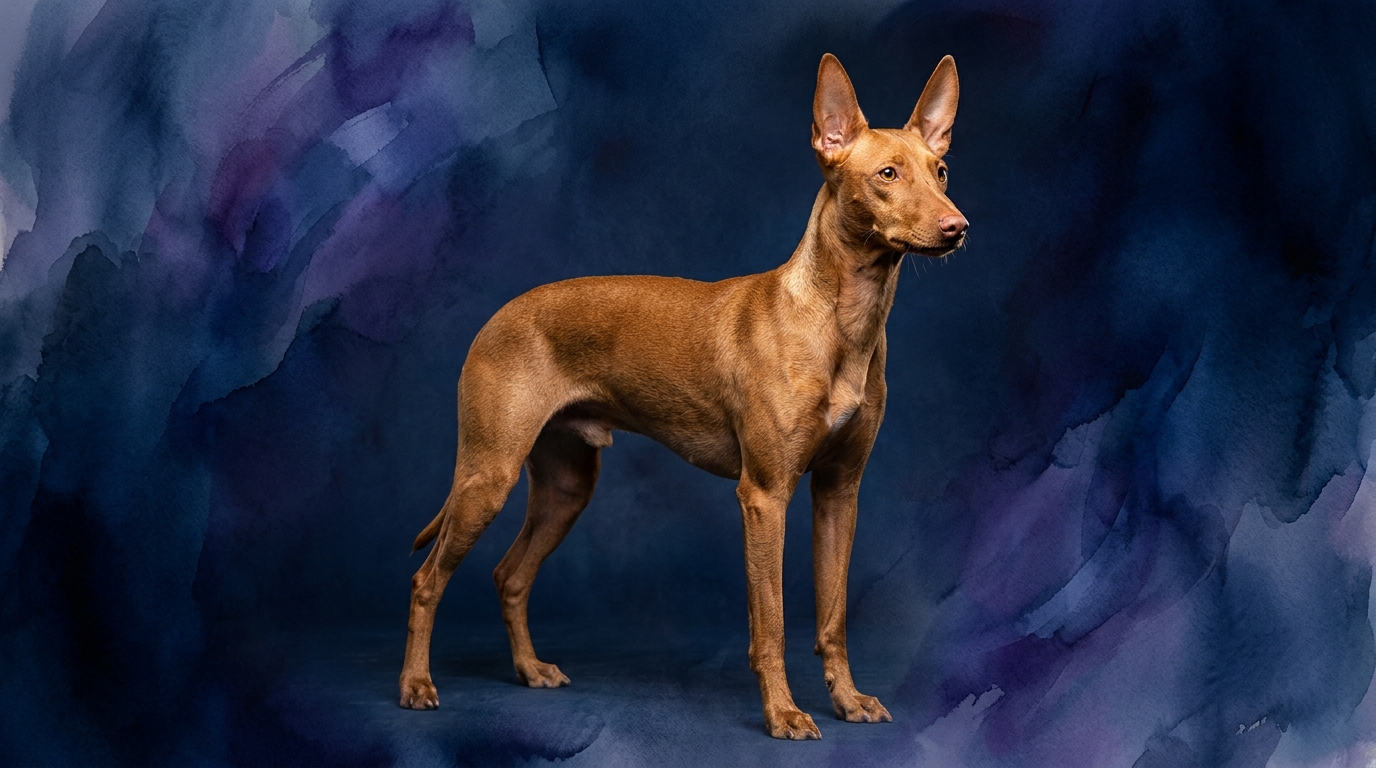
Cirneco dell'Etna: Hailing from Sicily, the Cirneco dell'Etna is an ancient sighthound, originally employed for hunting rabbits across rugged volcanic terrain. Their Problem Solving, also 3/5, typically involves navigating complex outdoor environments, tracking scents, and utilizing their keen sight to locate prey. This manifests as an independent, observational intelligence, where they assess situations and make decisions based on sensory input rather than direct human instruction, often finding the most efficient path or identifying a subtle change in their surroundings. Their Training Speed, 3/5, is influenced by their sighthound nature; they can learn quickly when motivated by chase or high-value rewards, but their independent spirit means they might not always prioritize human commands over their own instincts or observations. Social Intelligence, at 3/5, often presents as a sensitive and sometimes reserved demeanor, particularly with strangers, but they form deep, affectionate bonds with their family, reading subtle emotional cues and appreciating calm, gentle interactions. Their Instinctive Drive, 3/5, is characterized by a powerful prey drive, primarily focused on chasing and sometimes scenting small, fast-moving animals, and a remarkable stamina for sustained activity. Their Memory, 3/5, enables them to recall specific routes, recognize familiar faces and places, and remember past successful hunting or play strategies, often demonstrating a precise recall of where things were left or paths previously taken.
Where the Norwich Terrier Wins Cognitively
The Norwich Terrier's cognitive strengths shine in situations demanding persistent focus and a "can-do" attitude, even when faced with frustrating challenges. Their problem-solving, while rated 3/5, is characterized by a unique terrier tenacity; they excel at figuring out how to bypass physical barriers or uncover hidden objects through sheer determination. This isn't about elegant solutions but about relentless effort and an unwavering commitment to a task, whether it's unearthing a buried toy or squeezing through a tight spot. Their social intelligence, though also 3/5, often includes a more direct and assertive communication style, making their needs and desires clearer to their human companions. They are adept at engaging their owners and demanding attention, often using a variety of vocalizations and body language to ensure they are understood, which can make them seem more "conversational" than the more reserved Cirneco.
Where the Cirneco dell'Etna Wins Cognitively
The Cirneco dell'Etna demonstrates cognitive advantages in areas requiring independent thought, spatial awareness, and acute sensory processing. Their problem-solving, also 3/5, is often less about brute force and more about elegant, efficient navigation and observation. They are adept at surveying an environment, identifying the most logical path, or noticing subtle changes that might escape a less observant breed. This translates into an exceptional ability to learn and remember complex routes or specific locations, making them excellent companions for off-leash adventures where they can utilize their innate navigational skills. Their instinctive drive, while equally rated 3/5, is particularly refined for swift pursuit and endurance, showcasing a remarkable coordination of sight, speed, and strategic chase patterns that highlight a different kind of operational intellect compared to the terrier's earth-bound persistence. Their memory excels in spatial recall and recognizing patterns in their environment.
Training: Which is Easier and Why?
Both breeds are rated 3/5 for Training Speed, but their inherent temperaments dictate different training approaches. The Norwich Terrier, with its terrier tenacity, can be both eager to learn for rewards and simultaneously quite stubborn if they don't see the immediate value or if a more interesting distraction arises. Training requires consistency, positive reinforcement, and a firm but fair hand to channel their persistent energy. They may challenge boundaries but, once convinced, often perform reliably. The Cirneco dell'Etna, on the other hand, while equally capable of learning, possesses a more independent and sensitive nature typical of sighthounds. They are less driven by a desire to constantly please and can become easily bored or disengaged if training isn't stimulating or if the handler is overly harsh. They respond best to short, engaging sessions, positive reinforcement, and a patient approach that respects their independent spirit, making them "easier" in terms of willingness to participate if the method suits them, but potentially "harder" if one expects unwavering obedience in all situations. Their tendency to follow their nose or eyes can be a significant training challenge, requiring diligent recall practice.
Suitability for Active vs. Relaxed Owners
For active owners seeking a dynamic companion, both breeds offer unique appeals. The Norwich Terrier is a robust, energetic dog that thrives on regular exercise, engaging play, and mental stimulation. They enjoy structured activities like agility, earthdog trials, or long walks, and their compact size makes them versatile for various outings. Their enduring stamina and curious nature make them suitable for owners who enjoy exploring and engaging their dog in consistent, purposeful activity. For relaxed owners, the Norwich can adapt, but their inherent drive means they still require daily mental and physical outlets to prevent boredom-induced behaviors. The Cirneco dell'Etna is an exceptional choice for highly active owners who appreciate a dog built for speed and endurance. They excel in activities like lure coursing, long-distance running, or hiking over varied terrain. Their need for significant bursts of exercise makes them ideal for owners who can provide secure off-leash areas for them to run freely. While affectionate indoors, a "relaxed" owner might struggle to meet their intrinsic need for intense physical exertion, potentially leading to a restless companion. They are not content with only short strolls; they require outlets for their powerful running instincts.
The Verdict
Choose the Norwich Terrier if you appreciate a tenacious, charming companion with a "big dog" personality in a small package, who thrives on consistent engagement and a confident owner to channel their spirited drive.
Choose the Cirneco dell'Etna if you are an active owner who can provide ample opportunities for exhilarating runs and appreciate an elegant, sensitive, and independently thinking sighthound with a deep bond to its family.
🧠 Find Your Pet's IQ Score
Our Pet IQ Lab assessment covers 25+ tests across 5 cognitive dimensions — personalized to your breed.
Take the Full IQ Test →Frequently Asked Questions
Do Norwich Terriers bark a lot?
Norwich Terriers do have a propensity for barking, a trait rooted in their history as vermin hunters where alerting was crucial. While not excessive, they will bark at unfamiliar sounds, approaching visitors, or when excited, requiring consistent training to manage.
Are Cirneco dell'Etna good with children?
Cirneco dell'Etna can be excellent with respectful children, often displaying a gentle and playful nature within their family unit. However, their sensitive disposition means they prefer calm interactions and may retreat from boisterous play, making supervision essential.
What kind of mental stimulation do these breeds need?
Both breeds benefit from mental stimulation, but in different ways. Norwich Terriers enjoy puzzle toys, scent work, and learning new tricks that engage their problem-solving and persistent nature, while Cirneco dell'Etna thrive on activities that involve their keen senses, like tracking games, exploring new environments, and engaging in lure coursing to satisfy their prey drive.