Side-by-Side IQ Profile
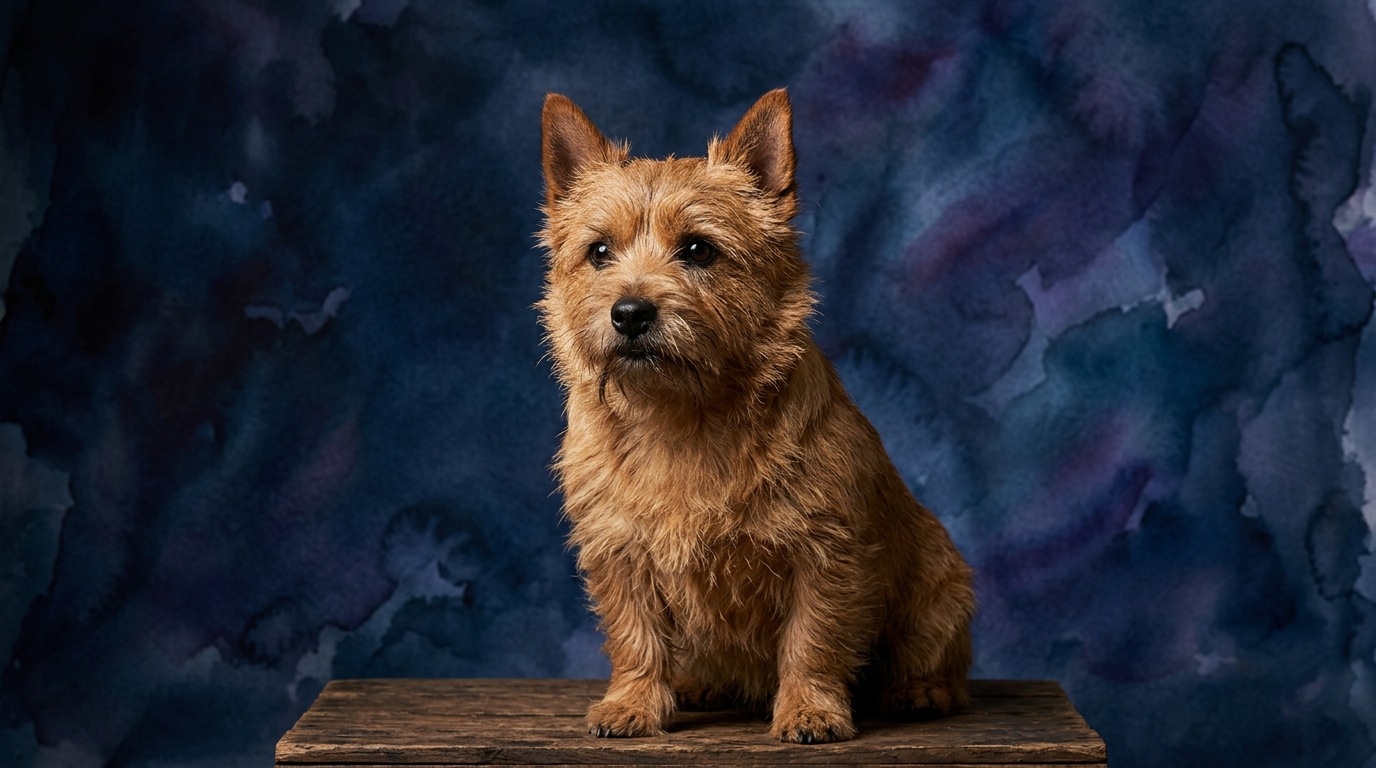
**Norwich Terrier:** A small, sturdy terrier with a spirited disposition.
**Problem Solving (3/5):** This score indicates competent ability, often manifesting as cleverness in figuring out puzzle toys or manipulating objects to achieve a goal. Their terrier tenacity fuels persistence in these mental tasks.
**Training Speed (3/5):** Norwich Terriers generally pick up commands at a solid pace, eager to engage, especially when motivated. However, their independent spirit means consistency and positive reinforcement are vital.
**Social Intelligence (3/5):** Typically outgoing and perceptive, they read human moods well, often using this to elicit attention. They integrate into family dynamics with a characteristic terrier boldness.
**Instinctive Drive (3/5):** A strong drive for hunting vermin, translating into keen interest in chasing small critters, digging, and alertness as a watchdog. This drive needs appropriate outlets.
**Memory (3/5):** Robust memory for commands, routines, and experiences, contributing to adaptability but also meaning they can retain negative associations.
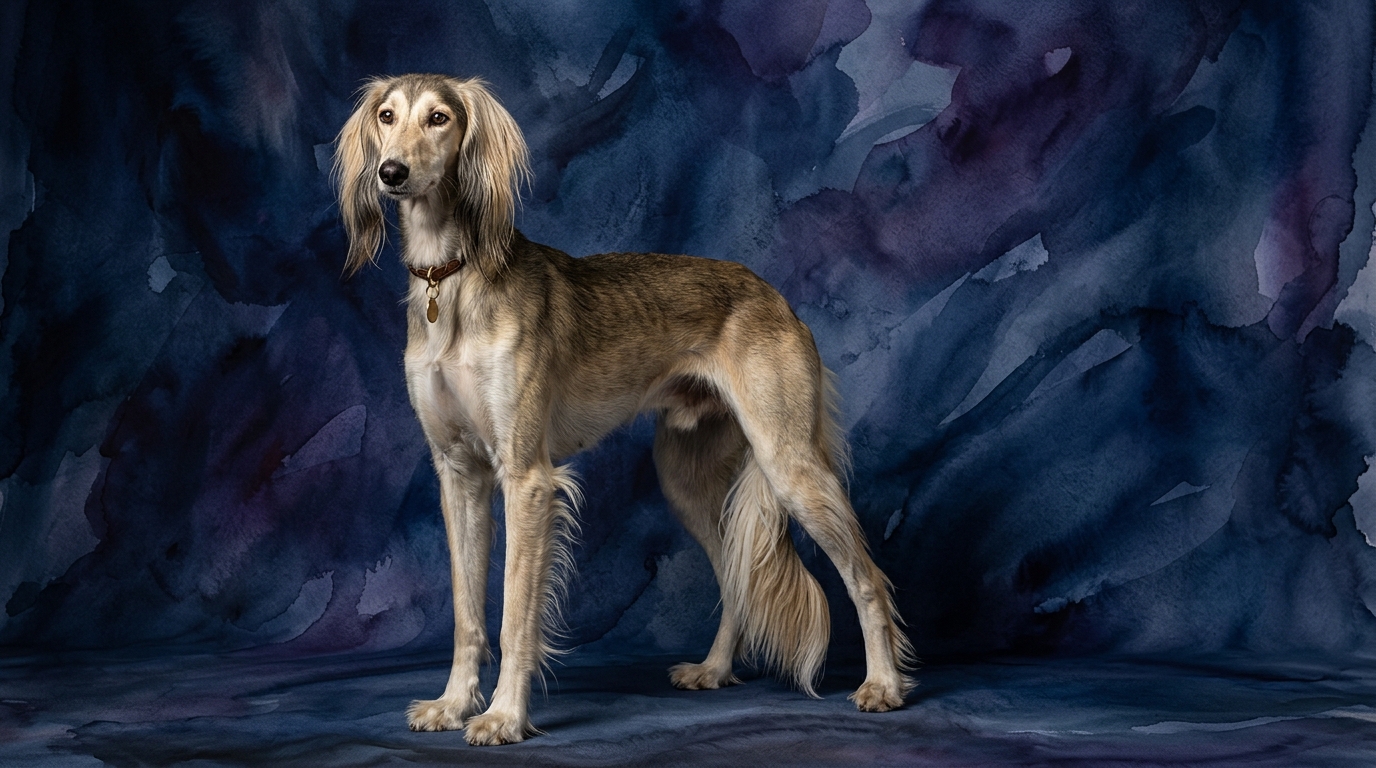
**Saluki:** An ancient, elegant sighthound known for its speed and independent nature.
**Problem Solving (3/5):** For the Saluki, this often relates to spatial reasoning and efficiency, excelling at navigating complex open spaces or identifying direct paths to visual targets. Their solutions are often elegant and energy-efficient.
**Training Speed (3/5):** Capable learners, quickly grasping concepts. However, their profound independence and sensitivity mean they respond best to gentle, positive methods; compliance often depends on their discretion and motivation.
**Social Intelligence (3/5):** Nuanced social intelligence, expressed through quiet observation and discerning engagement. They form deep bonds with family but can be reserved with strangers, preferring a calm presence.
**Instinctive Drive (3/5):** Rooted in sighthound heritage: pursuit of prey using sight and speed. This translates into an intense desire to run, chase, and scan horizons, requiring careful management in unsecured environments.
**Memory (3/5):** Good memory for routines, safe spaces, and trusted people. They also possess remarkable recall for terrain and visual landmarks, crucial for their hunting style, and are sensitive to past interactions.
Where Norwich Terrier Wins Cognitively
The Norwich Terrier's cognitive strengths often shine in scenarios requiring interactive engagement and physical manipulation. Their terrier tenacity makes them generally more persistent in solving puzzle toys requiring pawing or nudging. A Norwich is often quicker to experiment with different approaches to an enclosed challenge, driven by inherent curiosity. Their social intelligence, though rated the same, often translates into more overt responsiveness to human cues, making them eager participants in games involving shared problem-solving, like finding hidden objects with prompts. Their alertness and keen observational skills allow swift reaction to environmental changes or human demeanor shifts.
Where Saluki Wins Cognitively
The Saluki's cognitive prowess, despite matching scores, manifests distinctively in areas demanding independent thought and spatial awareness. Their problem-solving often excels in open, complex environments, navigating obstacles or identifying efficient routes without direct human intervention, a legacy of sighthound hunting. In terms of memory, Salukis often exhibit superior recall for visual patterns and vast outdoor terrains, remembering specific landmarks or safe running paths with remarkable accuracy. Their quiet observational skills mean they process environmental information with a calm, analytical approach, often demonstrating a deep understanding of household routines without overt participation.
Which is Easier to Train and Why
Both breeds are rated 3/5 for training speed, but their motivations differ. The Norwich Terrier, with its eager-to-please yet stubborn disposition, can be considered slightly "easier" for basic obedience and tricks. They are often highly food-motivated and thrive on positive reinforcement, viewing training as a game. Their desire for interaction makes them responsive to repetitive drills, but their prey drive demands consistency. The Saluki, while equally capable, presents a different dynamic due to profound independence and sensitivity. They learn quickly but require patience, understanding, and respect for their spirit. Compliance often depends on their assessment of utility or mood; harsh methods lead to disengagement. Training a Saluki is about building a trusting partnership where they *choose* to cooperate, using gentle consistency and positive reinforcement.
Which Suits Active Owners vs. Relaxed Owners
For active owners, both offer engagement but differently. An owner enjoying varied outdoor activities like brisk walks, hiking, or agility would suit a Norwich Terrier. Their boundless energy and curiosity thrive on consistent mental and physical stimulation, adaptable to urban living with regular outings. The Saluki demands specific activity: regular, intense, off-leash running in securely fenced areas to fulfill their sighthound instincts. An active owner for a Saluki must provide large, safe spaces for high-speed sprints. Neglecting this leads to frustration, despite their calm indoor demeanor. For relaxed owners, the Norwich can be suitable with consistent mental enrichment and moderate exercise; they are rarely inert. The Saluki can be an excellent fit indoors, often lounging elegantly, but only if its critical need for high-intensity running is met elsewhere. A purely relaxed lifestyle might struggle with the dedication required for a Saluki's exercise needs.
The Verdict
Choose the Norwich Terrier if you seek a spirited, interactive companion eager for varied activities and consistent mental stimulation, even with a strong-willed streak.
Opt for the Saluki if you admire an independent, elegant companion whose calm indoor demeanor belies a profound need for intense, high-speed running, and who thrives on a respectful, trusting partnership.
🧠 Find Your Pet's IQ Score
Our Pet IQ Lab assessment covers 25+ tests across 5 cognitive dimensions — personalized to your breed.
Take the Full IQ Test →Frequently Asked Questions
Do identical IQ scores mean Norwich Terriers and Salukis learn in the exact same way?
Not at all. While both score 3/5, their learning styles are shaped by breed heritage. Norwich Terriers learn through interactive engagement and persistence, while Salukis learn quickly but require motivation that respects their independence and sensitivity.
How does their "instinctive drive" score of 3/5 differ practically between the two breeds?
For the Norwich Terrier, a 3/5 drive manifests as a strong prey instinct for small vermin, leading to digging and barking. For the Saluki, it's a powerful sighthound drive, meaning an intense need to chase anything that moves quickly and visually in open spaces.
Can a Norwich Terrier or Saluki live in an apartment given their IQ and activity levels?
A Norwich Terrier can thrive in an apartment with consistent daily walks, play, and mental enrichment. A Saluki can also live in an apartment, being calm indoors, but absolutely requires regular access to a very large, securely fenced area for high-speed running to satisfy its sighthound instincts.