Side-by-Side IQ Profile: Unpacking the 3/5 Ratings
At The Cosmic Pet Pet IQ Lab, both the Norwich Terrier and the Silky Terrier are assessed with a consistent 3 out of 5 across all five key cognitive dimensions. This rating indicates a moderate level of ability, suggesting neither breed is at the extreme ends of the cognitive spectrum but rather possesses a balanced and capable intellect. Understanding what this 3/5 means specifically for each dimension helps us appreciate their unique mental landscapes.
For **Problem Solving (3/5)**, both breeds demonstrate a moderate capacity to navigate novel situations and figure out solutions independently. This isn't the rapid, complex problem-solving seen in some working breeds, but a steady ability to learn from experience and adapt. A Norwich might apply this to figuring out how to bypass a garden fence to investigate a scent, while a Silky might use it to open a cabinet door to access a treat, both showing resourceful, albeit not exceptionally complex, thought processes. They are capable of learning routines and understanding cause-and-effect within their environment.
Regarding **Training Speed (3/5)**, both terriers exhibit a moderate pace when acquiring new commands or behaviors. They are certainly trainable, but they aren't 'one-and-done' learners. Consistency, clear communication, and positive reinforcement are crucial for both. Owners should expect to dedicate time and repetition to solidify training, rather than anticipating instant mastery. This suggests they are responsive to guidance but also possess a degree of independent thought that requires engagement.
**Social Intelligence (3/5)** indicates a moderate ability to interpret human cues and interact appropriately within a social context. Both breeds can read body language and vocal tones to some extent, and they are capable of forming strong bonds with their families. However, they may not possess the intuitive, highly empathetic understanding of human emotions seen in some service breeds. A Norwich might be more direct in seeking attention, while a Silky might employ more subtle tactics like nudging or staring, both effectively communicating needs.
The **Instinctive Drive (3/5)** rating for both signifies a moderate expression of inherent breed-specific behaviors. For the Norwich, this often translates into a keen interest in digging, chasing small animals, and alert barking – classic terrier traits. For the Silky, while also possessing terrier lineage, this drive might be slightly tempered, manifesting as playful chasing of toys or vigilant, but perhaps less intense, territorial barking. Both breeds retain a connection to their ancestral roles, but it doesn't overwhelmingly dominate their daily lives.
Finally, **Memory (3/5)** suggests a moderate retention of learned behaviors and experiences. Both breeds will remember commands and routines if consistently reinforced, and they will recall past positive and negative interactions. This isn't photographic memory, but it's sufficient for building a reliable repertoire of behaviors and navigating their world based on prior learning. They learn from consequences, both good and bad, but require repetition to embed long-term memories.
Where the Norwich Terrier Wins Cognitively
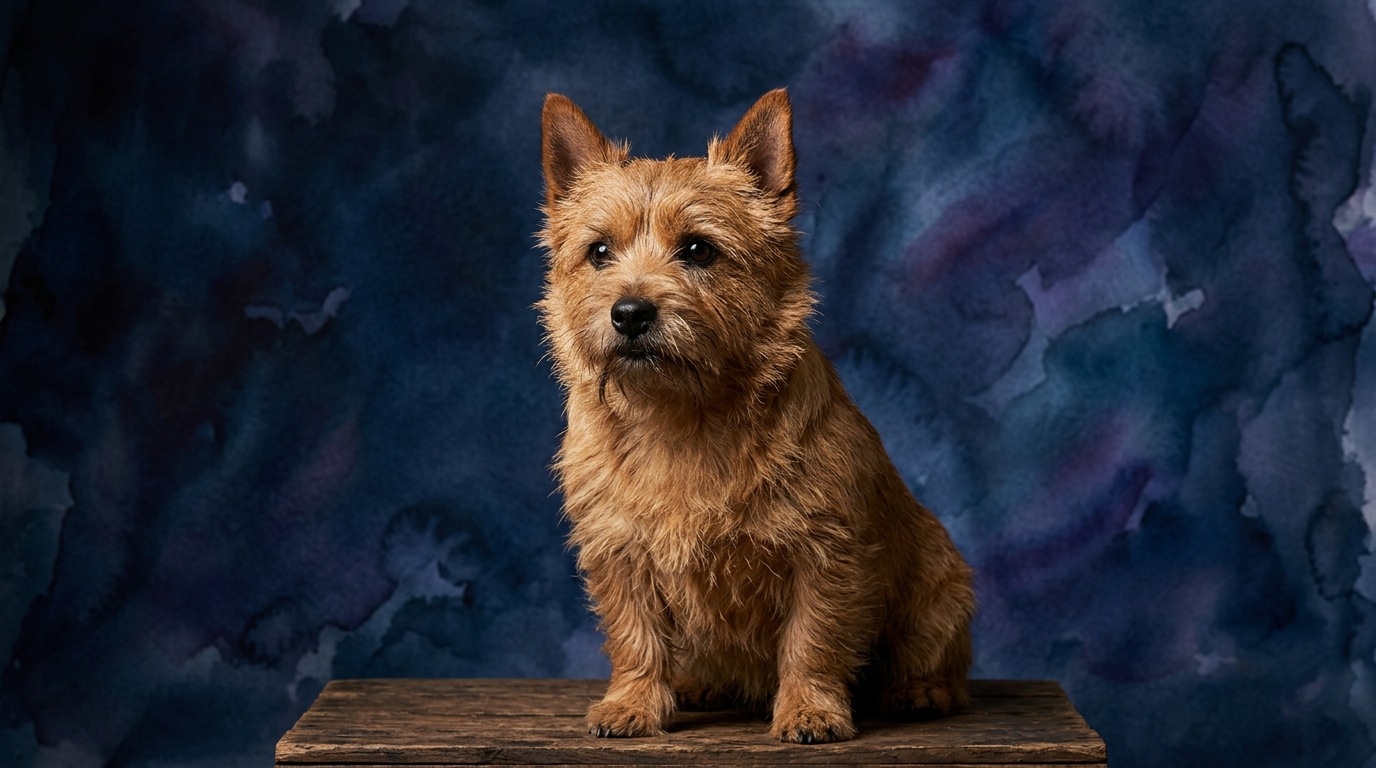
Despite identical scores, the Norwich Terrier's cognitive strengths often lean into their robust terrier heritage, making them particularly adept in scenarios requiring grit and independent problem-solving. Their 3/5 problem-solving ability, when paired with their instinctive drive, frequently manifests as a tenacious persistence in investigating novel scents or navigating challenging physical environments. A Norwich is more likely to methodically work at a perceived obstacle, whether it's a burrow or a puzzle toy, demonstrating a sturdy, self-directed mental resolve.
Their social intelligence, while moderate, often presents as a straightforward, no-nonsense engagement. They are less prone to overly subtle cues and more direct in their communication, which can be a cognitive advantage for owners who appreciate clear, unambiguous interactions. This directness, combined with their memory, means they learn what works to get attention or achieve a goal and will apply it without excessive deliberation, making them effective communicators in their own right.
Where the Silky Terrier Wins Cognitively
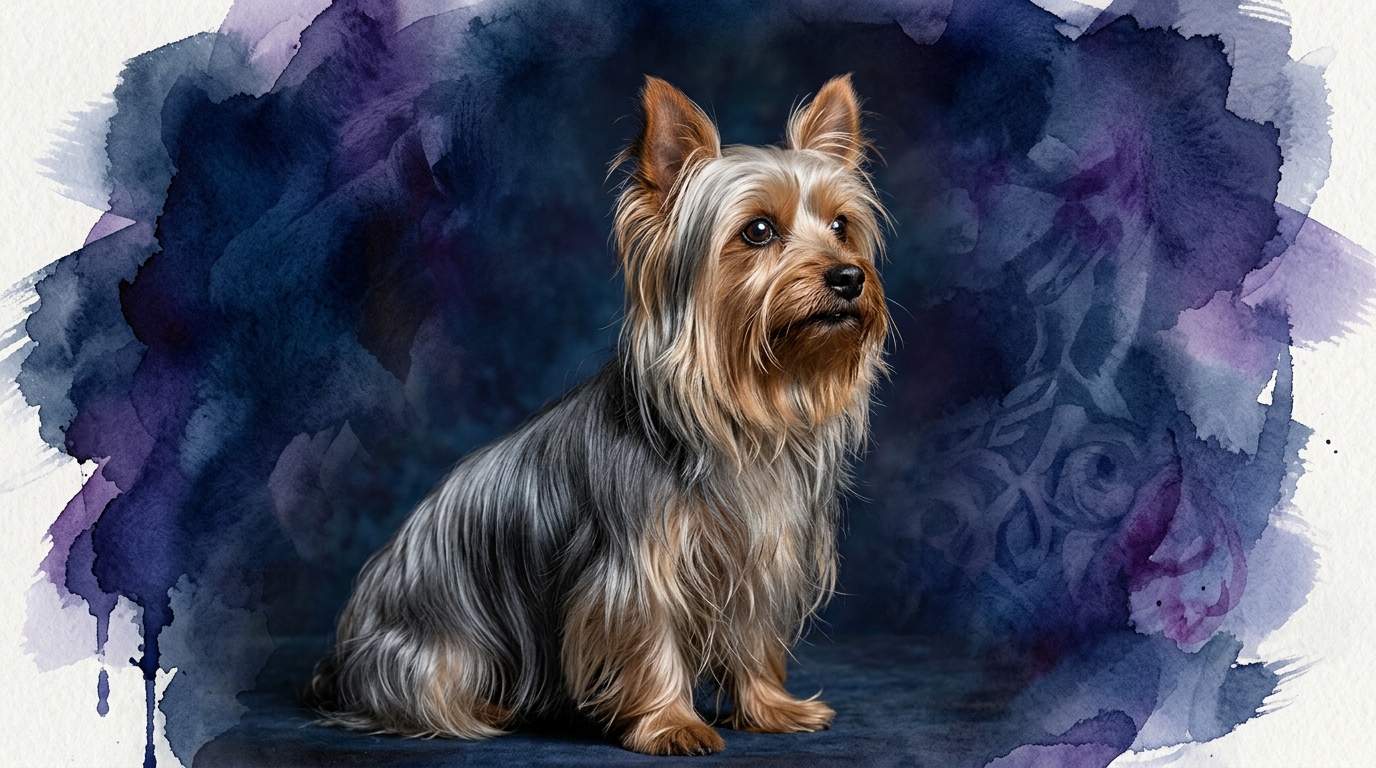
The Silky Terrier, while sharing terrier ancestry, often displays its 3/5 cognitive abilities with a nuanced flair, particularly suited to a companion role. Their problem-solving, for instance, might be more subtly applied to domestic scenarios, such as strategically positioning themselves for maximum comfort or figuring out intricate ways to solicit human attention. They can be remarkably clever in manipulating their environment or their people to their advantage, showcasing a refined resourcefulness within a home setting.
Their social intelligence, though also rated 3/5, can appear more attuned to the nuances of household dynamics. Silky Terriers often excel at reading the moods of their primary caregivers and adapting their behavior accordingly, perhaps choosing a quiet cuddle over boisterous play when sensing a relaxed atmosphere. This moderate social acumen, combined with their memory, allows them to navigate complex family routines with a degree of grace, making them highly adaptable and engaging housemates.
Which is Easier to Train and Why
When it comes to ease of training, both the Norwich and Silky Terriers present a moderate challenge, consistent with their 3/5 training speed rating. Neither breed is inherently difficult, but neither will be effortlessly compliant. The key differentiator lies in their behavioral tendencies stemming from their breed groups.
The Norwich Terrier, being a true working terrier, often possesses a stronger independent streak and a more pronounced prey drive. This can mean they are less naturally inclined to immediate obedience and may require more creative motivation to overcome their desire to follow a scent or chase a moving object. Their moderate social intelligence means they respond well to clear, consistent commands but might not be as eager to please as some other breeds, necessitating patience and engaging training methods to harness their focus. If their instinctive drive is not channeled appropriately, training can feel like a battle of wills.
The Silky Terrier, while still having terrier spunk, often exhibits a more people-oriented disposition typical of toy breeds. This can sometimes make them appear more amenable to training, as they may be more motivated by human approval and attention. However, their moderate social intelligence also means they can be sensitive to harsh corrections and may develop a 'small dog syndrome' if not consistently and confidently guided. Their problem-solving might be applied to finding loopholes in commands, requiring owners to be very clear and consistent. Both breeds benefit immensely from early socialization and positive reinforcement, but the Norwich will likely demand more robust, outdoor-oriented mental and physical stimulation to be receptive to training, while the Silky might thrive on more indoor-focused, attention-based training sessions.
Which Suits Active Owners vs. Relaxed Owners
The choice between a Norwich and a Silky Terrier based on owner lifestyle often hinges on how their moderate instinctive drives and problem-solving abilities manifest in daily exercise and mental engagement. Both breeds are active, but their ideal activity levels and types can differ significantly.
The Norwich Terrier, with its solid terrier build and original purpose of hunting vermin, is generally better suited for active owners. Their 3/5 instinctive drive translates to a need for consistent physical activity that allows them to explore, dig (even if it's in a designated sandpit), and chase. They thrive on long walks, hikes, and engaging play sessions that challenge their problem-solving skills, such as scent work or agility. Owners who enjoy outdoor adventures and can provide structured outlets for their terrier's natural exuberance will find a Norwich to be a highly rewarding companion. A relaxed owner might find their moderate energy and independent streak challenging to manage without adequate outlets.
The Silky Terrier, while energetic and playful, often adapts more readily to a slightly less intense lifestyle, making them a good fit for owners who are active but perhaps prefer indoor activities or shorter, more frequent outdoor excursions. Their 3/5 instinctive drive can be satisfied with vigorous indoor play, puzzle toys, and daily walks around the neighborhood. They enjoy being involved in family activities and can be content cuddling on the couch after a good play session. While they certainly aren't couch potatoes, their energy is often more manageable in smaller spaces compared to a Norwich. Therefore, a Silky can appeal to both moderately active owners and those who prefer a more relaxed home environment but are still committed to daily engagement.
The Verdict
Choose the Norwich Terrier if you are an active owner who appreciates a tenacious, independent companion and can provide consistent outlets for their robust terrier instincts and problem-solving drive, particularly in outdoor settings. They thrive with owners who enjoy engaging their dog in structured physical and mental challenges that cater to their hearty nature.
Opt for the Silky Terrier if you seek a spirited yet adaptable companion who excels in a domestic setting, offering clever social interactions and moderate energy that can be satisfied with a mix of indoor play and regular walks. They are well-suited for owners who appreciate a dog that is both playful and enjoys quiet companionship, and who are committed to consistent training to guide their clever problem-solving.
🧠 Find Your Pet's IQ Score
Our Pet IQ Lab assessment covers 25+ tests across 5 cognitive dimensions — personalized to your breed.
Take the Full IQ Test →Frequently Asked Questions
Are Norwich Terriers good for first-time dog owners?
Norwich Terriers can be suitable for first-time owners who are prepared for their independent nature and moderate training requirements. Their moderate social intelligence means they respond well to clear, consistent guidance, but owners must be committed to providing ample mental and physical stimulation to manage their terrier instincts.
Do Silky Terriers bark a lot?
Silky Terriers can be prone to alert barking due to their moderate instinctive drive and role as vigilant companions. Their 3/5 social intelligence means they are responsive to household sounds and strangers, but consistent training and early socialization can help manage excessive barking, channeling their vocalizations appropriately.
Which breed is more affectionate?
Both breeds form strong bonds with their families, reflecting their 3/5 social intelligence. Norwich Terriers tend to be affectionate on their own terms, while Silky Terriers often display their affection with a bit more overt enthusiasm and desire for close physical contact, often thriving on being a lap dog when not playing.