Side-by-Side Cognitive Profile: Unpacking Identical Scores
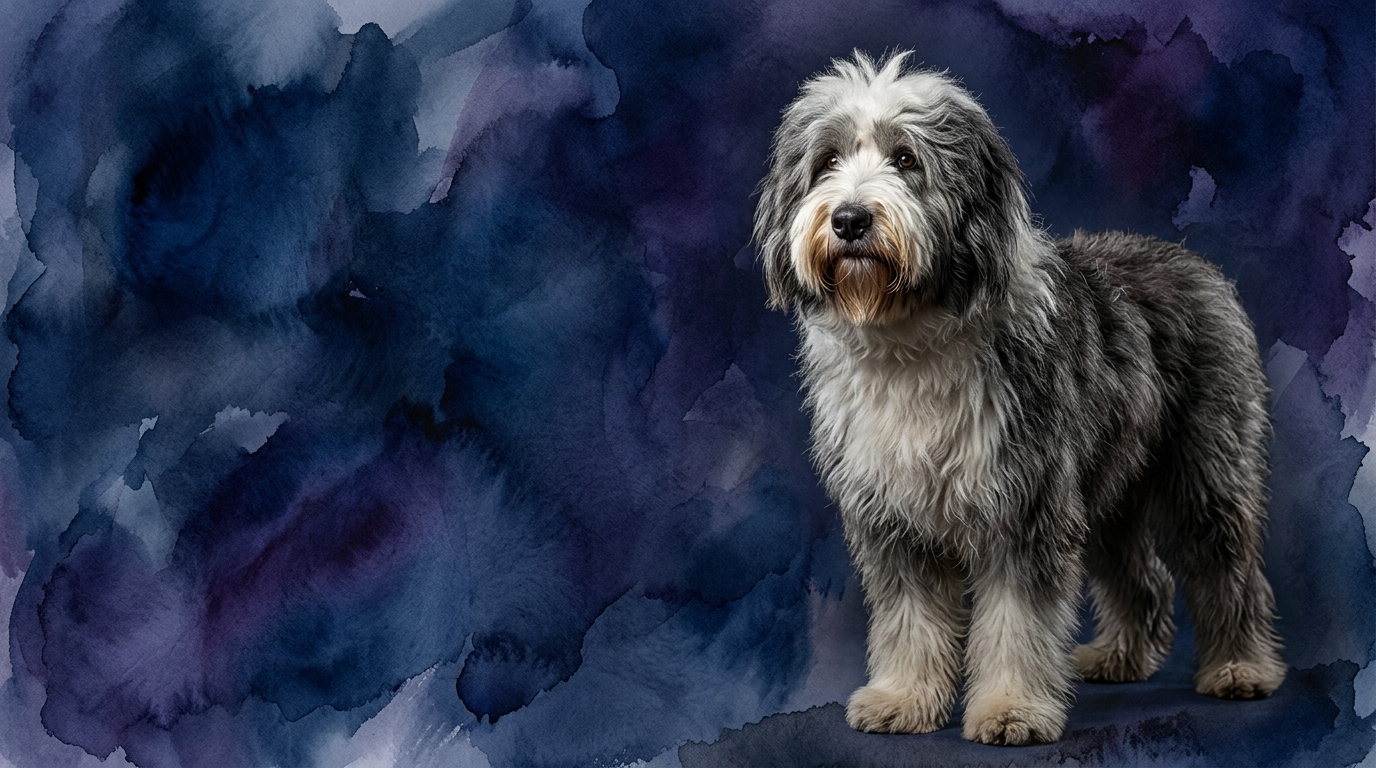
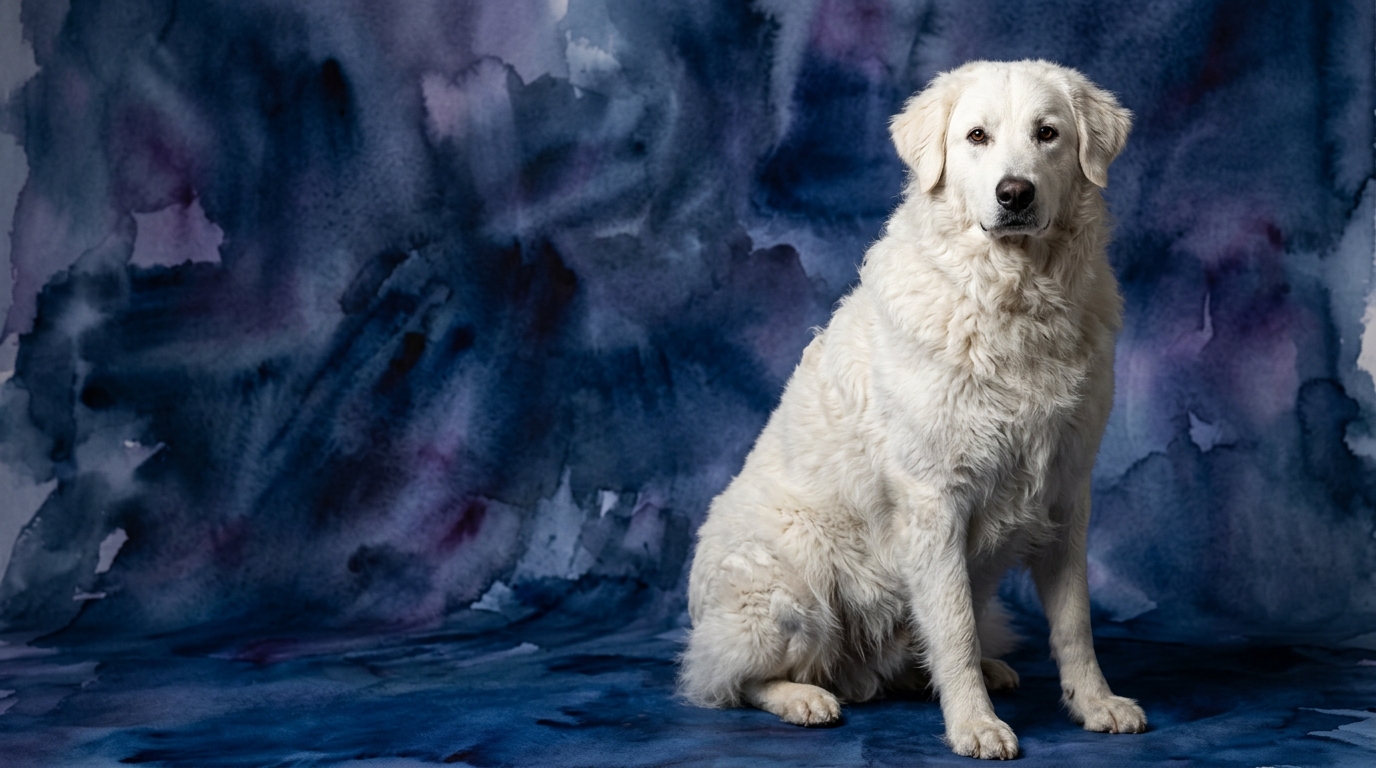
At first glance, the Old English Sheepdog (OES) and the Kuvasz appear to be cognitive twins, sharing identical scores across all five dimensions of our Pet IQ Lab assessment. Both breeds register a 3 out of 5 for Problem Solving, indicating a moderate capacity to navigate and resolve novel challenges independently. This suggests they can figure out new situations, though perhaps not with the lightning speed or elaborate strategies of some top-tier problem-solvers. Their Training Speed also stands at 3 out of 5, meaning both breeds demonstrate a moderate pace in learning new commands and tasks, requiring consistent, clear instruction to master new skills.
Social Intelligence for both breeds is rated 3 out of 5, signifying a moderate ability to interpret human cues, understand social dynamics, and interact appropriately within a family or group setting. This score points to a solid, but not exceptional, capacity for emotional connection and understanding nuanced communication. Their Instinctive Drive, also a 3 out of 5, reflects a moderate inherent inclination to perform tasks aligned with their breed's historical purpose. This drive is present but might require channeling or specific outlets to be fully expressed. Finally, both the OES and Kuvasz score an impressive 4 out of 5 for Memory, indicating a strong ability to recall past experiences, learned commands, and familiar individuals or environments. This robust memory serves as a foundation for their learning and adaptive behaviors.
Where the Old English Sheepdog Demonstrates Cognitive Nuance
While their scores are identical, the Old English Sheepdog's cognitive strengths often manifest through the lens of their herding heritage. Their 3/5 problem-solving ability, for instance, might be observed in their creative approaches to gathering "stray" family members or objects, demonstrating an innate understanding of spatial relationships and group dynamics. This isn't about independent survival, but about collaborative management.
The OES's social intelligence, also 3/5, shines in their capacity for cooperative work. They are often attuned to a handler's subtle body language and verbal cues, making them effective partners in tasks that require synchronized effort. Their memory (4/5) is particularly strong for routines, complex training sequences, and remembering the specific habits of their human "flock." This allows them to anticipate events and respond consistently, making them adaptable companions in a structured family environment.
Where the Kuvasz Shows Cognitive Strength
The Kuvasz, a formidable working breed with a history as a livestock guardian, expresses its identical cognitive scores through a distinct set of priorities. Their 3/5 problem-solving capacity is often directed towards autonomous threat assessment and defense. A Kuvasz might independently evaluate a new situation in their territory and decide on the most effective course of action to protect their charge, rather than waiting for human direction.
Their social intelligence (3/5) is particularly honed for discerning intentions and identifying potential threats within their environment. This isn't about eager cooperation, but about discerning loyalty and potential danger. The Kuvasz's strong memory (4/5) is crucial for recalling specific individuals, understanding territorial boundaries, and remembering past interactions or perceived threats, contributing to their vigilant nature and protective instincts. They excel in independent judgment and unwavering dedication to their perceived duty.
Training Dynamics: Independence vs. Cooperation
Both breeds share a Training Speed of 3/5, suggesting a moderate learning curve. However, their underlying behavioral drivers create significant differences in the training experience. The Old English Sheepdog, with its herding background, generally possesses a desire to work in partnership with humans. While they can be strong-willed and have their own opinions, their instinct to gather and manage often translates into a willingness to engage in structured training and respond to guidance. Leveraging their collaborative social intelligence can make training sessions productive, as they often aim to please and maintain harmony within their "flock."
The Kuvasz, conversely, is a breed shaped by centuries of independent decision-making as a guardian. Their 3/5 training speed means they can learn commands, but their strong sense of self-reliance and protective instincts can lead them to question commands if they perceive them as illogical or conflicting with their duty. Training a Kuvasz requires immense patience, consistency, and a profound understanding of their independent nature. They may learn quickly, but their compliance is often contingent on their own assessment of the situation, rather than blind obedience. Building trust and a strong bond is paramount to effective training with a Kuvasz, as they respect a leader who demonstrates clear, consistent, and fair judgment.
Ideal Owners: Active Engagement vs. Dedicated Stewardship
The Old English Sheepdog thrives with owners who are prepared for active engagement and consistent mental stimulation. Their herding drive needs an outlet, whether through structured dog sports, agility, or simply "herding" the family during daily activities. They benefit from consistent training and socialization that channels their intelligence and energy productively. Owners who appreciate a boisterous, affectionate, and sometimes comical companion, and who are committed to regular grooming and providing ample opportunities for mental and physical exercise, will find a joyful partner in the OES.
The Kuvasz requires a dedicated and experienced owner who understands the nuances of guardian breeds. Their intelligence is geared towards independent problem-solving and protection, which demands early, consistent socialization and a firm, confident hand in training. While they need regular physical exercise, their "activity" often involves patrolling and observing their territory. Owners must be prepared for their reserved nature with strangers, their independence, and their unwavering loyalty to their family. They are best suited for individuals or families who can provide a secure environment, respect their protective instincts, and commit to ongoing training that fosters trust and mutual respect, rather than seeking a highly pliable companion.
The Verdict
Choose the Old English Sheepdog if you seek a collaborative, affectionate, and active companion who thrives on structured engagement and enjoys being an integral part of family activities. They excel with owners who can channel their herding instincts into positive outlets and appreciate their boisterous charm.
Opt for the Kuvasz if you are an experienced owner prepared for a deeply loyal, independent, and protective companion who requires consistent leadership and extensive socialization. They are ideal for those seeking a vigilant guardian and a steadfast family member who makes autonomous judgments.
🧠 Find Your Pet's IQ Score
Our Pet IQ Lab assessment covers 25+ tests across 5 cognitive dimensions — personalized to your breed.
Take the Full IQ Test →Frequently Asked Questions
Do Old English Sheepdogs shed a lot?
Yes, Old English Sheepdogs are known for their dense double coats and do shed moderately, particularly during seasonal changes. Regular grooming, including daily brushing, is essential to manage shedding and prevent matting of their voluminous fur.
Are Kuvasz good with children?
Kuvasz can be good with children in their own family, often displaying a protective nature. However, due to their size and guardian instincts, early socialization and supervision are crucial, especially with unfamiliar children or boisterous play.
Which breed needs more exercise?
Both breeds require regular exercise to stay healthy and content. The Old English Sheepdog generally needs more structured, active play and mental stimulation, while the Kuvasz needs consistent daily walks and space to patrol, with their exercise often tied to their guarding duties.