Side-by-side IQ profile
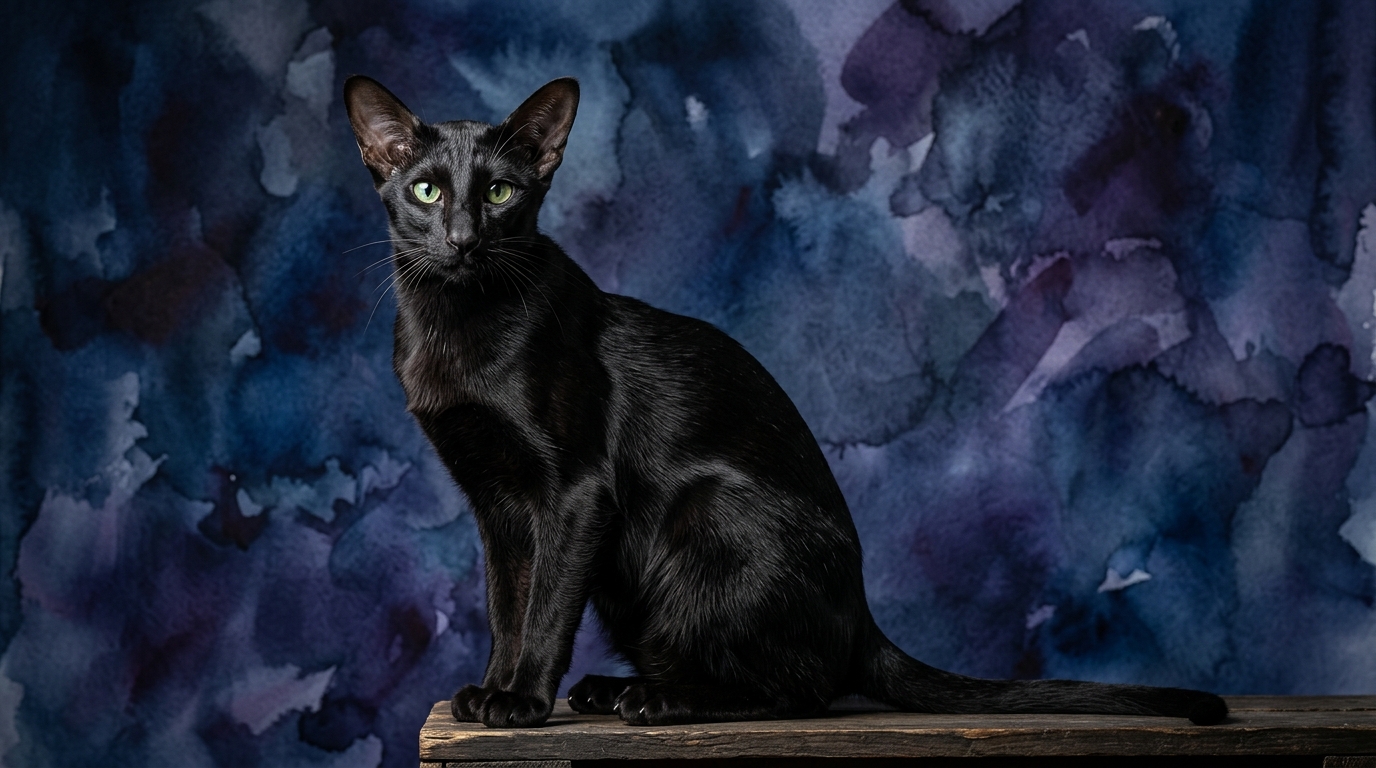
**Oriental Shorthair:** This breed often applies its problem-solving abilities (3/5) to interacting with its human companions. An Oriental Shorthair might strategically figure out how to open a cupboard to access a favorite toy or devise elaborate vocalizations to communicate a specific desire, demonstrating a purposeful approach to achieving their goals. Their persistence in these endeavors showcases a focused application of their cognitive resources. Oriental Shorthairs generally pick up new commands and routines at a steady pace, benefiting from positive reinforcement and consistent methods, reflecting their training speed (3/5). Their eagerness to engage with people often translates into a willingness to participate in training sessions, making them receptive learners for tricks or leash training when approached with patience and clear communication. These cats exhibit a strong understanding of human cues and emotions, often forming deep bonds with their families, a testament to their social intelligence (3/5). They are adept at reading body language and vocal tones, adjusting their behavior to elicit attention or comfort. Their tendency to "talk" back and initiate interaction underscores their highly developed social awareness. The Oriental Shorthair retains a moderate yet purposeful instinctive drive (3/5), evident in their playful pouncing, chasing of toys, and exploration of their environment. While not overly predatory, they possess a focused curiosity that motivates them to investigate new sights and sounds, often engaging in complex play scenarios that mimic hunting behaviors. An Oriental Shorthair displays a consistent ability to recall routines, favorite people, and past experiences, showcasing their memory (3/5). They remember where treats are hidden, the schedule of their meals, and the specific interactions they've had with different family members, often demonstrating long-term recognition of individuals and learned behaviors.
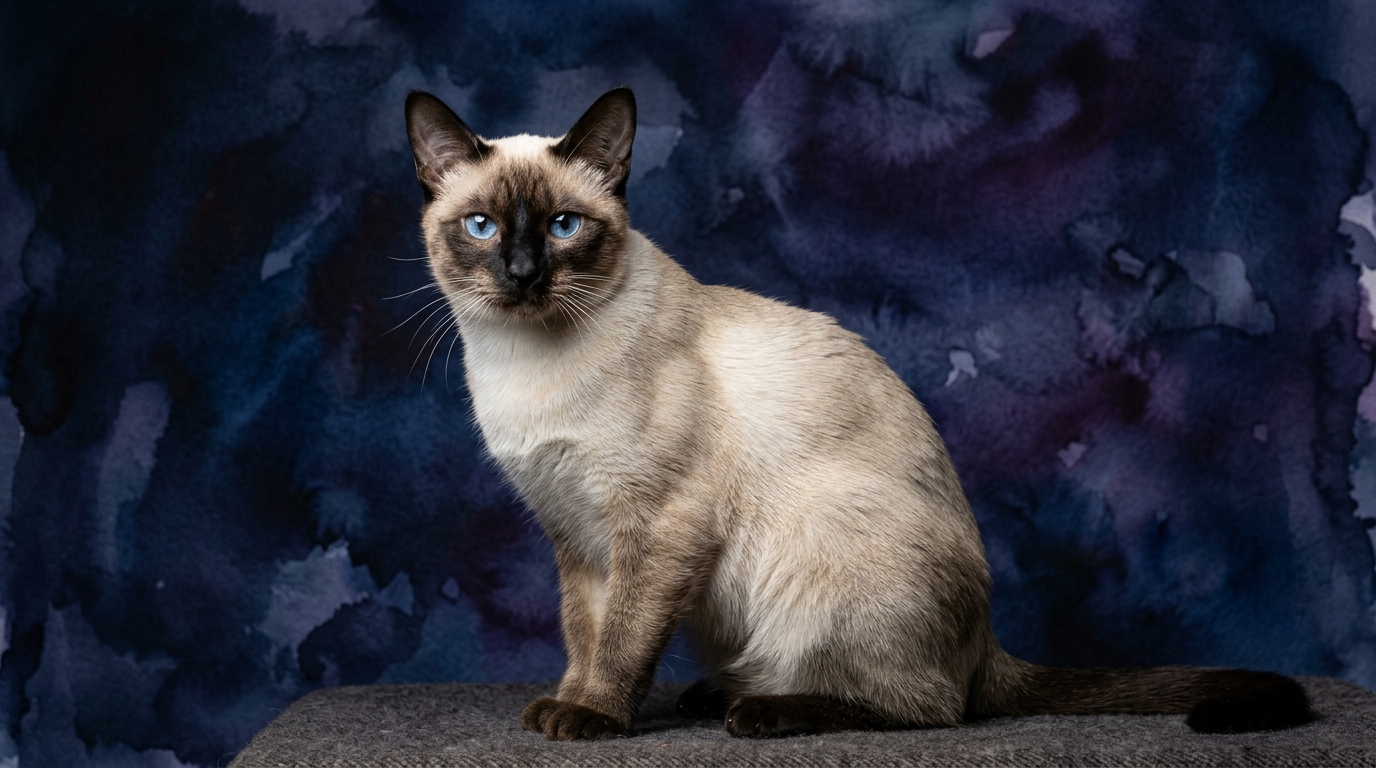
**Colorpoint Shorthair:** Colorpoint Shorthairs also demonstrate a solid capacity for problem-solving (3/5), often in the context of their environment and social interactions. They might methodically work out how to reach a high perch or cleverly manipulate a door handle to gain access to a desired room, showing a thoughtful approach to overcoming obstacles. Their focused attention allows them to analyze situations and execute solutions. Similar to their Oriental cousins, Colorpoint Shorthairs learn at a reliable pace, responding well to structured training that incorporates their desire for companionship, indicating their training speed (3/5). Their cooperative nature makes them generally agreeable students, capable of mastering various commands and adapting to new household rules with consistent, reward-based methods. Colorpoint Shorthairs are deeply people-oriented, showcasing a keen awareness of their human companions' moods and activities, reflecting their social intelligence (3/5). They often seek close proximity and gentle interaction, demonstrating an ability to perceive and respond to social cues. Their affectionate nature is a testament to their capacity for forming strong, empathetic connections. The Colorpoint Shorthair possesses a balanced instinctive drive (3/5), manifesting in their enjoyment of interactive play and their natural curiosity. They engage in focused stalking and pouncing during play, and their exploratory nature leads them to investigate their surroundings thoroughly. This drive is often channeled into positive interactions with their owners. Colorpoint Shorthairs exhibit a robust memory (3/5), effortlessly remembering daily routines, the location of their favorite napping spots, and the specific sounds that signal mealtime or playtime. They retain knowledge of their environment and the people within it, often demonstrating a clear recall of past events and learned associations.
Where Oriental Shorthair wins cognitively
While both breeds share similar baseline cognitive scores, the Oriental Shorthair often appears to apply its cognitive strengths with a more overt, "in-your-face" assertiveness. Their problem-solving (3/5) frequently manifests as direct manipulation of their environment or human companions to achieve a desired outcome, such as persistently vocalizing until a specific toy is retrieved or a door is opened. This isn't necessarily a higher score, but a more pronounced *application* of that score through demanding communication. Their social intelligence (3/5) shines in their ability to "read" human moods and then strategically adapt their vocalizations or actions to elicit a specific response, making them masters of persuasive interaction. This proactive engagement, driven by their intense curiosity and social needs, can sometimes make their cognitive processes seem more apparent and directed towards immediate, tangible results. They leverage their memory (3/5) to recall which tactics worked best in previous interactions, refining their approach over time.
Where Colorpoint Shorthair wins cognitively
The Colorpoint Shorthair, though equally intelligent, often demonstrates its cognitive prowess with a slightly more understated, yet equally effective, approach. Their problem-solving (3/5) might be observed in their methodical exploration and understanding of household mechanics, like figuring out how to consistently open a specific type of cupboard or navigating complex spatial puzzles to reach a preferred spot. They might spend more time observing before acting, suggesting a thoughtful analysis of the situation. Their social intelligence (3/5) is often expressed through a nuanced responsiveness to their owner's emotional state, offering comfort or seeking gentle interaction without the same level of demanding vocalization as their Oriental cousins. This can make them seem more attuned to subtle environmental and emotional cues, allowing them to integrate into the household rhythm with a quiet perceptiveness. Their instinctive drive (3/5) often leads to sustained, focused play, indicating a strong capacity for concentration and sequential thinking during predatory games.
Which is easier to train and why
Both Oriental Shorthairs and Colorpoint Shorthairs possess a 3/5 training speed, indicating a solid capacity for learning. However, real-world behavioral differences can influence the *perception* of ease. Oriental Shorthairs, with their often higher energy levels and more vocal, demanding nature, might initially present more challenges. Their intense desire for interaction and frequent vocalizations mean an owner must be consistent and channel this energy effectively. They can be incredibly responsive to training that involves direct engagement and rewards, quickly learning tricks or commands that offer attention. Conversely, Colorpoint Shorthairs, while equally affectionate and vocal, often exhibit a slightly calmer demeanor. Their training speed (3/5) is often complemented by a more patient and cooperative temperament, making them potentially easier for first-time cat owners or those seeking a less boisterous training partner. They respond exceptionally well to routine and positive reinforcement, often showing a consistent willingness to participate in learning activities, perhaps with less "pushiness" than their Oriental counterparts.
Which suits active owners vs relaxed owners
For active owners who thrive on constant interaction and can dedicate significant time to play, conversation, and mental stimulation, the Oriental Shorthair is an excellent match. Their problem-solving (3/5) often manifests as finding new ways to engage their humans, and their high social intelligence (3/5) means they will actively seek out companionship and participation in household activities. They flourish in environments where their curious nature and need for engagement are met with enthusiasm, making them ideal for individuals who enjoy teaching tricks, going on leash walks, or simply having a feline "conversation" partner. Relaxed owners, or those seeking a companion with a slightly less demanding presence, might find the Colorpoint Shorthair a more harmonious fit. While still highly social and interactive, their instinctive drive (3/5) and social intelligence (3/5) tend to be expressed with a touch more grace and less constant vocalization. They enjoy play and companionship but may also be content to observe or cuddle quietly for longer periods, making them suitable for owners who appreciate an affectionate presence without the perpetual "chatter" or intense demands for attention.
The Verdict
Choose an Oriental Shorthair if you desire a feline companion who will actively participate in every aspect of your life, offering constant vocal commentary and demanding engagement with a playful, assertive personality.
Opt for a Colorpoint Shorthair if you appreciate a deeply affectionate and social cat who integrates smoothly into your routine with a slightly more gentle demeanor, providing warm companionship and intelligent interaction without overwhelming demands.
🧠 Find Your Pet's IQ Score
Our Pet IQ Lab assessment covers 25+ tests across 5 cognitive dimensions — personalized to your breed.
Take the Full IQ Test →Frequently Asked Questions
Are Oriental Shorthairs difficult to manage due to their vocal nature?
While Oriental Shorthairs are known for their extensive vocal repertoire, this doesn't necessarily make them difficult. Their "talking" is a manifestation of their strong social intelligence (3/5) and desire for interaction, meaning owners who appreciate and respond to their communication often find it endearing rather than challenging. Consistent interaction and mental stimulation help channel their energy positively.
Do Colorpoint Shorthairs require less attention than other social cat breeds?
Not at all; Colorpoint Shorthairs are highly social and thrive on human companionship, exhibiting a robust social intelligence (3/5). They enjoy interactive play and affection, but their expression of these needs might be slightly less intense or vocally demanding than some other breeds. They still require daily engagement and interaction to remain content and stimulated.
Can both breeds be trained to walk on a leash or do tricks?
Absolutely, both Oriental Shorthairs and Colorpoint Shorthairs have a training speed of 3/5, indicating a good capacity for learning. Their social intelligence and memory also contribute to their trainability. With patience, positive reinforcement, and consistent practice, both breeds can successfully learn leash walking, various tricks, and adapt to many household routines.