
Side-by-Side Cognitive Profiles
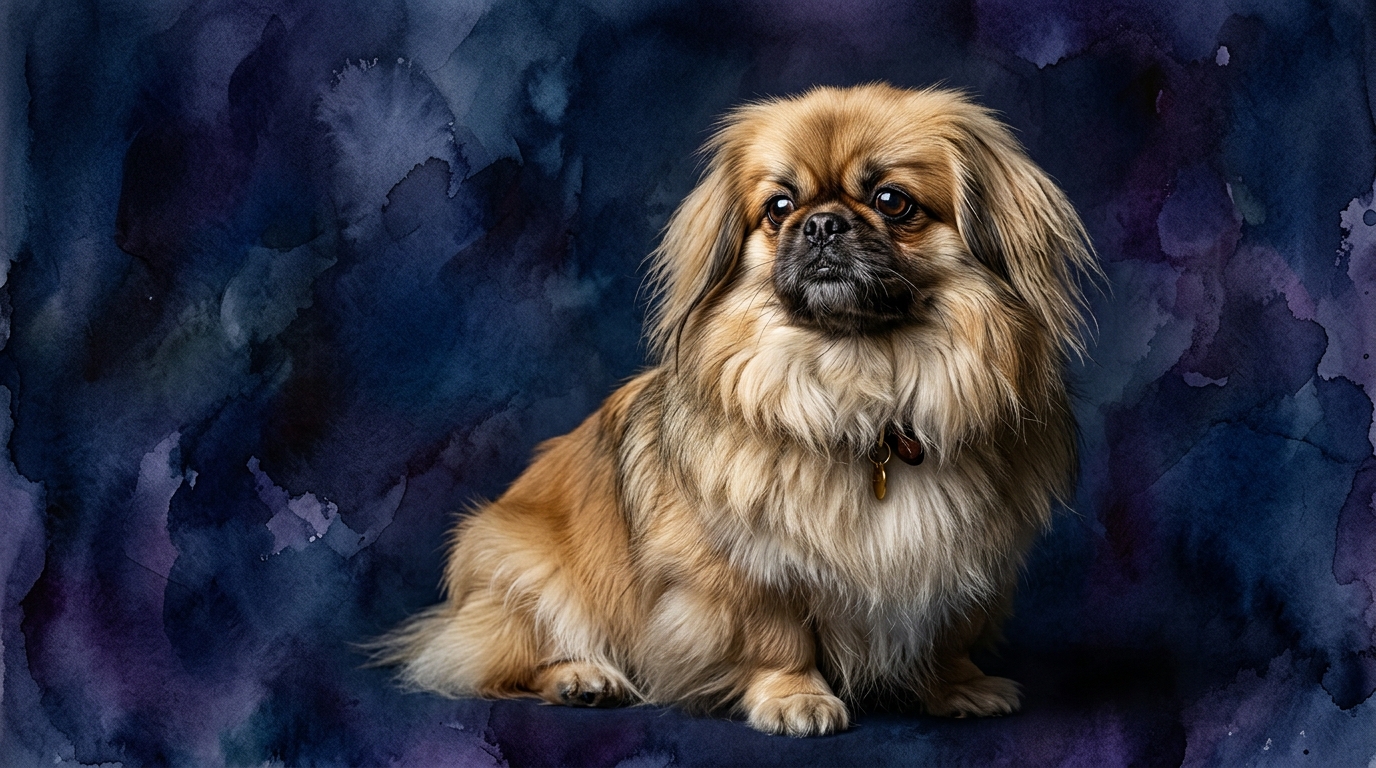
The Pekingese, with a Coren rank of #77, presents a unique cognitive profile reflecting its ancient history as a cherished companion of Chinese royalty. Scoring 3/5 in Problem Solving, these dogs often apply their intellect to navigating their environment for optimal comfort or personal gain, perhaps figuring out how to get onto a forbidden sofa or secure a dropped treat. Their Training Speed, also at 3/5, suggests they are capable learners but possess an independent spirit; they learn best when compliance aligns with their own desires, requiring consistent, positive reinforcement rather than forceful methods. Social Intelligence at 3/5 means they are astute observers of human behavior, adept at discerning moods and exploiting routines for their benefit, though they can be reserved with strangers. Their Instinctive Drive, rated 3/5, largely manifests as a strong desire for comfort and companionship within their trusted circle, with minimal hunting or working impulses. Finally, Memory at 3/5 indicates they retain learned commands, routines, and experiences effectively, especially those tied to their personal comfort or discomfort.
The English Toy Spaniel, while not Coren-ranked, shares the same 3/5 scores across all cognitive dimensions, yet expresses these in a distinctly different manner, shaped by its role as a gentle, affectionate companion. Their Problem Solving at 3/5 often centers around social navigation, figuring out how to gain attention or comfort from their beloved humans, or understanding complex household routines. Training Speed, also 3/5, highlights their capacity to learn, often driven by their desire to please and connect with their owners, making them generally responsive to gentle, reward-based methods. Social Intelligence, at 3/5, is a cornerstone of their personality; they are highly attuned to human emotions and social cues, often seeking to offer comfort or engage in harmonious interactions within the family unit. Their Instinctive Drive, scoring 3/5, is predominantly channeled into their companion role, with a gentle curiosity that might lead them to follow interesting scents on a walk, rather than a strong prey drive. Memory, also 3/5, enables them to recall commands, familiar faces, and positive interactions, building strong bonds and understanding established household norms.
Where the Pekingese Cognitively Excels
While both breeds share identical numerical cognitive scores, the Pekingese often demonstrates a particular strength in independent problem-solving and self-sufficiency. Their 3/5 problem-solving score is frequently applied to situations that directly benefit their personal comfort or desires, such as cleverly circumventing a barrier to reach a sunny spot or subtly nudging for a favorite treat. This breed's 3/5 social intelligence is often expressed through a discerning ability to read human intentions and exploit established routines, making them adept at getting their way without overt effort. They excel at understanding who to approach for what specific need, showcasing a subtle, almost regal, form of manipulation for comfort and attention on their own terms, making them masters of their personal domain.
Where the English Toy Spaniel Cognitively Excels
Conversely, the English Toy Spaniel's cognitive strengths lean towards cooperative intelligence and emotional attunement. Their 3/5 problem-solving frequently involves deciphering human signals and navigating social dynamics to maintain harmony and closeness within the family. This breed's 3/5 social intelligence shines in their innate ability to comfort and connect, often anticipating their owner's emotional state and responding with gentle affection. They excel at integrating smoothly into family life, understanding complex social cues to foster strong bonds and collaborative interactions. Their cognitive application is often geared towards pleasing and fostering companionship, making them exceptionally empathetic and responsive to their human counterparts.
Training Dynamics: Which is Easier and Why
Evaluating ease of training between these two breeds requires understanding their distinct motivations. The English Toy Spaniel, with its gentle disposition and inherent desire to please its human companions, generally proves more amenable to training. Their 3/5 training speed is often amplified by their social intelligence, as they eagerly seek positive reinforcement and the close bond formed during training sessions. They respond well to soft voices, praise, and treats, making them relatively straightforward to teach basic commands and household manners. In contrast, the Pekingese, despite sharing the same 3/5 training speed, can present more of a challenge. Their independent streak and strong will mean they will learn, but often only if they perceive a clear benefit to themselves or if the command aligns with their current inclination. Training a Pekingese demands patience, consistent methods, and finding high-value motivators that appeal to their comfort or inherent stubbornness, rather than relying on a general eagerness to please. They are not easily coerced and thrive on positive, respectful interactions that acknowledge their individual personality.
Lifestyle Match: Active vs. Relaxed Owners
When considering lifestyle compatibility, both the Pekingese and the English Toy Spaniel are best suited for relaxed owners, though with subtle differences. The Pekingese embodies the quintessential lapdog, thriving in a calm household with minimal exercise requirements. Their 3/5 instinctive drive is satisfied with short, leisurely walks and ample opportunities for napping and snuggling. They prefer a predictable routine and a comfortable environment, making them an ideal choice for individuals or families who enjoy a more sedentary lifestyle. The English Toy Spaniel, while equally content with a relaxed pace, possesses a slightly more adaptable energy level. Their 3/5 instinctive drive might manifest as a desire for gentle play sessions or slightly longer, meandering walks where they can explore scents. They enjoy being involved in family activities, even if those activities are quiet, and appreciate companionship during their daily strolls. Neither breed is suitable for highly active owners seeking a jogging partner or an agility competitor; instead, they flourish in environments that prioritize comfort, companionship, and a tranquil rhythm.
The Verdict
If you value independent thought, subtle self-determination, and a regal companion who dictates affection on their own terms, the Pekingese is an excellent match.
If your preference leans towards an emotionally attuned, cooperative, and consistently affectionate companion eager to please and integrate seamlessly into family life, the English Toy Spaniel will be a delightful addition.
🧠 Find Your Pet's IQ Score
Our Pet IQ Lab assessment covers 25+ tests across 5 cognitive dimensions — personalized to your breed.
Take the Full IQ Test →Frequently Asked Questions
Do Pekingese or English Toy Spaniels excel at complex tricks?
Both breeds score 3/5 in training speed, meaning they are capable of learning tricks. The English Toy Spaniel might show more enthusiasm due to their desire to please, while the Pekingese will learn if sufficiently motivated by rewards or personal interest.
Are these breeds good with children, considering their social intelligence?
Both have a 3/5 social intelligence score. English Toy Spaniels are generally more tolerant and gentle, often seeking harmonious interactions. Pekingese can be more reserved and may prefer older, respectful children who understand their need for personal space.
How do their memory scores (3/5) impact their daily lives?
A 3/5 memory means both breeds effectively recall routines, commands, and experiences. This helps them adapt to household schedules and remember where their favorite resting spots or treat stashes are, contributing to their comfort and sense of security.