The Cognitive Profiles: Persian vs. Pixiebob
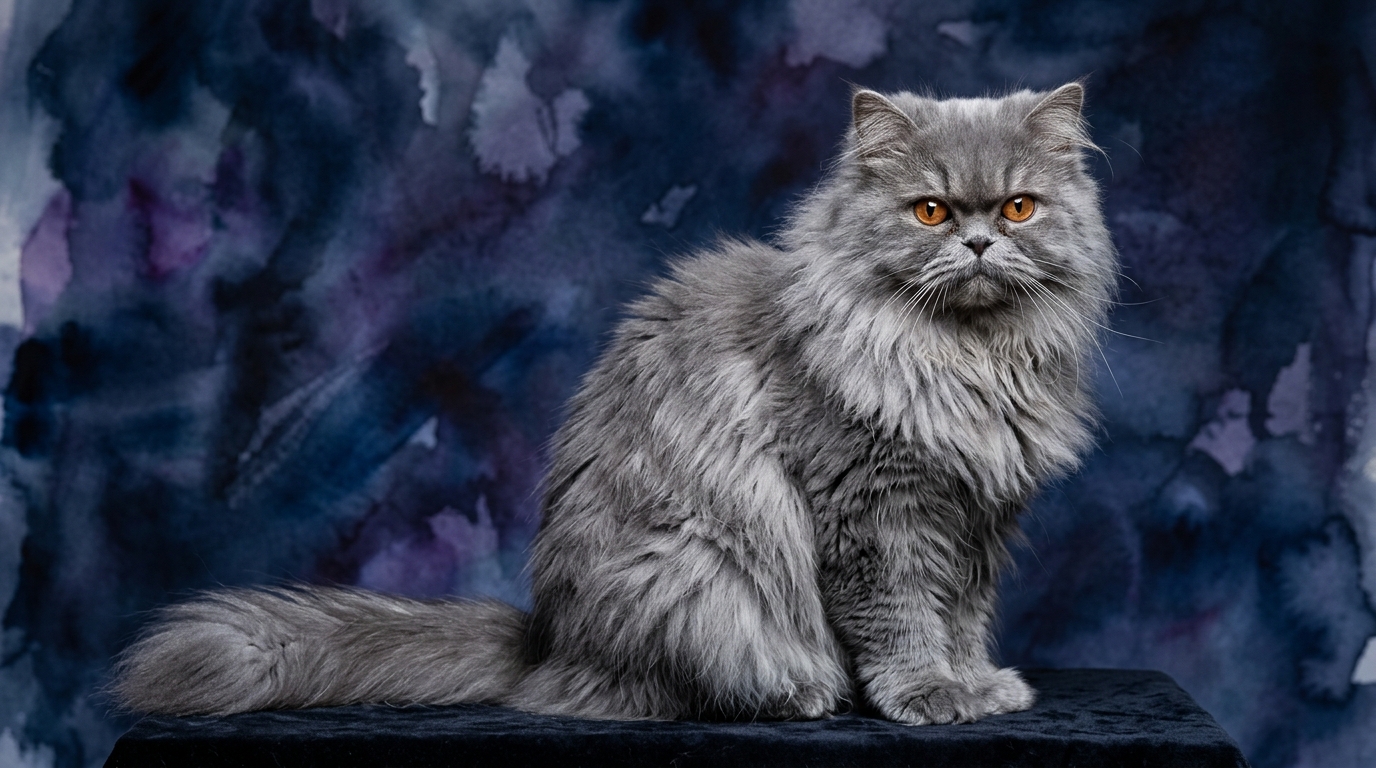
Our Pet IQ Lab reveals the Persian's serene cognitive profile. They score 2/5 in Problem Solving, preferring established routines over manipulating complex environments, and 2/5 in Training Speed, indicating that learning new commands requires consistent, patient effort. However, their Social Intelligence is 3/5, forming deep, stable bonds, and Memory is 3/5, recalling routines and preferred interactions with precision. Their Instinctive Drive registers 2/5, reflecting a generally calm, less hunt-oriented disposition.
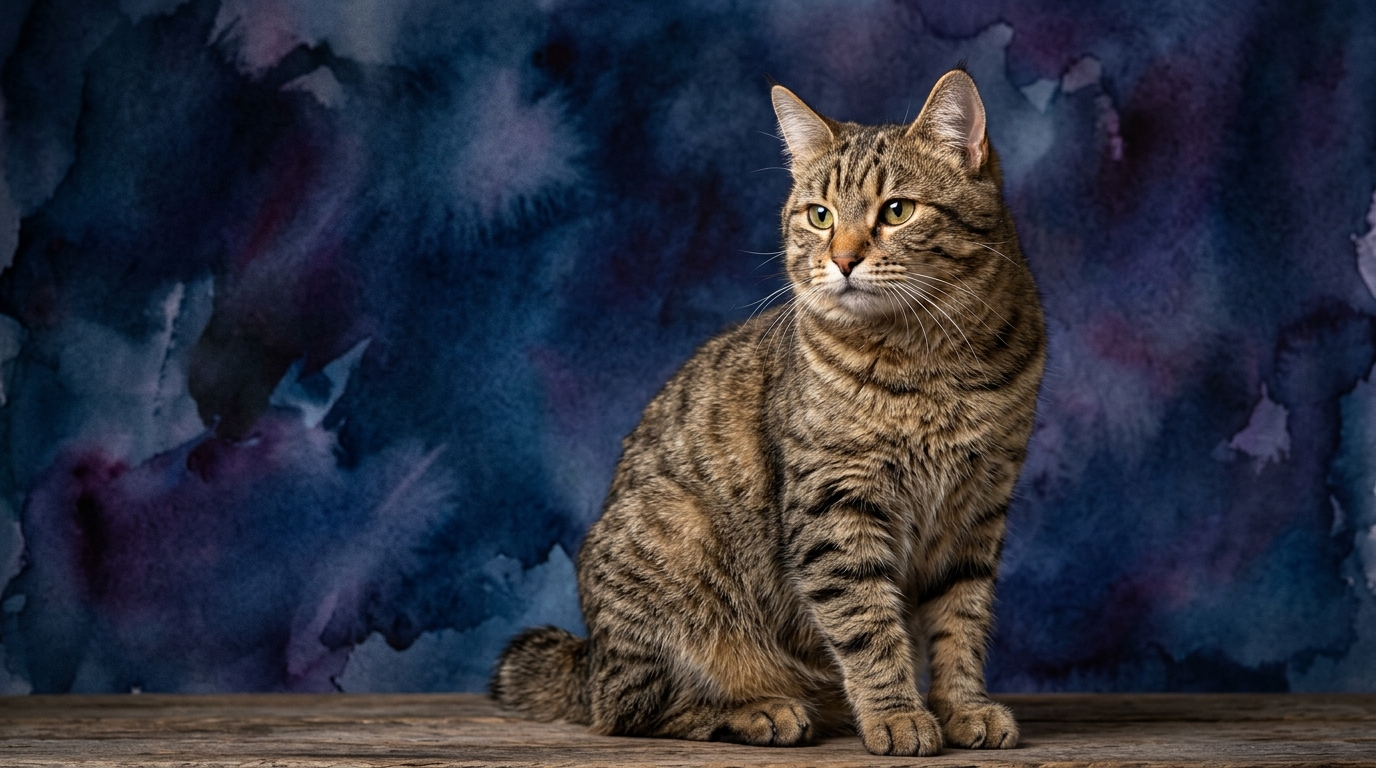
Conversely, the Pixiebob exhibits a more active cognitive profile. They score 3/5 in Problem Solving, demonstrating persistence with novel challenges or interactive toys, and 3/5 in Training Speed, indicating a quicker grasp of new commands. Their Social Intelligence also stands at 3/5, fostering strong, interactive relationships, and Memory matches the Persian at 3/5, allowing for excellent retention of learned behaviors. A higher Instinctive Drive of 3/5 reflects their enjoyment of stalking, pouncing, and engaging with their surroundings.
Where the Persian's Mind Shines
The Persian's cognitive strengths lie in their profound capacity for stable emotional connection and nuanced environmental processing. Their 3/5 Social Intelligence, coupled with a 3/5 Memory, means they excel at understanding the nuances of their human companions' moods and preferences, remembering specific comforts and gentle interactions that deepen their bond. This attunement to their social world is a quiet, consistent cognitive feat.
Furthermore, the Persian's lower Instinctive Drive (2/5) offers a distinct cognitive advantage in specific domestic contexts. This reduced inclination to constantly explore or 'hunt' allows them to maintain a calm, observant presence, less prone to distraction by external stimuli. This focused tranquility enables them to process social cues and maintain predictable routines, making them exceptional companions for those valuing serene, consistent interaction.
The Pixiebob's Cognitive Edge
The Pixiebob distinctly outperforms the Persian in areas requiring active engagement with their environment. Their 3/5 Problem Solving score means they are more likely to investigate and figure out how to open a cabinet, manipulate a puzzle feeder, or retrieve a dropped item. This innate curiosity and persistence in overcoming minor obstacles showcases a proactive, working mind.
Combined with their 3/5 Training Speed, Pixiebobs readily absorb new information and form associations between actions and outcomes. This translates to quicker learning of commands, leash manners, or fetch. Their elevated Instinctive Drive (3/5) further fuels this cognitive engagement, finding intrinsic reward in activities mimicking hunting and exploration, thus stimulating their problem-solving and learning capacities.
Training Aptitude: Patience vs. Playfulness
For owners seeking to teach specific behaviors, the Pixiebob generally offers a more responsive training experience. Their higher Training Speed (3/5) and Problem Solving (3/5) enable them to grasp new concepts more quickly, forming associations between commands and rewards with fewer repetitions. This often results in a rewarding training journey, utilizing their natural curiosity and instinctive drive for interactive games and positive reinforcement.
The Persian, with its 2/5 in both Training Speed and Problem Solving, demands a different approach. Training a Persian requires significant patience, consistency, and an understanding of their preference for calm interactions. While capable of learning, they may not show the same enthusiasm for complex tasks. Motivation often relies on comfort or food, leveraging their 3/5 memory for routines and positive associations rather than an innate drive for problem-solving.
Ideal Companions for Different Lifestyles
The distinct cognitive profiles of these two breeds naturally align with different owner lifestyles. The Pixiebob, with higher scores in Problem Solving, Training Speed, and Instinctive Drive, thrives with active owners who can provide consistent mental and physical enrichment. They enjoy interactive play, puzzle toys that challenge their intellect, and may even appreciate supervised outdoor adventures. Their curious, engaged nature requires outlets for investigative tendencies and energy to prevent boredom.
Conversely, the Persian is an ideal match for relaxed owners who appreciate a tranquil, predictable home environment. Their lower instinctive drive and preference for consistency mean they are content with less intense interaction, valuing quiet companionship and a stable routine. Their cognitive strengths lean towards observing and processing their social world calmly, making them perfect for those seeking a serene presence.
The Verdict
Choose the Persian if you seek a serene, affectionate companion who thrives in a peaceful home, appreciating gentle, predictable routines and stable social bonds over high-octane mental challenges. They offer quiet companionship and a comforting, consistent presence.
Opt for the Pixiebob if you desire an interactive, curious feline partner, keen on engaging in games, puzzles, and exploration, and are prepared to provide consistent mental and physical enrichment to satisfy their active, problem-solving mind.
🧠 Find Your Pet's IQ Score
Our Pet IQ Lab assessment covers 25+ tests across 5 cognitive dimensions — personalized to your breed.
Take the Full IQ Test →Frequently Asked Questions
Are Pixiebobs more vocal than Persians?
Pixiebobs are often described as having a broader range of vocalizations, including chirps and trills, and tend to 'talk' more with their owners, reflecting their higher social engagement. Persians are generally known for being quieter, communicating more subtly through body language and gentle purrs.
Do Persians adapt well to changes in routine?
Persians, given their preference for consistency and lower problem-solving score, generally adapt less readily to significant changes in routine or environment. They thrive on predictability, and sudden shifts might cause them stress or discomfort, requiring patient reintroduction to new patterns.
Can Pixiebobs be trained like dogs?
While not 'dogs,' Pixiebobs do exhibit dog-like traits in their trainability and desire for interaction, thanks to their higher training speed and problem-solving skills. They can learn to walk on a leash, play fetch, and respond to various commands, making them highly engaging and responsive companions for dedicated owners.