The Cosmic Pet IQ Lab: Side-by-Side Cognitive Profiles
The Cosmic Pet IQ Lab evaluates canine intelligence across five key dimensions, offering a granular view beyond simple obedience. For both the Pointer and the Ibizan Hound, each dimension registers a solid 3 out of 5, indicating a robust, functional intellect, but the manifestation of this score is unique to their breed characteristics and historical purpose.
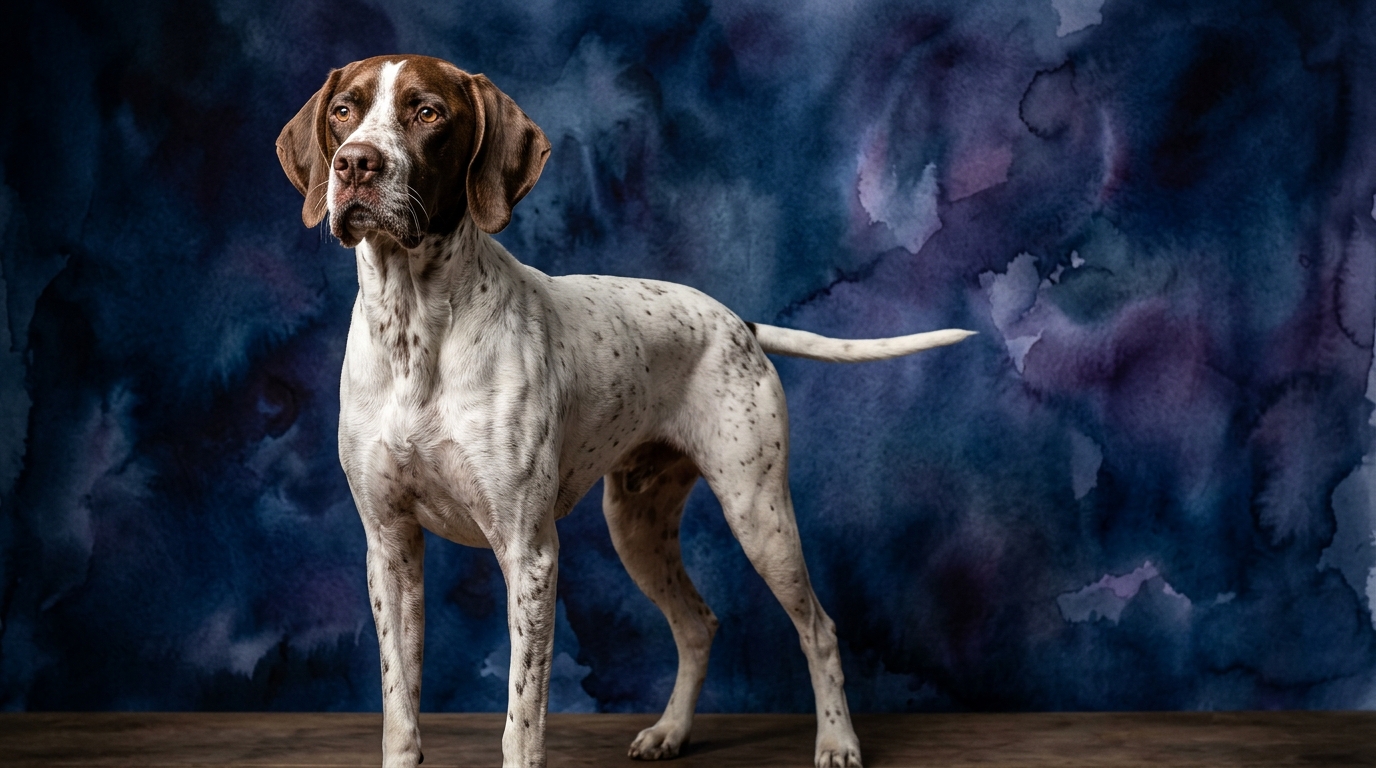
The **Pointer**, a distinguished member of the Sporting Group, exhibits its cognitive strengths through cooperation and focused detection. Its **Problem Solving (3/5)** typically involves navigating complex scent trails to locate game birds or figuring out how to retrieve objects from challenging terrain. They are competent at moderate puzzles, often employing a systematic approach. **Training Speed (3/5)** for a Pointer is reliable; they absorb commands at an average pace, thriving on consistency and positive reinforcement, often eager to engage with their handler. Their **Social Intelligence (3/5)** is characterized by an ability to read human cues well and form strong, attentive bonds, often seeking to understand and respond to their family's moods. The **Instinctive Drive (3/5)** is powerfully expressed in their signature pointing behavior – a controlled, focused instinct to freeze and indicate game, rather than chase directly. Finally, their **Memory (3/5)** supports recalling learned routes, commands, and the locations of previously encountered game, though it's not typically photographic for intricate, long-term sequences.
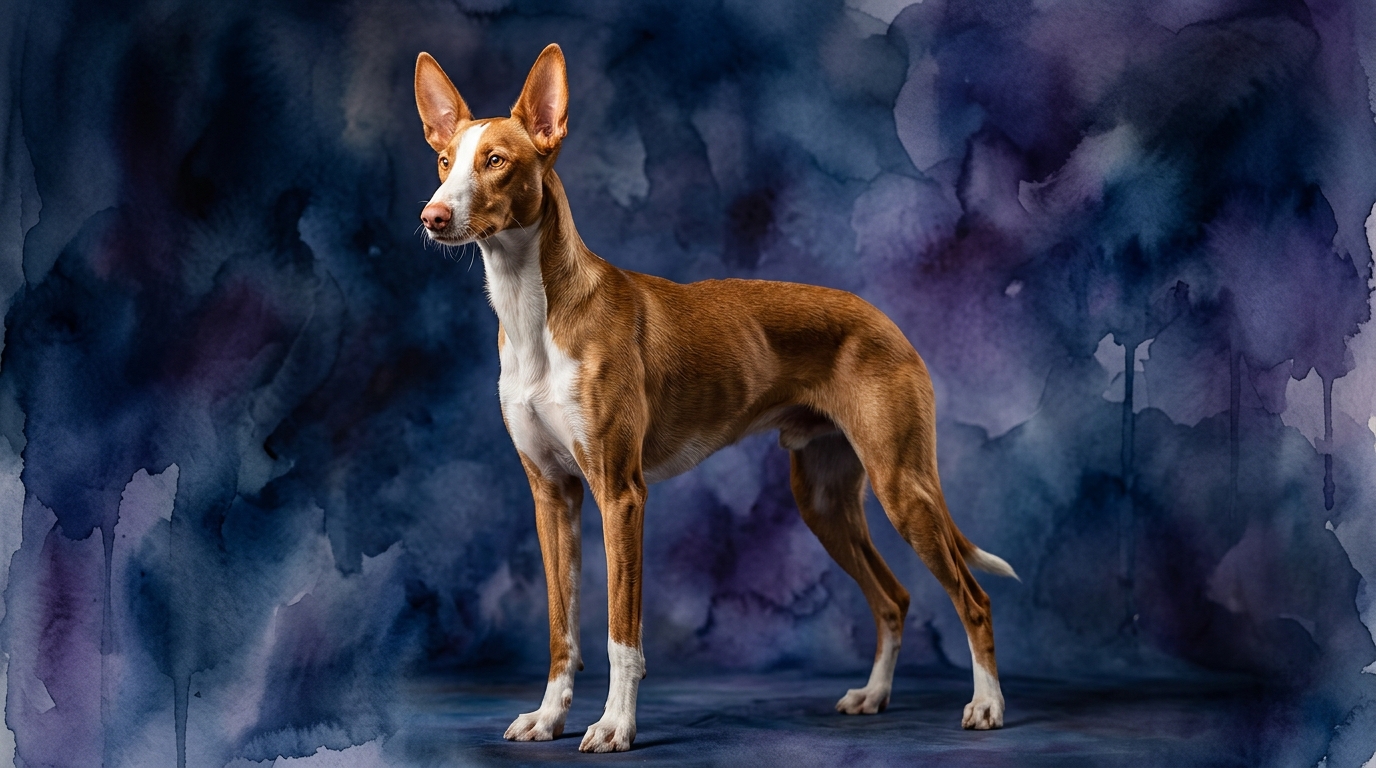
The **Ibizan Hound**, a graceful sighthound from the Hound Group, showcases its intellect through independent action and keen sensory perception. Its **Problem Solving (3/5)** is often demonstrated in how it strategically pursues fast-moving prey, finding the quickest or most efficient path, or figuring out how to access enticing areas with remarkable agility. This involves quick, on-the-spot assessments of dynamic environments. **Training Speed (3/5)** for an Ibizan Hound is also average, but their independent nature means they might learn commands quickly yet choose to obey only when motivated or when it aligns with their interest. Their **Social Intelligence (3/5)** sees them form deep, affectionate bonds with their immediate family, though they can be quite reserved or aloof with strangers, preferring a select circle. The **Instinctive Drive (3/5)** is a profound, almost primal urge to chase anything that moves quickly, characteristic of their sighthound heritage, demanding significant outlets for this inherent behavior. Their **Memory (3/5)** is strong for recognizing familiar faces, remembering routines, and recalling the best spots for a good chase, displaying a practical, context-specific recall.
Where the Pointer Wins Cognitively
Despite identical numerical scores, the Pointer possesses a distinct cognitive edge in tasks requiring sustained, cooperative focus and a handler-centric approach. Their evolutionary purpose as a gun dog has honed their ability to work in tandem with humans, prioritizing shared objectives. This means their problem-solving often involves deciphering human intentions or navigating complex instructions to achieve a common goal, such as finding a specific object or performing a sequence of tasks directed by a handler. Their instinctive drive to point is a controlled, communicative behavior, requiring a specific type of cognitive inhibition and focus that facilitates human-dog partnership.
Furthermore, the Pointer's social intelligence, while rated 3/5, often manifests as a greater eagerness to please and an inherent biddability. This translates into a dog that is typically more attentive to human body language and verbal cues, making them highly responsive in structured training environments. They excel in activities like competitive obedience, field trials, or even service work where understanding and anticipating human directions are paramount. Their memory is particularly effective for recalling specific commands and patterns associated with their handler, making them excellent partners for routine-based activities.
Where the Ibizan Hound Wins Cognitively
The Ibizan Hound shines in cognitive domains that demand independent thought, rapid environmental assessment, and self-directed action. Their legacy as a sighthound, hunting rabbits and other small game across varied terrains, has sculpted a mind adept at autonomous decision-making. Their problem-solving prowess is often observed in their ability to quickly strategize during a chase, calculating trajectories, anticipating prey movements, and navigating obstacles with remarkable agility and spatial awareness. This isn't about human instruction, but about innate, quick-thinking resourcefulness in dynamic, high-stakes situations.
The Ibizan Hound's instinctive drive, while strong, is a testament to its highly developed sensory and motor intelligence. Their ability to spot, track, and pursue fast-moving objects relies on exceptional visual processing and an inherent understanding of physics and momentum. This breed often displays a quirky, sometimes 'cat-like' ingenuity in figuring out how to reach desirable places, whether it's scaling fences or opening cabinets. Their memory, while rated 3/5, is particularly strong for spatial layouts and the locations of perceived prey, enabling them to remember optimal hunting grounds or escape routes, demonstrating a practical, survival-oriented recall that underscores their independent spirit.
Which is Easier to Train and Why
When it comes to ease of training, the **Pointer** generally holds an advantage due to its inherent desire to cooperate and its strong bond with its handler. Their history as a gun dog means they are bred to work in close partnership with humans, readily accepting direction and thriving on positive reinforcement. They tend to be more focused on their handler during training sessions, making them responsive to cues and less prone to distraction. While their training speed is 3/5, their biddability often makes the *process* feel smoother and more rewarding for an owner seeking a highly compliant companion. Their cooperative instinctive drive means their natural behaviors, like pointing, can often be channeled and refined rather than suppressed.
The **Ibizan Hound**, conversely, can present more of a challenge in traditional obedience training. While their training speed is also 3/5, their independent sighthound nature means they are often less motivated by pleasing their human and more by their own internal drives. Their strong prey drive is largely self-directed, making off-leash reliability in unsecured areas a significant hurdle; a squirrel or a blowing leaf can instantly override learned commands. Training an Ibizan Hound requires immense patience, creativity, and a deep understanding of their independent spirit. They respond best to engaging, reward-based methods that make training feel like a game, rather than a chore, and owners must accept that their innate independence will always be a part of their charm.
Which Suits Active Owners vs. Relaxed Owners
Neither the Pointer nor the Ibizan Hound are suitable for truly relaxed, sedentary owners; both breeds demand significant physical and mental engagement. However, the *nature* of that activity differs, making them suitable for different types of active lifestyles. The **Pointer** thrives with active owners who enjoy structured outdoor activities and seek a cooperative partner. They need consistent, vigorous exercise, such as long runs, hikes, or vigorous games of fetch, ideally incorporating scent work or retrieving. Pointers excel in dog sports like agility, obedience, and field work, where their focus and biddability are assets. They need a 'job' to feel fulfilled and will bond deeply over shared activities, making them ideal for owners who want an engaged, participatory exercise companion.
The **Ibizan Hound** is best suited for active owners who can provide ample opportunities for free, uninhibited running in a secure environment. Their explosive bursts of speed and incredible leaping ability mean they require access to large, fenced areas where they can truly stretch their legs and satisfy their prey drive through chasing games. While they can be calm and even 'cat-like' indoors, their need for high-intensity exercise is non-negotiable for their physical and mental well-being. Owners must be prepared for their independent nature during walks, as their strong prey drive can make them difficult to recall if something catches their eye. They are perfect for owners who appreciate an athletic, independent spirit and can provide the specific type of exercise that allows them to truly be a sighthound.
The Verdict
Choose the Pointer if you value a cooperative, handler-focused companion who thrives on shared activities and structured training, eager to engage in a partnership.
Opt for the Ibizan Hound if you appreciate an independent, agile, and often comical companion, capable of incredible athletic feats, provided you can meet their unique exercise needs.
🧠 Find Your Pet's IQ Score
Our Pet IQ Lab assessment covers 25+ tests across 5 cognitive dimensions — personalized to your breed.
Take the Full IQ Test →Frequently Asked Questions
Do Pointers make good family pets?
Yes, Pointers can be devoted and gentle family dogs, often good with children, provided they receive consistent exercise and mental stimulation. Their cooperative nature and desire to be part of the family make them adaptable, but their energy needs must be met to prevent boredom.
Are Ibizan Hounds difficult to train?
While not inherently difficult to learn, Ibizan Hounds possess a strong independent streak and sighthound prey drive, which can make traditional obedience training challenging. They respond best to patient, positive, and engaging methods, and owners should manage expectations regarding off-leash reliability in open areas.
Which breed is better for apartment living?
Neither breed is ideally suited for small apartment living due to their high exercise requirements; both need ample space to move. However, if absolutely necessary, a diligently exercised Pointer might adapt slightly better due to their more biddable nature indoors, but both absolutely require extensive daily outdoor activity.