Side-by-Side Cognitive Profiles
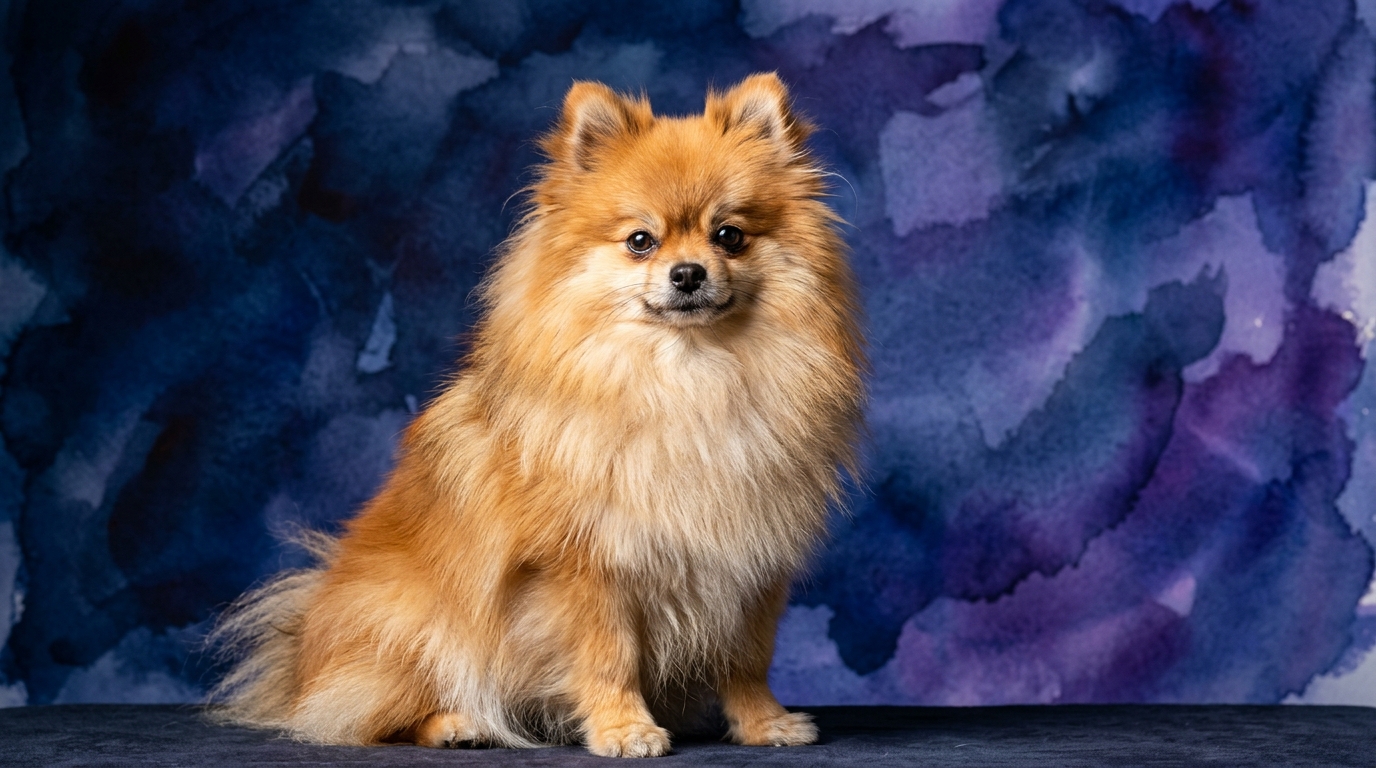
The Pomeranian, a member of the Toy group, secures a commendable Coren rank of #23, indicating a strong capacity for learning and obedience. In our Pet IQ Lab assessment, they score 4/5 in Problem Solving, demonstrating an impressive ability to navigate complex situations and figure out solutions, often surprising owners with their ingenuity in accessing treats or preferred spots. Their Training Speed also rates 4/5, reflecting their quick grasp of commands and routines, making them generally receptive pupils. Social Intelligence is a standout at 4/5, highlighting their exceptional capacity to read human cues, understand emotional states, and adapt their behavior accordingly, fostering deep bonds. While their Instinctive Drive is 3/5, it manifests as a lively curiosity and a desire to engage with their environment rather than a strong prey drive. Their Memory, at 4/5, ensures they retain learned behaviors and recall past experiences with precision.
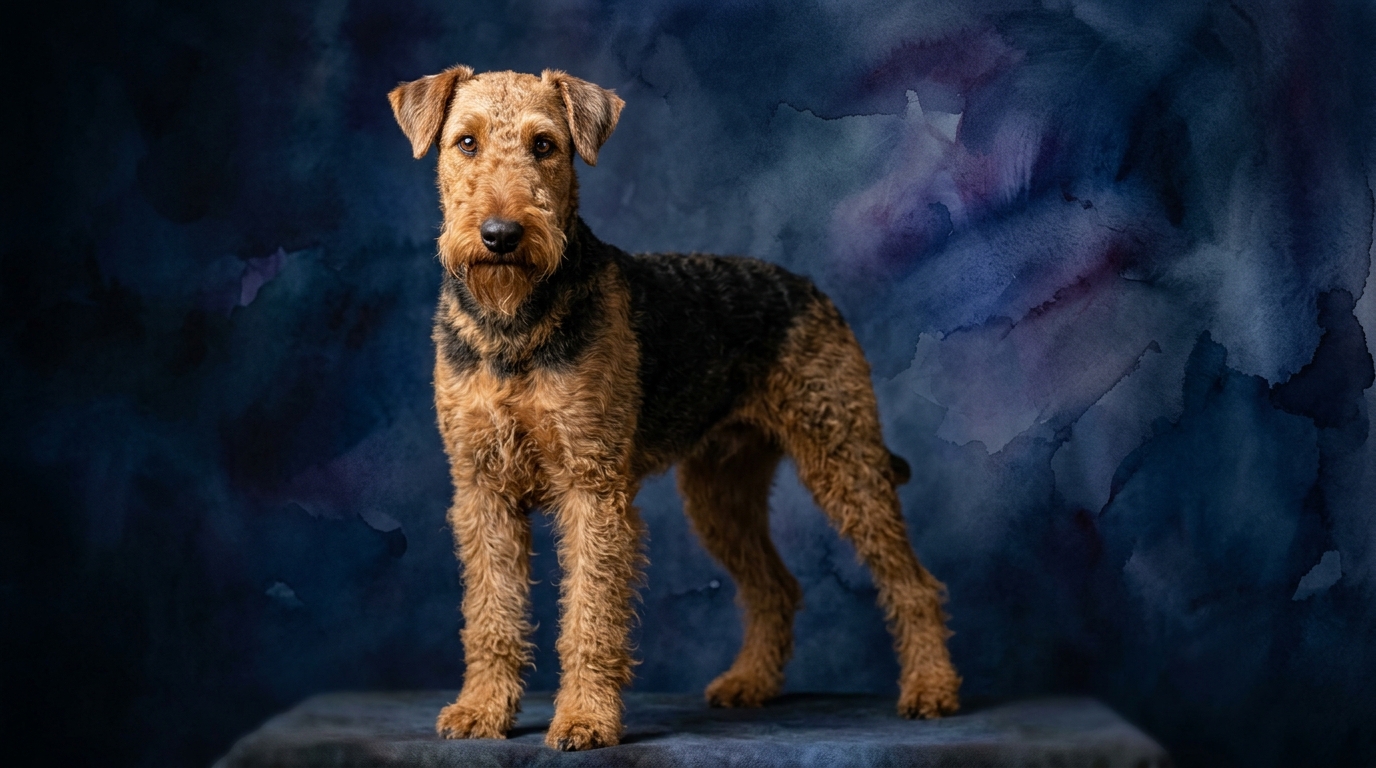
The Airedale Terrier, the largest of the Terrier group, holds a Coren rank of #29, placing it squarely within the 'above average' working dog category. Their Pet IQ Lab scores reveal a parallel strength in Problem Solving, also at 4/5, though this often translates into determined independent thinking and strategic approaches to challenges, reflecting their working heritage. Training Speed matches the Pomeranian at 4/5, indicating a similar aptitude for acquiring new skills, provided the training methods cater to their terrier personality. Where they diverge notably is in Social Intelligence, scoring 3/5; this suggests a more independent nature, less inclined to constant human validation and sometimes requiring more explicit communication. Their Instinctive Drive, like the Pomeranian, is 3/5, but for the Airedale, this often means a strong prey drive and a persistent nature in pursuit of objectives. Their Memory is also 4/5, enabling them to remember complex sequences and commands over long periods.
Where the Pomeranian Excels Cognitively
The Pomeranian's cognitive edge primarily lies in its superior Social Intelligence, scoring 4/5 compared to the Airedale's 3/5. This translates into a heightened ability to interpret subtle human expressions, vocal inflections, and body language. They are often more attuned to the emotional atmosphere of a household, adapting their demeanor to suit the mood, which fosters a profound sense of companionship. This acute social awareness allows them to anticipate owner desires and respond with remarkable empathy, often seeming to 'understand' what is expected without explicit commands. Furthermore, their problem-solving, while rated equally, often manifests in domestic contexts – figuring out how to manipulate household items or gain attention – demonstrating a finely tuned cognitive application within their typical environment.
Where the Airedale Terrier Excels Cognitively
While the raw scores for Problem Solving are identical, the Airedale Terrier's 4/5 in this dimension often reflects a different kind of cognitive application rooted in their working breed history. Their problem-solving is frequently directed towards independent tasks, such as navigating complex outdoor environments, strategizing how to flush out prey, or persistently working through physical obstacles. This requires a tenacity and a focused, goal-oriented mindset that is distinct. Their Instinctive Drive, also 3/5, combined with their larger size and physical prowess, means they apply their cognitive skills to more robust, physically demanding challenges. They excel in tasks requiring sustained focus and resilience, often driven by an internal motivation rather than constant external social cues, showcasing a powerful mental fortitude in pursuit of a task.
Ease of Training: A Behavioral Perspective
When comparing ease of training, the Pomeranian generally presents a more straightforward experience for the average owner, largely due to its higher Social Intelligence (4/5). Their eagerness to please and keen awareness of human reactions mean they are often highly motivated by praise and social rewards, readily picking up cues and commands. This responsiveness makes positive reinforcement highly effective, and they tend to integrate new behaviors quickly into their routine. Conversely, the Airedale Terrier, with its 3/5 Social Intelligence and strong independent nature, can be more challenging. While their Training Speed is also 4/5, meaning they can learn quickly, their independence and potential for stubbornness require a handler who is consistent, patient, and engaging. Training an Airedale often necessitates creative methods to maintain their interest, leveraging their problem-solving skills and instinctive drives through varied tasks and strong motivation, rather than relying solely on social approval.
Suited for Active vs. Relaxed Owners
The Pomeranian, despite its energetic bursts, is well-suited for owners seeking a more relaxed lifestyle, particularly those who prefer indoor activities or shorter, less intense outdoor excursions. Their cognitive needs are amply met through interactive play, puzzle toys, and consistent mental engagement within the home environment. They thrive on close companionship and can find fulfillment in learning tricks or participating in indoor agility, making them ideal for individuals or families who enjoy frequent, but not necessarily strenuous, interaction. In contrast, the Airedale Terrier is undeniably a fit for active owners. Their substantial size, working heritage, and robust physical and mental energy demand consistent, vigorous exercise and structured activities. Owners who enjoy long hikes, running, organized dog sports like agility or tracking, and dedicated training sessions will find the Airedale to be an enthusiastic and capable partner. Their cognitive abilities are best engaged when given purpose and physical outlets.
The Verdict
Choose the Pomeranian if you seek a highly responsive, socially attuned companion who thrives on close interaction and can be mentally stimulated with indoor activities and moderate outdoor engagement. They are an excellent choice for individuals or families who appreciate a deeply connected and perceptive canine presence.
Opt for the Airedale Terrier if you are an active owner prepared to commit to substantial physical activity, consistent, engaging training, and value an independent, resilient companion capable of diverse outdoor adventures and task-oriented engagement. They are best for those who can provide ample opportunity for their physical and cognitive drives.
🧠 Find Your Pet's IQ Score
Our Pet IQ Lab assessment covers 25+ tests across 5 cognitive dimensions — personalized to your breed.
Take the Full IQ Test →Frequently Asked Questions
Are Pomeranians truly as smart as Airedale Terriers based on the IQ scores?
The Pet IQ Lab scores show both breeds have comparable problem-solving and training speed, indicating similar cognitive aptitudes in these areas. However, their social intelligence and how they apply their problem-solving differ significantly due to breed roles and predispositions.
Does an Airedale Terrier's lower social intelligence mean it's harder to bond with?
Not necessarily. A lower social intelligence score for the Airedale suggests they are more independent and may not constantly seek human validation or interpret subtle cues as readily as a Pomeranian. They form strong bonds, but often in a more self-reliant or task-oriented manner, requiring consistent and clear communication from their owner.
Which breed would be better for a first-time dog owner?
For a first-time owner, the Pomeranian's higher social intelligence and general eagerness to please often make training and integration into a household more straightforward. The Airedale's independence and substantial exercise needs may require a more experienced handler who is prepared for a committed and active training regimen.