Side-by-Side IQ Profile: Pomeranian vs. American Foxhound
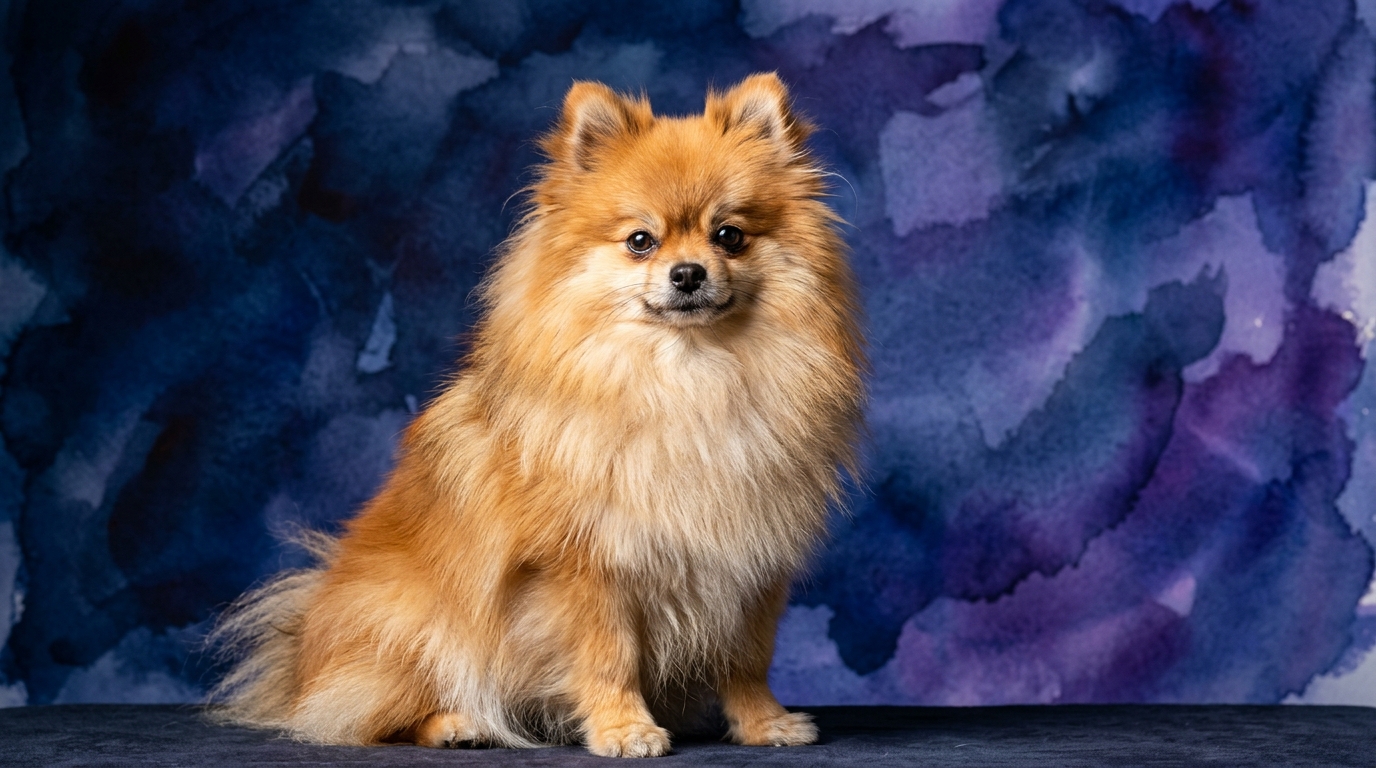
At The Cosmic Pet Pet IQ Lab, we evaluate canine intelligence across five key dimensions, revealing distinct cognitive landscapes for each breed. The Pomeranian, a Toy group member, holds a respectable Coren rank of #23, signifying its significant capacity for adaptive learning and human-directed responsiveness. Its Problem Solving is rated 4/5, indicating cleverness in navigating environments and figuring out desired outcomes. Training Speed is also 4/5, reflecting their quick grasp of commands and eagerness to engage in learning. Social Intelligence scores 4/5, highlighting their adeptness at reading human cues and forming strong interactive bonds. While their Instinctive Drive is 3/5, it's typically expressed in playful chasing rather than sustained hunting. Finally, their Memory is strong at 4/5, contributing to their trainability and ability to recall routines and commands.
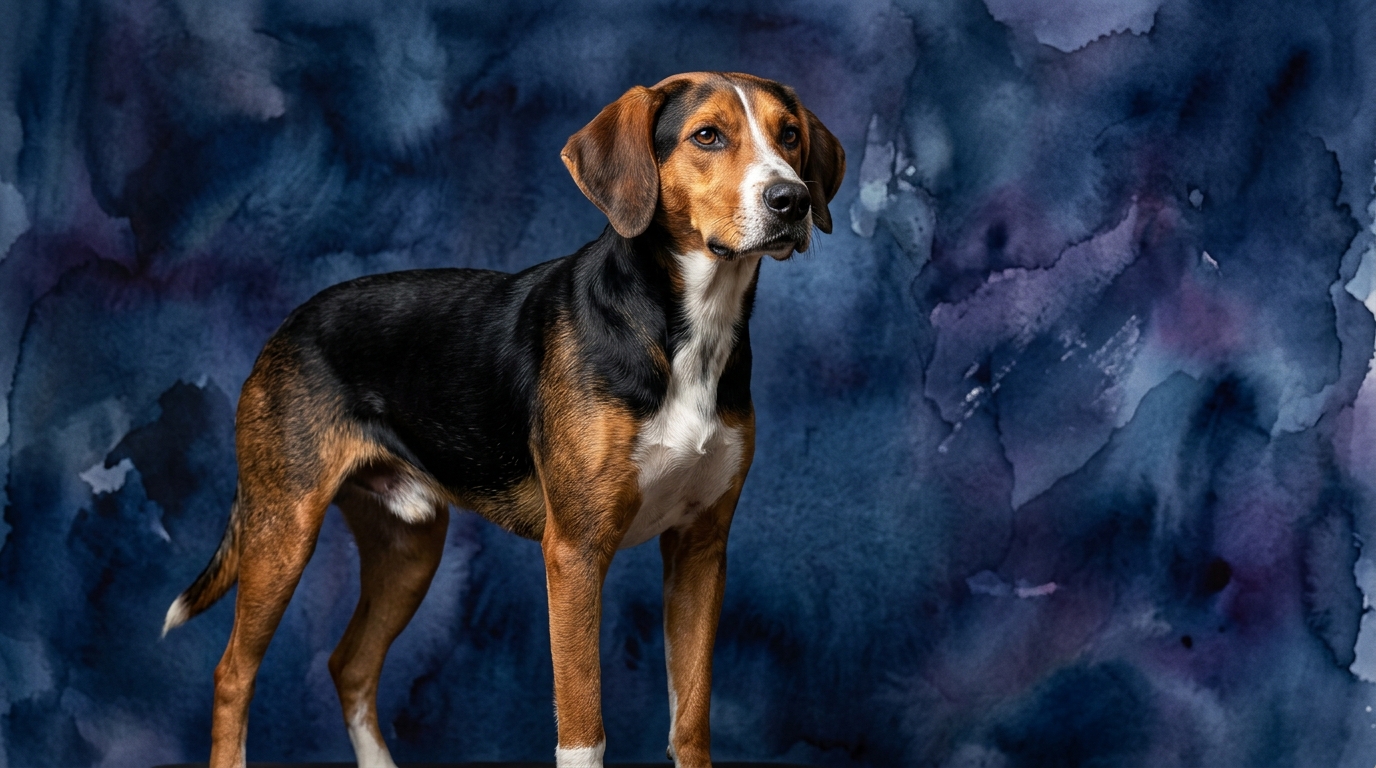
In contrast, the American Foxhound, a dedicated Hound breed, is not Coren-ranked, which points to a cognitive profile more geared towards independent work than immediate human-centric obedience. Their Problem Solving is 3/5, often applied to complex scent-related challenges rather than abstract puzzles. Training Speed is 3/5; while capable, their independent nature can make traditional obedience a more gradual process. Social Intelligence is also 3/5; they form deep bonds but their interactions might be less about subtle manipulation and more about direct engagement. Their Instinctive Drive, also 3/5, is a powerful, defining force for scent work and pursuit, often overriding other stimuli. Their Memory, rated 3/5, is functional for familiar trails and routines, though perhaps less precise for a wide array of human commands, especially when a compelling scent is present.
Where the Pomeranian Wins Cognitively
The Pomeranian's cognitive profile highlights its strengths in adaptive learning and social engagement within a domestic context. With a 4/5 in Problem Solving, these small dogs often display ingenuity in household settings, quickly learning how to access desired items or navigate environmental obstacles. This quick wit, combined with a 4/5 in Training Speed, means they typically pick up new commands rapidly, responding enthusiastically to positive reinforcement and enjoying the mental stimulation of learning tricks and routines.
Their Social Intelligence, also rated 4/5, allows them to be highly attuned to their human companions' moods and intentions, fostering a responsive and interactive relationship. This strong social acumen, coupled with their excellent Memory (4/5), makes them adept at integrating into complex family dynamics and remembering a wide array of social cues and learned behaviors, making them highly adaptable and charming companions.
Where the American Foxhound Wins Cognitively
While the American Foxhound may not excel in the same domestic-oriented cognitive tasks, its intellectual prowess shines in areas crucial to its heritage. Its Instinctive Drive, rated 3/5, is a powerful force that, when channeled, represents an unmatched dedication to its primary purpose: scent work. This isn't merely a drive; it's a complex cognitive process involving sophisticated scent discrimination, precise trail following, and sustained focus over long distances, requiring immense mental endurance and specialized problem-solving (3/5) within that domain.
They possess an unwavering determination to complete a task once their nose is engaged, demonstrating a unique form of cognitive persistence and a remarkable ability to work independently. Their Memory (3/5), while perhaps not as broad for varied human commands, is exceptionally reliable for remembering established hunting grounds, intricate scent trails, and the nuances of their working environment, allowing them to navigate and perform autonomously in challenging outdoor scenarios.
Which is Easier to Train and Why
Based on their cognitive profiles, the Pomeranian is generally easier to train in traditional obedience and trick-learning contexts. Their 4/5 Training Speed indicates a natural inclination to grasp and execute commands swiftly, often driven by an eagerness to please their human companions. This is further supported by their high Social Intelligence (4/5), making them highly receptive to human communication and motivation; they readily engage in structured training sessions, viewing them as positive interactions.
In contrast, the American Foxhound's 3/5 Training Speed and 3/5 Social Intelligence mean that while they are certainly capable of learning, their independent nature and powerful instinctive drive for scent work can present unique training challenges. A Foxhound's nose often takes precedence over human commands, making recall or sustained focus in distracting environments particularly difficult. Training a Foxhound requires immense patience, consistency, and often specialized methods that harness their natural drives rather than attempting to suppress them, making them less 'easy' in a conventional obedience sense.
Which Suits Active Owners vs. Relaxed Owners
The choice between a Pomeranian and an American Foxhound largely depends on an owner's lifestyle and their capacity to meet distinct cognitive and physical needs. A Pomeranian, with its moderate instinctive drive (3/5) and high social intelligence (4/5), can adapt to various living situations, making it suitable for both moderately active and more relaxed owners, provided their mental needs are met. They thrive with regular play, puzzle toys, and short training sessions that engage their problem-solving and memory skills, but don't demand constant vigorous exercise.
Conversely, the American Foxhound is unequivocally suited for highly active owners. Its powerful instinctive drive (3/5 for scent, but a defining characteristic) and need for extensive physical activity, often involving long runs or dedicated scent work, mean a relaxed, sedentary owner would find themselves overwhelmed. These dogs require consistent, vigorous exercise and mental stimulation that taps into their natural tracking abilities to prevent boredom and destructive behaviors, making them a poor fit for a quiet, indoor-centric life.
The Verdict
Choose a Pomeranian if you seek a highly interactive companion who thrives on social engagement, enjoys learning new tricks, and can adapt to varied living situations, offering a responsive and charming presence.
Choose an American Foxhound if you are an active individual or family deeply committed to providing extensive daily exercise, specialized scent work opportunities, and possess the patience to work with an independent, driven hound.
🧠 Find Your Pet's IQ Score
Our Pet IQ Lab assessment covers 25+ tests across 5 cognitive dimensions — personalized to your breed.
Take the Full IQ Test →Frequently Asked Questions
Does the Pomeranian's small size affect its cognitive abilities?
No, size does not directly correlate with cognitive ability. The Pomeranian's small stature doesn't diminish its capacity for problem-solving or social intelligence, as evidenced by its strong scores in these areas. Their compact form merely means their cognitive challenges might be scaled to their environment.
How does the American Foxhound's 'Instinctive Drive' score compare to other hunting breeds?
While rated 3/5, this score for an American Foxhound signifies a profound, almost singular focus on scent and pursuit, which is typical for dedicated scenthounds. It's less about the numerical value alone and more about the intensity and priority of that drive within their cognitive framework compared to, say, a retriever's drive for retrieving.
Can an American Foxhound be a good family pet despite its independent nature?
Yes, American Foxhounds can be wonderful family pets, known for their gentle and tolerant nature with children. However, their independence and strong drive mean they require a family committed to fulfilling their extensive exercise needs and providing consistent, patient training to ensure a well-adjusted and happy companion.