Side-by-Side Cognitive Profile: Pomeranian vs. Anatolian Shepherd Dog
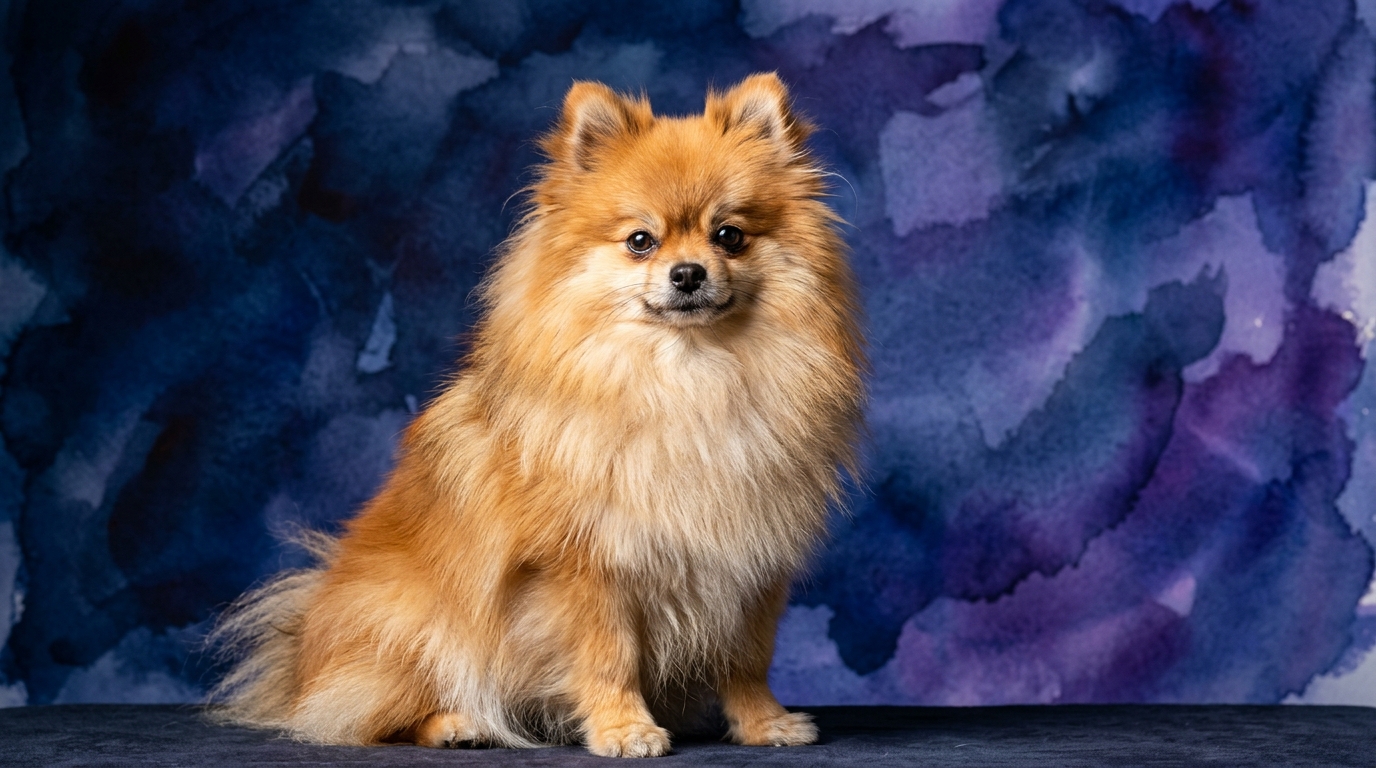
**Pomeranian (Toy Group)**
Problem Solving (4/5): These spirited companions often demonstrate a keen ability to navigate their environments, quickly figuring out how to access desired items or manipulate situations to their advantage, such as opening cabinets or solving puzzle toys designed for cognitive enrichment. Their smaller stature doesn't limit their capacity for clever solutions to everyday challenges.
Training Speed (4/5): Pomeranians typically exhibit a rapid learning curve, soaking up new commands and tricks with enthusiasm and consistency. Their eagerness to engage with their handlers and earn rewards contributes significantly to their swift comprehension and retention of training cues.
Social Intelligence (4/5): With a strong affinity for human interaction, Pomeranians are adept at reading emotional cues and adapting their behavior to social contexts. They often form deep bonds and can navigate complex household dynamics, showing a nuanced understanding of their human companions' moods and intentions.
Instinctive Drive (3/5): While not primarily a working breed, Pomeranians retain some inherent drives, often manifesting as a playful inclination to 'herd' family members or chase small objects. This drive is generally manageable and can be channeled into constructive play or light training activities.
Memory (4/5): Pomeranians possess a robust memory, enabling them to recall an extensive repertoire of commands, routines, and specific locations over long periods. This strong recall contributes to their trainability and consistent behavior within established boundaries.
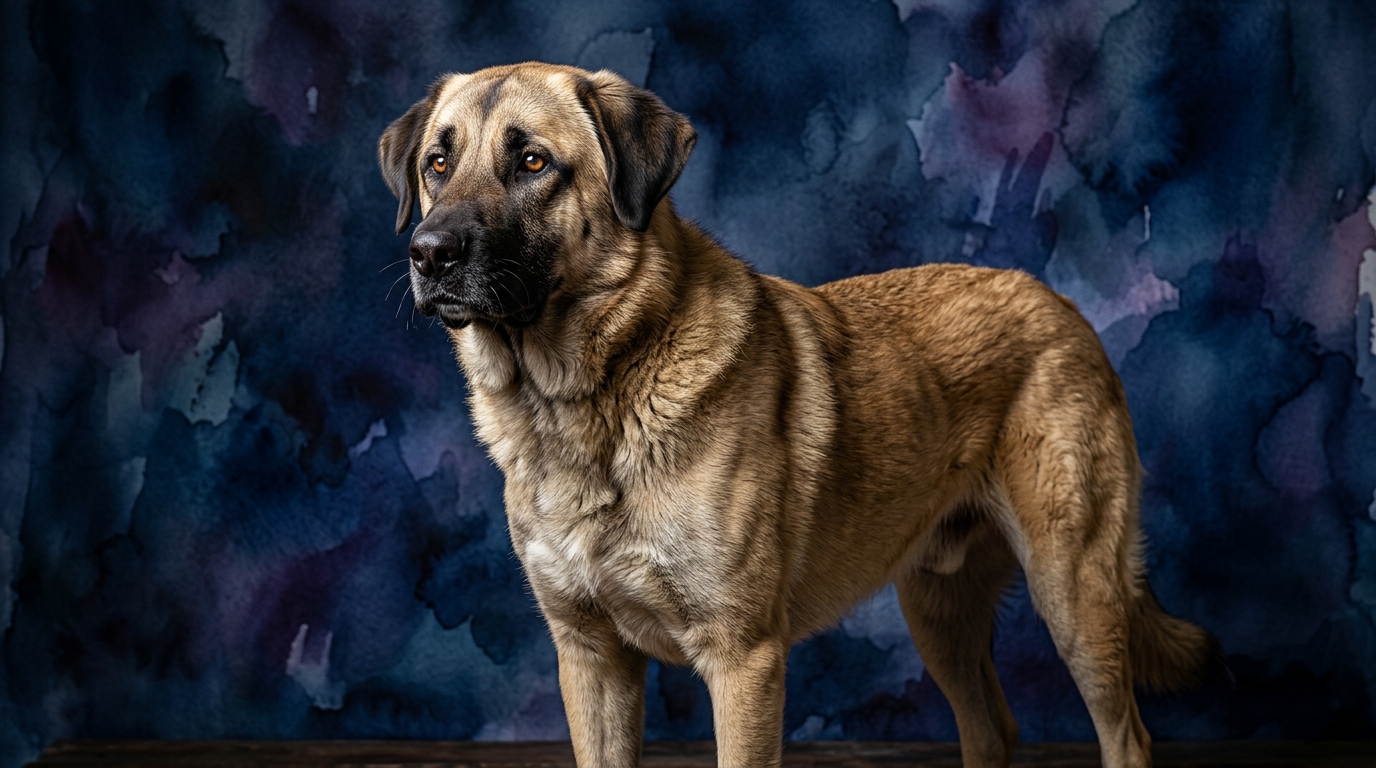
**Anatolian Shepherd Dog (Working Group)**
Problem Solving (3/5): The Anatolian Shepherd Dog's problem-solving skills are deeply rooted in their historical role as independent livestock guardians. They excel at assessing environmental threats and strategizing protective measures, rather than engaging with abstract puzzles. Their cognitive focus is on practical, self-reliant solutions for their charge.
Training Speed (3/5): Anatolians learn effectively, but often at a deliberate pace, requiring patience and understanding of their independent nature. They absorb information thoroughly and retain it, though their motivation stems more from understanding a task's purpose than from a desire for constant human approval in the moment.
Social Intelligence (3/5): While deeply bonded with their immediate family or 'flock,' Anatolians exhibit a more reserved social intelligence, often observing new people or situations from a distance. They are discerning in their interactions, valuing trust and consistency, and their social cues are often subtle and focused on protection.
Instinctive Drive (3/5): Their instinctive drive is profoundly centered on guarding and territorial protection, a powerful innate impulse. This drive manifests as constant vigilance, patrolling, and an unwavering commitment to the safety of their designated charges, whether livestock or family members.
Memory (3/5): Anatolian Shepherd Dogs possess a reliable memory for their territories, established routines, and recognized individuals or potential threats. Their recall is strong for elements crucial to their guarding duties, enabling them to consistently apply learned protective behaviors and maintain boundaries.
Where the Pomeranian Wins Cognitively
Pomeranians consistently demonstrate a cognitive edge in areas that prioritize responsiveness and intricate social engagement. Their Problem Solving score of 4/5, compared to the Anatolian's 3/5, reflects a greater aptitude for quickly deciphering novel domestic challenges, such as navigating complex play structures or manipulating latches to access treats. This quick-wittedness makes them adept at adapting to varied household environments and learning new tricks that require a sequence of actions.
Furthermore, their Training Speed, also rated 4/5 versus the Anatolian's 3/5, highlights their capacity for rapid acquisition of commands. This isn't merely about eagerness; it points to a cognitive process that efficiently maps actions to cues and consequences. Pomeranians often require fewer repetitions to master a new behavior, making them particularly receptive to diverse training regimens and advanced obedience.
The Pomeranian's superior Social Intelligence (4/5 vs. 3/5) allows for a more nuanced interpretation of human emotions and intentions. They often excel at anticipating their owner's next move or understanding subtle shifts in mood, fostering a highly interactive and communicative relationship. This cognitive strength translates into a companion that feels deeply attuned to its human family, making them excellent candidates for therapy work or roles requiring fine-tuned social interaction.
Lastly, their Memory score of 4/5, again higher than the Anatolian's 3/5, indicates a robust capacity for retaining a wide array of learned behaviors and complex routines. This strong recall ensures that once a command is mastered, it tends to stick, enabling them to reliably perform multiple cues in sequence or remember specific rules of the house over extended periods.
Where the Anatolian Shepherd Dog Wins Cognitively
While the Pomeranian excels in areas of quick learning and social responsiveness, the Anatolian Shepherd Dog’s cognitive strengths are profoundly specialized, reflecting centuries of selective breeding for independent guardianship. Their Problem Solving score of 3/5, though numerically lower, represents a distinct form of intelligence focused on autonomous decision-making in unpredictable, high-stakes environments. They excel at assessing threats, strategizing defensive positions, and making independent judgments without constant human direction, a critical skill for livestock protection.
The Anatolian's Instinctive Drive, rated 3/5, might numerically match the Pomeranian, but its manifestation is entirely different and constitutes a core cognitive strength. This drive is a deeply ingrained, sophisticated program for vigilance and territorial defense. It involves a constant, low-level cognitive processing of environmental stimuli to detect anomalies, remember boundaries, and identify potential intruders, showcasing an enduring focus and situational awareness that is unparalleled in its specific domain.
Their Memory (3/5) supports this unique drive, not necessarily through rote command recall but through an exceptional ability to map and retain detailed knowledge of their territory, the individuals within their 'flock,' and any perceived threats. This spatial and social memory allows them to patrol effectively, recognize familiar faces, and remember specific events or patterns that might indicate danger, forming a comprehensive mental model of their environment.
The Anatolian Shepherd Dog's Social Intelligence (3/5) also presents a specialized strength. While they may not be as overtly expressive or quick to engage with strangers, their social cognition is geared towards understanding the dynamics of their protective role. They develop deep, discerning bonds with their primary caregivers and charges, demonstrating a profound loyalty and an intuitive understanding of their 'flock's' safety needs, often expressed through quiet observation and protective positioning.
Which is Easier to Train and Why
When considering ease of training, the Pomeranian generally presents a more straightforward experience for the average owner due to several cognitive advantages. Their Training Speed of 4/5 means they grasp new commands and concepts quickly, often requiring fewer repetitions to achieve mastery. This rapid acquisition is bolstered by their high Social Intelligence (4/5), which makes them highly attuned to human cues and eager to please their handlers, reinforcing their motivation to learn and cooperate. They respond exceptionally well to positive reinforcement methods, thriving on praise, treats, and interactive play as rewards. Their relatively moderate Instinctive Drive (3/5) is also less likely to override training directives, allowing for a smoother learning process focused on obedience and companion behaviors.
In contrast, training an Anatolian Shepherd Dog, with its Training Speed of 3/5, requires a different approach and a higher degree of patience. While capable of learning, their independent nature and profound Instinctive Drive (3/5) for guarding mean they often prioritize their own assessment of a situation over immediate human commands. Their Problem Solving (3/5) is geared towards self-reliance, meaning they might question the necessity of a command if it doesn't align with their perceived purpose. Effective training for an Anatolian involves establishing a clear, respectful relationship built on trust, consistency, and an understanding of their inherent protective motivations. They learn deeply, but their learning curve is more deliberate, and they require a trainer who can motivate them by demonstrating the value and purpose of the requested behavior, rather than expecting instantaneous compliance driven by social approval alone.
Which Suits Active Owners vs. Relaxed Owners
The choice between a Pomeranian and an Anatolian Shepherd Dog also hinges significantly on an owner's lifestyle and their definition of “active” or “relaxed.” A Pomeranian can comfortably suit a range of owners, including those who define themselves as “relaxed” in terms of physical exertion but are “active” in their desire for mental engagement. Poms thrive on interactive play, puzzle toys, and consistent training sessions that stimulate their sharp Problem Solving (4/5) and Memory (4/5). While they enjoy short bursts of outdoor activity, their exercise needs are modest, making them ideal for apartment living or owners who prefer indoor companionship and intellectual games over extensive outdoor adventures. Their high Social Intelligence (4/5) means they are content with being the center of attention and can adapt readily to various social settings, requiring mental activity through interaction rather than strenuous physical activity.
Conversely, the Anatolian Shepherd Dog is unequivocally suited for owners who are “active” in a more profound, holistic sense, extending beyond mere physical activity to an active commitment to managing a large, independent, and protection-oriented breed. These dogs require substantial space, often a secure yard or rural property, where their Instinctive Drive (3/5) for patrolling and guarding can be appropriately channeled. Their cognitive strength lies in their ability to autonomously assess and manage their environment, which necessitates an owner who can provide a “job” or purpose that aligns with their natural inclinations. A truly “relaxed” owner, seeking a low-maintenance companion, would likely find the Anatolian's protective instincts, size, and need for structured independence overwhelming. They demand consistent, knowledgeable handling and socialization to ensure their deep-seated guarding behaviors are channeled constructively, making them a poor fit for owners preferring a hands-off approach.
The Verdict
Opt for a Pomeranian if you seek a highly interactive, quick-to-learn companion eager for social engagement and mental games within a smaller, adaptable package.
Select an Anatolian Shepherd Dog if you are prepared for a dedicated, independent guardian with specialized protective instincts, requiring space and consistent, purpose-driven management.
🧠 Find Your Pet's IQ Score
Our Pet IQ Lab assessment covers 25+ tests across 5 cognitive dimensions — personalized to your breed.
Take the Full IQ Test →Frequently Asked Questions
Are Pomeranians truly smarter than Anatolian Shepherd Dogs across all measures?
Not necessarily across all measures; their intelligence manifests differently. Pomeranians excel in areas like quick learning and social responsiveness to human cues, while Anatolians possess a specialized cognitive strength in independent problem-solving for guarding and territorial vigilance. Each breed's cognitive profile is optimized for its historical role.
Can an Anatolian Shepherd Dog be trained for complex tricks like a Pomeranian?
While an Anatolian Shepherd Dog is capable of learning, their training speed is more deliberate, and their motivation is often tied to purpose rather than elaborate tricks. They can learn complex commands, but it will typically require more patience, consistency, and an understanding of their independent, self-reliant nature compared to a Pomeranian's eagerness to please.
How does a dog's 'Instinctive Drive' score impact their daily life and owner expectations?
A dog's Instinctive Drive score indicates the strength and nature of their innate behavioral impulses. For a Pomeranian, a moderate drive might mean occasional chasing or barking, manageable with training. For an Anatolian, their strong guarding drive means constant vigilance and territorial protection, requiring owners to actively manage these inherent behaviors through appropriate environment and consistent guidance to prevent unwanted expressions.